A Day in the Park

Late afternoon in Barnsdall Park.

Late afternoon in Barnsdall Park.

Years ago I used to live on Edgemont between Hollywood and Sunset. One of the great things about the neighborhood was that Barnsdall Park was right across the street. I used to go there fairly often, but then I moved away, and Barnsdall kind of fell off my radar. I’ve been meaning to go back for years, and this last weekend I finally made the trip.

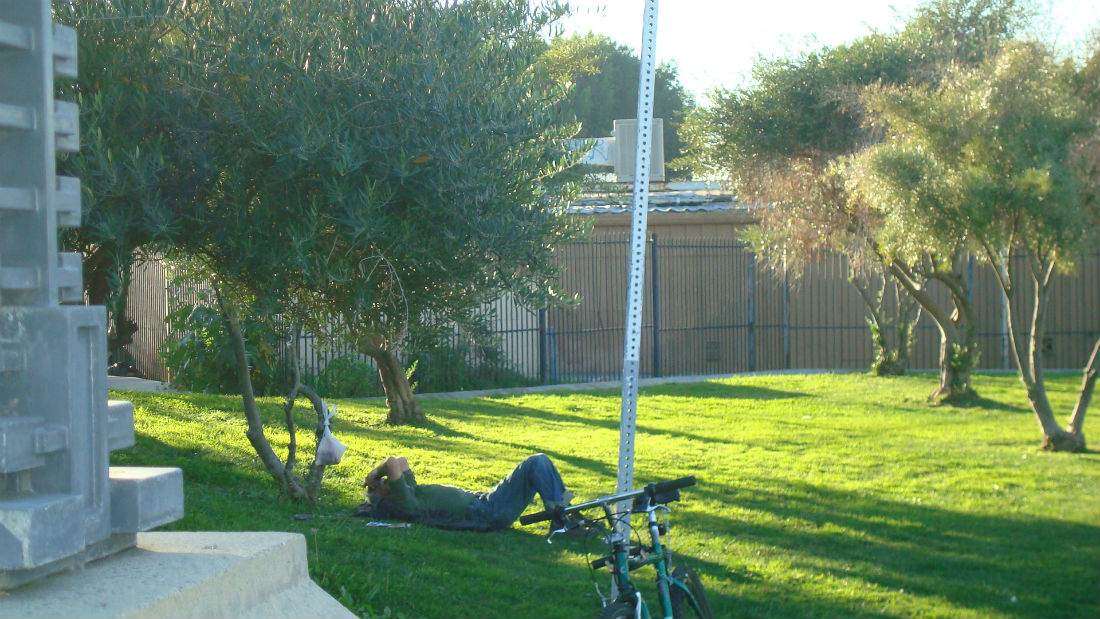
A cyclist resting at the base of the hill.

A cyclist resting at the base of the hill.

There are lots of parks in urban areas, but somehow Barnsdall seems different. I think this is mostly because it sits on top of a hill. As you climb the stairs, the sounds of the city, the traffic, the sirens, the helicopters, all seem to fade into the background. Then you get to the top and there are these amazing panoramic views of Los Angeles.

The Griffith Observatory is perched on the hills opposite Barnsdall Park.

The Griffith Observatory is perched on the hills opposite Barnsdall Park.

Another reason the park is special is that it’s home to Frank Lloyd Wright’s Hollyhock House. Completed in nineteen twenty three, this was Wright’s first project in Los Angeles. I’ve only been inside once, but the memory has stayed with me. The house is beautiful and unique. Unfortunately, it’s closed right now for restoration.

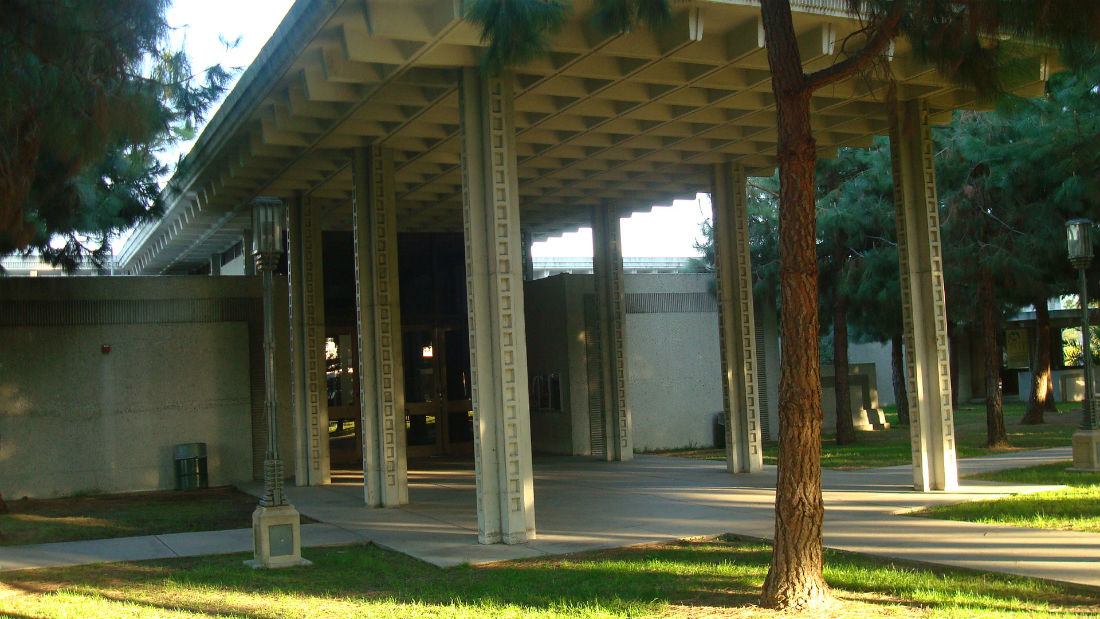
The entrance to Hollyhock House.

The entrance to Hollyhock House.

A view of Hollyhock House.

The west end of Hollyhock House.

Hollyhock House's central courtyard

Hollyhock House’s central courtyard.

We have the park thanks to the generosity of Aline Barnsdall, who donated it to the city back in the twenties. Originally from Pennsylvania, Barnsdall wanted to create a theatrical community on what was then known as Olive Hill. She commissioned Wright to design Hollyhock House, as well as several other structures, but the two parted ways and the complete plan was never realized.

The Municipal Art Gallery at Barnsdall Park.

The Municipal Art Gallery at Barnsdall Park.

Barnsdall Park is also home to the Municipal Art Gallery and the Junior Arts Center. For more information on the programs offered, follow the link below.

Barnsdall Art Park

And if you’d like more information on Hollyhock House, click here

Hollyhock House

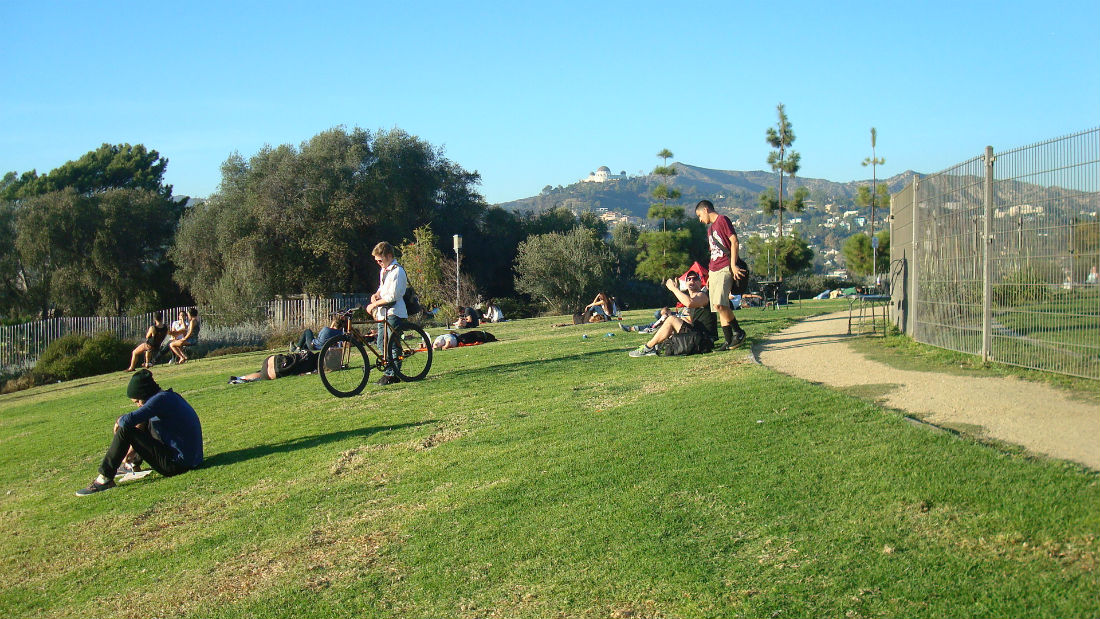
People on the grass at the western edge of the park.

People on the grass at the western edge of the park.

How to Find the LA River

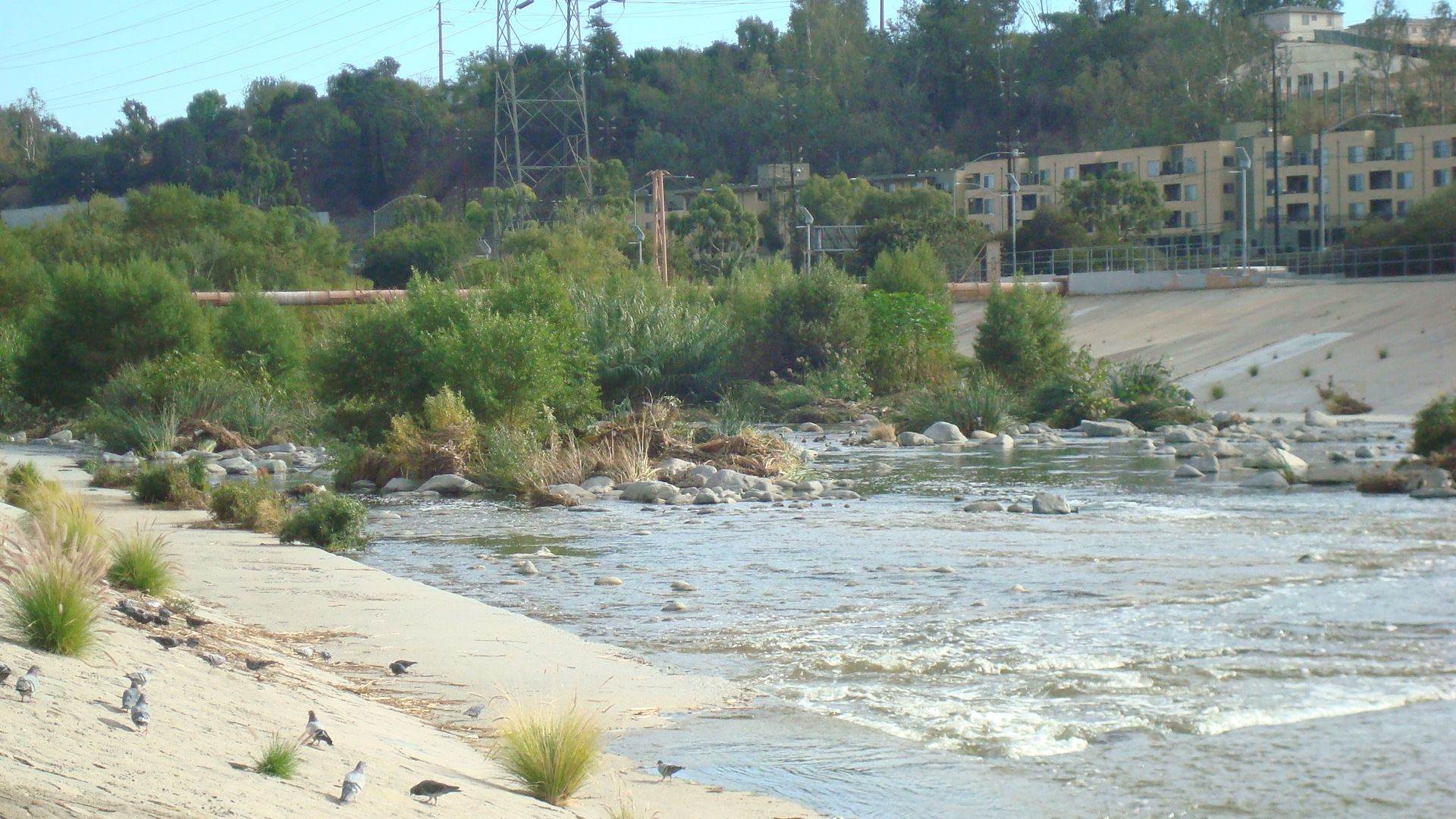
A view of the LA River in the late afternoon

A view of the LA River in the late afternoon

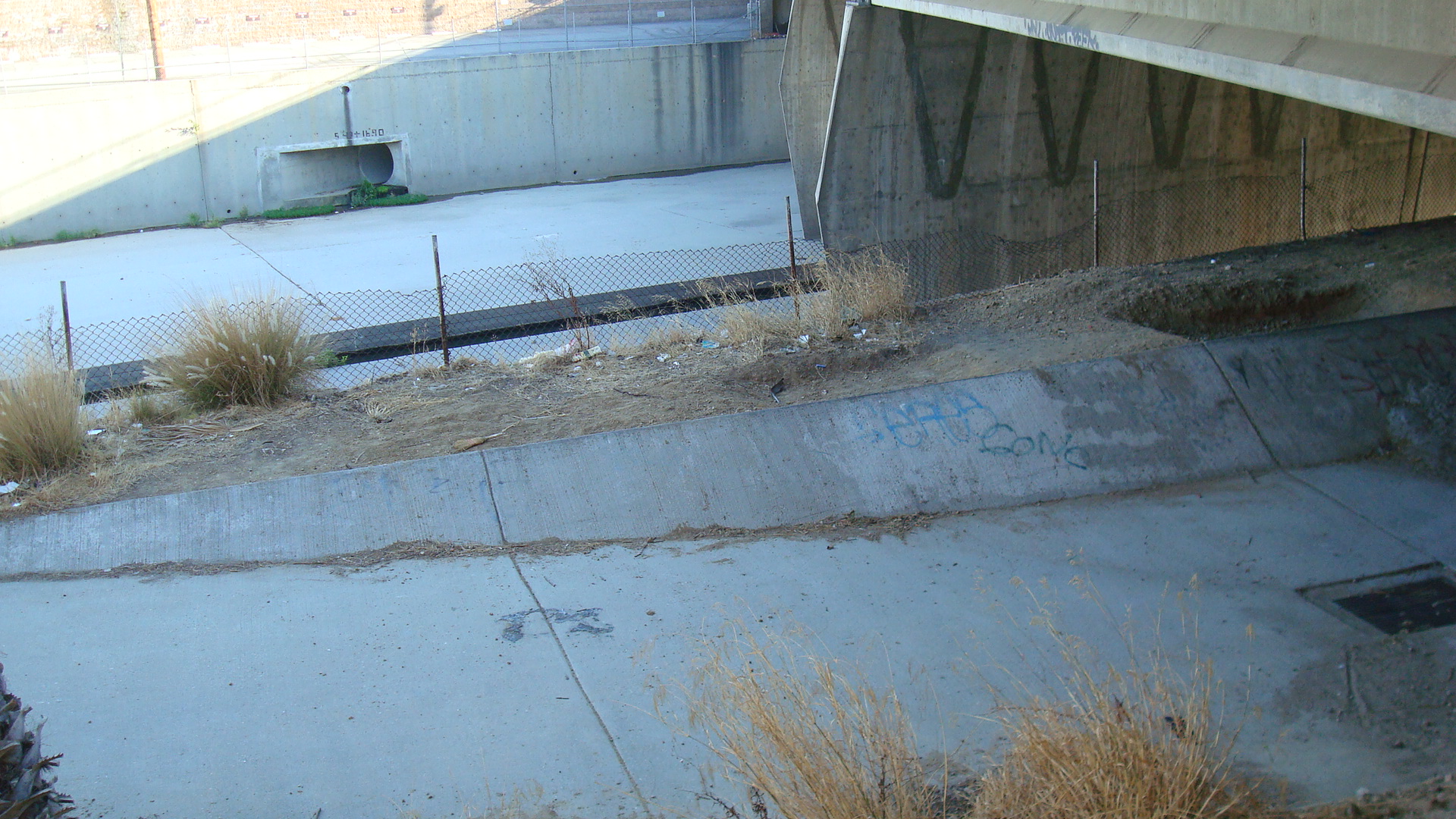
When I was a kid growing up in Burbank the LA River was a joke. It wasn’t a river at all. It was a huge concrete aqueduct with a tiny trickle of water running down the middle of it. Occasionally after heavy rains the water level would rise for a day or two. But it was nothing like the majestic waterways that flowed through other cities. It seemed like some kind of weird, synthetic excuse for a river, and it seemed perfectly in keeping with the image many people had of a LA as a weird, synthetic excuse for a city.

The LA River near Warner Bros. studios in Burbank

The LA River near Warner Bros. studios in Burbank

But over the years I’ve been hearing more and more about efforts to rethink the river. I understand now how important the LA River once was to the city, and I’m slowly beginning to realize how important it could be to LA’s future.

Back in the eighteenth century it was the source of water for the small settlement originally called El Pueblo de Nuestra Señora la Reina de Los Angeles. The river continued to provide most of LA’s water until the twentieth century, when the Owens Valley Aqueduct and the Colorado River Aqueduct were built. In the thirties, after a series of devastating floods, it was decided that the best thing to do with the LA River was encase it in cement. The US Army Corps of Engineers took charge, supervising one of the largest public works projects in US history. When it was done, the river had been transformed into a massive concrete channel.

But over the past twenty years or so, a growing number of people have been looking for ways to reclaim the river, to once again make it a vital part of the life of Los Angeles. It flows from Canoga Park across the Valley to the Glendale Narrows, and then winds through Downtown and continues all the way to Long Beach. In making that trip it is one of the few unifying factors in a city where residents often feel they have no connection to each other. It has the potential to become a vast linear park, winding its way through many of LA’s neighborhoods, providing a space where people could relax, enjoy themselves and connect with nature.

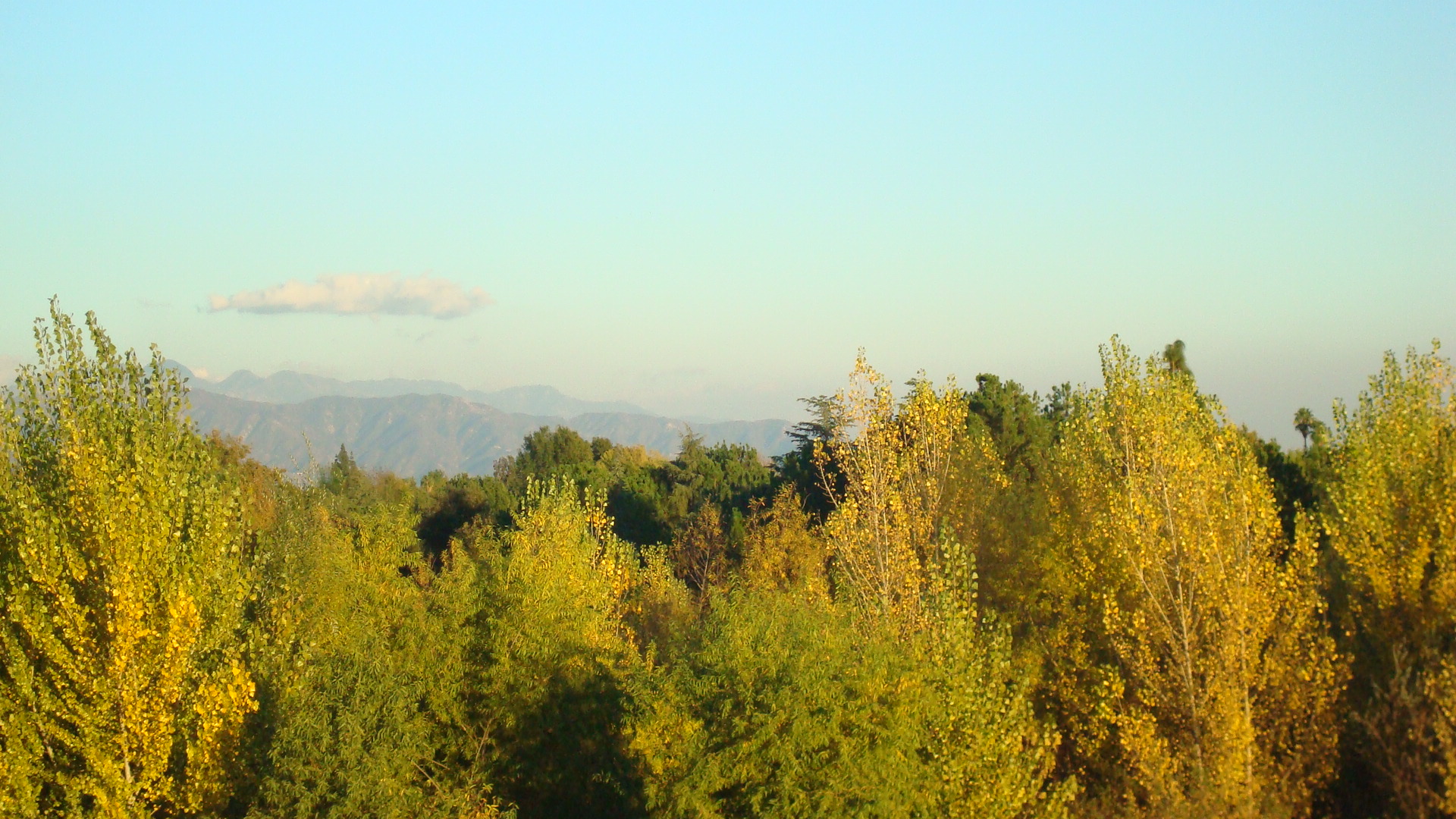
Lush greenery along the river as it runs through Griffith Park

Lush greenery along the river as it runs through Griffith Park

There are many groups involved in the effort to remake the river, but the one that’s been around the longest is Friends of the LA River.

FoLAR

If you’re interested in getting involved, there’s probably a group in your neighborhood that could put you to work.

A while ago I started taking photos of the river. It was an interesting exercise. I found that while the river has been there all my life, and I’ve crossed it at one point or another every day for decades, I’ve never taken the time to look at it. How many times did I drive past Balboa Park without ever realizing that the LA River runs right through it. I lived in Silverlake for a few years, and used the Hyperion Bridge regularly, but I never looked down to see what was below. And I’ve crossed the bridges east of downtown LA a million times, rarely pausing to take more than a glance at the river running underneath.

So if, like me, you haven’t paid much attention to the LA River, maybe you should take a walk down to the banks some time. You might be surprised at what you find.

Trees crowded around the river in Balboa Park

Trees crowded around the river in Balboa Park

Another shot of the park facing toward Balboa Blvd.

Another shot of the park facing toward Balboa Blvd.

Ducks on the river in Sherman Oaks

Ducks on the river in Sherman Oaks

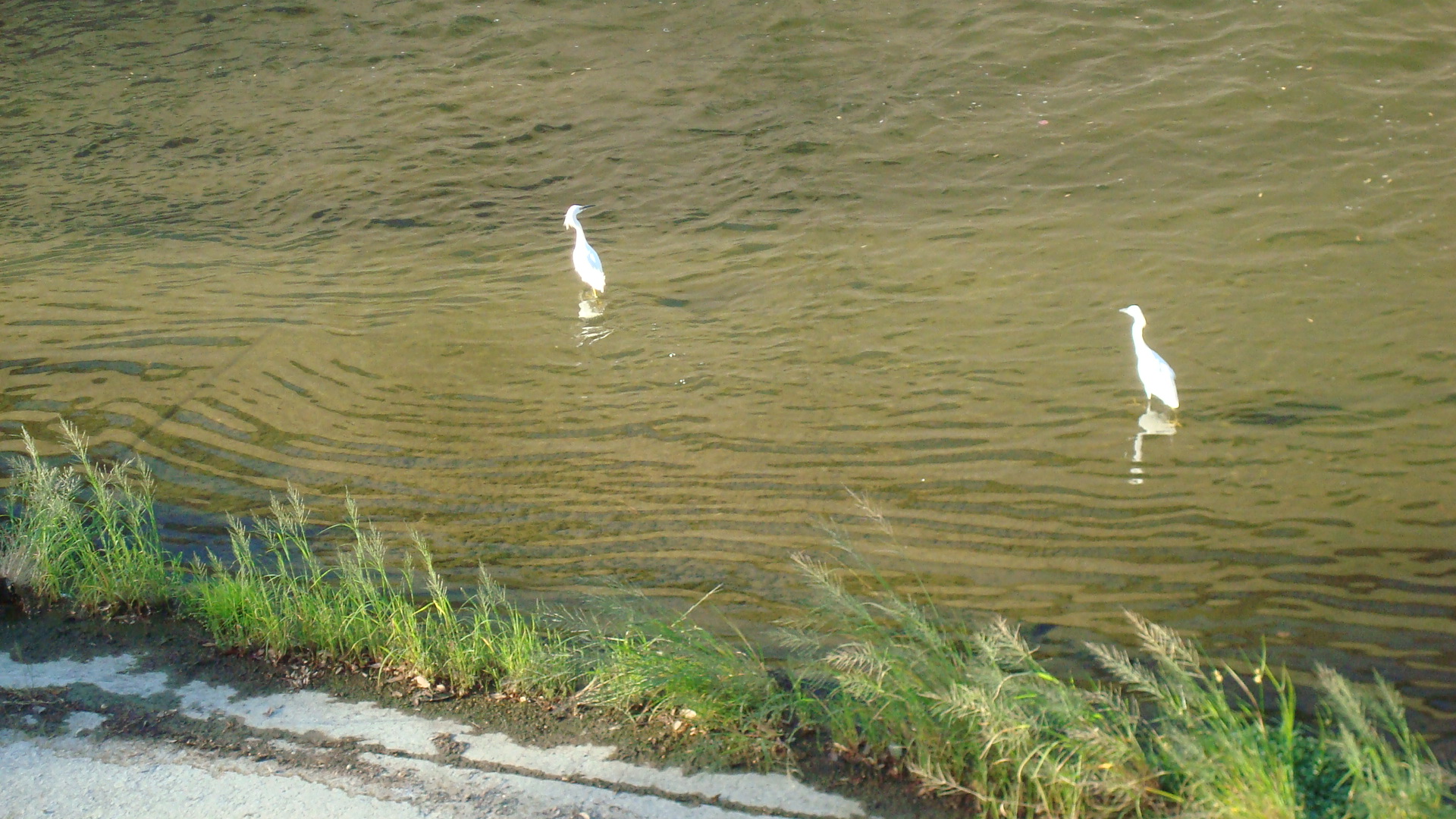
More birds on the river as it flows through Sherman Oaks

More birds on the river as it flows through Sherman Oaks

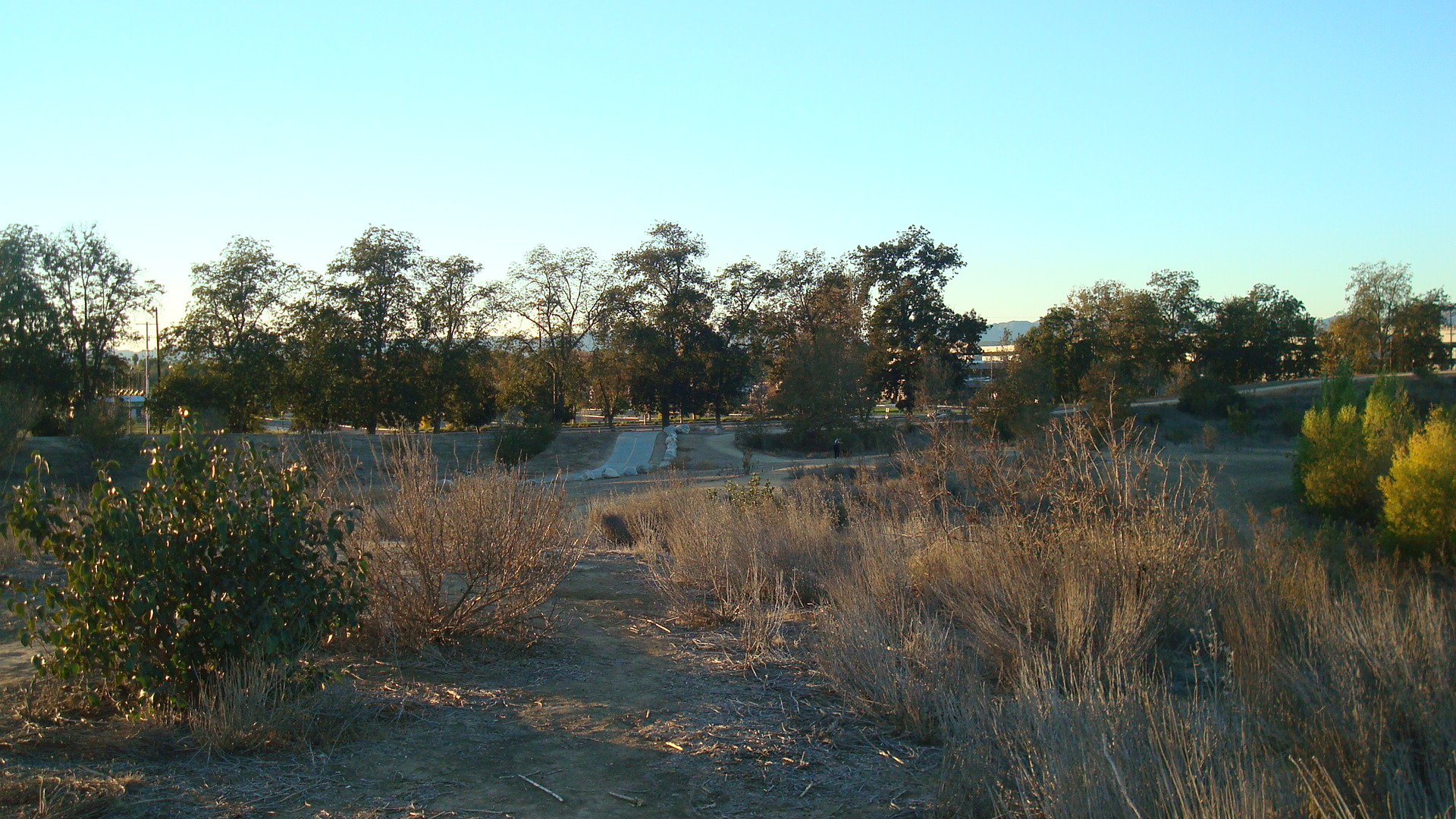
Another shot of the river on the edge of Griffith Park

Another shot of the river on the edge of Griffith Park

Facing west on the outskirts of Griffith Park

Facing west on the outskirts of Griffith Park

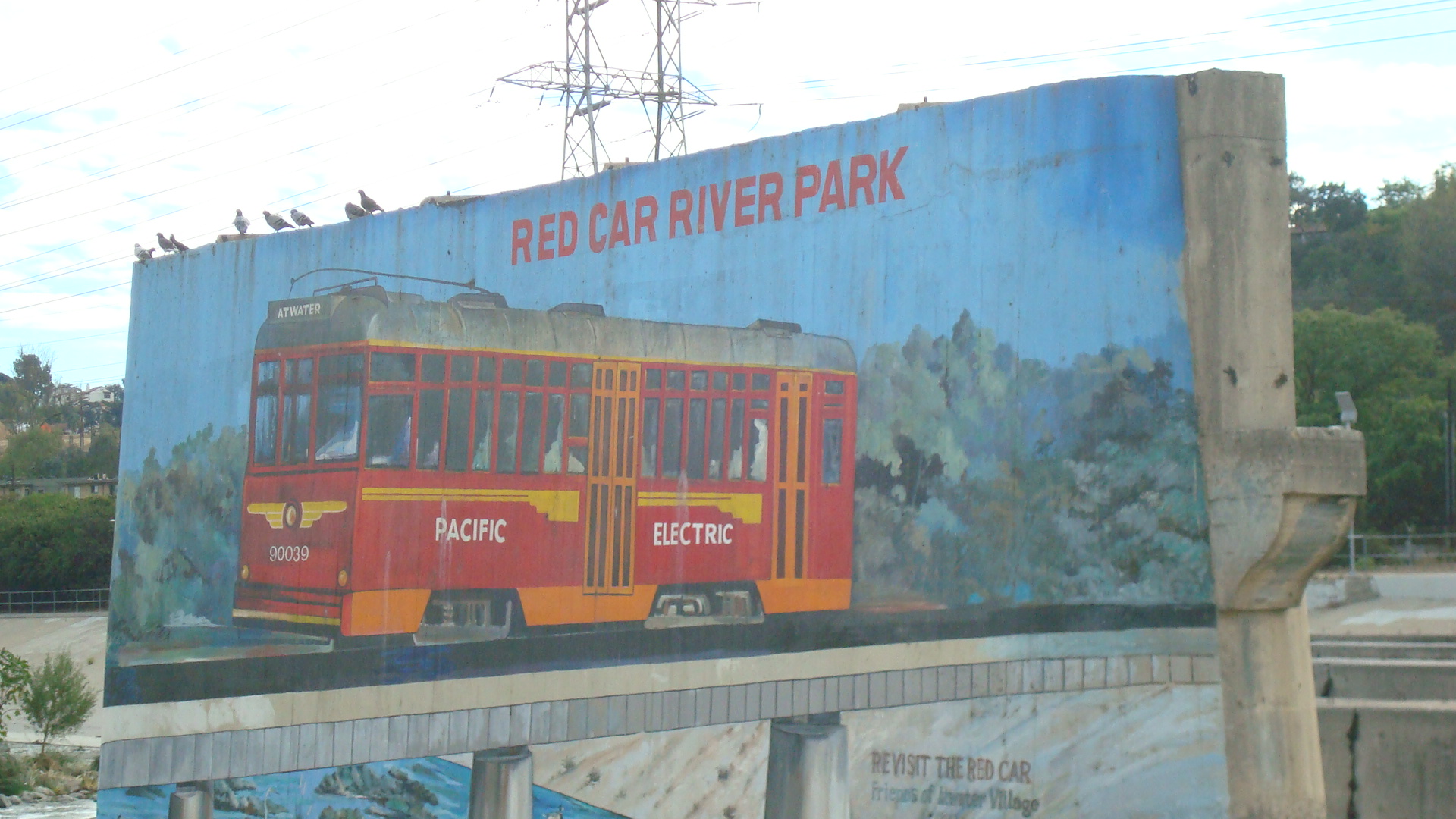
A mural marking a tiny, but cool, park in the Glendale Narrows

A mural marking a tiny, but cool, park in the Glendale Narrows

The Glendale Narrows, just below Atwater

The Glendale Narrows, just below Atwater

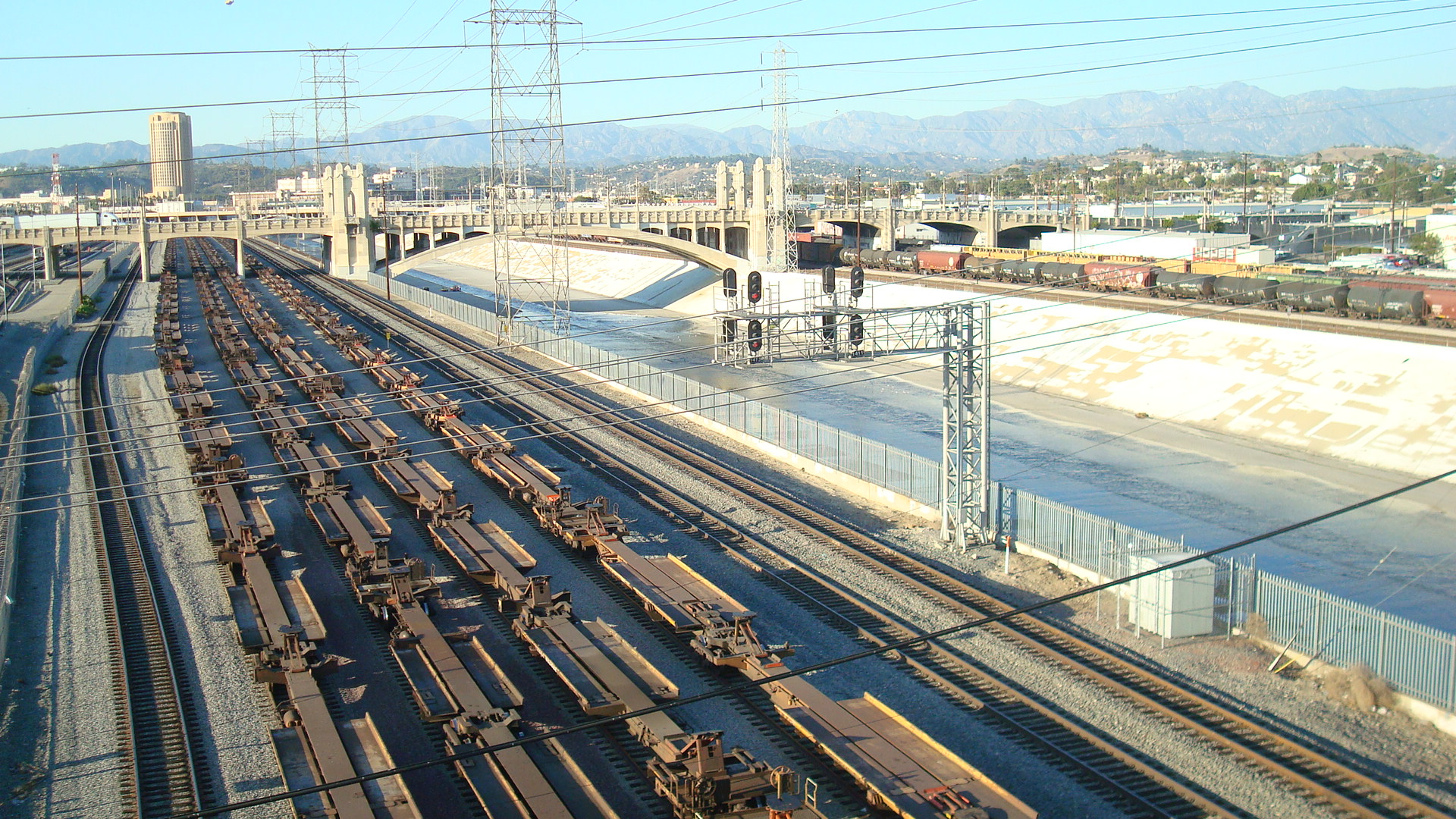
The river flowing past the railyards at the edge of Downtown LA

The river flowing past the railyards at the edge of Downtown LA

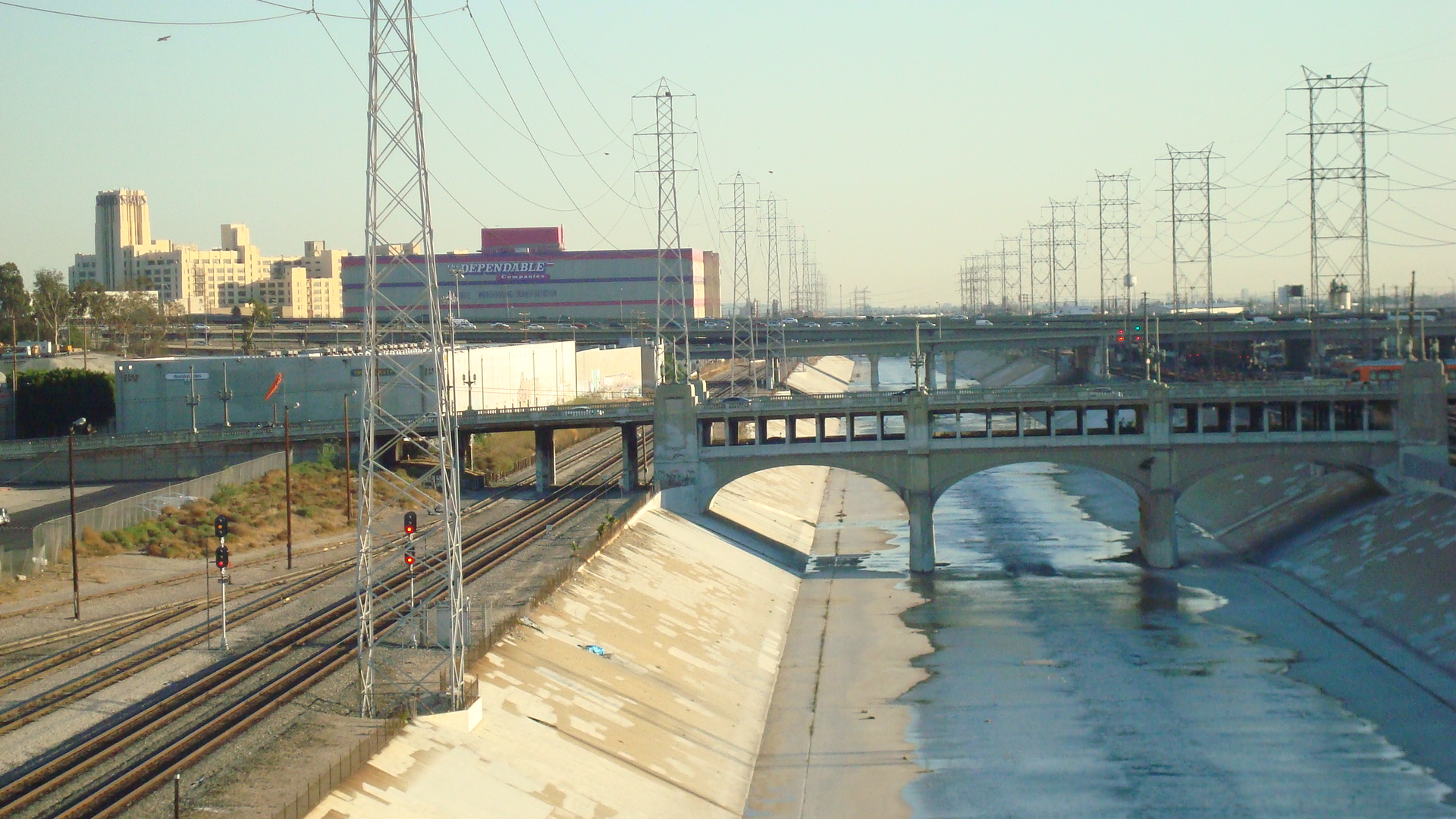
The river heading out of Downtown LA, on its way to Long Beach

The river heading out of Downtown LA, on its way to Long Beach

Hollywood Journal – Some Photos

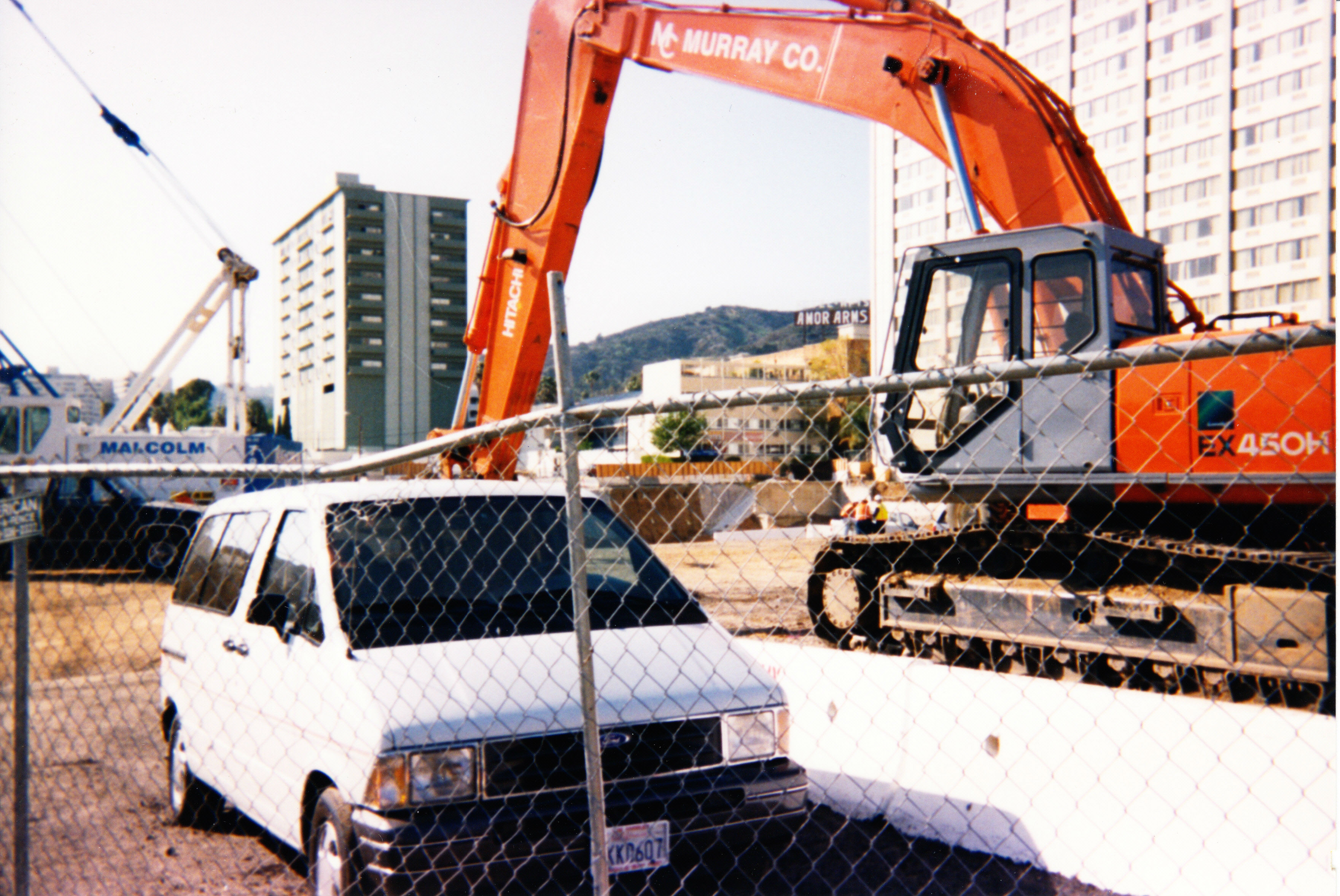
While I was keeping my Hollywood Journal, I tried to take photos to document some of the changes that were occurring. These were taken while the Hollywood & Highland Center was being constructed, and they sort of go along with the first entry I wrote (Hollywood Journal – Intro). Sorry the quality isn’t better. I’m not a great photographer, and these were taken with a disposable camera.

It’s important to remember that Hollywood & Highland was being built as the same time as the Red Line was under construction below Hollywood Boulevard. Because one of the subway stops is built into the complex, the two projects had to be done concurrently. It was a crazy time, because the construction of that stretch of the Red Line was a mess. Hollywood Boulevard sank six inches, in part because the contractor was was not following proper procedures during tunneling. It was reported that they were using telephone books instead of metal wedges to prop up the supports.

Construction site on Hollywood Boulevard.

Construction site on Hollywood Boulevard.

A different angle on the site.

A different angle on the site.

Above are two views of the construction site from Hollywood Boulevard. In both you can see part of the office building that used to stand on the northwest corner of Hollywood and Highland. Also, in the background you can see the former Holiday Inn, which is now Loews Hollywood Hotel. Those familiar with the area will notice that in those days it didn’t have the facade which was added back when it was known as the Renaissance.

Looking down Orchid to the El Capitan.

Looking down Orchid to the El Capitan.

This is a shot of the El Capitan from Orchid. This part of the street no longer exists, since it was closed off in order to construct Hollywood & Highland. You can still enter Orchid from the north on Franklin, but it no longer continues through to Hollywood Boulevard.

The Walk of Fame during construction.

The Walk of Fame during construction.

The stars on the sidewalk in front of the project were removed during construction, and then replaced when the project was finished.

Looking west on Hollywood Boulevard.

Looking west on Hollywood Boulevard.

Above is a shot looking west. It’s too bad the image isn’t very sharp, but you can see the remnants of a cool mural depicting whales in the ocean. It was painted on the side of the Chinese Theatres. Also, in the distance, you can see the Roosevelt Hotel.

The construction site, again facing west.

The construction site, again facing west.

Another shot of the construction site facing west.

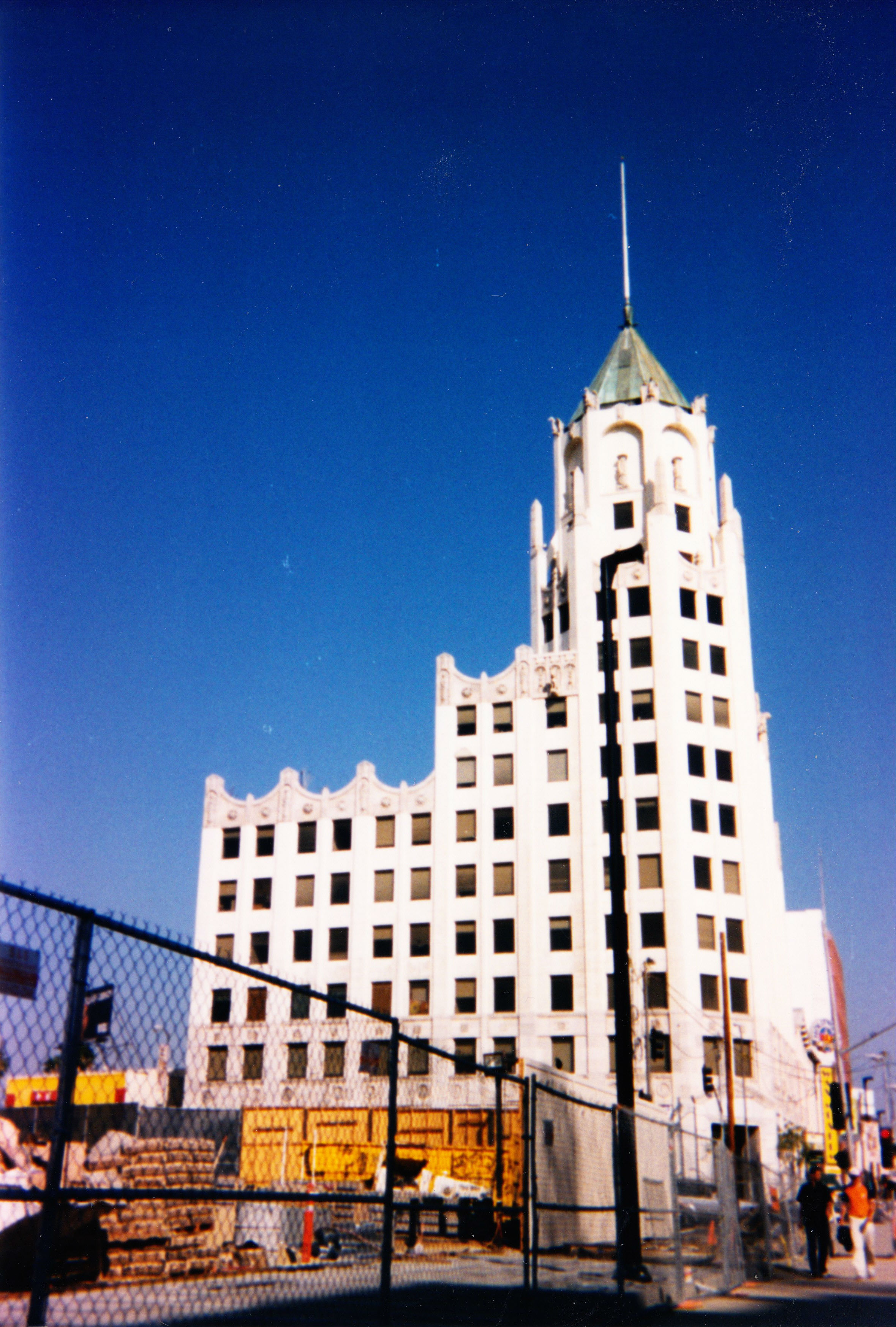
The First National Building stands alone against the sky.

The First National Building stands alone against the sky.

In the first two photos above you can see the office building that used to stand on the northwest corner of Hollywood and Highland. It had to be demolished to make way for the new mall, and I remember how its disappearance created this amazing sense of space. Before the new structure rose up, you had a mostly unobstructed view of the hills. And for a while the First National Building, which still stands today, seemed to tower over everything.

Looking across the construction site towards the El Capitan.

Looking across the construction site towards the El Capitan.

Another view of the construction site, looking towards the El Capitan.

Next to the Chinese Theatre, you can see the Chinese Two and Three, not long before demolition.

Next to the Chinese Theatre, you can see the Chinese Two and Three, not long before demolition.

During the eighties movie exhibitors began building multiplexes instead of stand-alone theatres. In order to compete, the company that owned the Chinese built two more auditoriums right next door, the Chinese Two and Three. They didn’t look like much from the outside, but they both offered large screens and excellent sound. When Hollywood & Highland was built these two theatres were demolished, and were replaced with six more inside the mall.

Old and New

DSC02587There were two things I’d been wanting to do for a while. The first was to visit the Natural History Museum to see their show on LA history. The second was to take some photos of the Sixth Street Bridge, which is slated to be demolished and replaced, although that may not happen for a while. So Tuesday morning I took the Red Line down to Seventh and Figueroa, where I transferred to the Expo Line. Pretty soon I was standing on the platform at the Exposition Park station.

It might have been twenty years or more since I’d been to Exposition Park. Walking toward the fountain at the center of the gardens was sort of like walking into the past. In part, that’s because of my memory of visiting the museums as a child. But also, the three buildings that border the park are massive reminders of the ornate, imposing architecture that was considered appropriate for museums a hundred years ago. In fact, the Natural History Museum is celebrating its one hundredth anniversary this year. Their web site offers a brief history, which you can read by clicking here.

The photo above shows the current entrance to the museum, which presents a modern facade. It’s an interesting contrast to the NHM’s original entrance, which is what you see in this next photo.

DSC02590

The exhibition I went to see, Becoming LA, was really good. The curators did a nice job of presenting the area’s multi-layered history, weaving together the threads of all the diverse groups that made the city what it is. Of course Becoming LA is just the latest in the recent onslaught of shows about Los Angeles. Local museums have been giving a lot of attention to the city in the past few years. I’m all in favor of highlighting LA’s art, culture, etc., but at times it seems like we’re crossing the line into bombastic self-promotion. Which, I guess, isn’t really that surprising.

After I was finished with the museum, I took the bus north on Vermont to Olympic, where I had to transfer. This put me right in the heart of Koreatown. There’s an interesting vibe in many parts of Koreatown, which I think has to do with the zillions of small businesses competing for your attention. There are numerous strip malls, and they all seem to be bursting with restaurants, karaoke bars, tech retail outlets, nail salons, etc.. Here’s one example….

DSC02609

But the look of Koreatown is changing. In the image below you’re looking up Vermont toward Wilshire, where you can see two high-rise towers that combine residential and retail. I understand some Koreatown residents aren’t too happy about the wave of high-density development that’s hitting their area. I doubt that bothers the City Council, though, and it certainly doesn’t bother Mayor Garcetti. They are all one hundred percent committed to serving the developers who put them in office. Click here for more info about this massive project.

DSC02625

The bus showed up and I got on. A few minutes later I got off at the end of the line, Sixth and Maple. I headed up Maple and over to Wall. As I was walking along, I heard a voice behind me.

“Excuse me. Are you a tourist?”

He must’ve seen the camera I was holding.

“No, I’ve lived in LA all my life.”

“Oh. Cuz I was just wondering if you knew this is a really horrible area.”

I laughed, but he had a point. The street was filled with people who were living on the sidewalk. The desperation was palpable. I can’t say I was really afraid, though. I spend a fair amount of time downtown, and I’ve walked through skid row now and again. If it was night, I probably would be worried. But in the harsh light of day, these people looked too beaten down, too demoralized, to be a threat.

We walked along together for a block or so. I told him I had the camera because I wanted to shoot photos of the Sixth Street Bridge. He knew the bridge was going to be replaced, but he felt it would be a long time before work actually started. Somehow we got talking about the LA City Council, and we both agreed they have absolutely no respect for the law. Interesting how the one thing that seems to bind Angelenos together is our absolute distrust of the people at City Hall.

Then we went our separate ways. I headed over to Little Tokyo for a bowl of udon and a beer. Then I started walking down Central to Sixth.

It was late afternoon. The streets were mostly deserted. There were few cars and fewer people. I walked past the Woori Market’s empty parking lot. It’s been closed for a while. There were large warehouses, like Los Angeles Cold Storage. A couple small restaurants. A lot of places have security fences, and a few were topped with barbed wire.

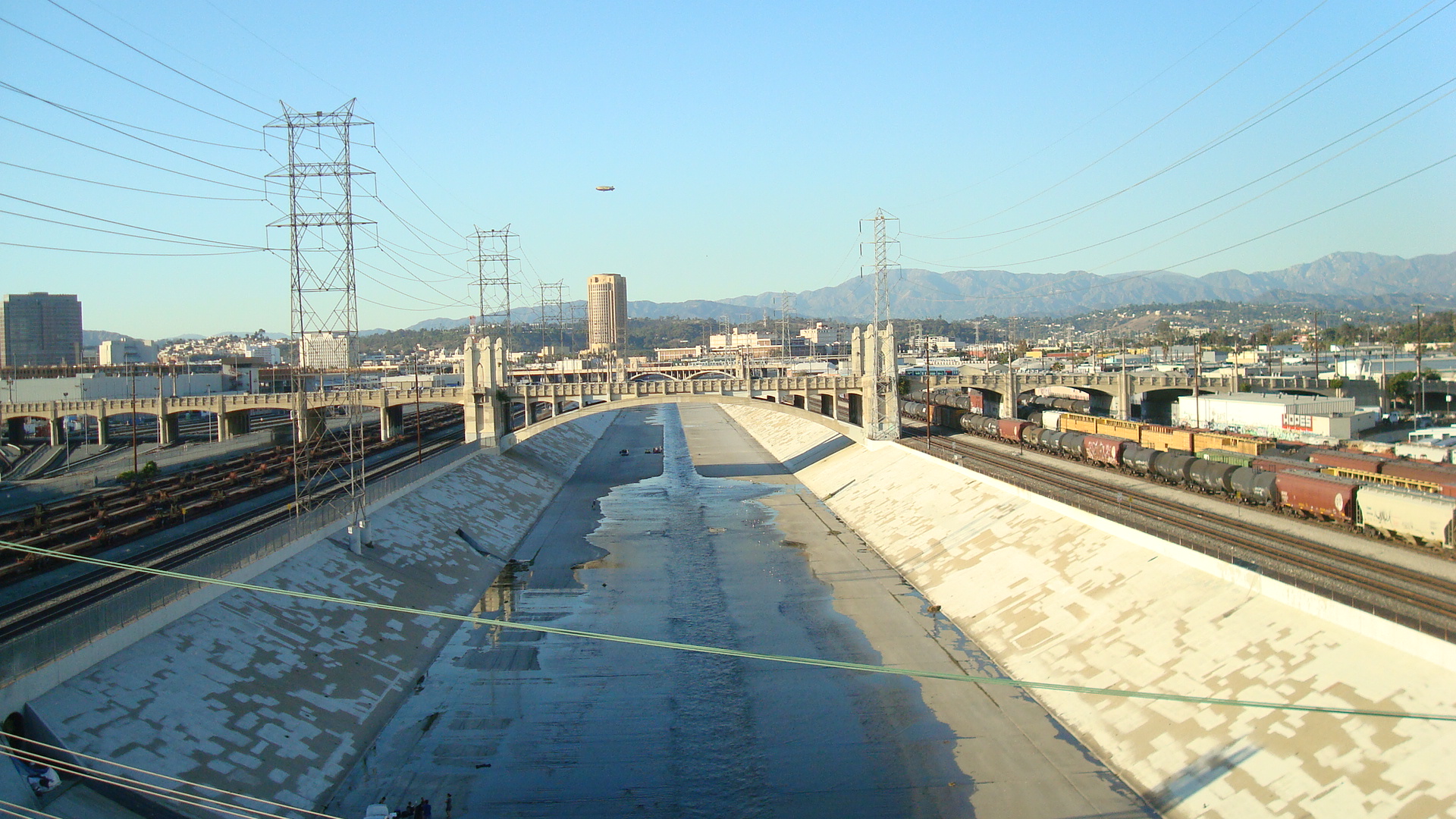
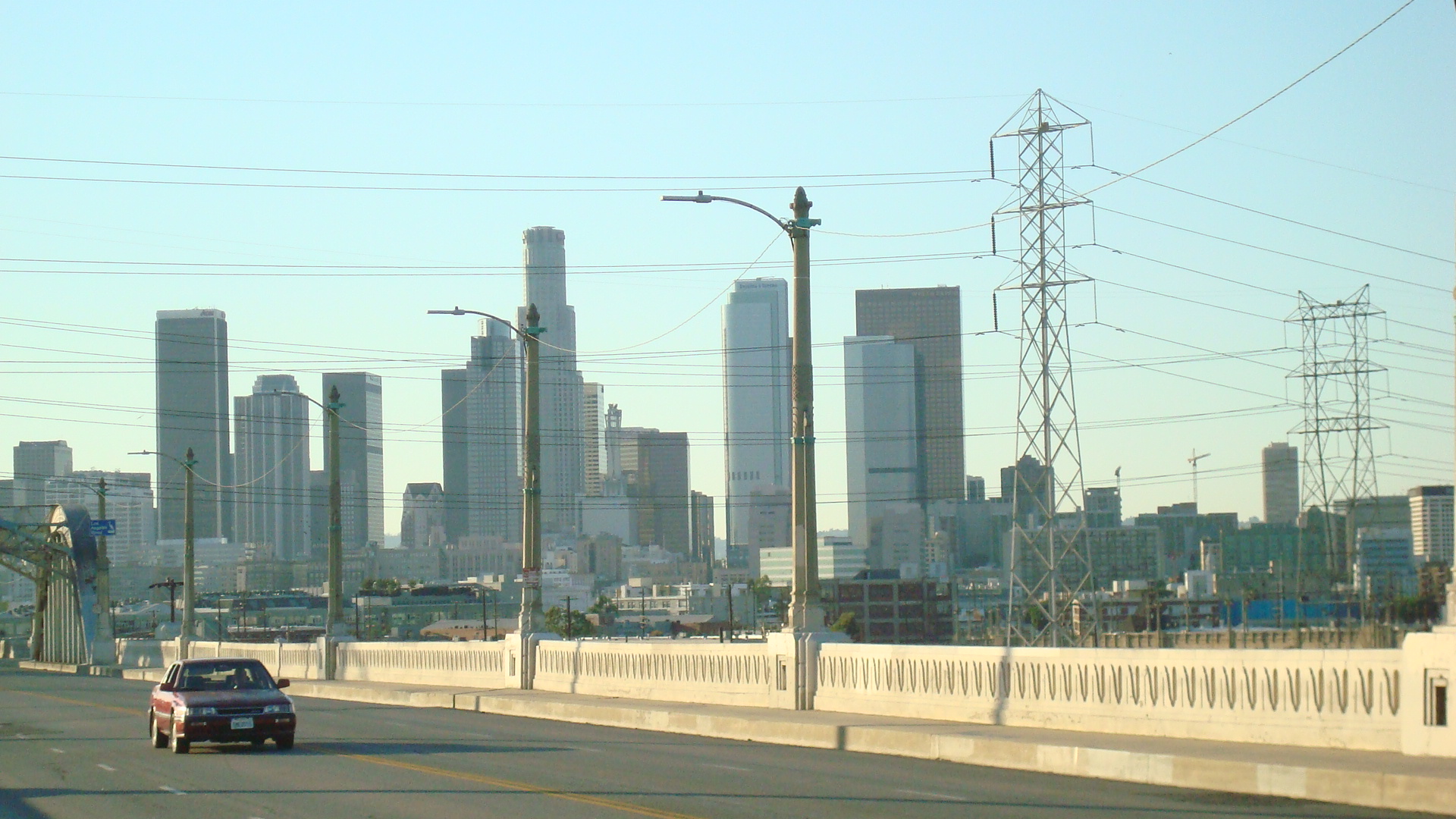
The bridge rises up over the warehouses and the railroad tracks. As you get near the mid-point, the landscape below stretches out for miles in every direction. Here’s a shot of the bridge looking back toward downtown.

DSC02655

And here’s another looking down on the LA River.

DSC02651

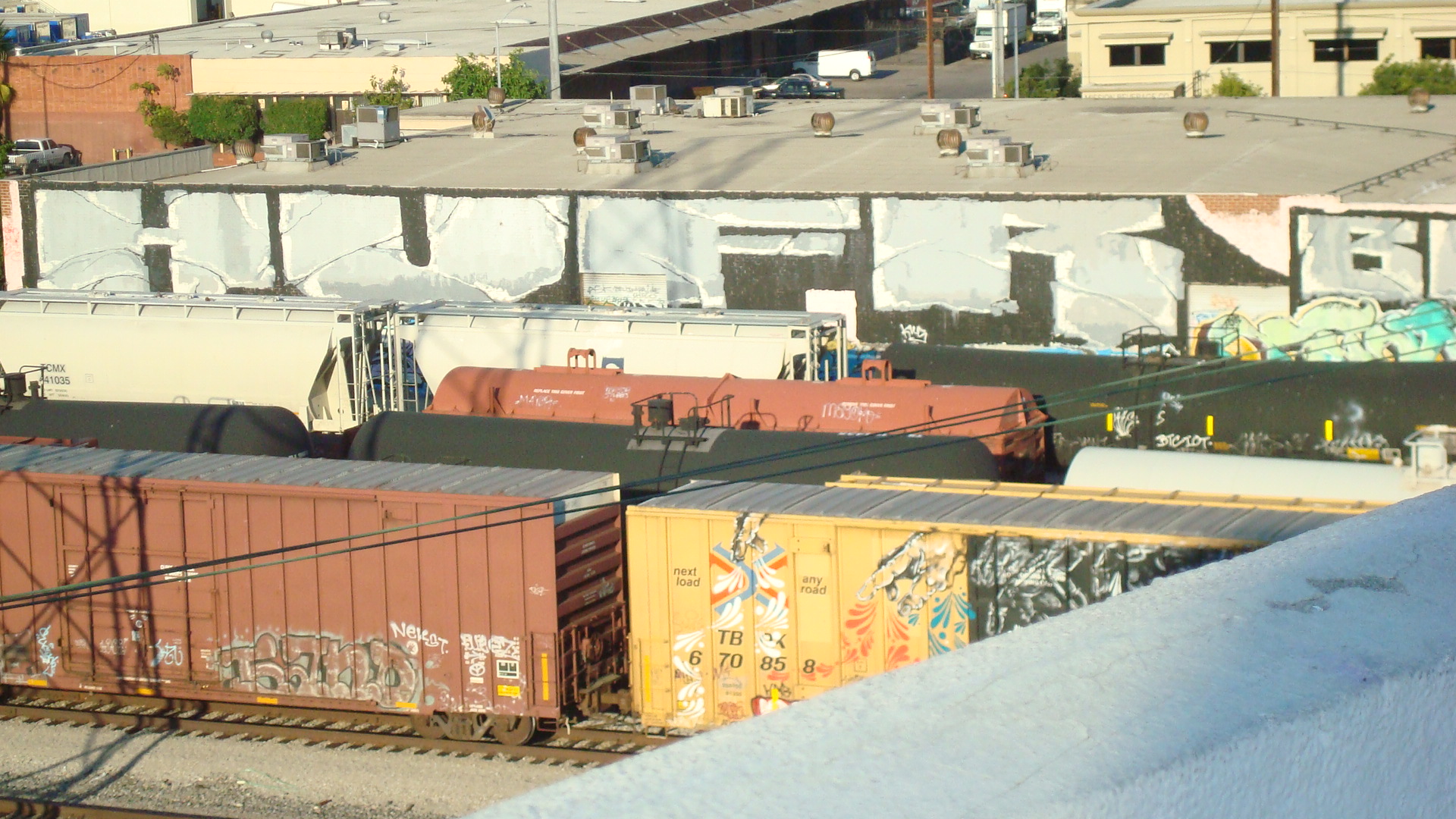
Freight cars covered with graffiti sit lined up below.

DSC02650

And here’s another shot of the downtown area.

DSC02666

On the other side of the bridge, Sixth Street becomes Whittier Blvd., which leads you into Boyle Heights. I waited for the bus in front of Carnitas Michoacán #3, which seemed to be doing steady business. And then the seven twenty showed up to take me home.

L.A. Aqueduct Centennial

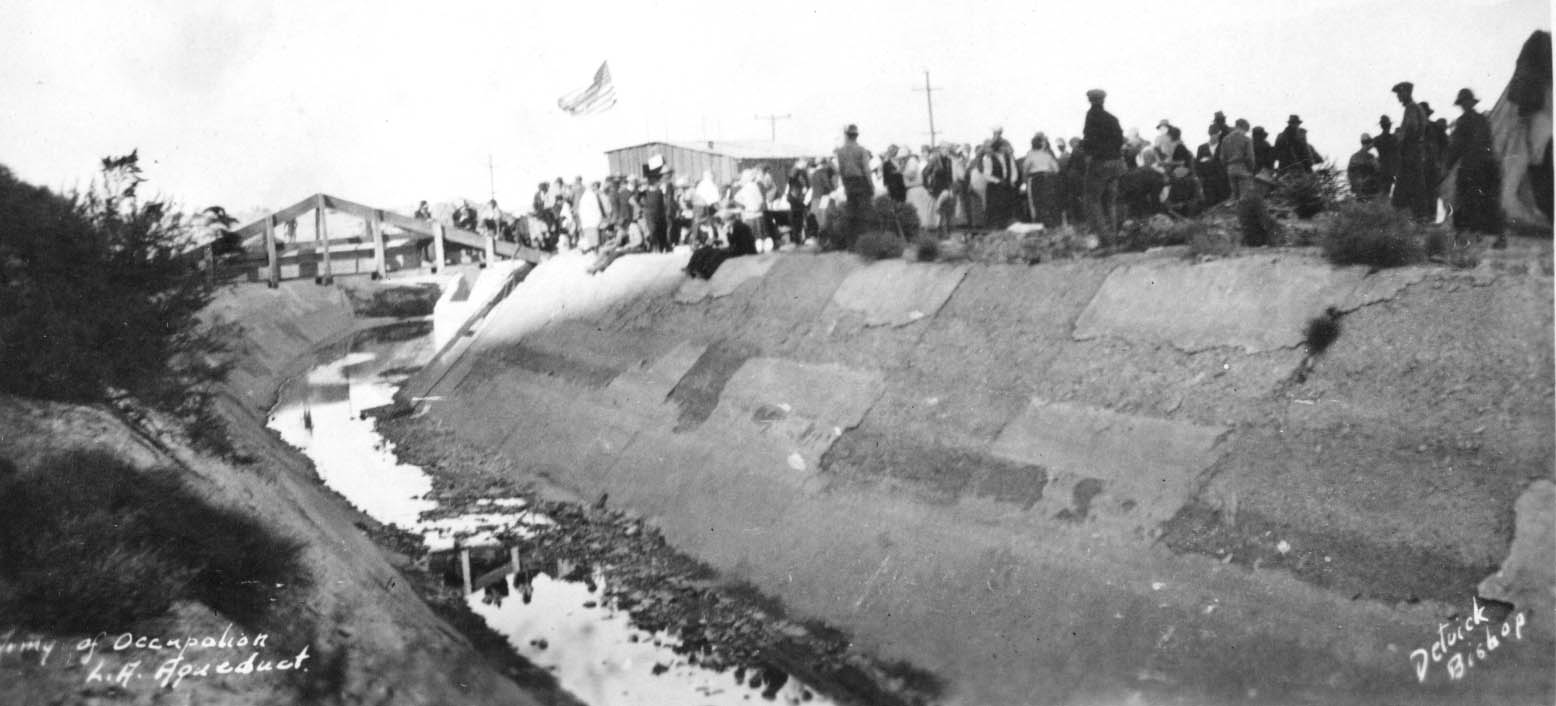
aqueduct13

In case you haven’t heard, and I hadn’t until just recently, this year marks the one hundredth anniversary of the construction of the LA Aqueduct. This project was a major turning point in the city’s history. Without the water provided by the Aqueduct, LA never would have grown the way it did.

The LADWP has set up a web site as part of its effort to commemorate the Aqueduct’s centennial. It contains lots of interesting info, and lists numerous events that are tied to the celebration. Just click on the link below.

LA Aqueduct 100

Change Is the Only Constant at LACMA

A view of LACMA as it was in the sixties

A view of LACMA as it was in the sixties

The Los Angeles County Museum of Art is undergoing some major changes. Swiss architect Peter Zumthor has been commissioned to design a completely new campus for the museum. All of the original structures, plus the Anderson Building (now the Art of the Americas Building) will be demolished to make way for a brand new campus.

It makes sense. Over the years LACMA has become kind of a cluttered mess. I loved the original Pereira design, three unobtrusive modern structures surrounding a spacious plaza. To my mind the addition of the Anderson Building in the mid-eighties was a huge mistake. Sure, it was great to have the extra square footage for exhibitions, but the building itself was awful. The central plaza was taken away, and a blandly oppressive façade now towered over the sidewalk at the Wilshire entrance. Two years later they added the Japanese Pavilion, which I have mixed feeling about. Inside, it’s a great space for displaying art and artifacts. Outside, it’s just kind of weird and tacky, and adds to the general visual confusion.

So I totally understand why the LACMA Board wants to start over, more or less from scratch. Zumthor’s design is pretty interesting. Below is a link to a slide show on LACMA’s web site.

Peter Zumthor Reconsiders LACMA

There are a lot of good ideas here. I love the fact that the design allows for more interaction with the surrounding park. And I’m really intrigued by the concept of storing art in areas that would allow for public viewing day or night, all year round. This could turn out to be pretty cool….

But I couldn’t find any information on LACMA’s web site about when all this is going to happen. Making Zumthor’s design a reality will be a huge undertaking. The first step will be to demolish the four buildings that make up the core of the campus. And my guess is that it would take at least a couple years to complete the new structure. Which means LACMA’s exhibitions would be confined to the BCAM and the Resnick Pavilion for quite a while, although they might also look for a temporary space.

Big ambitious projects like this often sound really exciting in the planning stages. Then, when you start trying to figure out how to actually make it happen, the excitement fades as people realize what a huge challenge it will be. But I hope they can pull it off. This could take LACMA to a new level.

Hollywood Journal – The Egyptian

The Egyptian Theatre, Hollywood’s first movie palace, opened in nineteen twenty two with Robin Hood, starring Douglas Fairbanks. Over the years its fortunes rose and fell along with the rest of Hollywood Boulevard. I started going to the Egyptian around nineteen seventy. My friend Paul took me there to see 2001. It blew me away.

I saw many more films at the Egyptian throughout the seventies and eighties, but by the early nineties the theatre was in bad shape. It closed in ninety two. After the Northridge earthquake in ninety four, I was walking past the rear of the auditorium and saw a gaping hole in the wall. I was sure they’d tear it down and put up a mini-mall.

Fortunately, the American Cinematheque bought the Egyptian from the City of LA a few years later, and it reopened in nineteen ninety eight. Hodgetts + Fung was the firm in charge of the renovation/restoration. This journal entry was written around the time they were finishing up.

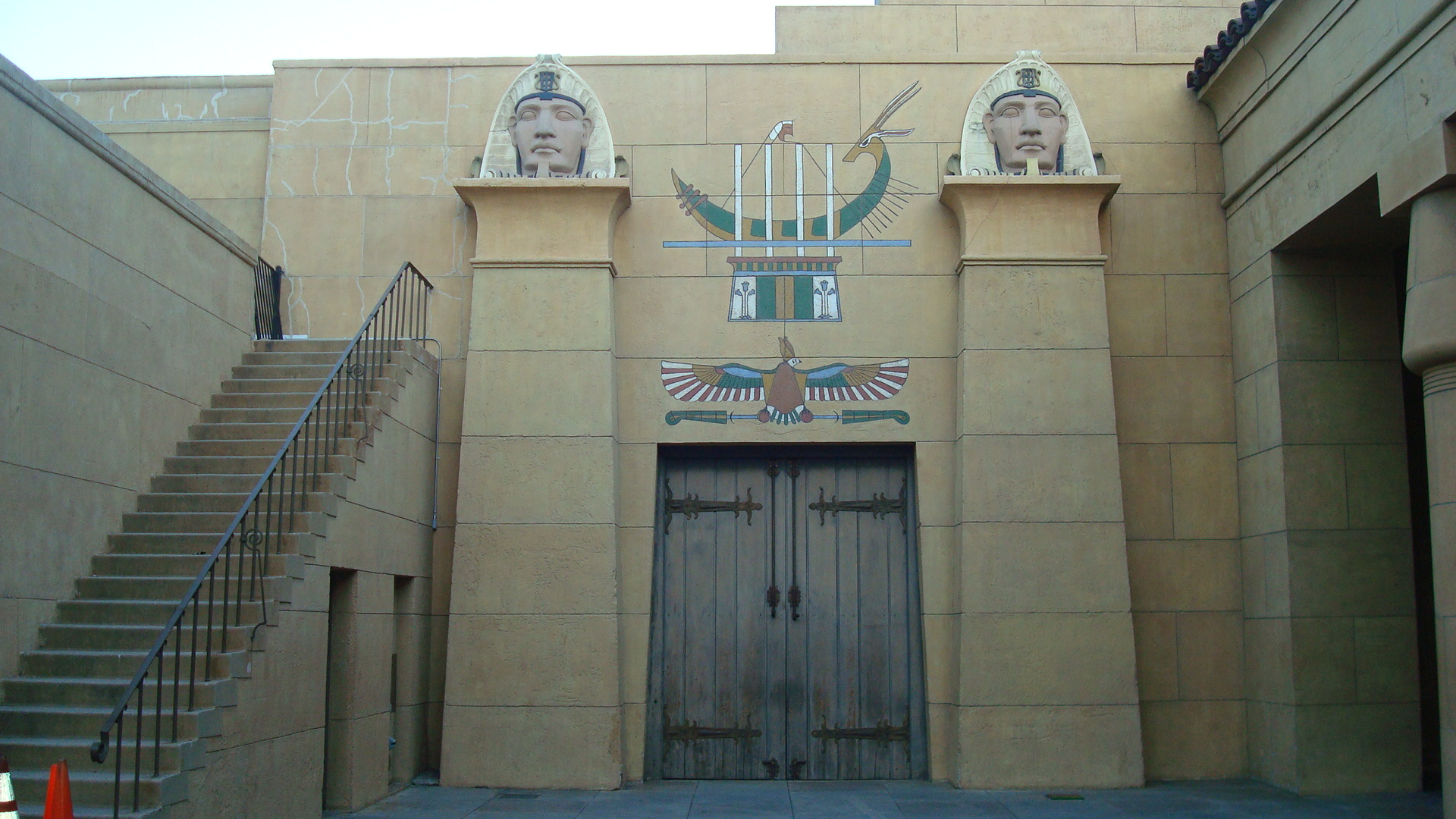
The photo below is not from the nineties. It was just taken recently.

DSC02060

December, Nineteen Ninety Eight

A cold, windy day in Hollywood. But still a lot of people out and about. The coffee house I’m sitting in seems to be doing good business.

On my way over here I went by the Egyptian. In fact, I walked into the courtyard. It’s open again. They’ve finally finished their renovation or restoration or whatever they’re calling it. My feelings were mixed. On one hand, yeah, I’m glad it’s open and I’m glad it’s being used as a theatre instead of a swap meet.

On the other hand I can’t say I’m crazy about the finished product. Even though they’ve obviously gone to a lot of trouble to restore certain features of the original design. I feel like they’ve ended up with self-conscious kitsch. But I should wait till I’ve seen the inside before I make any rash judgments.

It’s gotta be hard for an architect working on a project like this. The original Egyptian wasn’t a masterpiece of design. It was impressive, theatrical kitsch that overwhelmed you with its size. And god, it was a great place to see movies. Brian says when the Times reviewed the restored building they didn’t even mention that the auditorium is much smaller than it used to be.

Hollywood Journal – Leave the Dome Alone

Another entry from my Hollywood journal, this one very brief.

The wrangling over Pacific Theaters’ plans for the Cinerama Dome continues. There was a good deal of anger in the Hollywood community over the proposed project. The Community Redevelopment Agency had received letters of protest from over a hundred concerned citizens, including Steven Spielberg and Richard Schickel. And the people at Pacific had started paying attention.

I also mention a couple of record stores I used to frequent. Eastside was in a strip-mall on Hillhurst. It’s long gone now. Record Recycler was on Sunset near Vermont. It’s actually still around, though it hasn’t been at that location for years. The owner moved the store down to Torrance. Those of you who are into used vinyl can get more info by clicking here.

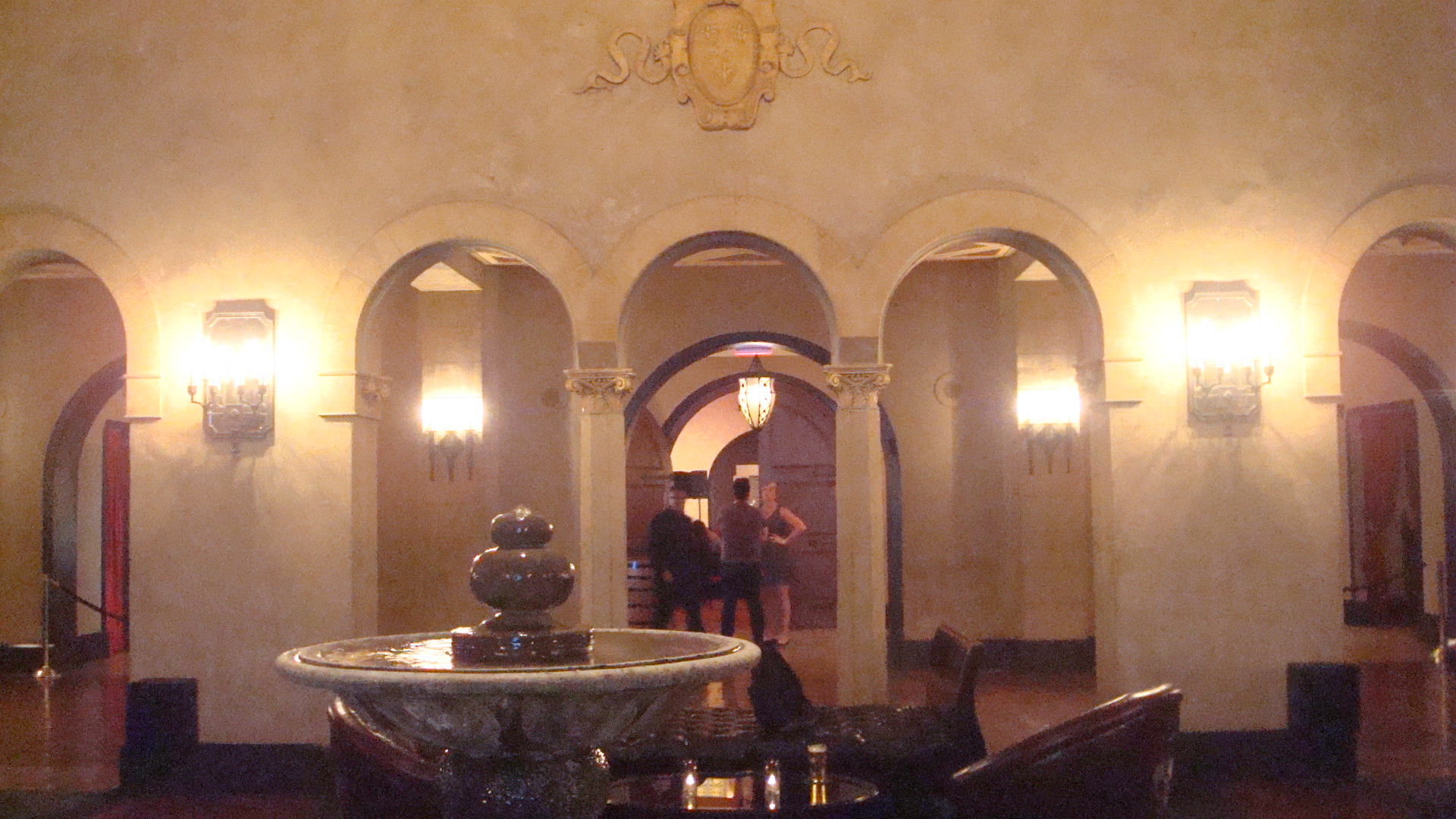
For a while I was in the habit of hitting the Roosevelt Hotel for a drink at the end of the day. I loved zoning out in the lobby and listening to the guy at the piano. Totally relaxing. I should point out that the photo below was not taken at the time I wrote this journal entry. I snapped it on a recent visit. I wanted to show a little bit of the Roosevelt lobby, but it’s important to say that it’s been remodeled since this entry was written.

And finally, in transcribing this journal I’ve decided to leave the errors in, which is why “Roosevelt” is misspelled in the last paragraph.

June, Nineteen Ninety Eight

Yesterday I called Pacific Theaters again to see if there was any change in the Cinerama Dome situation. And apparently, yeah, they’ve made some concessions. It’s still hard to say whether this so-called remodeling is gonna work out okay, but from what the woman told me, it sounds like they’re finally thinking a little bit about design. I heard they were talking to the L.A. Conservancy. Thank God for the Conservancy.

This afternoon I went and bought some records, first at Eastside, then at Record Recycler.

A little after six I walked into the lobby of the Rooseveldt. Ordered a beer. Sat down in a chair over by the piano. The guy actually played Three Coins in the Fountain. Mercy.

Rsvt Lobby

A Walk Around Downtown

As many people have pointed out, LA is different than most major cities. New York, Chicago, and San Francisco all have suburbs surrounding them, but people still go downtown for work, shopping, entertainment. Years ago that was also true of LA. When I was a kid my dad worked downtown, and we went there regularly for one reason or another. But over time the suburbs kept spreading farther outward, and many of them gradually became self-contained communities. There are a lot of people who live in LA who have never been downtown. What’s more, they don’t ever want to go there.

I love downtown LA. I go there often. Last month I made a couple trips downtown with a camera. What follows is a record of my ramble through the city center. So if you’re too busy or too tired or too scared to make the trip yourself, this will give you a taste of what you’re missing.

I started by taking the subway to Union Station. The photo above shows the main entrance. I was hoping to include a link with photos of the interior, but I couldn’t find a single site that did it justice. You can, however, just search for images of Union Station. There are many of them on the net. Trust me, it’s worth taking a look.

Olvera Y

Right across from Union Station is Olvera Street. Sure, it’s a tourist trap, but it’s the coolest tourist trap I know of. You may have to fight your way through the crowd, but there are some restaurants that are worth the trouble. And it’s part of the historic core of LA. Among other things, you’ll find the Avila Adobe, the oldest building in the city.
Plaza Y

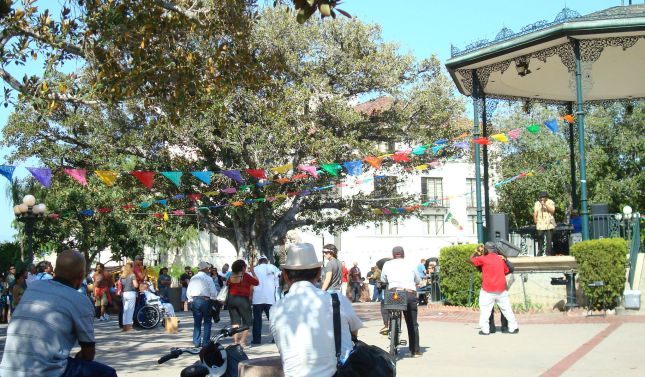
Right next door to Olvera Street is the plaza that sits at the center of El Pueblo de Los Angeles, a state historic park. The plaza is surrounded by a number buildings that date back to the nineteenth century, when this was the center of activity in the city.
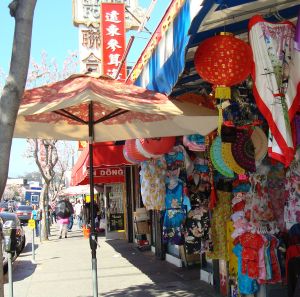
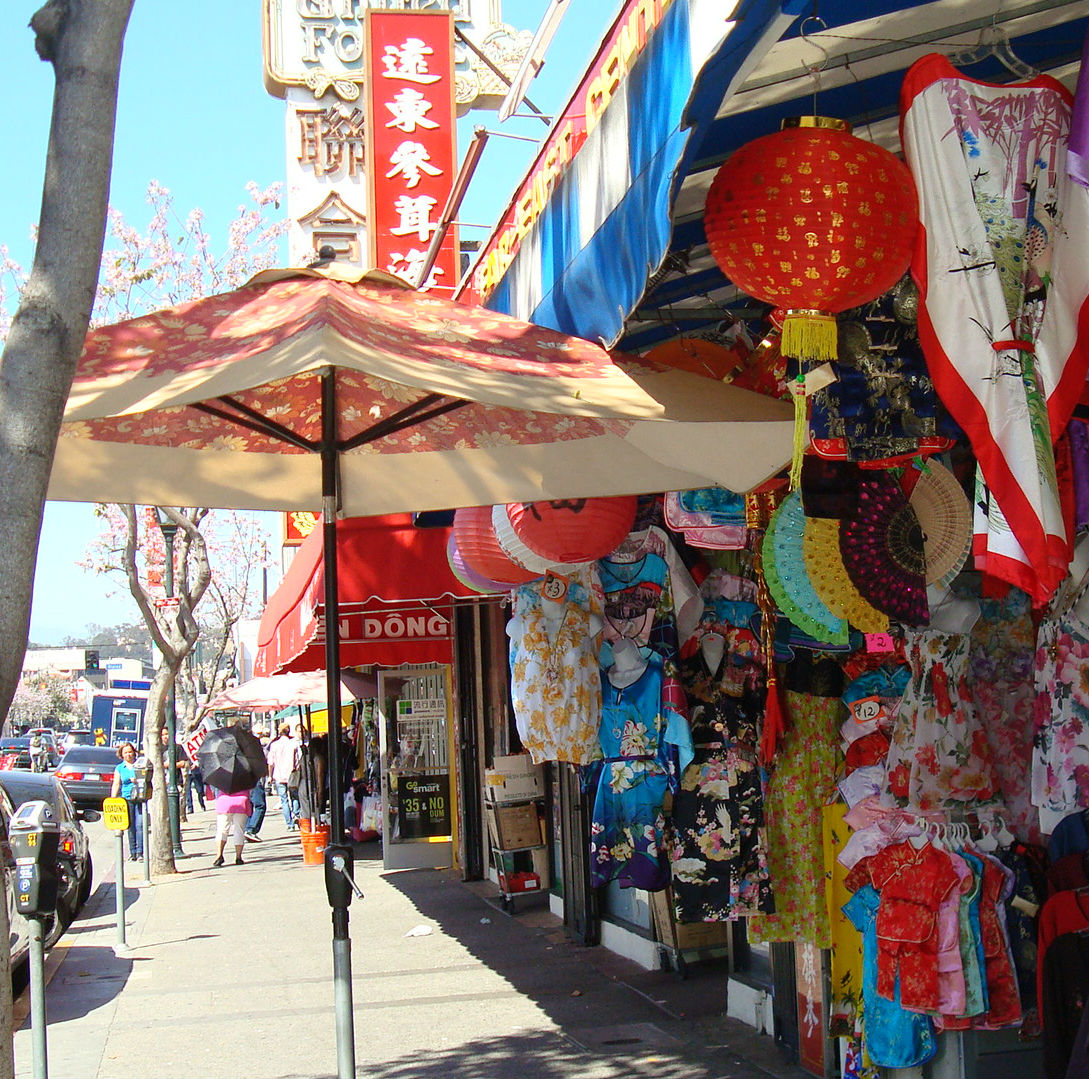
Chinatown 1 YIt won’t surprise you to learn that Chinatown got its name because it was home to a large Chinese community. These days, though, the name may be misleading since the area seems to be mostly drawing immigrants from Vietnam and Thailand. Now the largest Chinese communities are located in the San Gabriel Valley. Walking along Broadway, I have to say my impression was that the area is past its prime, but I see that some interesting events are taking place there in the next few months. Maybe I just caught Chinatown on a slow day.
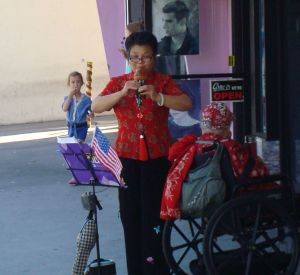
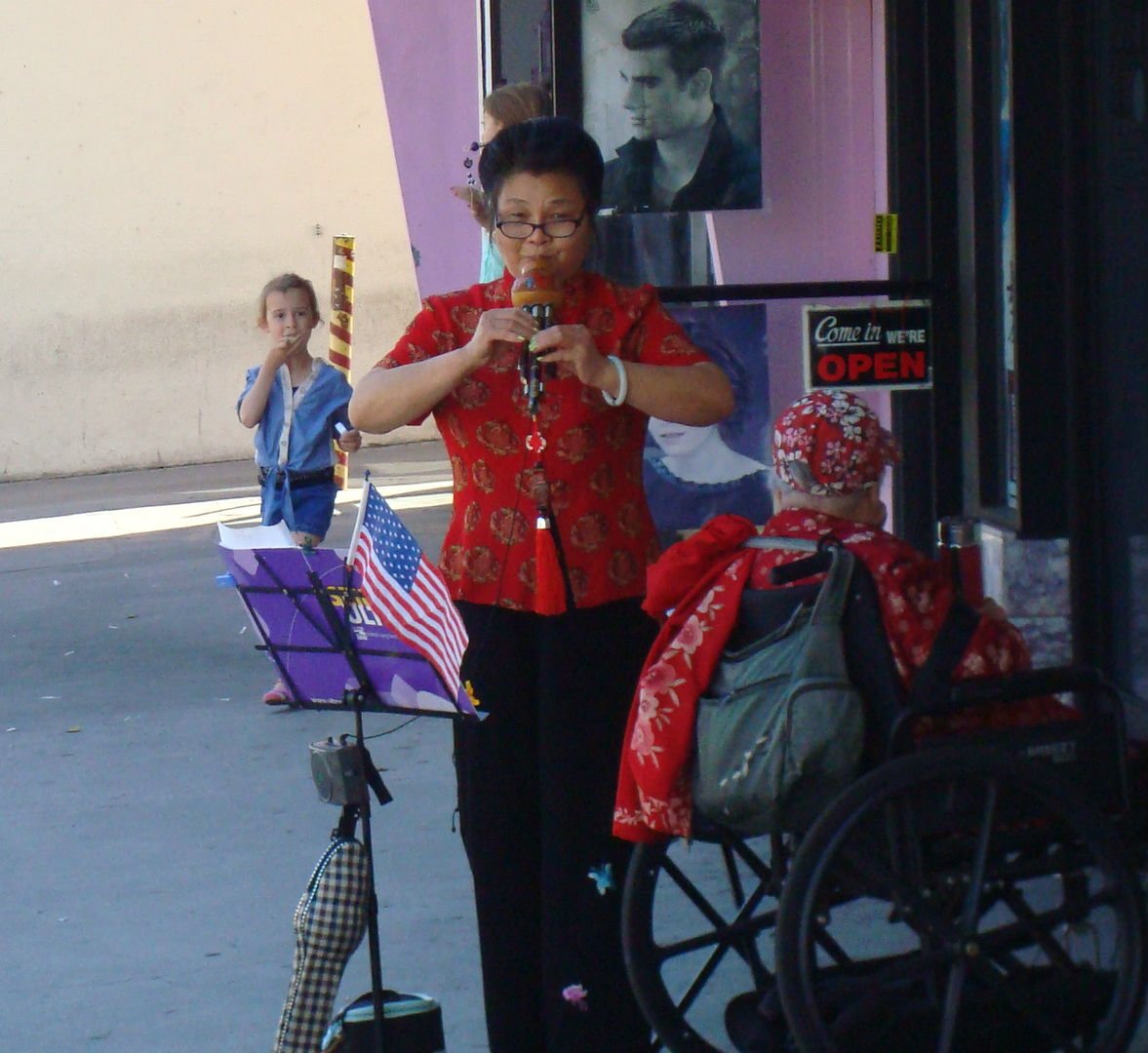
Musician YThis is an image of a woman playing traditional Chinese music. I passed another street musician, an older man, singing songs that sounded like they must have come from the old country. Sadly, these people are part of a dwindling minority. My impression is that even in China traditional music is quickly being forgotten as people rush to embrace pop, rap and techno. It’s frightening how Western pop culture buries everything it can’t market. When this older generation dies off, will there be anyone left to sing the old songs?

Tents

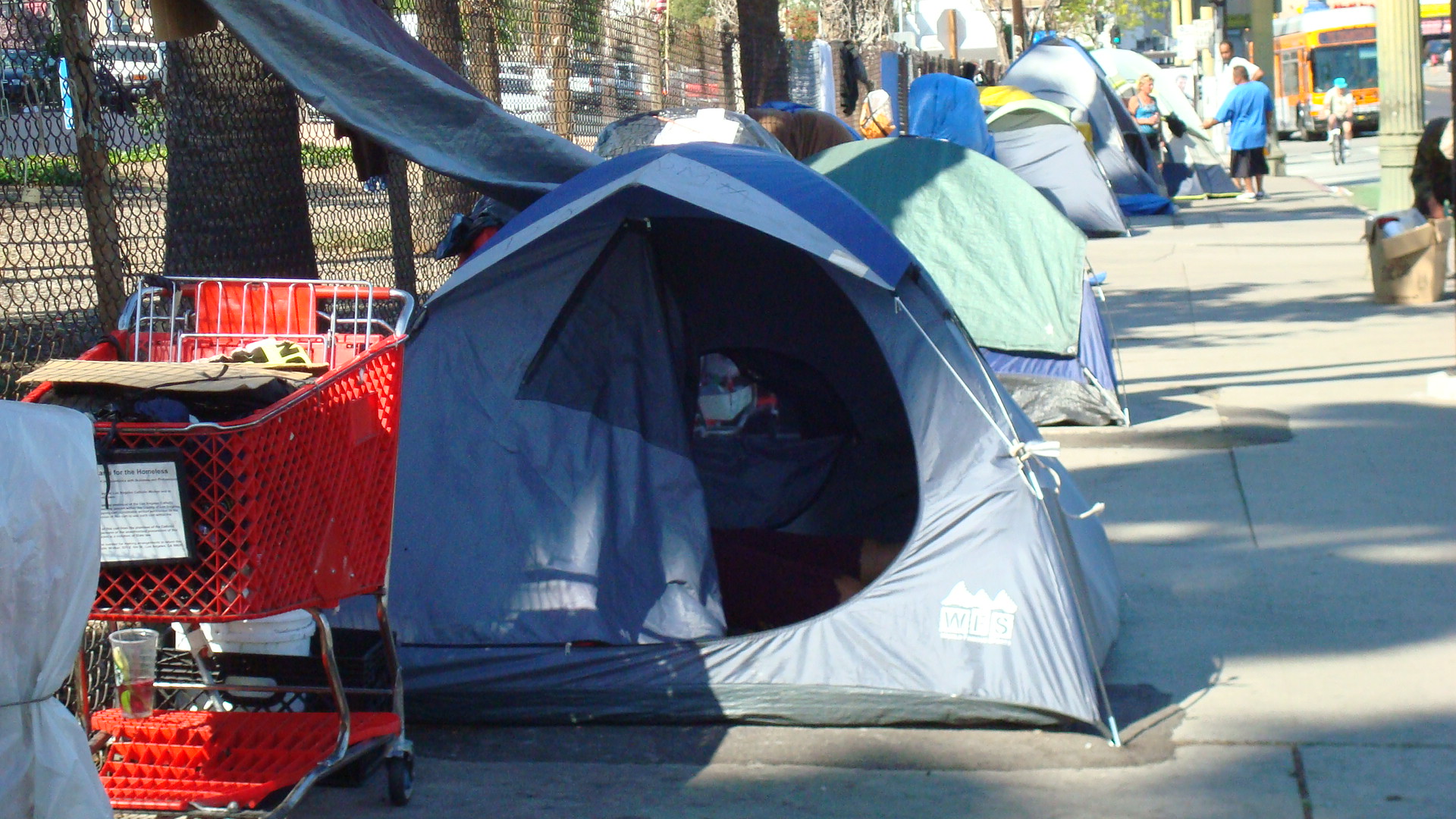
A tent settlement on Spring Street. Homelessness continues to be a problem all over LA.
LT First

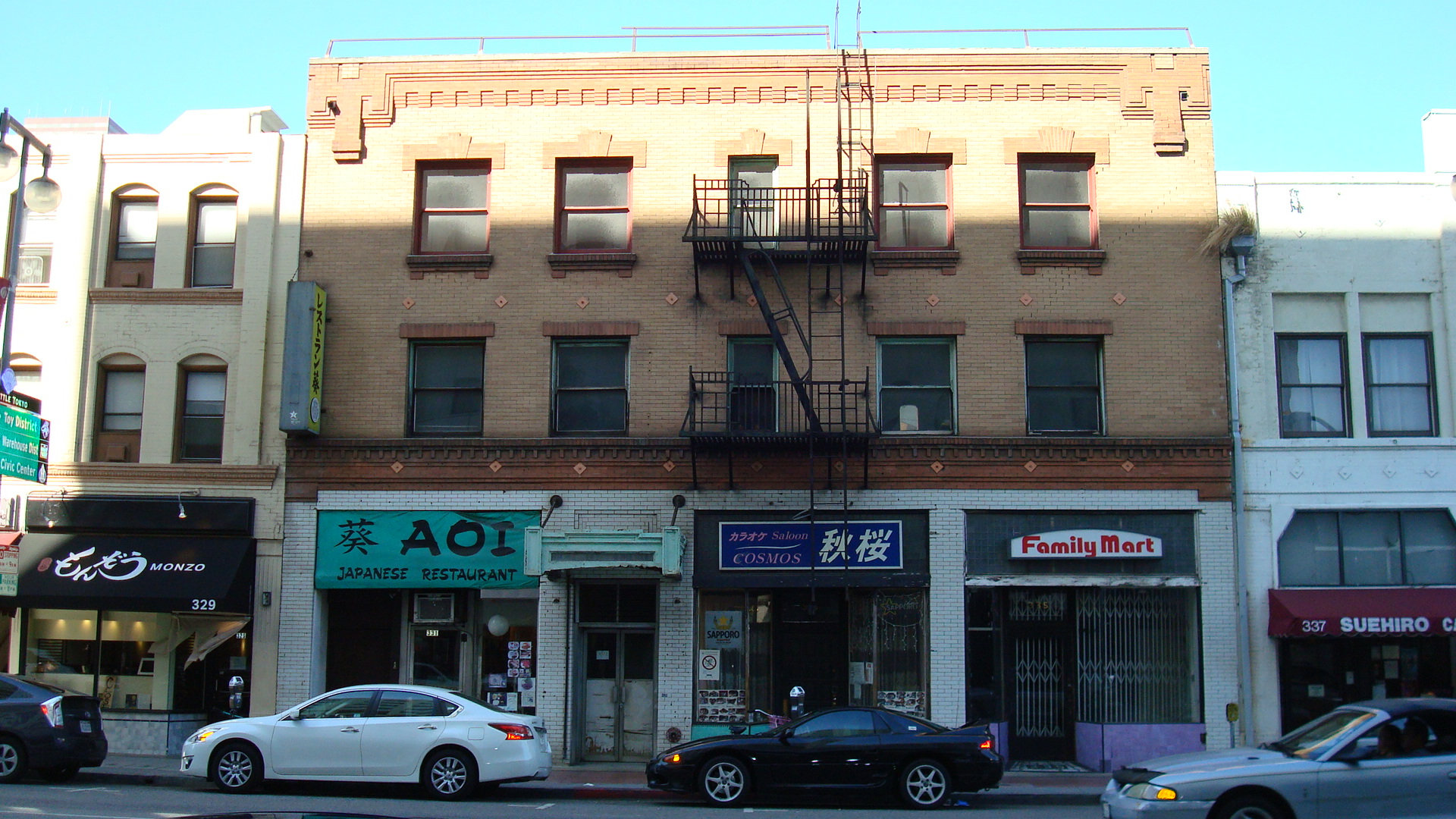
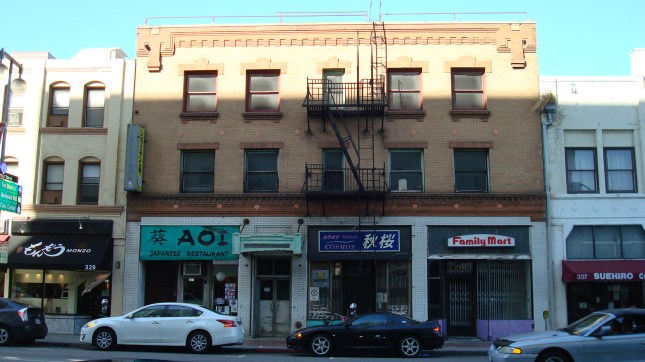
Little Tokyo is one of my favorite places to go, partly for the food, but I also just like the vibe. This is a row of shops and restaurants along First Street. And just around the corner….

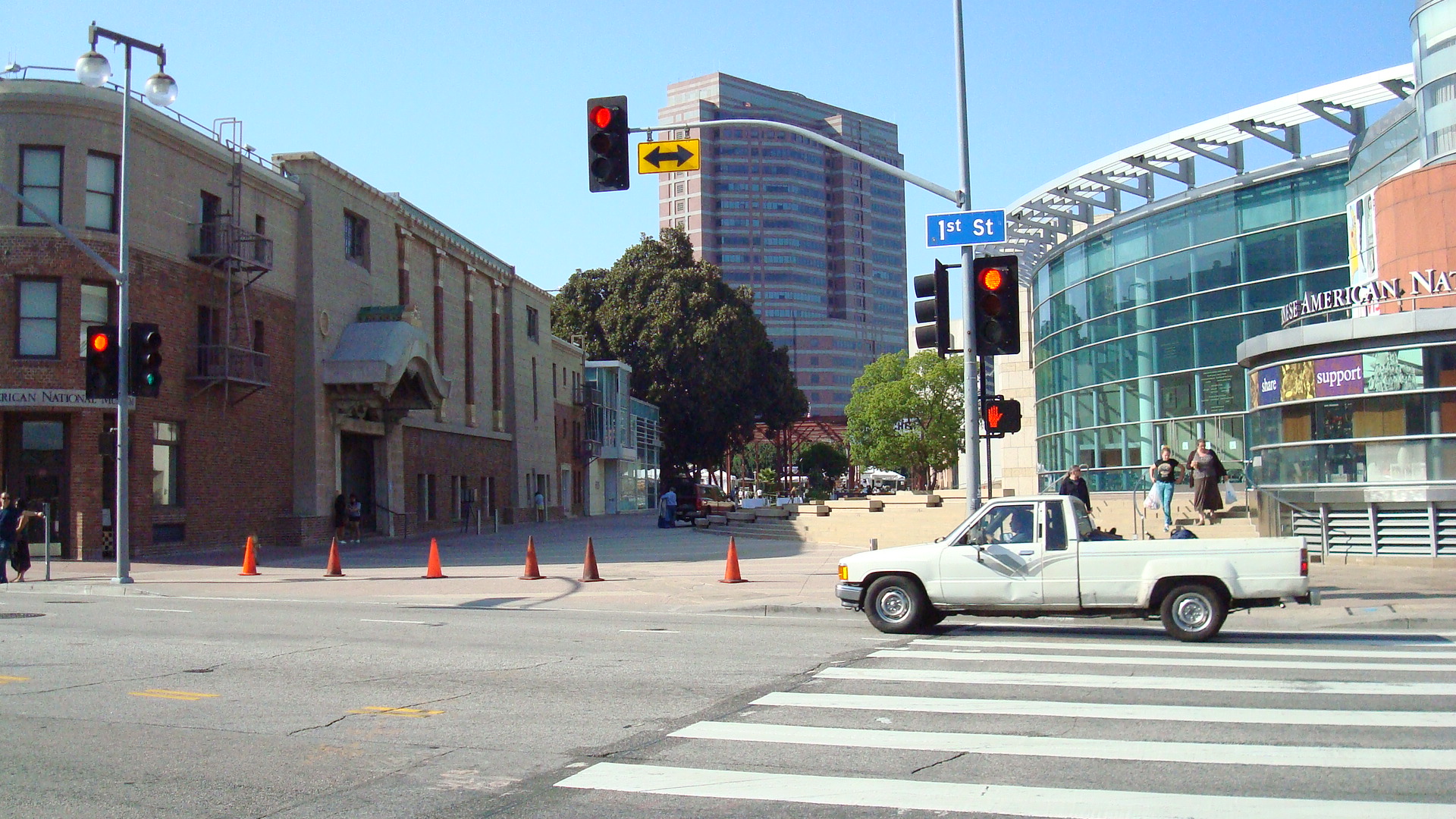
LT Plaza 2

….is the Japanese American National Museum. The building on the left is the historic older building which I believe houses the museum’s offices. The newer building on the right is the exhibition space, and I have seen some very cool shows there.
St V Sign 2

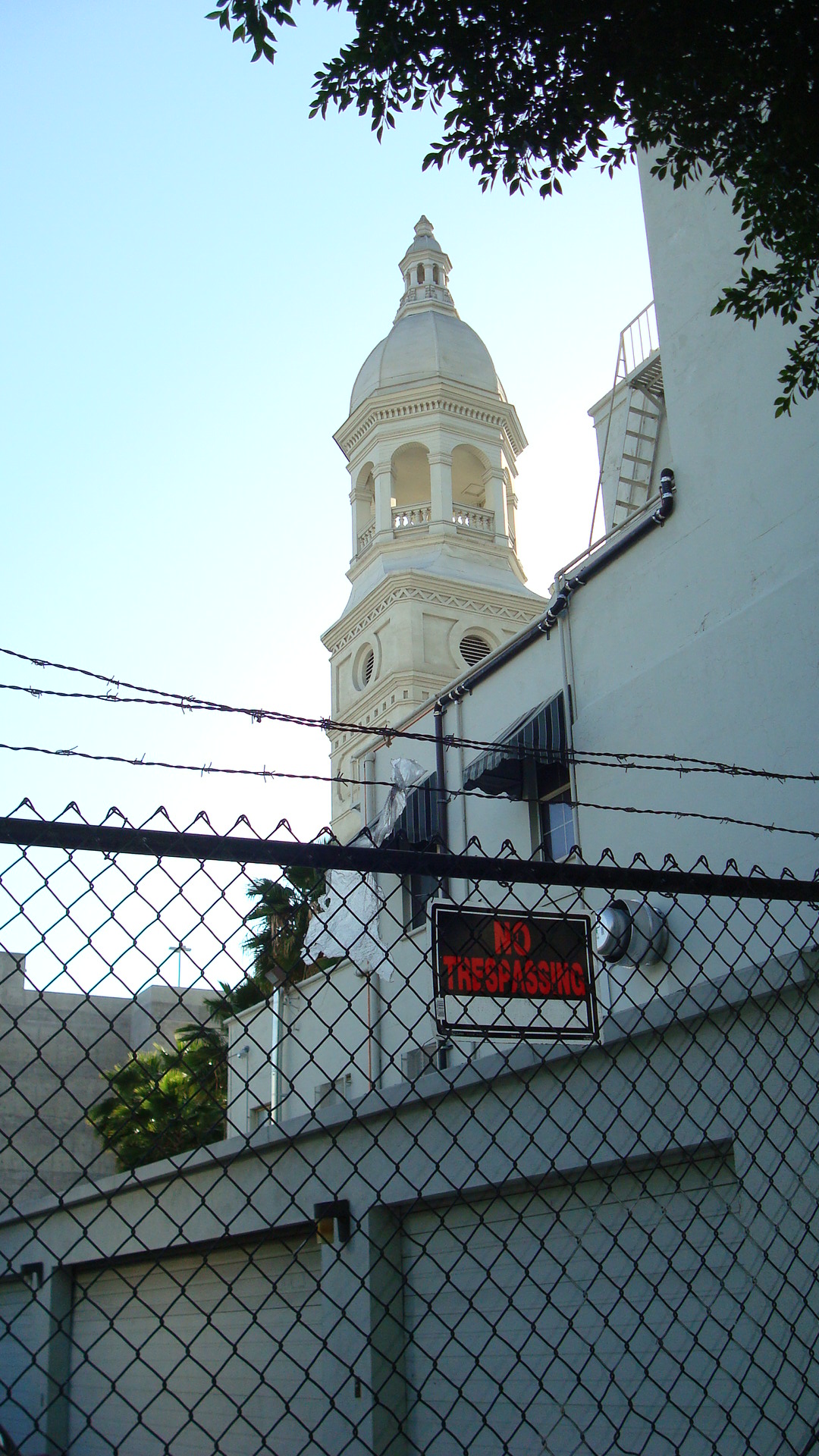
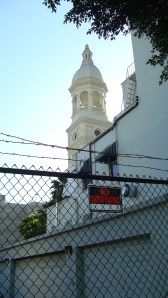
As I was walking down Second, I looked up and saw St. Vibiana. It’s one of the oldest buildings in the city, and we’re lucky it’s still standing. During the nineties, the Archdiocese made a deal with the City of LA to tear the cathedral down. The process was stopped by preservationists, who managed to get a court order which halted the demolition. Today it serves as a performing arts center and event venue.

StairsI was walking down Broadway and passed this doorway and it caught my eye. The stairs lead up to an organization called SHARE! which provides services for people dealing with a variety of issues. I looked up their web site and found this.

SHARE! empowers people to change their own lives and provides them a loving, safe, non-judgmental place where they can find community, information and support.

Walking through some parts of downtown there is definitely a sense of desperation. While gentrification is rapidly turning some neighborhoods into upscale enclaves, just around the corner you’ll find people living in total despair. I guess happening across this stairway I felt like I’d found an unexpected message of hope.

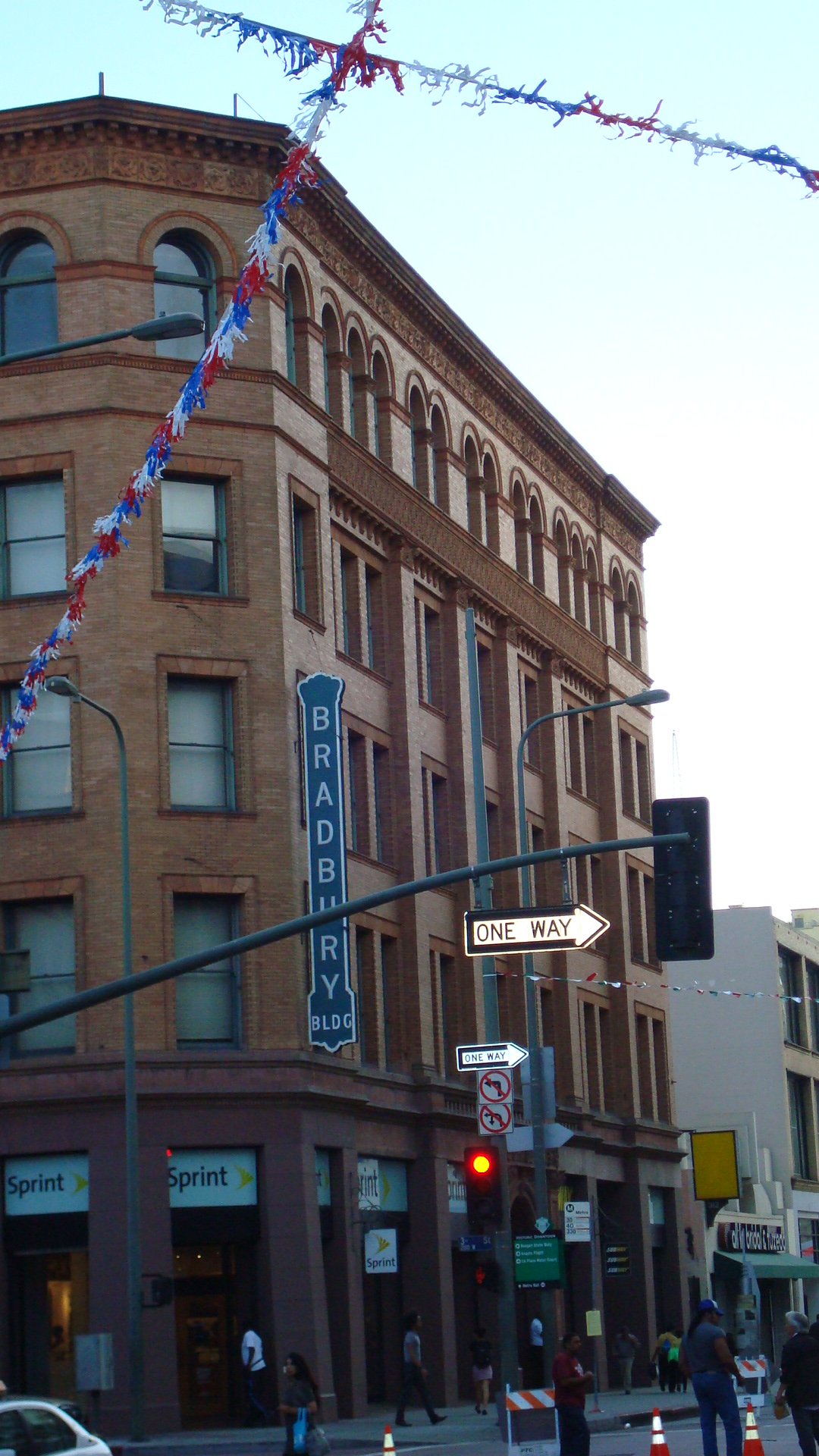
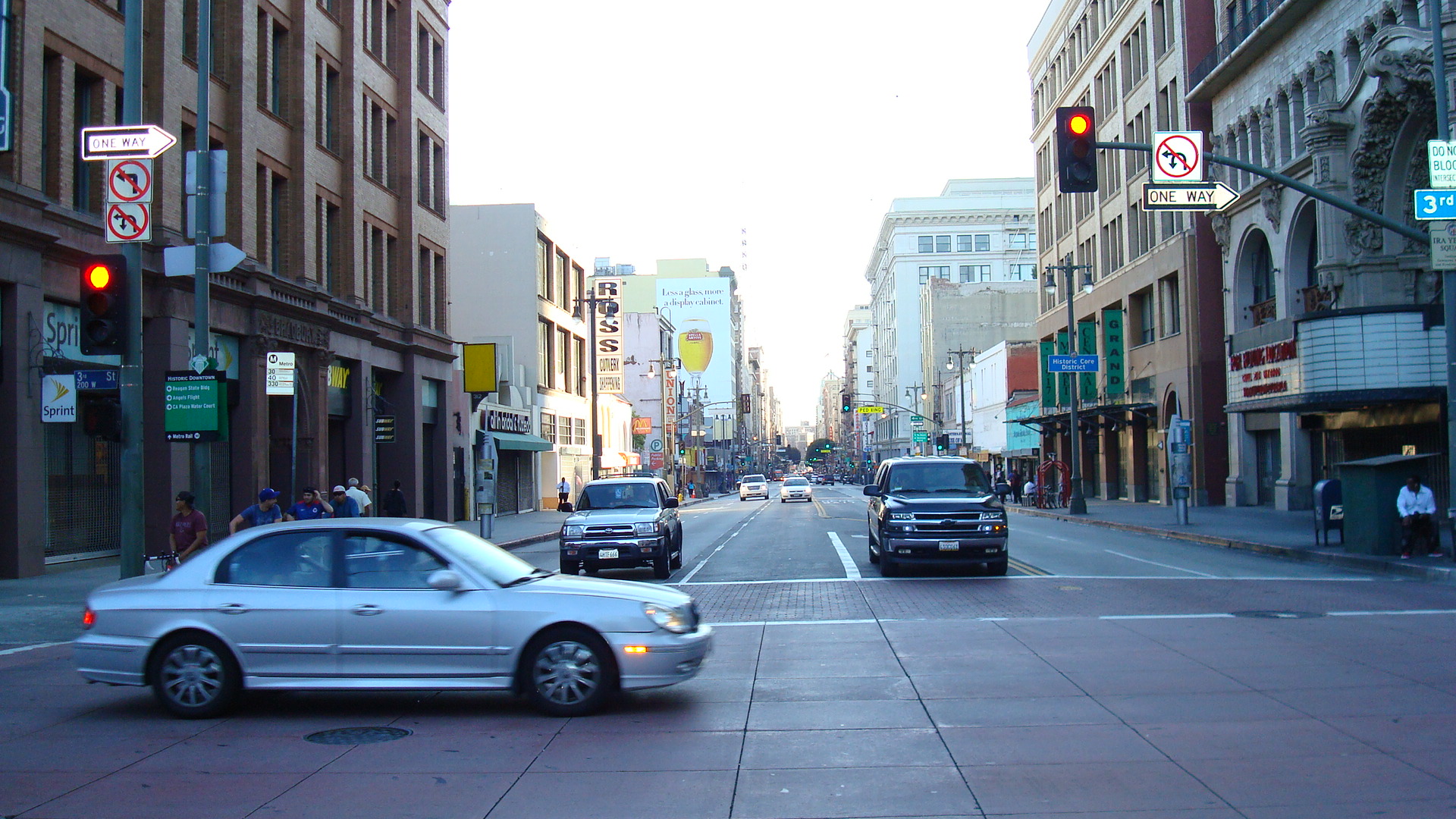
Bradbury 1I fell in love with the Bradbury Building years ago, and I try to visit it whenever I can. It has been standing at the corner of Third and Broadway since the end of the nineteenth century. The interior is gorgeous, but unfortunately these days only people who have business with one of the tenants can go above the first floor.

The Bradbury Building was designed by George Wyman, and the story of how he got the job is pretty unusual. To learn more about how it was created, and to get a glimpse of the inside, click here.

Broadway used to be the original theatre district in LA. In the photo below, the Bradbury Building is on the left, and on the right hand side you can see the Million Dollar Theater, which is where Sid Grauman set up shop when he first came to LA back in nineteen eighteen.

Broadway
Grauman didn’t stay on Broadway long. In a couple of years he moved to Hollywood, where he first built the Egyptian and then the Chinese.
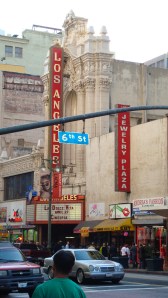
LA Theatre 3Farther down Broadway you’ll find the Los Angeles Theatre. This spectacularly gaudy movie palace was designed by S. Charles Lee, who designed many other theatres during his career. The first film to play there was City Lights. I’ve been inside only once, years ago, and I have to say it was pretty amazing. The lobby alone was worth the price of admission.

Unfortunately, it’s only open for special screenings these days, but if you get the chance I urge you to check it out. The Los Angeles Conservancy sponsors a series every summer called The Last Remaining Seats, during which they show films at some of the old movie palaces. The bad news is that this year’s screening of All About Eve at the Los Angeles Theatre is sold out. But you can check out photos of the interior on the theatre’s web site. Use the menu on the left to see images of the lobby, auditorium, etc..

Restaurant
This was taken at the corner of Sixth and Main. Upscale restaurants seem to be proliferating rapidly downtown.

People Street
Meanwhile there are still plenty of people who can’t even afford a cup of coffee. These folks don’t even have tents.

MC 1
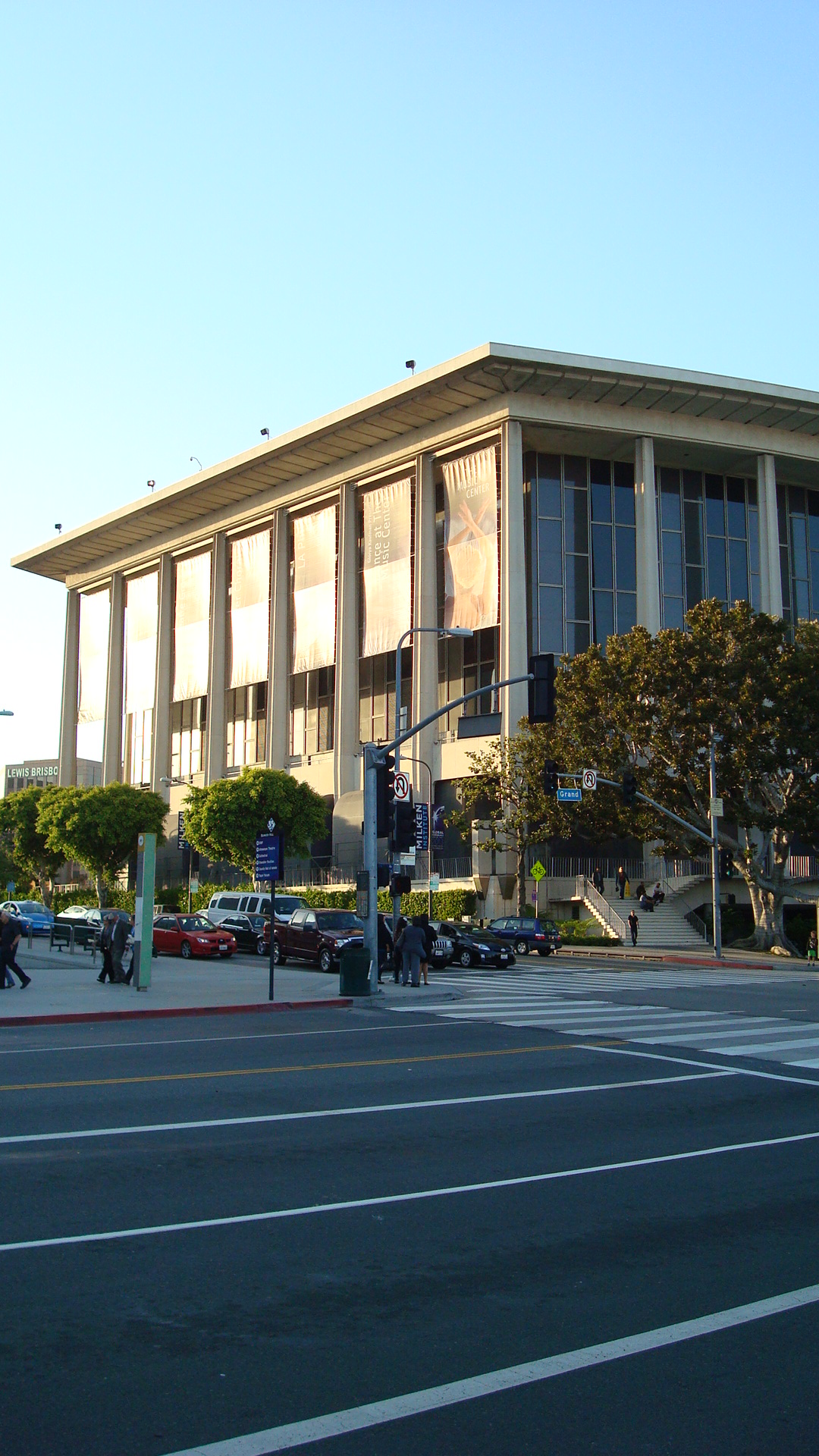
The Music Center is another mid-century classic by Welton Becket and Associates. It’s comprised of the Dorothy Chandler Pavilion, the Ahmanson Theatre and the Mark Taper Forum, and was completed in nineteen sixty seven. Becket believed in “total design”, meaning that he encouraged his clients to have the firm create not only the structure, but also furniture, carpeting, signage, dishes and flatware. Originally the Music Center did have an amazing unity of design, but in recent years there have been a number of additions to the plaza, and I feel like they’ve messed the place up. Still, the individual buildings are stunning. In nineteen ninety four, Ellerbe Becket Architects supervised some alterations to the Ahmanson, and the end result actually works pretty well.

Library 1
And this is where I ended up, as it was getting close to seven pm. The western entrance to the LA Public Library. I took this photo, then got back on the subway and went home.
Hollywood Journal – Intro

As much as I enjoy ranting about greedy developers and sleazy politicians, I realize that this blog would be pretty boring if that’s all I ever wrote about. So I’m going to try to mix it up a little.

For over ten years I kept a journal about the Hollywood area. I’ll be posting excerpts here from time to time. Hopefully this will break the monotony of my ongoing diatribes against the powers that be.
A couple notes about the entry below. Those who have only known the Chinese Theatre in recent years may be puzzled by the mention of the two additional marquees. This was written at time when Mann Theatres had built two large auditoriums right next door, hoping to compete in the age of multi-plexes. These two theatres were torn down when Hollywood & Highland was constructed, and replaced by six inside the mall.
If you don’t live in the LA area, you’ll be wondering why I have a problem with Tutor-Saliba. Even back then they were notorious for cost overruns and long delays, but the city still awards them projects because they’re so well-connected. The names and faces may change, but the dynamics that shape the city stay the same.

April, Nineteen Ninety Eight

Sunday. Early afternoon. I’m sitting in a restaurant right across from the Chinese. In God’s Hands is playing at the main theatre. I look to the right and see that Tarzan and the Lost City is playing next door, and at the far end of the building is the now-familiar sign advertising the Titanic.

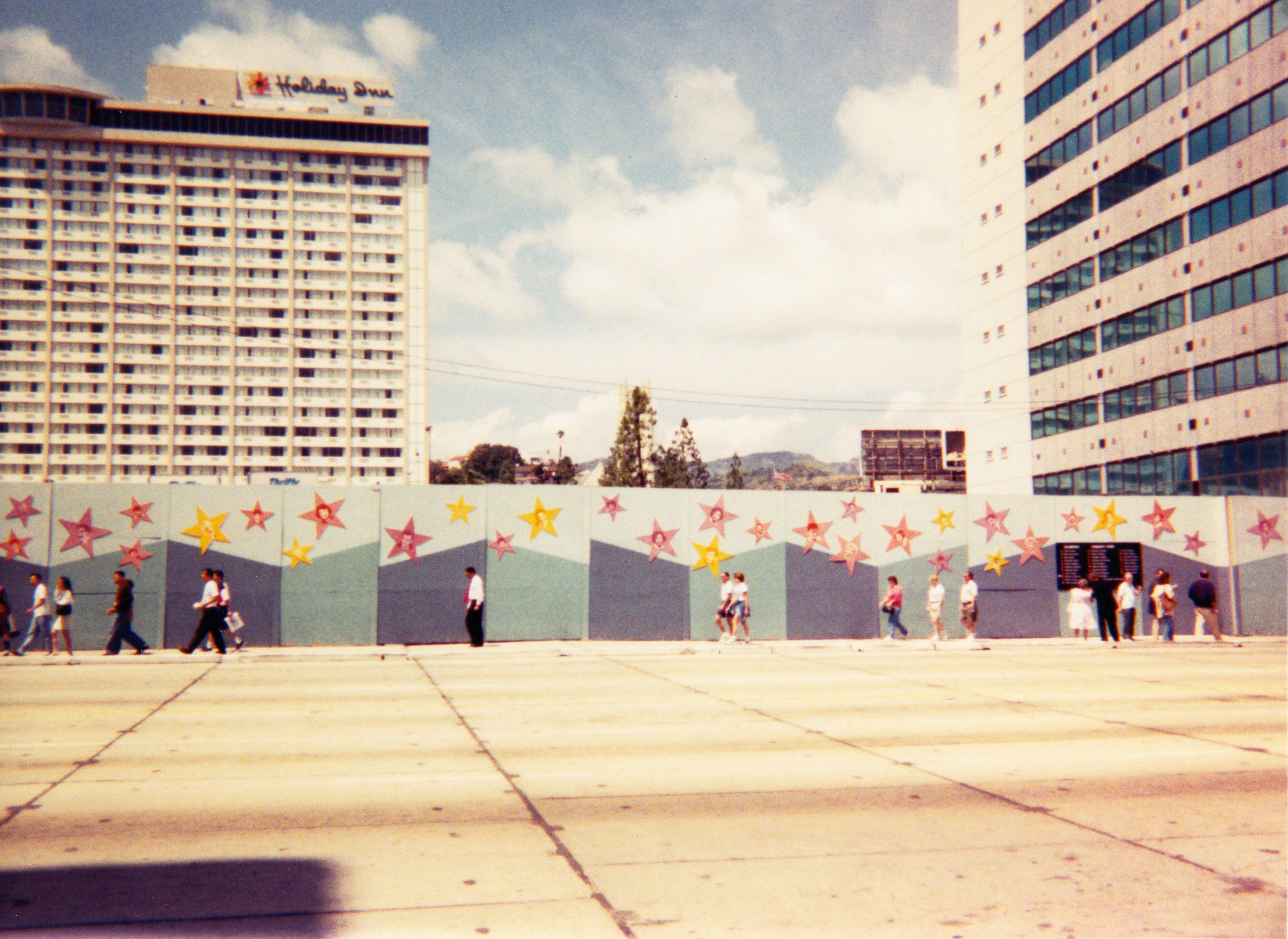
Beyond that, across Orchid Ave. is a construction site surrounded by a wooden barrier. The side of this barrier that runs along Hollwyood Boulevard is decorated with pink and yellow stars that have the faces of famous actors painted in the center. The Orchid Ave. side is covered with dull beige paint. And there is a sign announcing that the project is being handled by Tutor-Saliba-Perini. Good God, not again.

Beyond the construction site is the office building that stands at the corner of Hollywood and Highland. Off in the distance I can see a tall apartment complex, a billboard and a little piece of the Hollywood Hills.

*

A few days later I’m in my apartment, just a few blocks from Hollywood Boulevard. It’s after nine PM. I can hear the traffic on the Hollwyood Freeway. It’s always there, kind of like the ocean.

I’m thinking about all the stuff that’s happening in Hollywood, all the changes they’re making. There’s that big project over by the Chinese. The Max Factor building is being restored. The Cinerama Dome is gonna be sucked up into a shopping mall. It seems like the little shops and restaurants along the boulevard are doing better than they were five years ago. And I think the MTA still claims they’re gonna have a subway stop here eventually. I’m not holding my breath.

I’ve lived in or around this area for years. I really love Hollywood. Sometimes it tears my heart out when I see the things the crazy developers are doing. But then, this town wouldn’t even exist without the crazy developers.