We Need Trees, Not Fees

T C Vn Bldg 2

The City has a problem. The Urban Forestry Division (UFD) has scores of trees sitting in boxes in storage that it can’t plant. Why is this? In large part it’s because when developers remove trees to build projects, they agree to replace them by purchasing new ones for the City to plant elsewhere. Unfortunately, due to budget cuts, the UFD has no staff to do the planting. And worse, when trees are stuck in boxes for long periods of time, their health declines, sometimes to the point where they’re not viable any more.

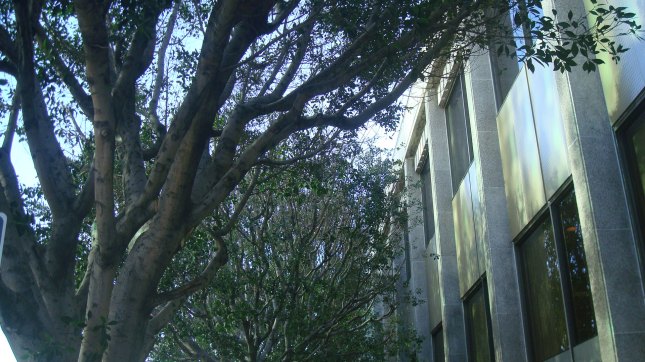
Actually, the City has an even bigger problem than this. We’re losing a huge chunk of our urban forest. Years of dry weather has already impacted the health of thousands of trees in the LA area, but now there’s a worse threat. A beetle called the shot hole borer has come to the region. It nests in trees and in the process often kills them. The die-off has already begun, and if it continues at its current pace we can expect to lose millions of trees throughout Southern California over the next several years. This isn’t just a matter of erasing pretty landscapes. As a result of this massive reduction of our urban forest, there will be impacts to our water resources, our air will be dirtier, and our cities will grow hotter than they are already.

So you’d think we’d be doing everything we can to protect the trees we’ve got. Unfortunately, that’s not the case. Aside from the natural threats to our trees, development is taking a toll on the urban forest. City Hall is pushing hard to boost construction of housing and hotels, as well as office and commercial space. Which brings us back to the first point. Developers generally want to squeeze as much square footage as they can out of a project. Often they ask the City to reduce required setbacks, or even let them build right out to the property line. In many cases they also ask the City to reduce the requirements for open space. The Department of City Planning (DCP) is usually pretty generous in granting developers’ wishes, especially if it’s a housing project that includes some affordable units.

To give you an idea of how bad things have gotten, let’s talk about the City’s Protected Tree Ordinance (PTO). Some species are considered so important that we should afford them special protection. A while back the City Council approved the PTO in order to prevent their removal except under extraordinary circumstances. So how’s that working out? Not so good. In November of last year Councilmembers Paul Koretz and Mike Bonin introduced a motion to strengthen the ordinance. Here’s a quote.

”Unfortunately, trees are not being adequately protected and departments are not working well together to protect them. Trees are being cut before development permits are applied for, trees are not being protected during construction activities, and building permits are routinely issued without the Department of Building and Safety being aware of the presence of protected trees on the affected properties, all resulting in an accumulating net loss of trees, tree canopy and the accompanying ecosystem services across the City.”

This is serious. We need trees. Our water resources are increasingly stressed. LA’s air quality ranks among the worst in the nation. And temperatures in the city continue to rise. A robust urban forest would help us deal with all of those problems, but instead of enhancing our tree canopy we’re cutting it down.

IMG_2559

The reason I’m bringing all this up is that there’s a proposal before the City right now to allow developers to fulfill the requirement for replacing trees simply by paying a fee. For new projects that remove trees, the City would calculate the required number of replacements (usually at a ratio between 2 to 1 and 4 to 1), and then bill the developer for in-lieu fees of $2,612 per tree. This amount would cover the cost of procurement, planting and providing water for three years.

At first glance, this might look like a good deal. The UFD doesn’t have staff to plant the replacement trees it’s been receiving, and storing them for long periods of time impacts the trees’ health. There apparently has been talk of restoring some of the UDF’s funding in the City’s next budget, which could lead to the hiring of personnel to plant trees. But that’s definitely a roll of the dice, since LA is struggling with a structural deficit, and for years now its budgets have been held together with scotch tape and bubble gum. Many City departments suffered staff cuts during the recession, and they’re all lobbying to restore those positions. So without any certainty over staffing for the UFD, the in-lieu fee probably seems pretty attractive, since the cost of planting and watering is built in. The City is outsourcing a lot of work already, and it could just hire a contractor to do the job.

But really, there are a number of problems with just charging an in lieu-fee….

First, it makes it even easier for the DCP to allow developers to do away with trees. If, in theory, all the trees that are removed will be replaced at a 2 to 1 ratio or better, and if the money collected includes planting and watering, then why would they hesitate to reduce setbacks and open space? Let the developers do whatever they want! Problem solved. But in reality, we have no guarantee that this system will work as promised. Think about it. Supposedly the current system of requiring developers to replace trees was going to solve the problem. And what actually happened? We have a lot of trees sitting in City-owned storage areas. Some have been sitting in boxes so long that they’re no longer viable. And at the same time developers have been cutting down trees and putting hardscape in their place.

But the City would certainly spend the money they collect. Right? Not necessarily. You may recall that back in 2015 City Controller Ron Galperin did an audit of fees collected from developers. He found $54 million that had been sitting in City-controlled accounts for at least three years. This money had been collected, but it hadn’t been spent. Unfortunately, City Hall isn’t always great about following through.

Second, while charging the in-lieu fees may lead to a better replacement rate in the future, there’s no guarantee that the City will do anything about the trees the UFD currently has in stock. If the budget for the next fiscal year doesn’t include funds for additional staff, these trees could easily sit in storage until they die. It’s been suggested that non-profits could step in to do the planting. If that’s a possibility, why hasn’t it already happened?

Third, and most important, this is not a solution, it’s a quick fix. In order to find a solution, you have to first identify the problem, and the City hasn’t done that. It’s proposing in-lieu fees as a way of replacing trees that are cut down for development, but that’s really just one aspect of the situation.

The real problem is that we’re facing a potentially devastating loss of our urban forest.

If we fail to maintain our urban forest, our air quality will suffer, our water quality will be diminished, and LA will continue to grow hotter than it already is.

LA needs a comprehensive, holistic approach to managing our urban forest. We must do a complete inventory of the city’s tree canopy, and also an inventory of space available for planting trees. We then need to use this data to develop a unified policy based on actual science that will address all aspects of the problem. Rather than coming up with quick fixes to deal with tree loss caused by new development or sidewalk repair or insect infestation, we need an integrated approach that brings all these things together.

In other words, we need to gather the data, look at the science, and then develop an actual plan.

If we don’t do this, our urban forest will continue to decline, and we will suffer the consequences.

If you want to take a look at the proposed ordinance, here’s the link.

Tree Replacement In-Lieu Fee

If you want to contact your City Council rep about this issue, be sure to include this council file number in the subject line.

CF-16-0461

And to make sure your comments are included in the file, don’t forget to copy the City Clerk.

cityclerk@lacity.org

Finally, if you want to voice your comments in person, this issue will be considered by the Community Forest Advisory Committee (CFAC) later this week.

CFAC Meeting
Thursday, March 1, 1:00 pm
City Hall, 200 N. Spring St, Room 361
[USE MAIN ST. ENTRANCE.]

For more information, follow the link below.
CFAC Meetings

IMG_2608


Plastic Is a Problem

20 Plastic FINAL

You probably already know that manufacturers use fossil fuel to make plastic.  And you’ve probably already heard the horror stories about how plastic waste is trashing the environment.  Even if you recycle the plastic you use, remember: It’s not biodegradable.  It doesn’t go away.

So there’s only one answer to this problem.  We have to use less plastic.

Can you cut the amount of plastic you use by 20%?  Can you go even further?  You may already be taking reusable bags when you go shopping.  You may already be looking for products that use less packaging.  And there’s one more step you may want to take, if you haven’t already….

STOP BUYING BOTTLED WATER.

Drinking bottled water is one of the most wasteful things we do as a nation.  In addition to producing tons of plastic waste, trucking it around and keeping it cold burn a ridiculous amount of energy.  And with rare exceptions, the water you get from your tap is just as healthy as anything you get out of a bottle.  If you want to know more, check out this article from National Geographic.

Why Tap Water Is Better from National Geographic

So how about it?  Can you use 20% less plastic?

Sure you can.

RIP EPA

20 Harbor Fwy FINAL

If you’ve been following the news, you know that the Environmental Protection Agency is dead.  Founded in 1970 to protect the environment and human health, the EPA has played a major role in making our air clearer and our water cleaner for over four decades.

But that’s over now.  Since the appointment of a climate change denier as the agency’s administrator, the EPA has gutted protections for wetlands, slashed spending on research, and fought to delay enforcement of methane regulations.  And this is only the beginning.
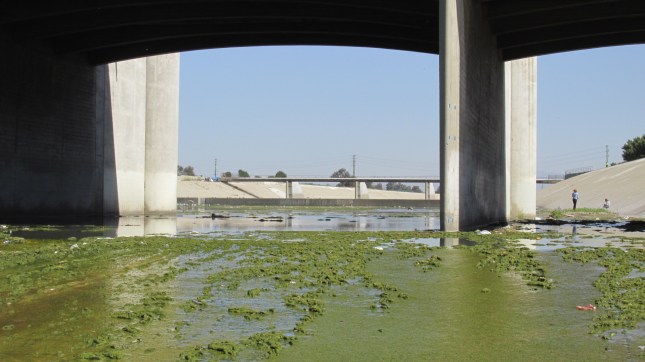
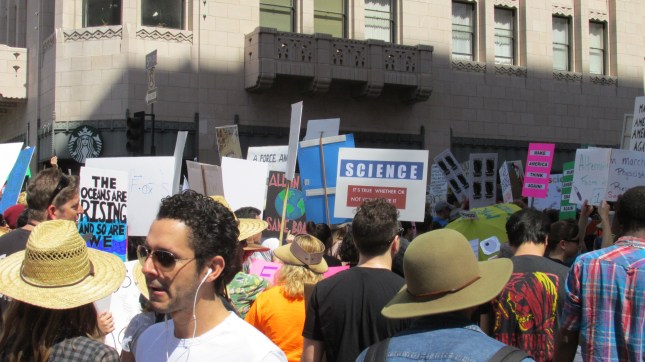
So if you believe climate change is real and that we need to reduce our use of fossil fuels, you can’t look to the federal government any more.

Now it’s up to you.

If you own a car, you could start by driving 20% less.  If all Americans who believe climate change is real took this simple step, it would send a powerful message to the oil companies and the White House.  Ask your boss to let you telecommute on Fridays.  Or take transit one day a week.  Or talk to your co-workers about carpooling.  And there are other things you could do, too.  Think about the trips you take when you go out to shop, have fun, or hang with friends.  If you really put your mind to it, you might be able to reduce your driving by more than 20%.

And make no mistake.  It is down to you.  The federal government is no longer protecting the environment.  It’s now leading an assault on the environment.

If you don’t take action, who will?


Be the Light

20 Traffic FINAL H Fwy Dark w Lav Blu Txt

It’s clear that the White House doesn’t care about science. In spite of the fact that the overwhelming majority of scientists agree that climate change is real and that it’s caused by human activity, the current administration has dropped out of the Paris Agreement and is aggressively trying to roll back regulations designed to reduce CO2 emissions.

But just because our government is going in exactly the wrong direction doesn’t mean we have to go along. Millions of Americans understand that we have to reverse the effects of climate change. If Washington isn’t going to act, then we have to act ourselves.

Can you reduce your carbon footprint by 20%? We mostly think of CO2 emissions related to transportation and industry, but there are plenty of other things that contribute to our carbon footprint, from plastic bottles to the appliances we have in our home.

Check out this list from the National Geographic. It offers 14 ways you can reduce your carbon footprint. Take a look and see how you can help. Don’t wait for Washington to change course. Make a commitment to take action yourself.

Fourteen Ways to Reduce Your Carbon Footprint

Fight the darkness. Be the light.


Let’s Stop the Madness

20 Trfc FINAL Hlnd Crowd 2 w Pink Yellow Text

According to an October 2016 poll conducted by the Pew Research Center, 48% of US adults believe climate change is caused by human activity.  And yet millions of those same people get into their car every morning and head off for a commute that often involves a fair amount of time spent sitting in traffic.  We know that climate change threatens the planet, we know we need to reduce emissions, and yet we’re still locked into the same behavior that got us into this mess in the first place.

In the same poll people were asked what would make a big difference in addressing climate change.  Out of six possible responses, the first four were….

> restrictions on power plant emissions

> international agreements

> higher fuel efficiency for cars

> corporate tax incentives

The interesting thing here is that all of these steps would require the government to take action.  And let’s face it, the current administration isn’t gonna do a damn thing about climate change.  So let’s look at the last two responses….

> more people driving hybrids

> people reducing carbon footprints

The people who chose these steps were the people who were ready to take action themselves.  Switching to a hybrid is great, and getting an electric vehicle is even better, but a lot of people can’t afford to buy new car.  So what can they do?

How about cutting your driving by 20%?  Think about how you might reduce the amount of driving you do, either by taking transit, riding a bike, or walking.  Maybe you could find ways to car pool with your friends.

How many times have you been stuck sitting in traffic, staring at an endless line of brake lights, and thought to yourself, “This is crazy!”  And you’re right.  We say we want to fight climate change, but we’re stuck in the same bad habits that created this crisis.

So let’s change our habits.  Let’s stop the madness.


The Climate Is Changing. Can You?

20 Trfc FINAL SD Valley Sized w Yel Text

If you’re waiting for the White House to change its stance on climate change, you’ll be waiting a long time.  And whatever the oil companies say publicly, they’ll do whatever it takes to keep the crude and the profits flowing.

So it’s down to you.

Can you cut your driving by 20%?  If every American citizen who believes climate change is a threat were to spend 20% less time on the road, it would cause a huge reduction in greenhouse gas emissions.  It would also send a message to Big Oil that we want a faster transition to renewable energy.  When their profits start falling, they’ll start listening.

So could you take public transit to work one day a week?  Or car pool with someone you know?  Instead of driving to the park this weekend could you ride your bike?  Instead of taking that epic road trip this summer, could you scale it back a little and go some place closer to home?

You can wait for the government or Big Oil take action, or you can take matters into your own hands.

Stopping climate change starts with you.

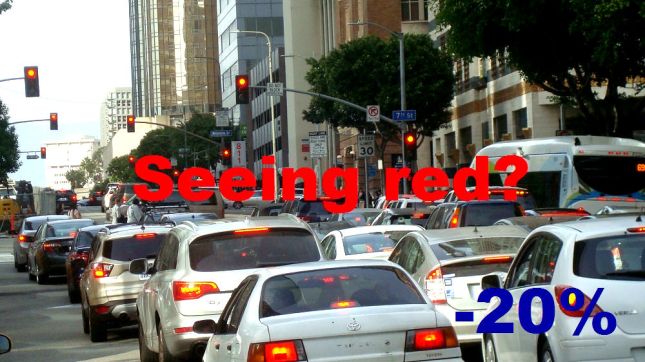
Pipelines Making You See Red?

20 Trfc FINAL Fig Red

In spite of years of protests, the Keystone and Dakota Access Pipelines are both moving forward.  It’s obvious big oil isn’t listening, and neither is the White House.

So what can we do?

Use less oil.  It’s that simple.  Oil companies build infrastructure based on how much money they think they can make off it.  When oil prices started diving a couple of years ago, the industry cancelled or postponed construction of over 20 major projects.  There’s no point spending money on infrastructure if it’s not going to pay off.

What if everybody cut their driving by 20%?  The oil market is already shaky, with soft prices making investors nervous.  If we use less, supply will increase, and that will drive prices lower.  And it will also make oil companies think twice about plowing billions into building new pipelines.

So how about it?  Can you cut the amount of time you spend behind the wheel by 20%?  Not only would you be helping move the country toward clean energy, but you wouldn’t spend so much time stuck in traffic.  It’s win win.

People’s Climate March in Wilmington

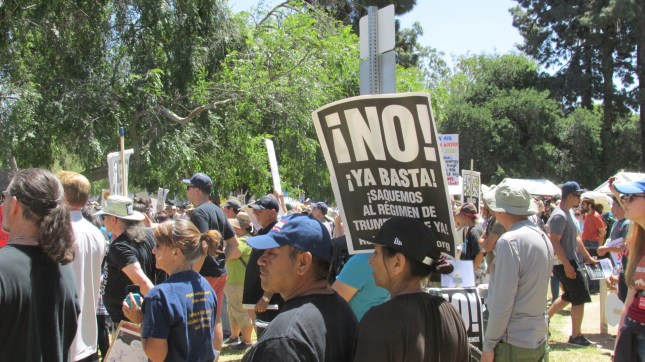
PCM 01 Basta

The communities clustered around the Ports of Los Angeles and Long Beach face higher health risks due to contamination than any other part of LA.  With diesel trucks, heavy machinery, oil refineries and industrial waste all causing impacts on the local enviroment, the people who live in this area have suffered from the effects of toxic air, toxic water and toxic soil.  They’re getting it from all sides.

PCM 10 Cap

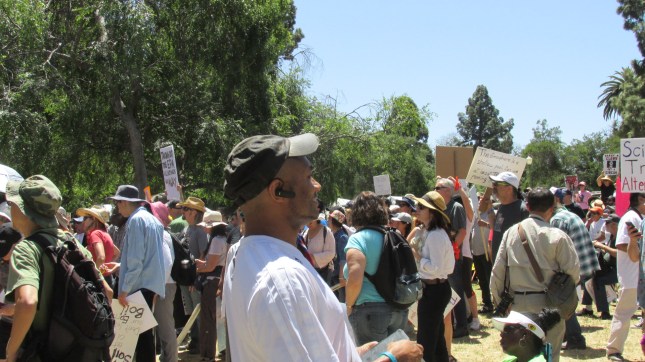
Thousands of people showed up for the march.

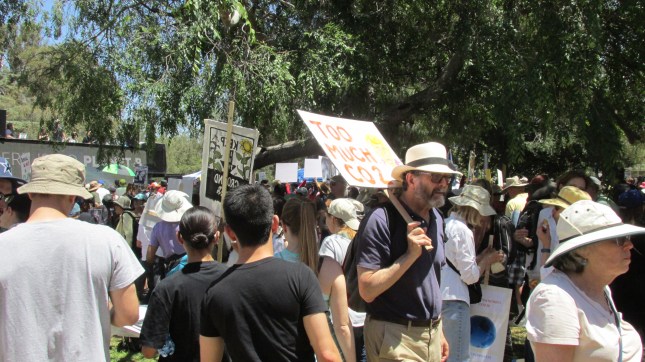
PCM 12 CO2

A shot of the crowd with the stage in the background.

PCM 14 Hands

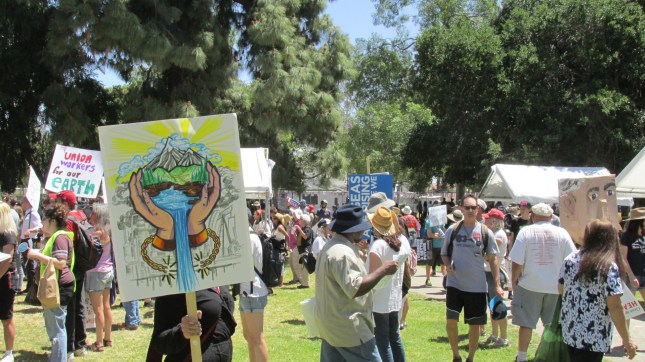
This sign caught my eye.

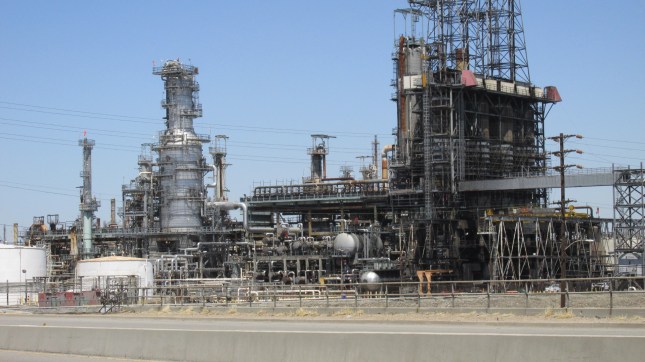
So the People’s Climate March had a special meaning for the folks who live in these communities.  Last Saturday, April 29, there were demonstrations in cities across the US, and here in LA protesters congregated in Wilmington.  They started with a rally in Banning Park, and then marched to the nearby Tesoro Refinery to voice their fears about increased levels of contamination.

PCM 20 Cart

Even protesters gotta eat.

PCM 22 Cells

And they gotta check their cell phones.

Jane Fonda and Robert Kennedy, Jr. both showed up at the rally to talk about the importance of protecting the environment.  Representative Nanette Diaz Barragán gave a fiery speech, railing against the injustice of subjecting low-income familes to hazardous levels of contamination.

PCM 50 Stage

The crowd gathered in front of the stage.

PCM 52 Stage Wave

Spirits were high.

PCM 54 Stage NDB

Representative Nanette Diaz Barragan lays it down for the crowd.

It does seem crazy that at a time when the vast majority of scientists agree on the dangers of climate change, the US government is doing everything it can to roll back environmental protections.  But this isn’t the first time we’ve seen politicians put corporate profits above the public good.  Which is why we have to keep reminding them that they were put in office to serve us.

PCM 58 March

Protesters getting ready to march.

PCM 60 Lavender

It took a while to get things started.

PCM 62 Umbrellas

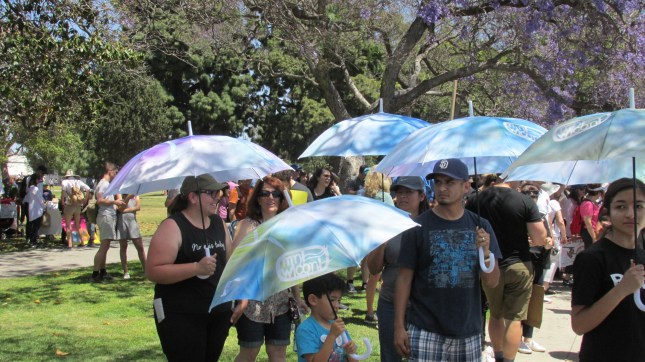
Lots of folks carrying umbrellas.

Marching is good.  Staying engaged with your elected officials is even better.  This is going to be a long fight, but we’ve won before, and we can win again.

PCM 90 Ref

Tesoro Refinery

LA River Clean-Up: Willow Street Estuary

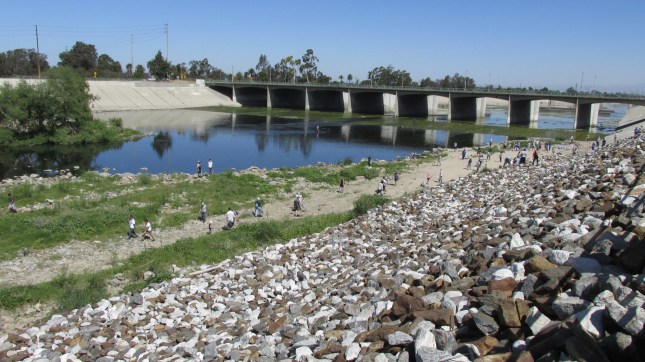
LAR WCU 00 Grass Water 1

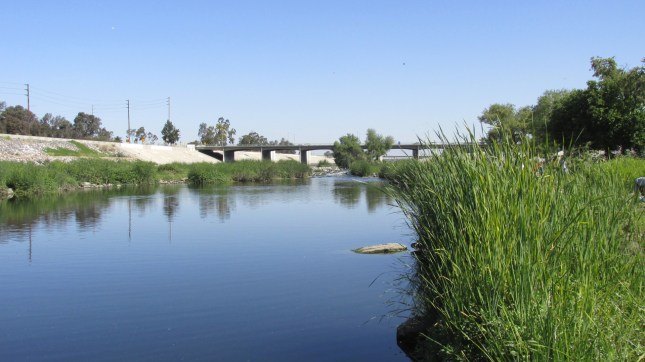
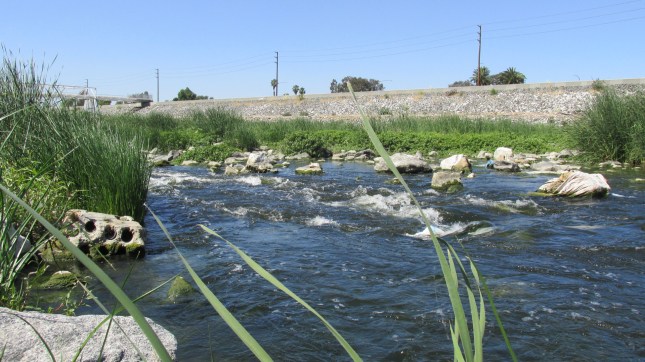
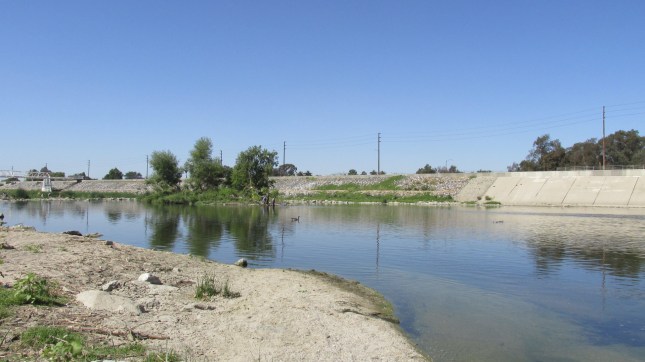
Yesterday I went down to Long Beach to take part in the annual LA River Clean-Up, organized by Friends of the Los Angeles River (FOLAR). The Willow Street Estuary isn’t far from where the river flows into the ocean, and it’s one of the few stretches where the bottom is earth instead of concrete.

LAR WCU 10 Sign

It wasn’t hard to find the clean-up.

LAR WCU 12 Cones

Dozens of people beat me down there.

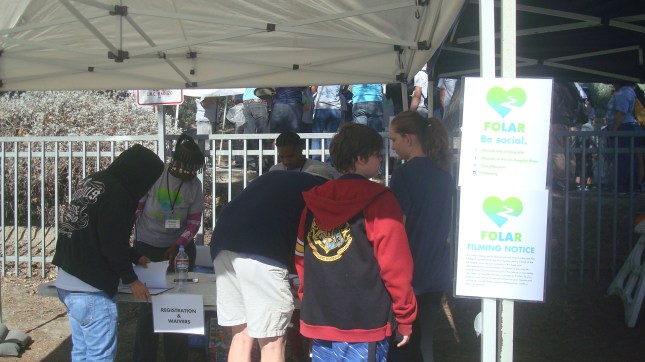
LAR WCU 14 Registration

The people working the registration table were keeping busy.

LAR WCU 16 Bags

Everybody got a pair of gloves and a bag.

There were already plenty of people there when I showed up a little after nine. It took just a few minutes to sign the waiver, grab a trash bag and do the orientation. Then I joined the crowd of people climbing down the bank to the river.

LAR WCU 18 Rocks Down

Heading down the bank to the river.

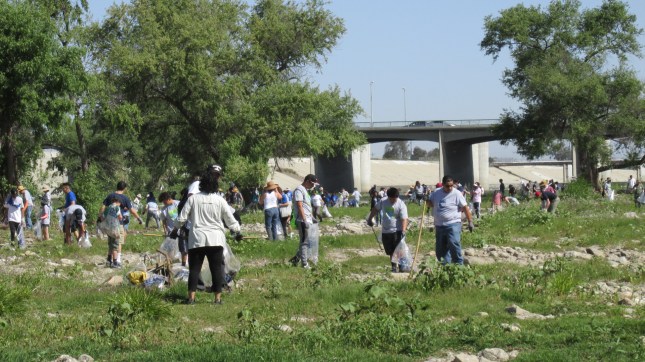
LAR WCU 20 Trees 1

Hundreds of people combing the river bed for trash.

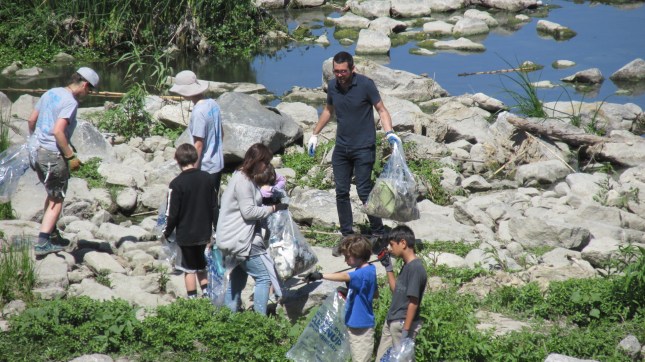
LAR WCU 22 Two Kids

Lots of families showed up.

LAR WCU 24 Kids

Kids were some of the hardest workers.

LAR WCU 29 Face

It wasn’t all trash.  I found this face staring at me from among the rocks.

LAR WCU 27 Duck

A few guys waded all the way across the river.

LAR WCU 30 Trash

This is just some of the trash that was collected.

LAR WCU 28 Wide Stoop

The work wasn’t hard, and it was a great day to be outdoors.

If you don’t know what an estuary is, don’t feel bad. I didn’t either until I looked it up on the net. Generally speaking it’s where a river nears the ocean, and fresh water meets salt water. They’re an important part of the ecosystem, filtering runoff and serving as a breeding ground for fish and birds. Watch this video from the National Oceanic and Atmospheric Administration to learn more.

What Is an Estuary?

LAR WCU 40 River Bridge CU

The water is placid as it emerges from under the Willow Street Bridge.

LAR WCU 40 River Rapid

The surface gets a little roiled where the river narrows.

LAR WCU 65 River Long

From the estuary, the river rolls down to meet the ocean.

Aside from organizing the LA River Clean-Up, FOLAR presents events throughout the year. They’ve been working to preserve and restore the river longer than anyone else, and they’ve racked up an impressive list of accomplishments in their 30 year history. If you want to get involved, start by visiting their web site.

FOLAR

LAR WCU 70 Green Bridge

Protest to Save the Planet

MS 01 Crowd 3

The vast majority of climate scientists agree that climate change is a threat and that it’s caused by human activity. But the White House is determined to ignore that threat, and has taken steps to back away from agreements the US has signed to reduce global warming. On top of that, the new administration has proposed to cut the Environmental Protection Agency’s budget by almost a third, and roll back regulations designed to protect our air and water.

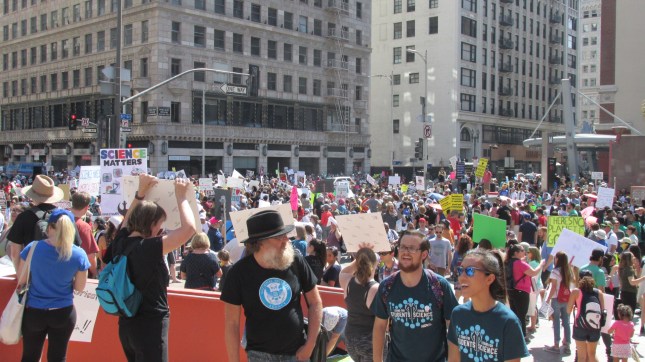
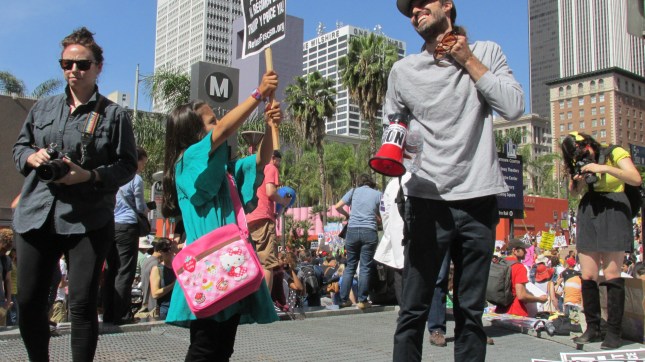
But scientists are fighting back. Last Saturday was Earth Day, and to push back against Washington’s assault on the environment a broad coalition of academics and activists organized the March for Science. All across the country Americans gathered in cities big and small to speak out in favor of protecting the planet.

When I got off the subway at Fifth and Hill the streets were already packed.

MS 10 Crowd 5th Hill

The street was jammed when I arrived.

MS 11 Release

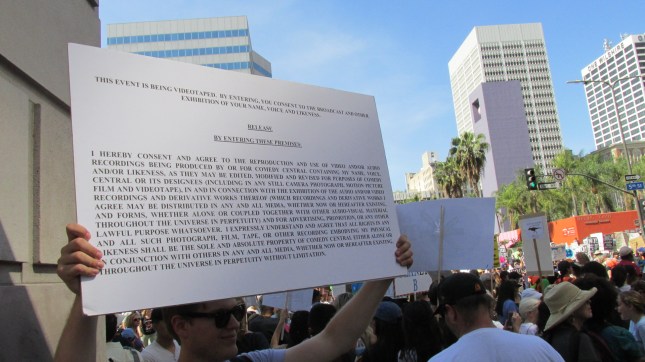
Glad to know it was okay to take photos.

MS 13 Misc Kitty

Even Hello Kitty fans turned out to protest.

MS 14 Crowd Flowers

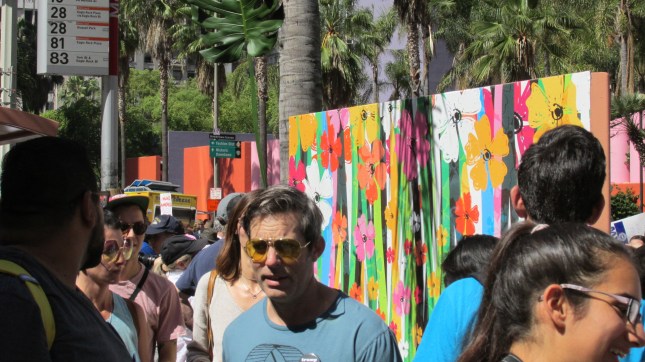
The sidewalks were so crowded it wasn’t always easy to get around.

I could hear people speaking over a PA in Pershing Square, so I headed over there. The crowd was so thick I couldn’t get near the stage, so I wandered around and snapped a few photos.

MS 20 Crowd Orange

I couldn’t get near the stage in Pershing Square…

MS 21 Crowd Darkness

…so I made my way through the throng…

MS 22 Crowd Vert

…to another part of the plaza…

MS 25 Misc Santas

…where I ran into Santa Claus.

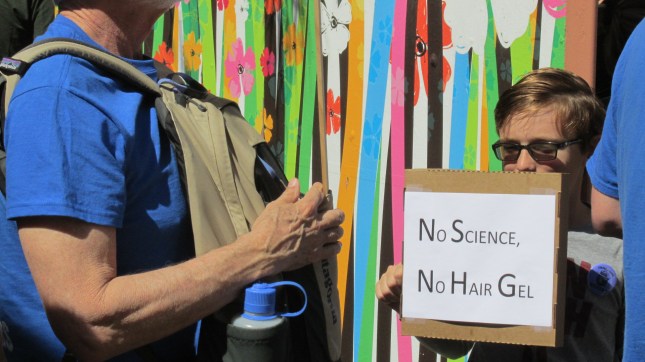
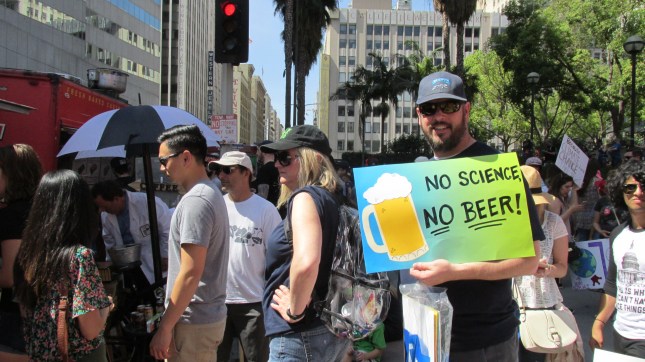
Here are a few signs that jumped out at me.

MS 30 Sign Gel

My favorite sign of the day.

MS 32 Sign Beer

The scariest sign of the day.

MS 34 Sign Sign

The most honest sign of the day.

Finally the march got started. A huge crowd headed up Hill Street and then over to City Hall.

MS 40 March Crswlk Truck

The crowd getting ready to march.

MS 42 March Hill North 2

Protesters made their way up Hill Street.

MS 44 March Blue Ts

Another shot of the march.

MS 46 March She Blinded

And yet another shot of the march.

Earth Day is over, but the fight is just starting. We need to speak out loudly against policies that put profit ahead of the planet. To learn how you can get involved, visit the March for Science web site.

March for Science

MS 70 Crowd St V