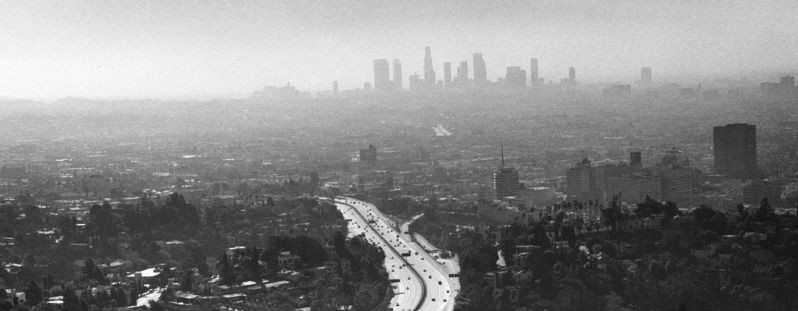
The LA area grew rapidly in the first half of the 20th century, and after WWII the population continued to climb. Spurred in part by the growth of the freeway system, subdivisions started springing up all over the place, and LA’s car culture kicked into high gear. Families went to see movies in drive-in theatres. Teen-agers spent Saturday night at drive-in restaurants.
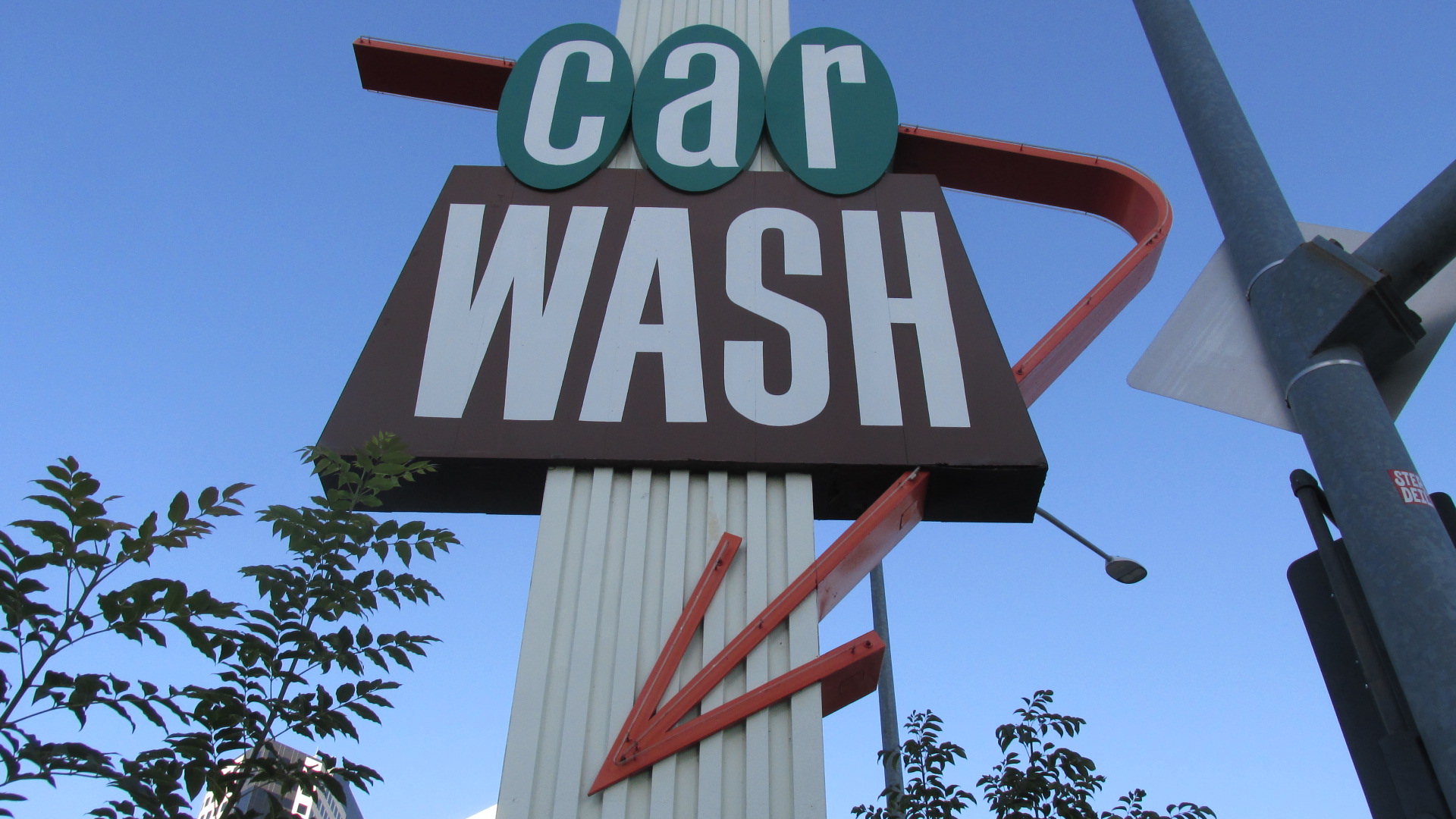
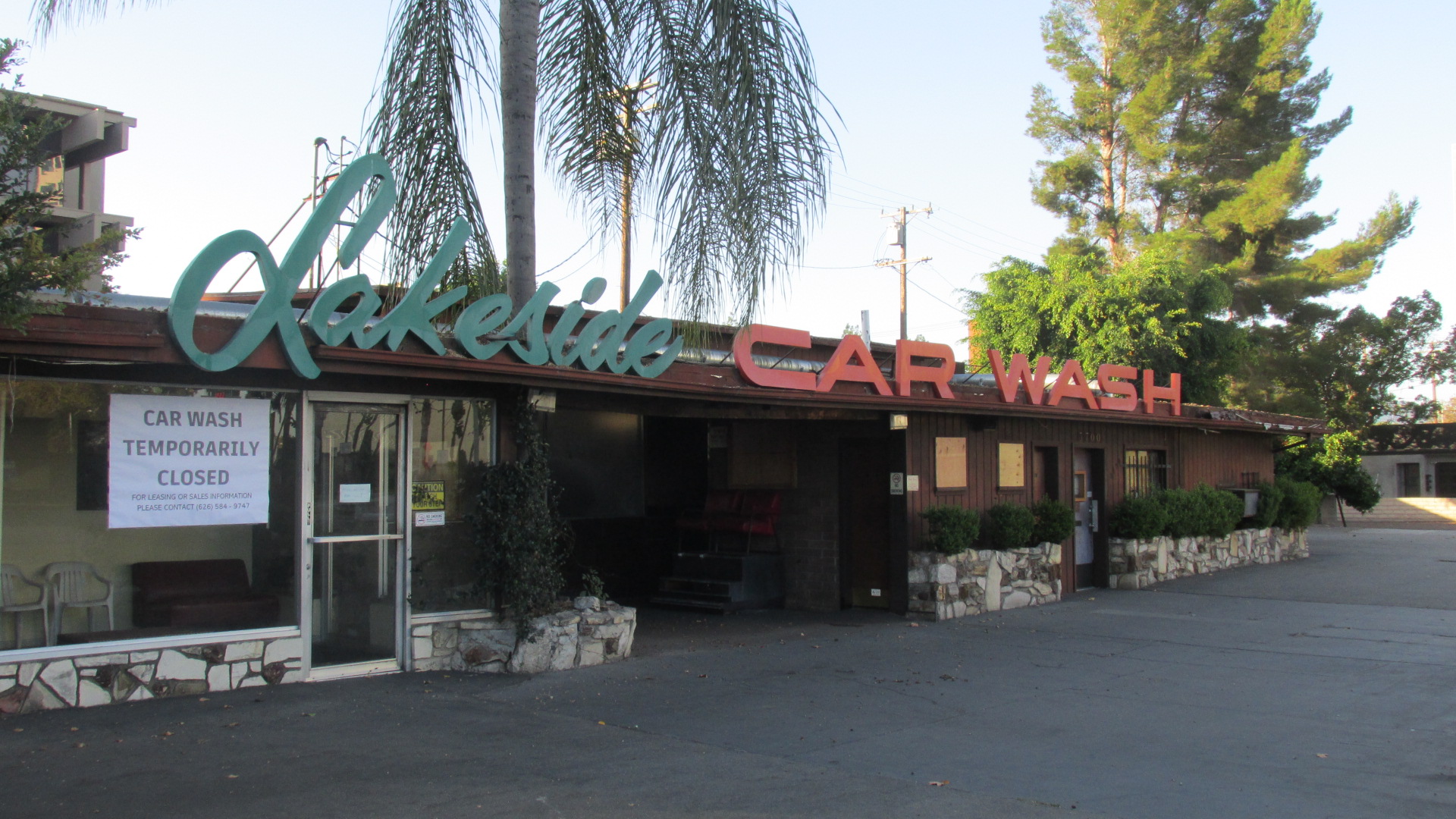
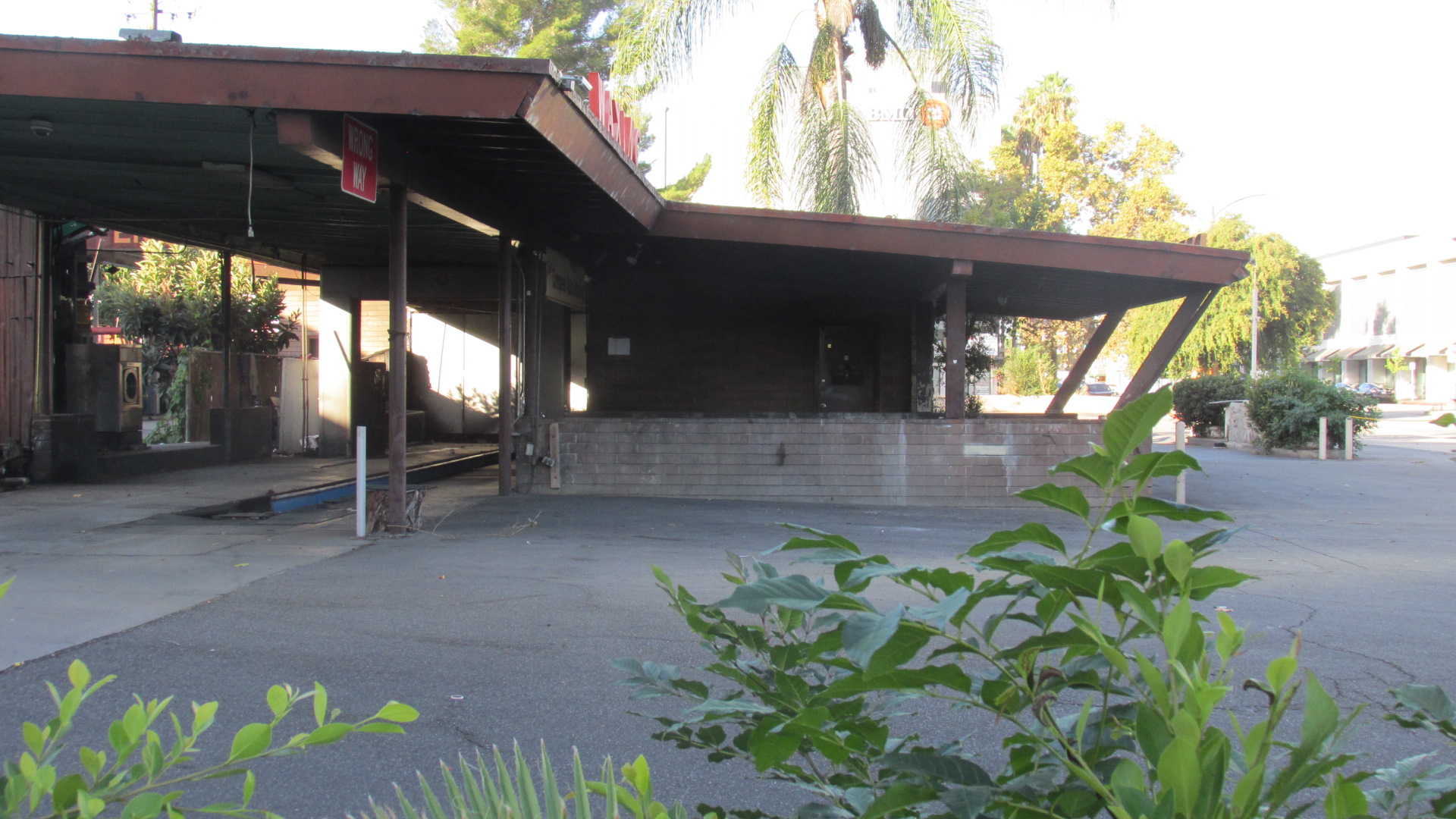
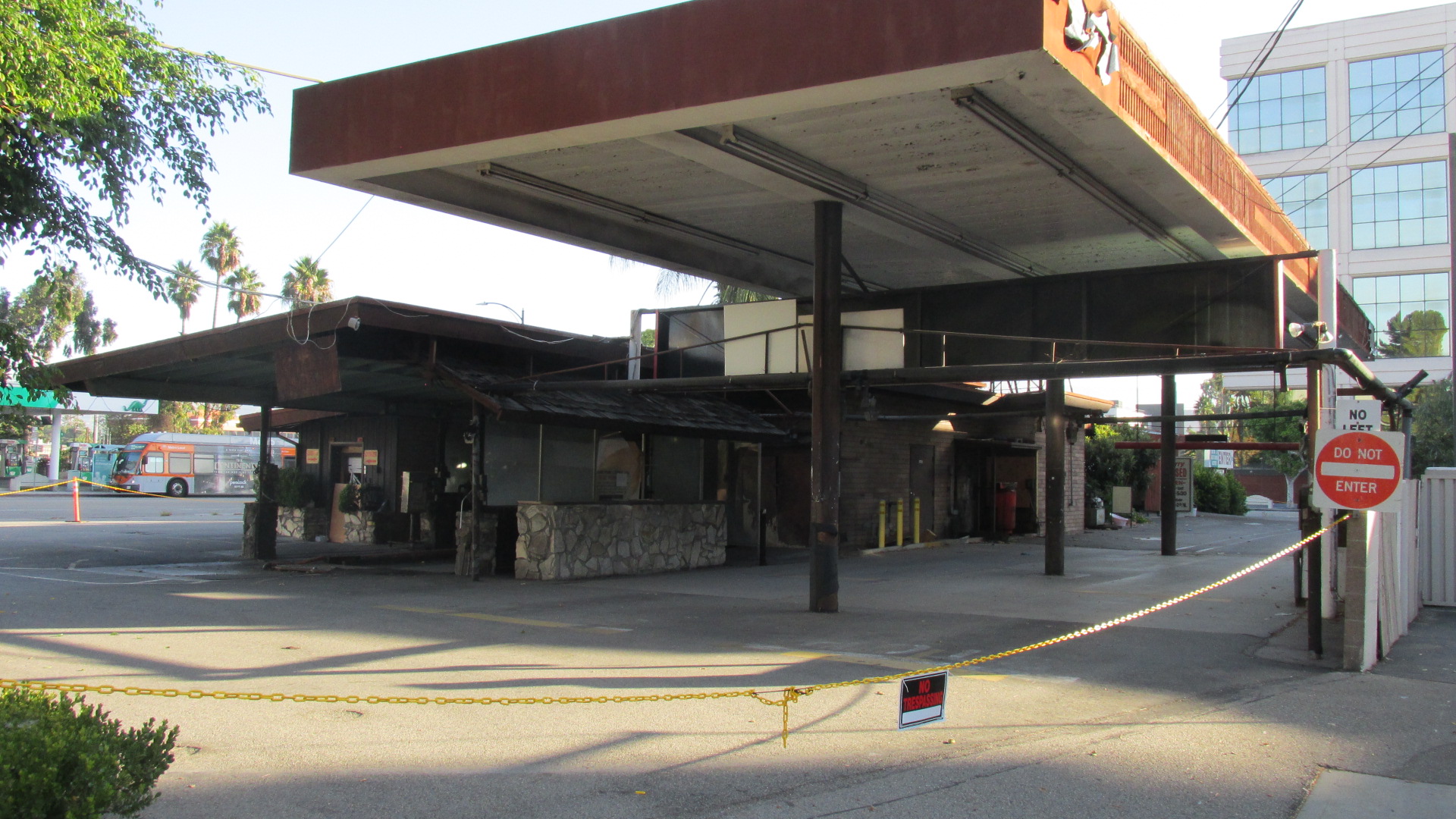
And the car wash became a familiar fixture in these new communities. According to the LA Conservancy, the Lakeside Car Wash, located at Riverside and Hollywood Way, debuted in 1956. The architect is unknown, but the structure stands out for its surprising combination of rustic ranch style and mid-century modern. The Conservancy points out the connections to the Googie coffee shops that were popping up all over LA at the time.
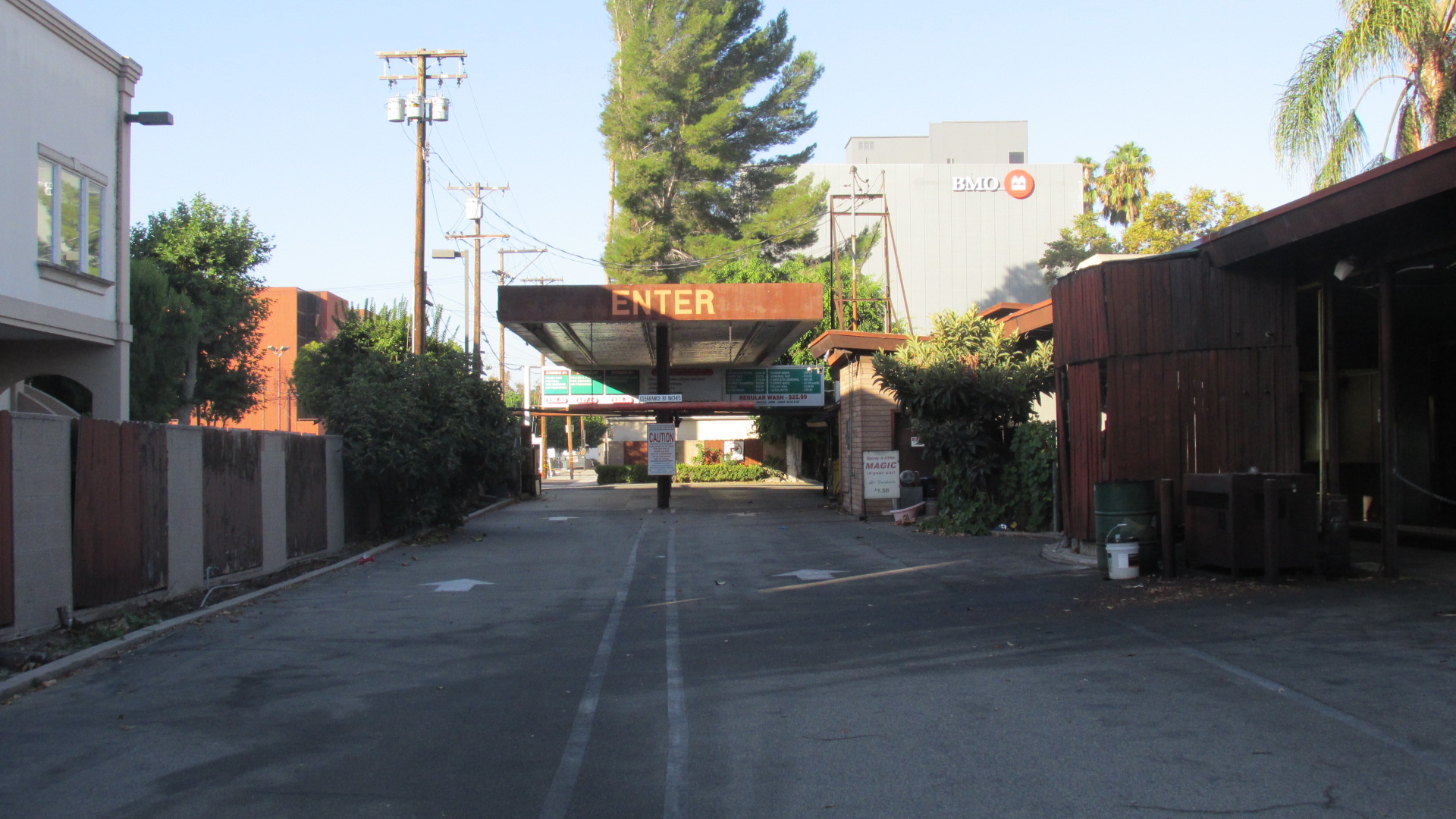
View of Lakeside Car Wash from Riverside Drive.Entrance to car wash
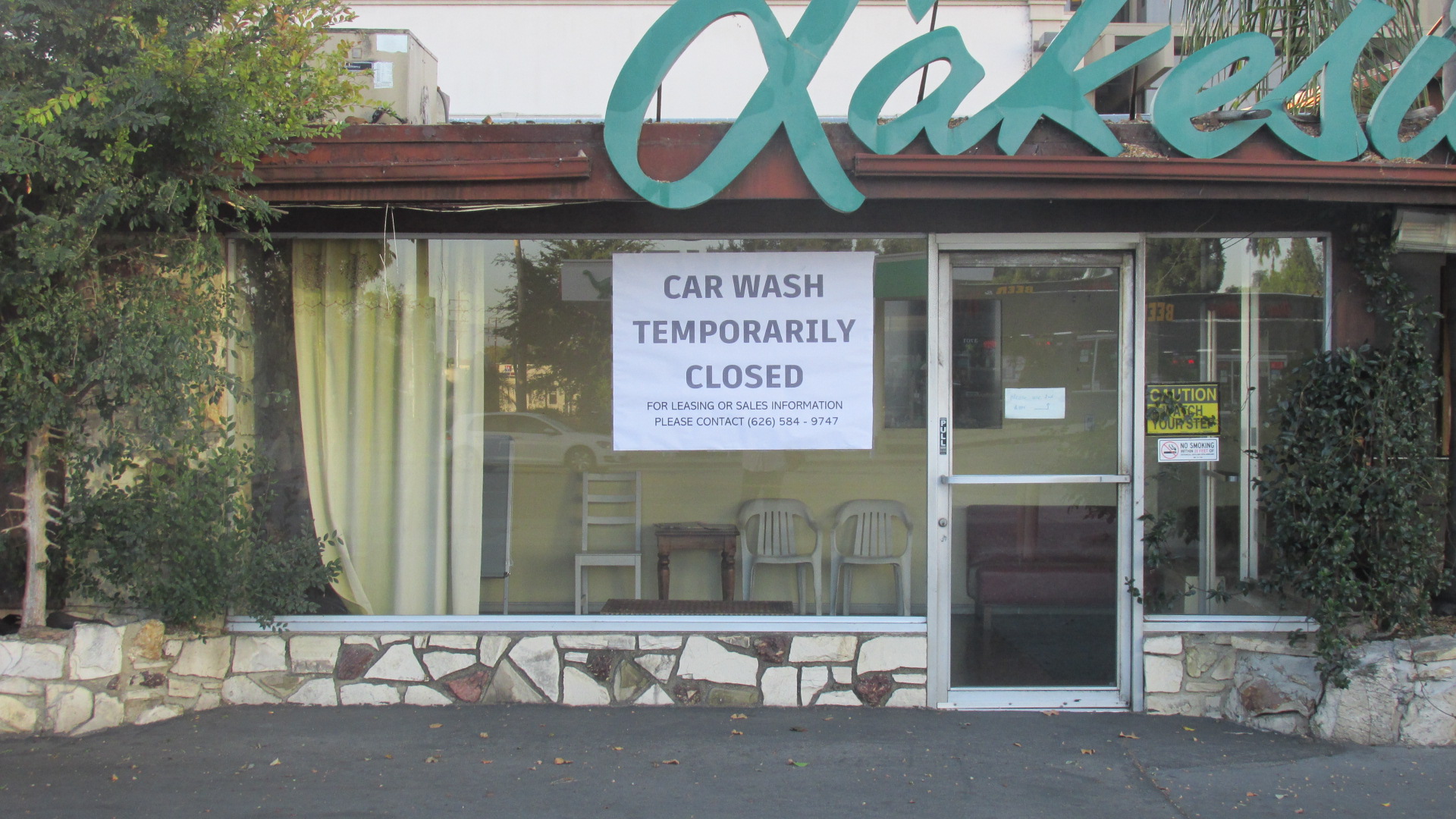
But whatever its architectural merits, the Lakeside Car Wash is now closed and will almost certainly disappear in the not too distant future. In April 2022, the City of Burbank approved the construction of a mixed-use project on the site, which includes 49 condos and 2,000 square feet of commercial space and open space located at street level.
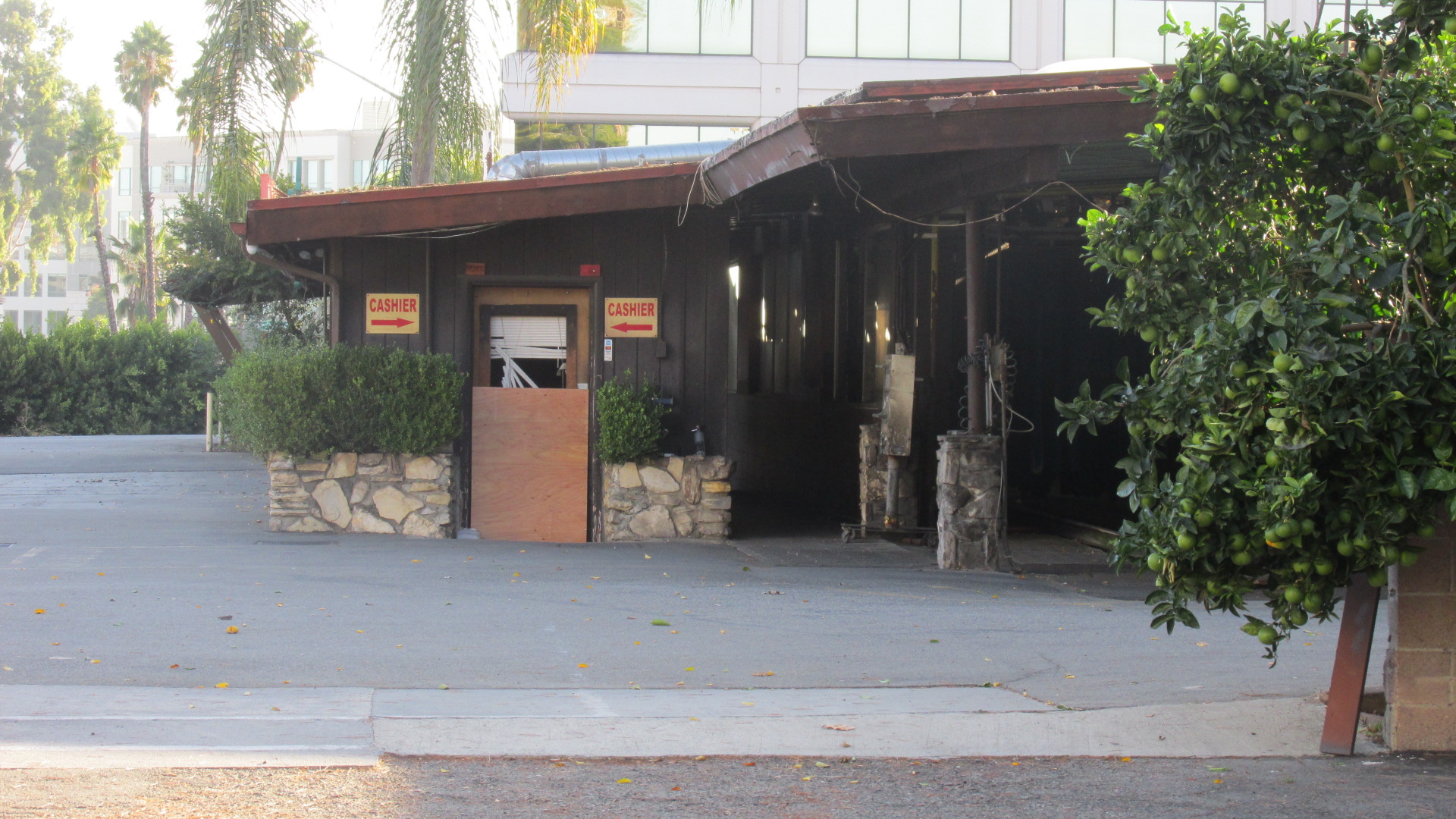
Side view from Hollywood WayThe back of the car washActually, the closure is probably permanent.The cashier’s office
Remnants of the early days of California’s car culture have been disappearing for years. The Reseda Drive-In Theatre was shuttered back in the 70s. The Tiny Naylor’s at Sunset and La Brea, a Googie classic, was demolished in the 80s. Burbank’s Pickwick Drive-In Theatre went dark in 1989 and is now a shopping center.
But car culture isn’t disappearing, it’s just changing. These days more California households have access to cars than ever before. Check out this quote from Falling Transit Ridership, a study published by UCLA in 2018….
Census summary file data show that from 2000 to 2015, the SCAG region added 2.3 million people and 2.1 million household vehicles (or 0.95 vehicles per new resident). To put that growth in perspective, from 1990 to 2000 the region added 1.8 million people but only 456,000 household vehicles (0.25 vehicles per new resident). The growth of household vehicles in the last 15 years has been astonishing.
The Lakeside Car Wash will soon be gone, but cars are here to stay. They’ll just have to go somewhere else to get clean.
I don’t listen to the radio much. I remember hearing Art Laboe’s name when I was a kid. I knew he was a DJ, and I may have heard his show when I was growing up. But I really didn’t know much about him until I read his obituary last October.
Reading about his life, I felt a rush of happiness and sadness. I’m not sure I can explain why, but I think it had to do with the fact that he spent his time on earth bringing people together. From the lovers who called in asking him to dedicate a song to someone they cared about, to the kids from East LA, West LA, and South LA who gathered at the live shows he organized.
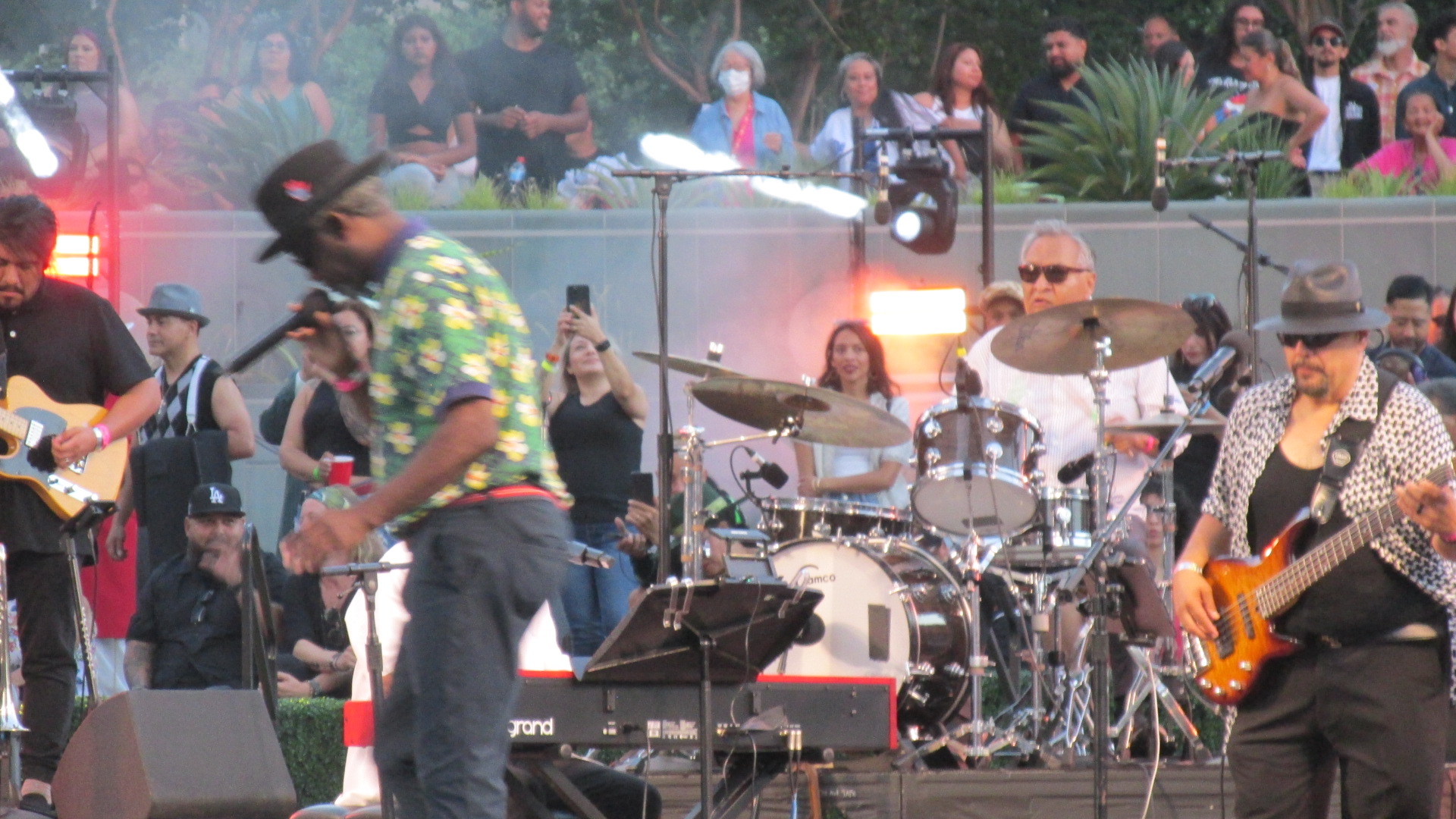
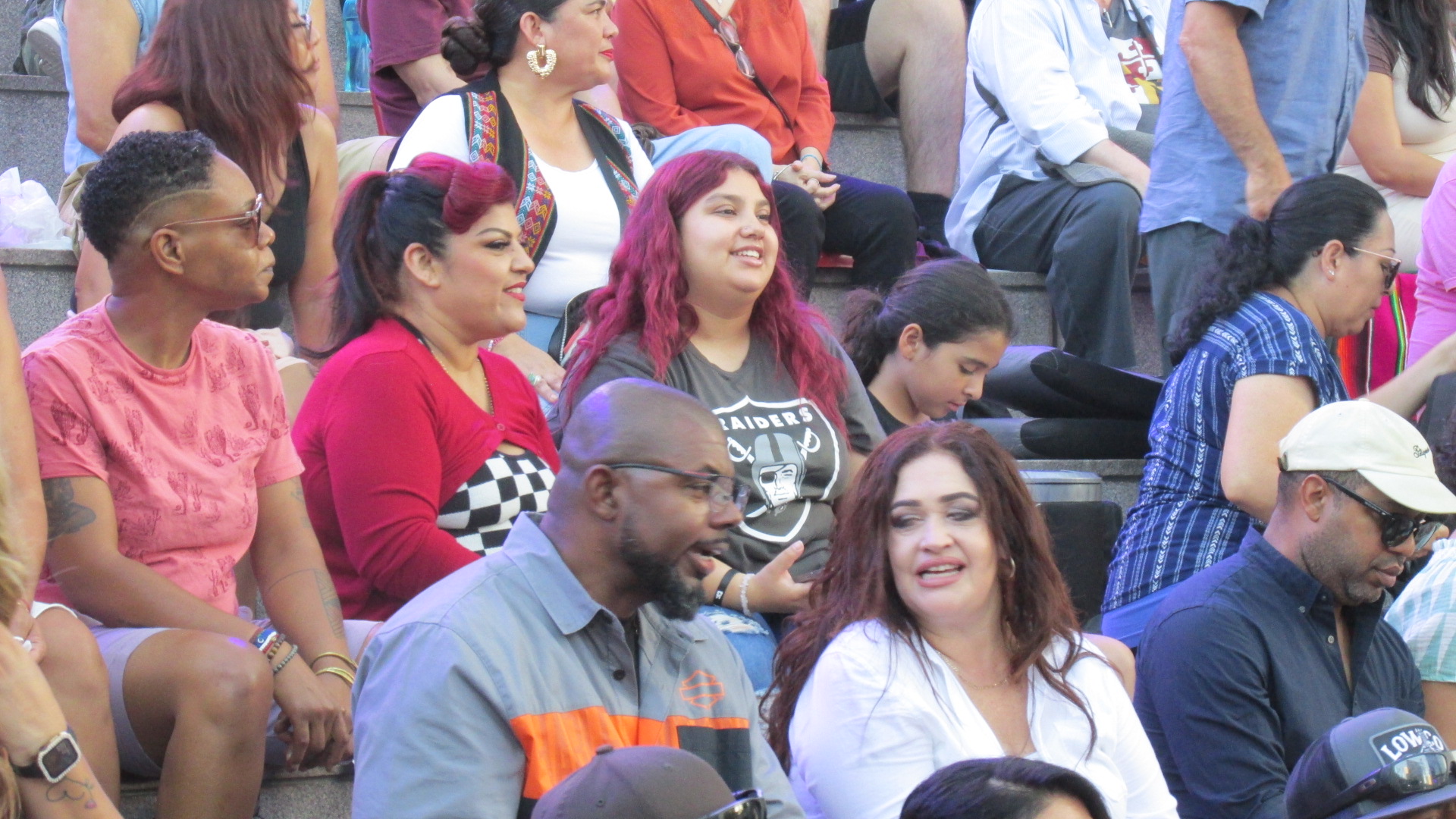
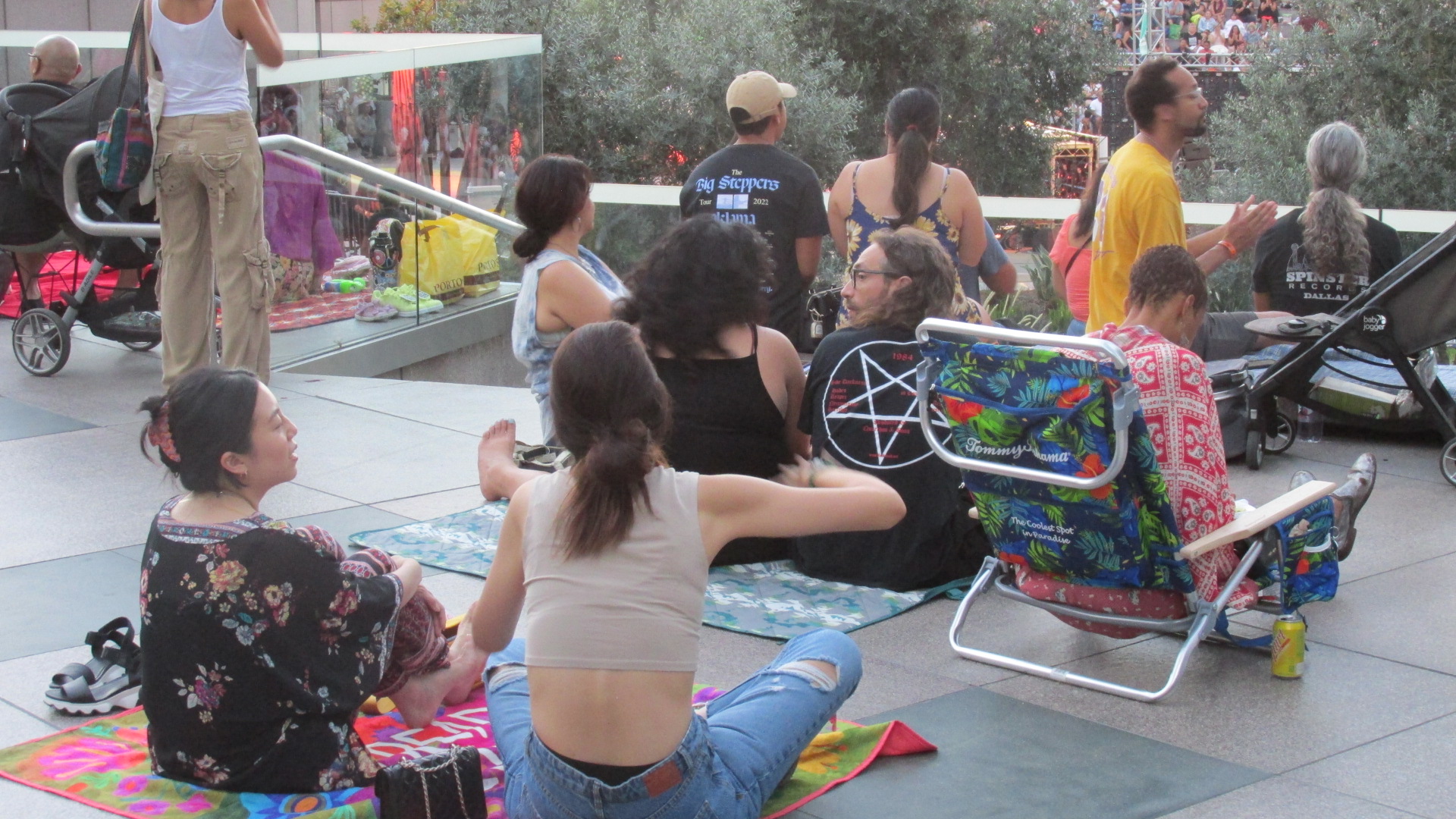
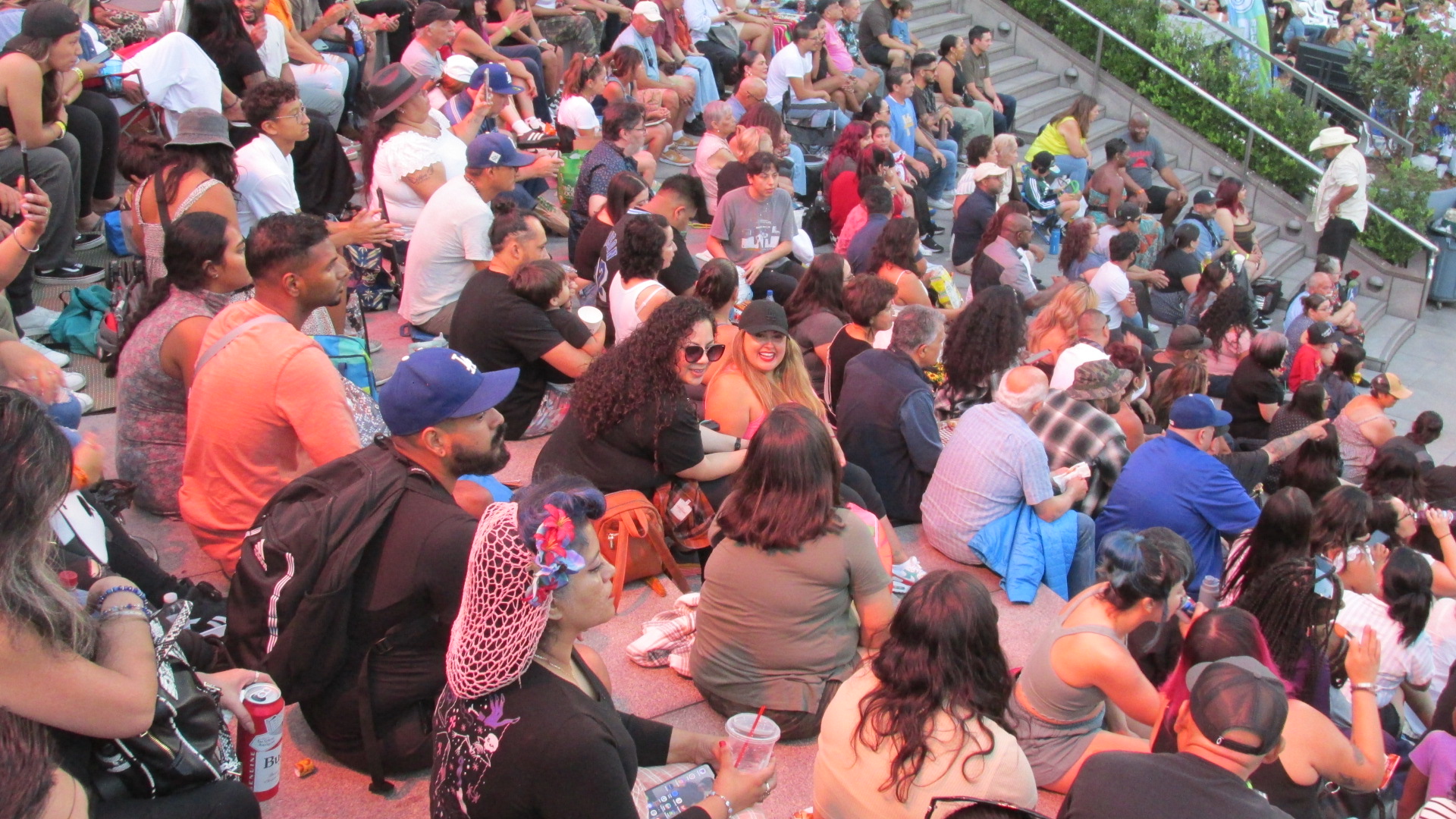
On Saturday, August 5, thousands of people gathered in Downtown LA to pay tribute to Laboe. DJs spun oldies and live performers took the stage to sing their versions of favorite tunes. People from all over Los Angeles showed up, and everybody seemed to be having a good time.
We are so divided these days. There are so many voices in the media that seem determined to drive us apart. We really need voices that can reach across the lines that divide us. Art Laboe understood the power of music, and he used it to erase those lines. We need people like him now more than ever.
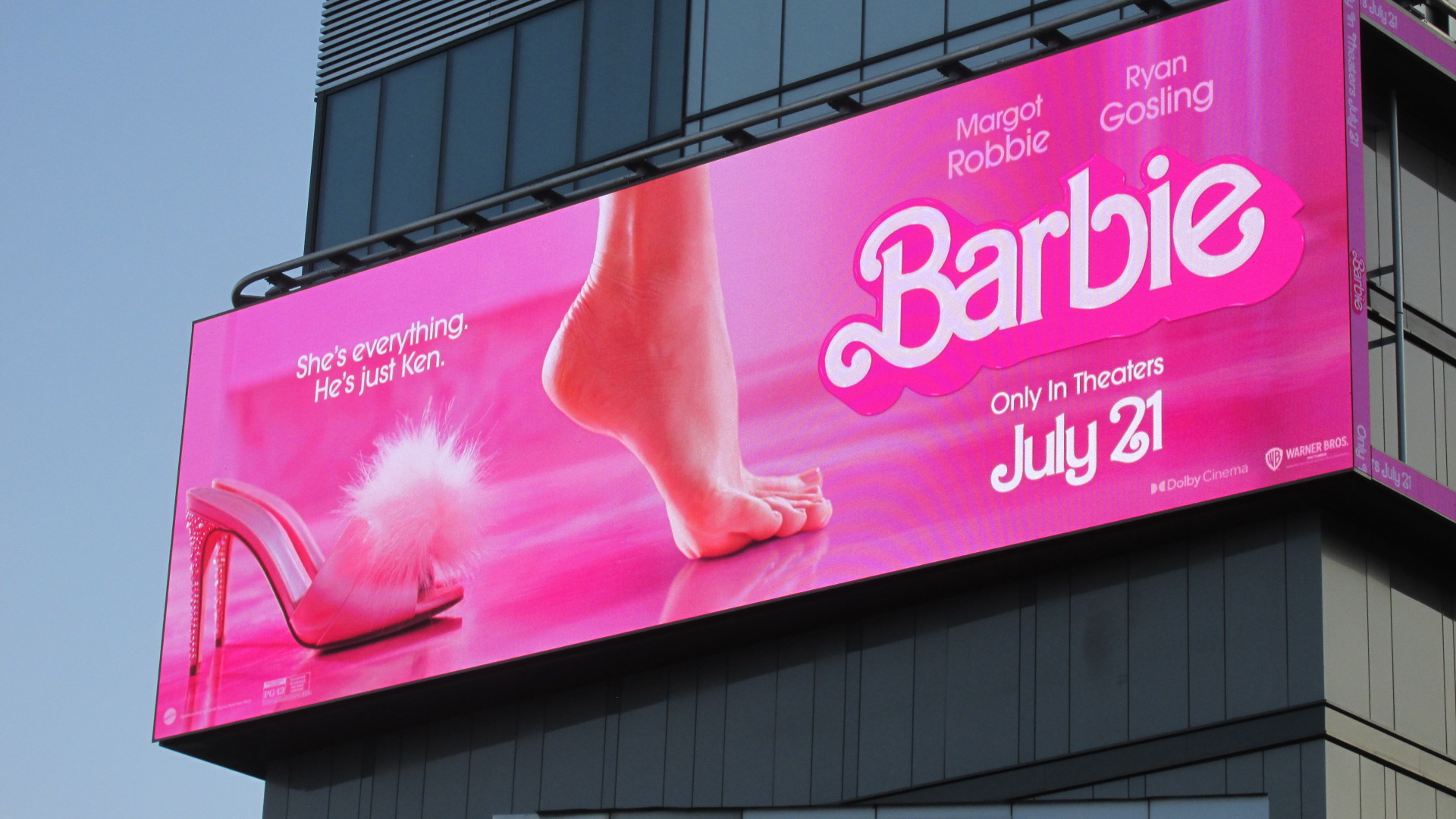
Are you ready to have scores of digital billboards installed in neighborhoods all over the City of Los Angeles? Well, whether you’re ready or not, the City is moving forward with approval of a new ordinance that would allow exactly that. LA City Planning has posted the Final Draft Ordinance which would allow LA Metro to install scores of digital billboards throughout the city for its so-called Transportation Communication Network (TCN). There are reasons to believe that the TCN has been a con from the start, but more about that later.
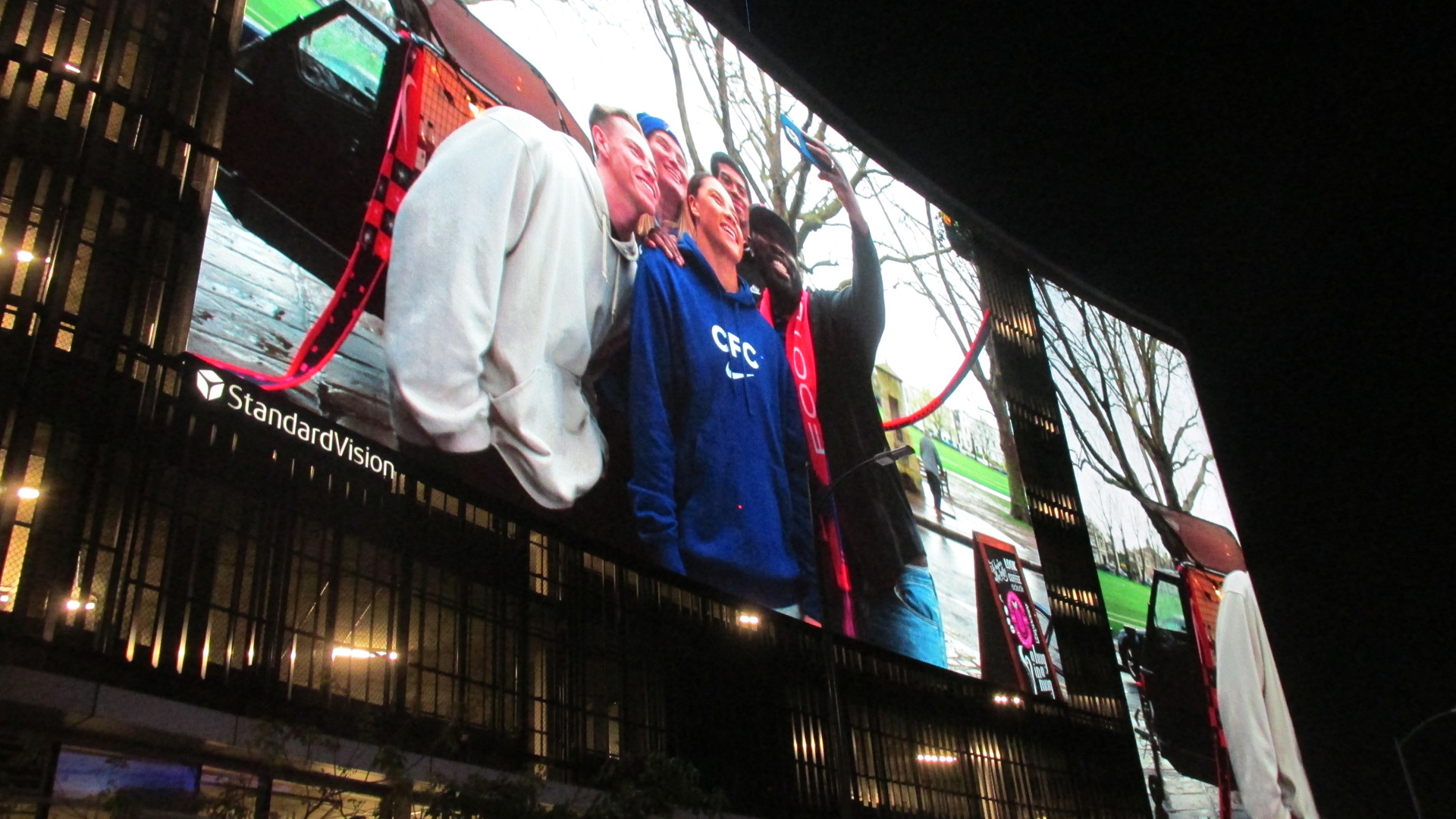
Under the new ordinance, Metro would be allowed to erect 86 digital billboards at locations throughout the City of LA. The billboards would range in size from 672 square feet to 1,200 square feet, for a total maximum amount of up to 55,000 square feet. Metro wants us to believe we’re getting a good deal because they’ll be taking down 110,000 square feet of conventional billboards, but does that really seem like a good trade-off to you? Since the images on digital billboards are constantly changing, we’ll be subjected to more advertising than ever, and with more ads competing for our attention, it seems likely to cause an increase in distracted driving.
There are also serious privacy concerns. One of the reasons digital outdoor advertising is so profitable is that it involves the collection of consumer data to learn about consumer behavior. Metro claims that no personal data will be collected as part of the program, but can we really trust them? William Eccleshare, former CEO of Clear Channel Outdoor, has bragged about how the company can follow you to a store, can gather info on what you purchase, and can even find out what you’re watching on TV. This August 2020 article from the LA Times offers more chilling background on how advertisers are collecting your data.
Metro has already allowed Clear Channel to install digital billboards in Downey and Long Beach. Ad companies insist that no personally identifiable information is being collected, but no one really knows what they’re gathering. And because the data collection industry is almost totally unregulated, you really don’t know where the data goes or who has access to it.
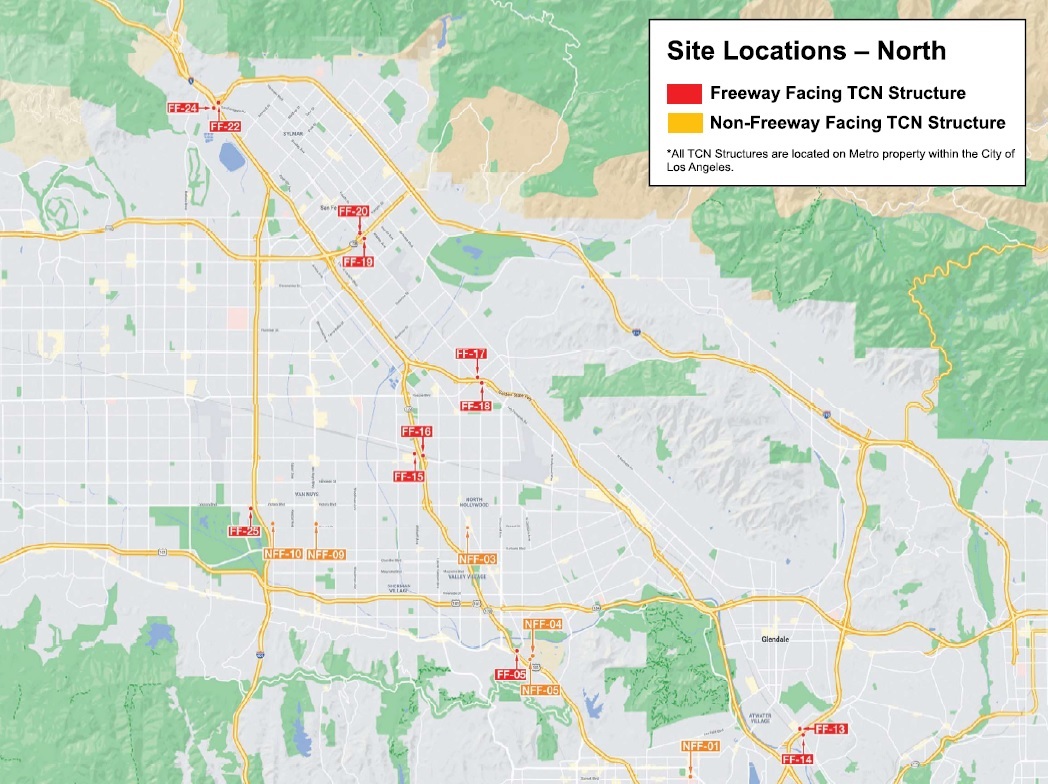
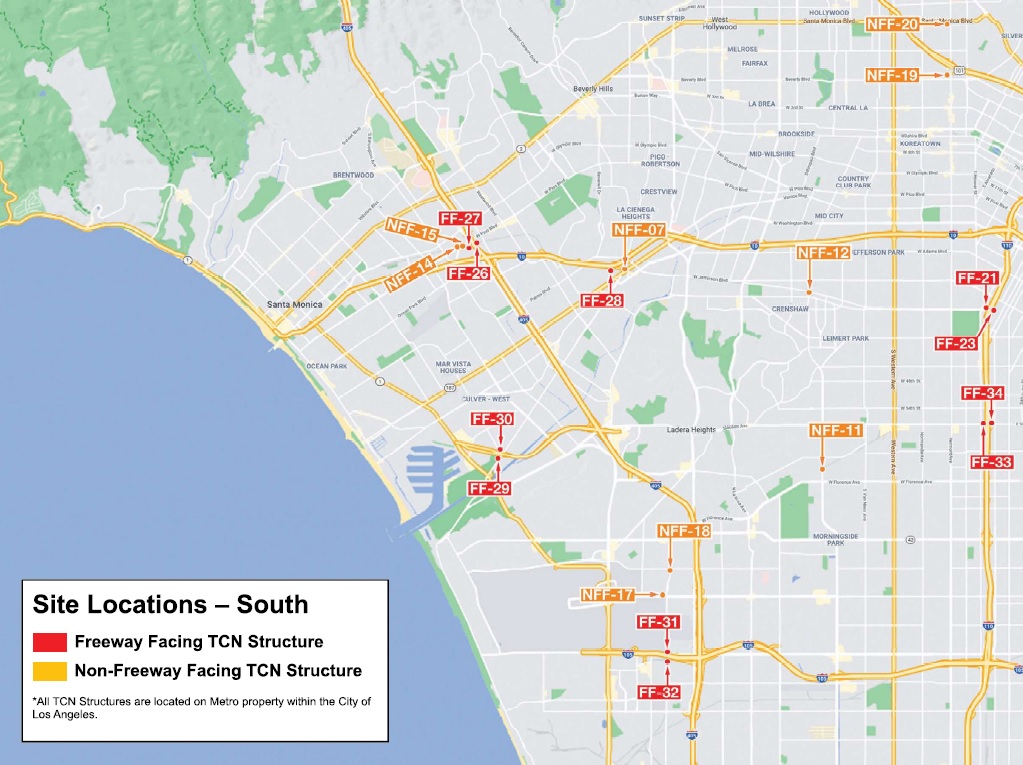
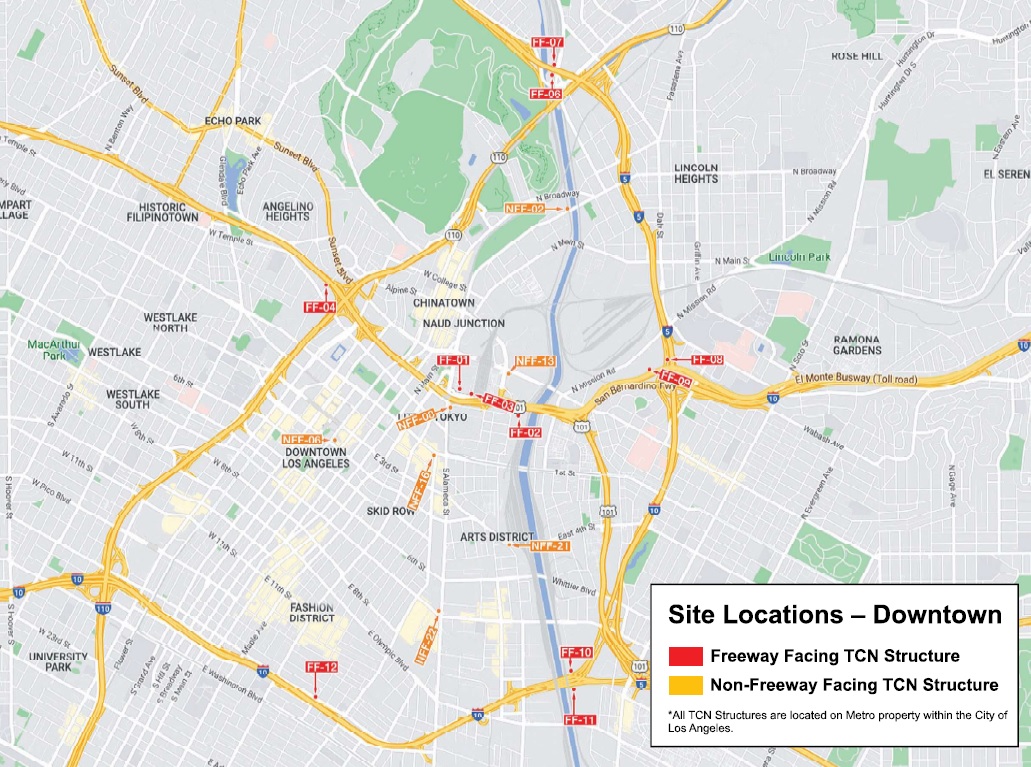
The digital billboards will be installed in communities all across the city. Check out these maps from the Environmental Impact Report to see the locations.
TCN digital billboard locations in the ValleyTCN digital billboard locations in Central and South LATCN digital billboard locations in Downtown LA
If you want to let your LA City Council rep know how you feel about the Transportation Communication Network Ordinance, and the prospect of opening the door to digital billboards citywide, here’s their contact info.
Before going on, in the interest of full disclosure, I should acknowledge that I work with a group called Citizens for a Better Los Angeles that has filed a lawsuit to stop the TCN. But I’m writing about this as an individual because I’m so disturbed by so many aspects of this program. I’m concerned about the collection of personal data on a massive level. I’m outraged by this massive invasion of our public space. And I’m furious about the level of dishonesty exhibited by both the Metro Board and members of the LA City Council.
Remember that, although these billboards will all land in the City of LA, the so-called “Transportation Communication Network” is Metro’s project. The City of LA is preparing this ordinance to change the LA Municipal Code to allow widespread deployment of digital billboards by Metro. Metro announced it would preparing an Environmental Impact Report for the TCN in 2022. According to the Notice of Preparation, the TCN would….
[….] provide a network of structures with digital displays (TCN Structures) that would incorporate intelligent technology components to promote roadway efficiency, improve public safety, augment Metro’s communication capability, provide for outdoor advertising where revenues would fund new and expanded transportation programs consistent with the goals of the Metro 2028 Vision Plan, and result in an overall reduction in static signage displays throughout the City of Los Angeles.
The first problem with this is that we already have existing infrastructure that does most of the things that the TCN is supposed to do. The Regional Integration of Intelligent Transportation Systems (RIITS) is a network of systems that gathers transportation related data throughout Southern California and offers it to local transportation agencies. Here’s what it says on the RIITS “About” web page….
Vision
RIITS’ vision is to deliver multi-modal transportation information services through a flexible platform to achieve regional mobility, safety and sustainability goals.
Mission
Our primary mission is to support the exchange of transportation information and resources between and within government organizations for regional operational mobility improvements.
If it sounds like RIITS and TCN have a lot in common, it’s because they do. The existing RIITS network is already doing a lot of the things Metro claims TCN will do. And Metro could expand the RIITS system without installing a single digital billboard. Sensors, cameras and wireless infrastructure are already widely deployed across our system of roads and freeways, so TCN isn’t really offering anything new.
Except, of course, digital billboards.
Remember, according to the 2022 Notice of Preparation, the TCN involved the placement of new advertising structures and a reduction in the number of existing static billboards. But was this really something new? Actually, no. It’s a continuation of Metro’s Billboard Program, which has been in existence for over a decade. An August 2016 Metro Board Report gives a detailed account of how Metro has been working with a company called Allvision to cut deals with cities where they agree to allow new digital billboards in exchange for the removal of static billboards. Here’s what the report says about the City of LA….
“All Vision and Metro staff have had preliminary discussions with the City of Los Angeles. The City is considering various options for the adoption of a new billboard ordinance. The City of Los Angeles Project offers Metro the greatest potential for new revenue from the conversion of static billboards to digital billboards.”
So in 2022 Metro announced it was preparing an EIR for the Transportation Communication Network, and also in 2022 Councilmember Paul Krekorian submitted his motion for an ordinance that would allow “digital off-site signs to be displayed on structures that are part of the Transportation Communication Network Program”. But the Metro Board Report shows they’ve been talking about this since 2016. By calling it the “Transportation Communication Network” they’re actually just rebranding Metro’s long-standing Billboard Program. And the “new billboard ordinance” mentioned in the Board Report is obviously the TCN Ordinance which Krekorian proposed.
Above I suggested that people call their LA City Council rep if they’d like to share their views on the Transportation Communication Ordinance (TCN). You can also submit something in writing by posting a comment to the council file.
How much alcohol at LA City parks is too much alcohol? It appears that the City of LA doesn’t believe there’s any such thing as too much alcohol at city parks. At the April 20 meeting of the Board of Recreation and Park Commissioners, one of the agenda items was a proposal to revise the Recreation & Parks Alcoholic Beverage Policy.
The current policy says only beer and wine can be served at public events in LA City parks, and it limits the number of events where alcohol is served to no more than one event per park per year. The proposed revisions would allow the sale of a full line of alcoholic beverages and remove any limits on the number of events where alcohol is served.
Does that really seem like a good idea? Opening up our parks to an unlimited number of events that offer booze to attendees? There are so many problems with this it’s hard to know where to begin.
First, while the revised policy requires that event organizers hire security, the security is only going to be dealing with issues at the site of the event. What happens when people who’ve had too much to drink leave the area and start wandering around the park? Or get into their cars and start driving home? Just last year a cyclist riding through Griffith Park was hit and killed by a motorist. Police said the driver appeared to have been drinking.
Second, allowing more events that serve alcohol will likely bring a lot more people to LA’s parks, but the Department of Recreation & Parks hasn’t been able to properly maintain these important resources for years. Sadly, Rec & Parks has been the victim of severe budget cuts, and has been struggling without proper staffing. Increasing the number of visitors without increasing the budget for Rec & Parks just means the Department will be more burdened than ever.
And then there are the environmental issues. If increasing the number of events that offer alcohol would increase the number of visitors to LA’s parks, it seems likely that there would be significant impacts to the environment. This is especially true if the policy change means more live music festivals, which is almost certainly the case. There’s no sign that Rec & Parks has done any kind of environmental review, and there’s no way they could claim that this policy change wouldn’t have any impacts.
One impact would be traffic. I know our leaders like to pretend that nobody drives any more and everybody takes transit, but if you believe that’s true, you should check out the full parking lot and the cars lining the street on the periphery of the LA State Historic Park. You can see the same at many of LA’s other parks. Unfortunately, the vast majority of Angelenos still drive cars to get where they want to go.
Another impact is solid waste, and again, more music festivals would be a particular problem. The City will tell you that all the empty aluminum and plastic containers discarded at these events can be recycled, so there’s no impact to the environment. Sure, they can be recycled, but they’re often not, and the City has been struggling for years to comply with a State mandate that it divert 50% of its solid waste to recycling. More music festivals would also likely have significant impacts on habitat and wildlife, and these impacts should also be assessed.
One of the motivations for this policy change may be to generate more revenue for Rec & Parks, and the Department certainly needs more funding. But the change will probably result in higher costs, too, and there’s no sign that this has been analyzed. Before even considering increasing the number of events that offer alcohol, the Department should do a study to analyze whether increased revenue would offset the increased costs.
There may be good arguments for increasing the number of events that offer alcohol at LA’s parks, but lifting the current caps to allow an unlimited number, especially if serving a full line of alcohol is allowed, does not make sense. It might make sense to allow a small increase in the number of events with alcohol. Or it might make sense to designate certain parks that could host these events. Rec & Parks should study a few different options, and weigh the benefits against the costs. They also need to do environmental review.
If you’d like to offer input on the proposed revisions to Rec & Parks’ Alcoholic Beverage Policy, you can send an e-mail to the Board of Commissioners:
RAP.COMMISSIONERS@LACITY.ORG
You might also copy General Manager Jimmy Kim and his Administrative Assistant, Desiree Ramirez:
Jimmy.Kim@lacity.org
Desiree.Ramirez@lacity.org
It also couldn’t hurt to contact your LA City Councilmember to let them know how you feel.
There may be ways to update the current policy that would provide benefits, but just opening the door to an unlimited number of events with alcohol is not a good idea.
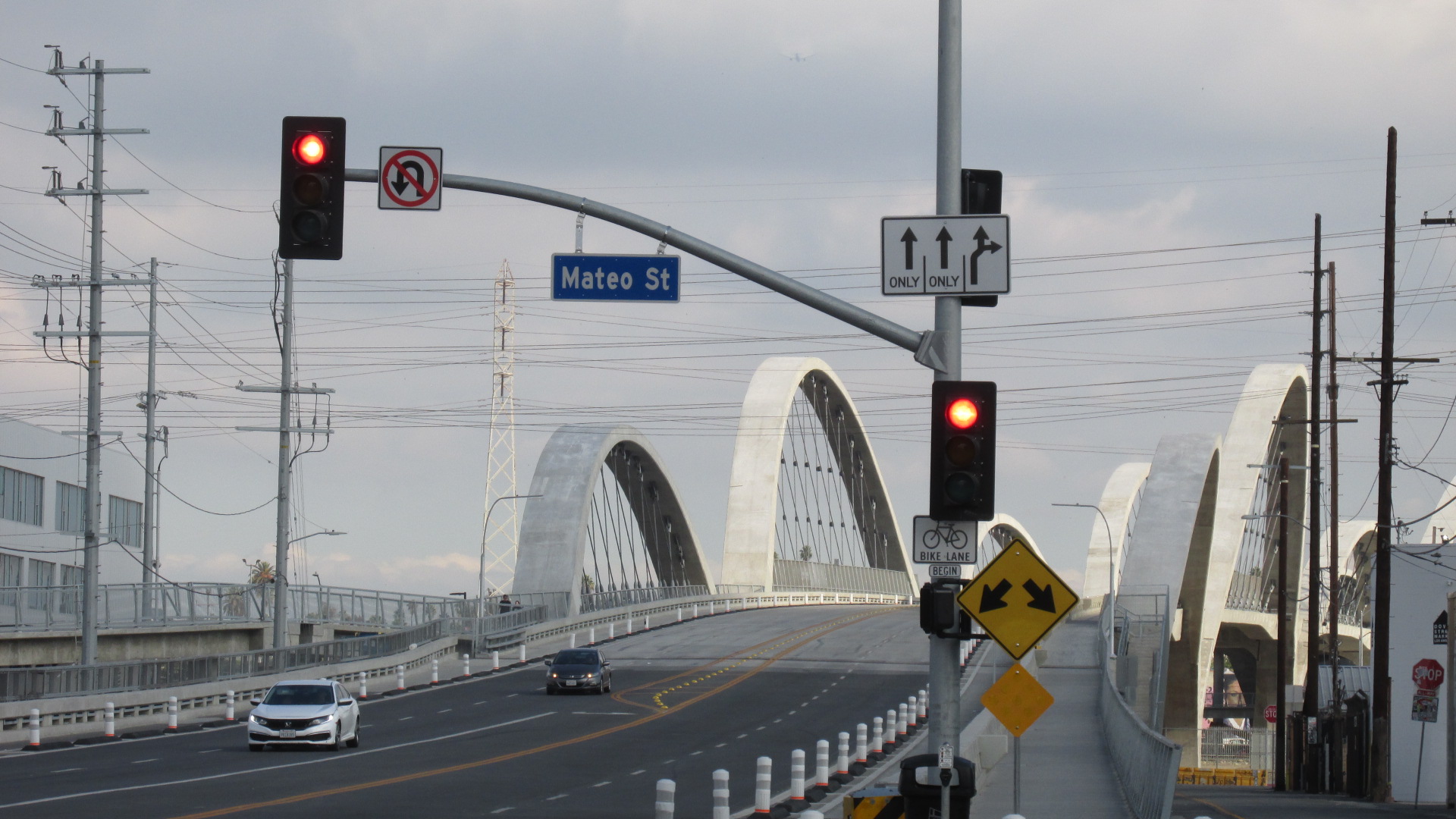
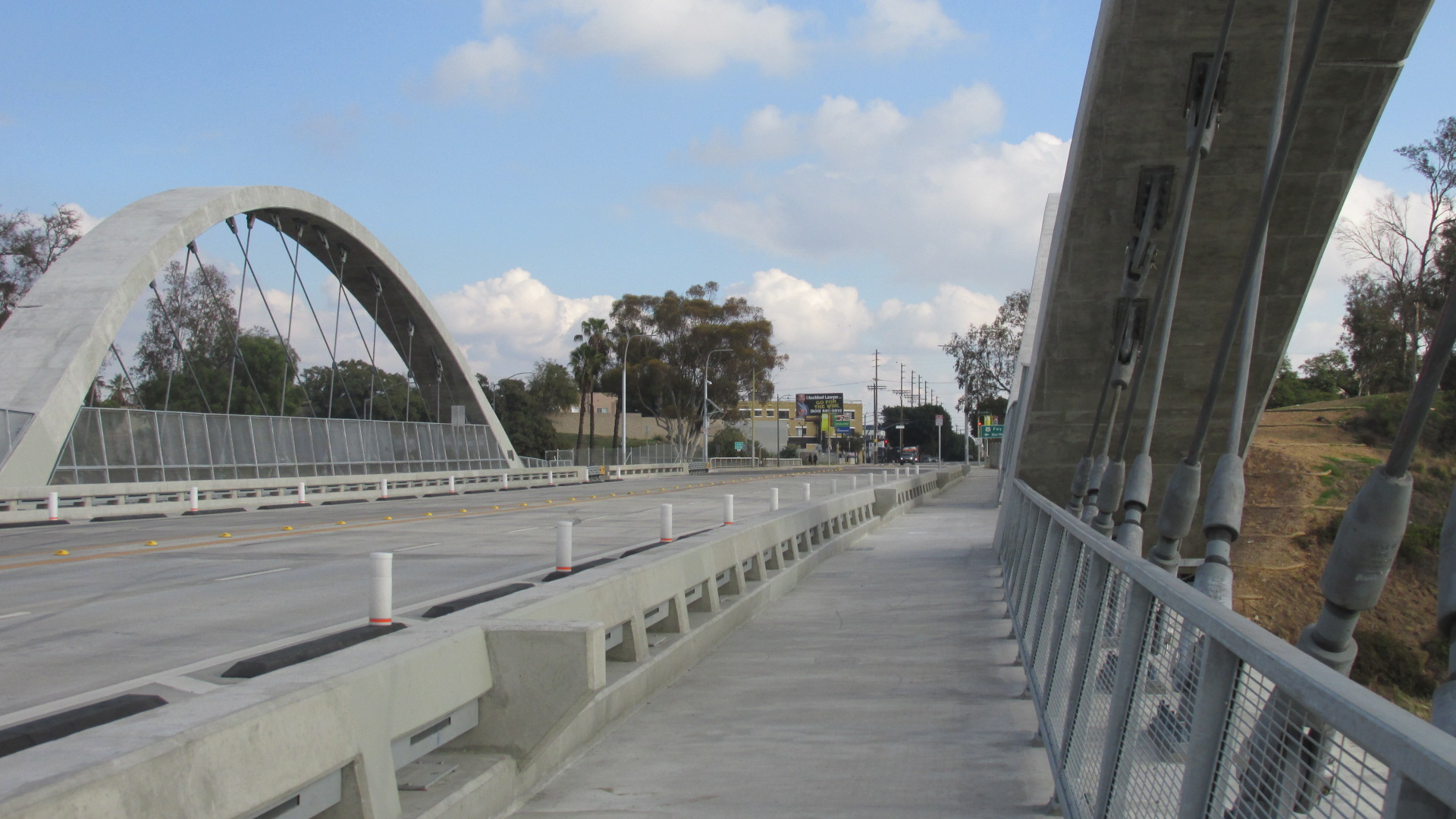
A view of the Sixth Street Bridge from Mateo Street.
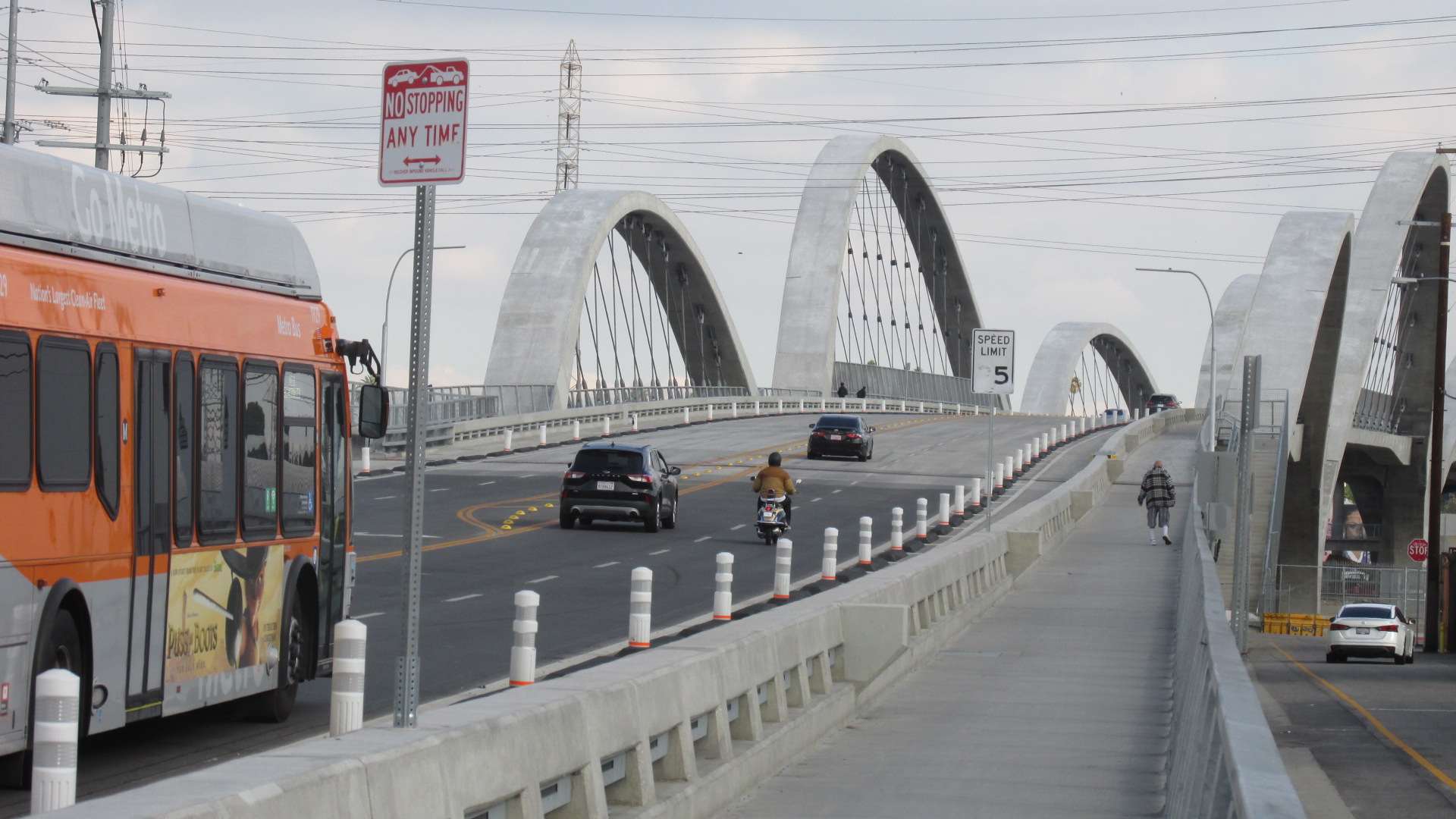
The new Sixth Street Bridge opened in July of this year. The first few weeks were pretty chaotic, with drivers doing stunts, daredevils climbing the arches, street artists getting creative with spray paint, and more. Things got so bad the LAPD ended up closing the bridge just to keep a lid on the mayhem. Scenes of crashes, fireworks and people partying were making the nightly news.
Starting across the bridge from the Downtown side.
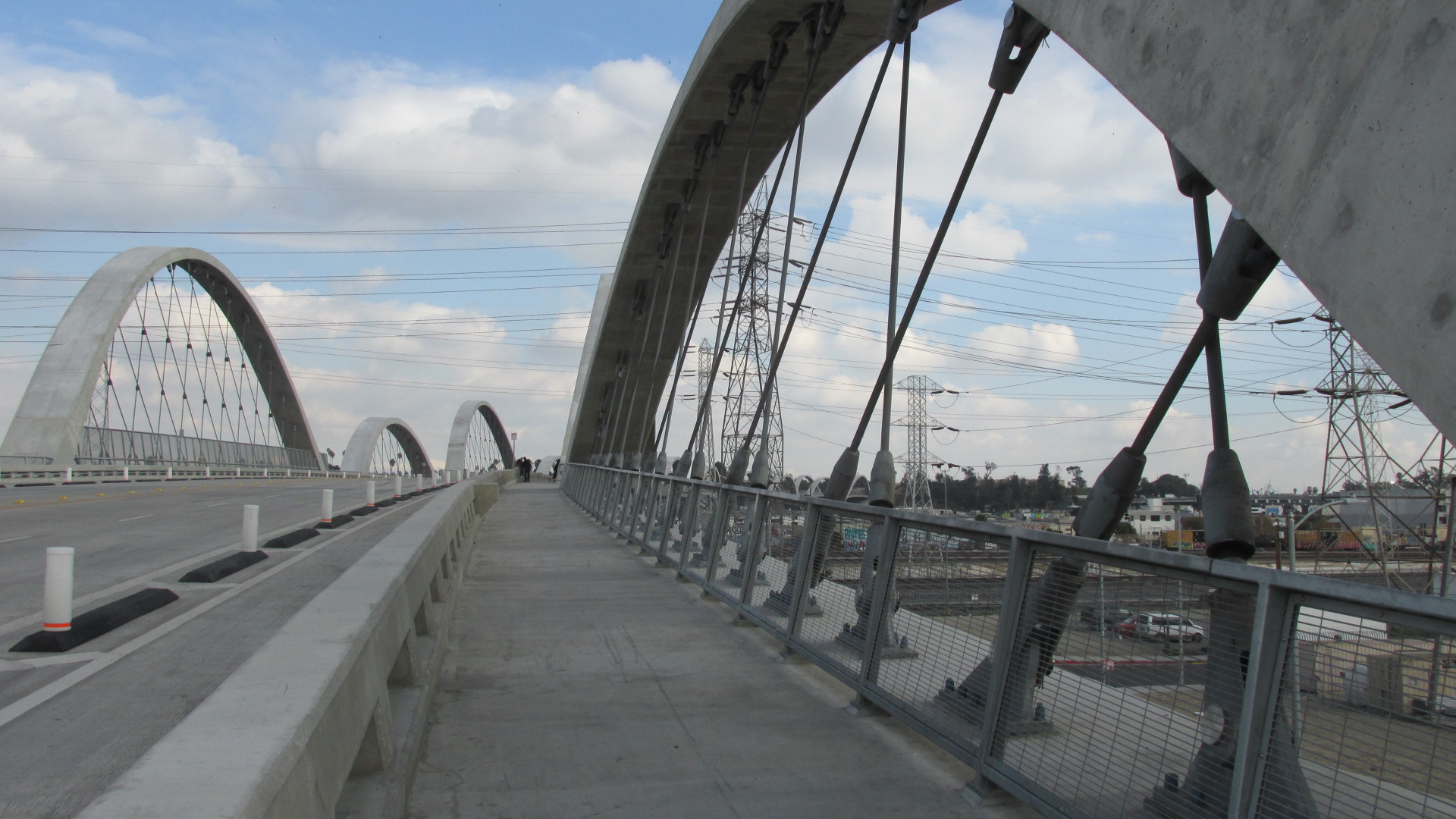
But now all the chaos seems to have faded away. When I took a walk across the bridge earlier in December, there wasn’t much traffic and I saw only a handful of pedestrians. It was a cool, cloudy day, and things seemed pretty peaceful.
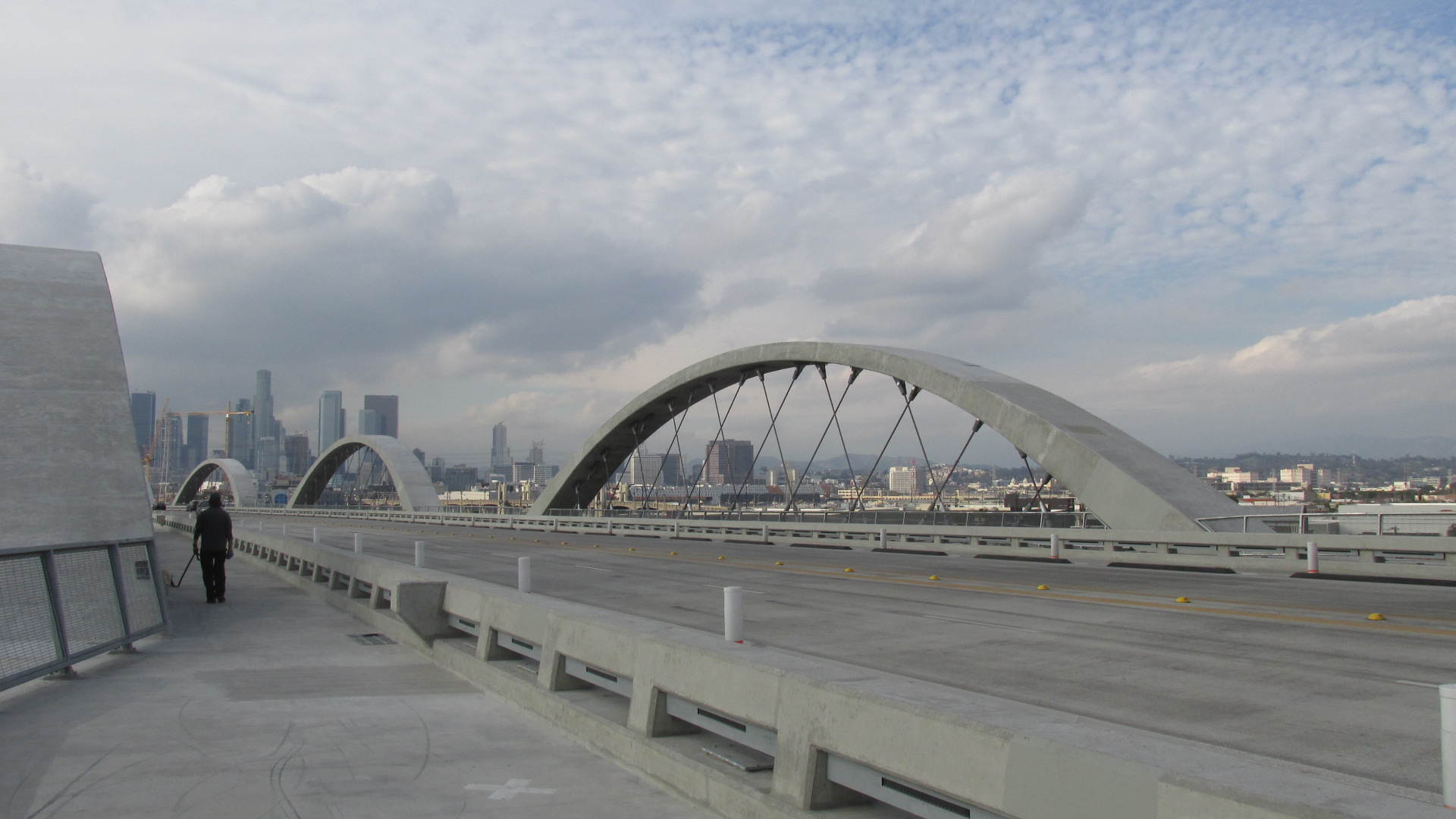
The bridge’s arches create a sense of energy.
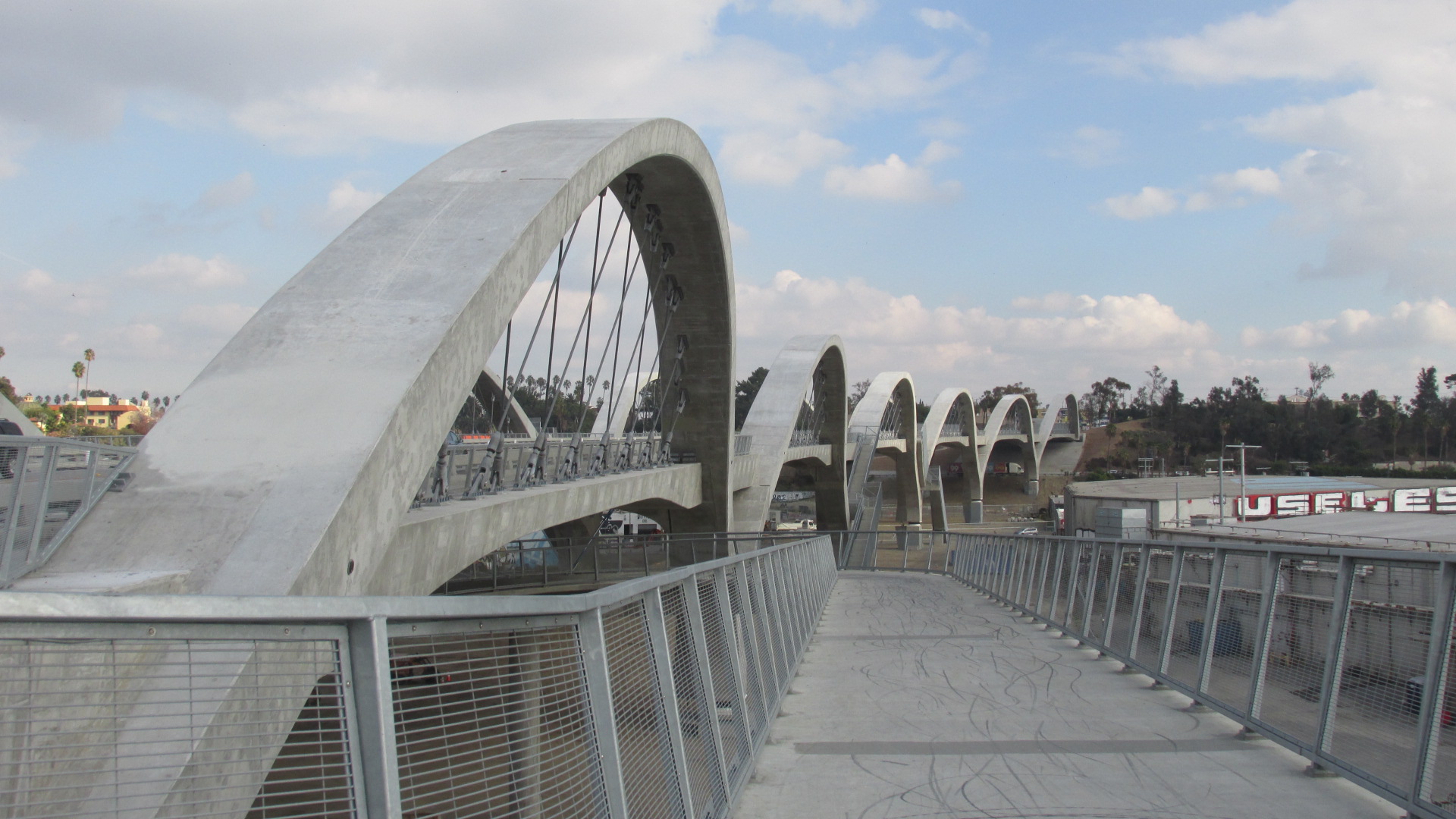
I have mixed feelings about the Sixth Street Bridge, which I’ve written about previously. In this post I want to focus on the positive. The bridge really is beautiful. The design, by Michael Maltzan, is impressive, with the fluid lines of the arches rolling off to the horizon. Walking across you get a sense of being lifted into the air, with stunning views of LA’s various landscapes surrounding you on all sides.
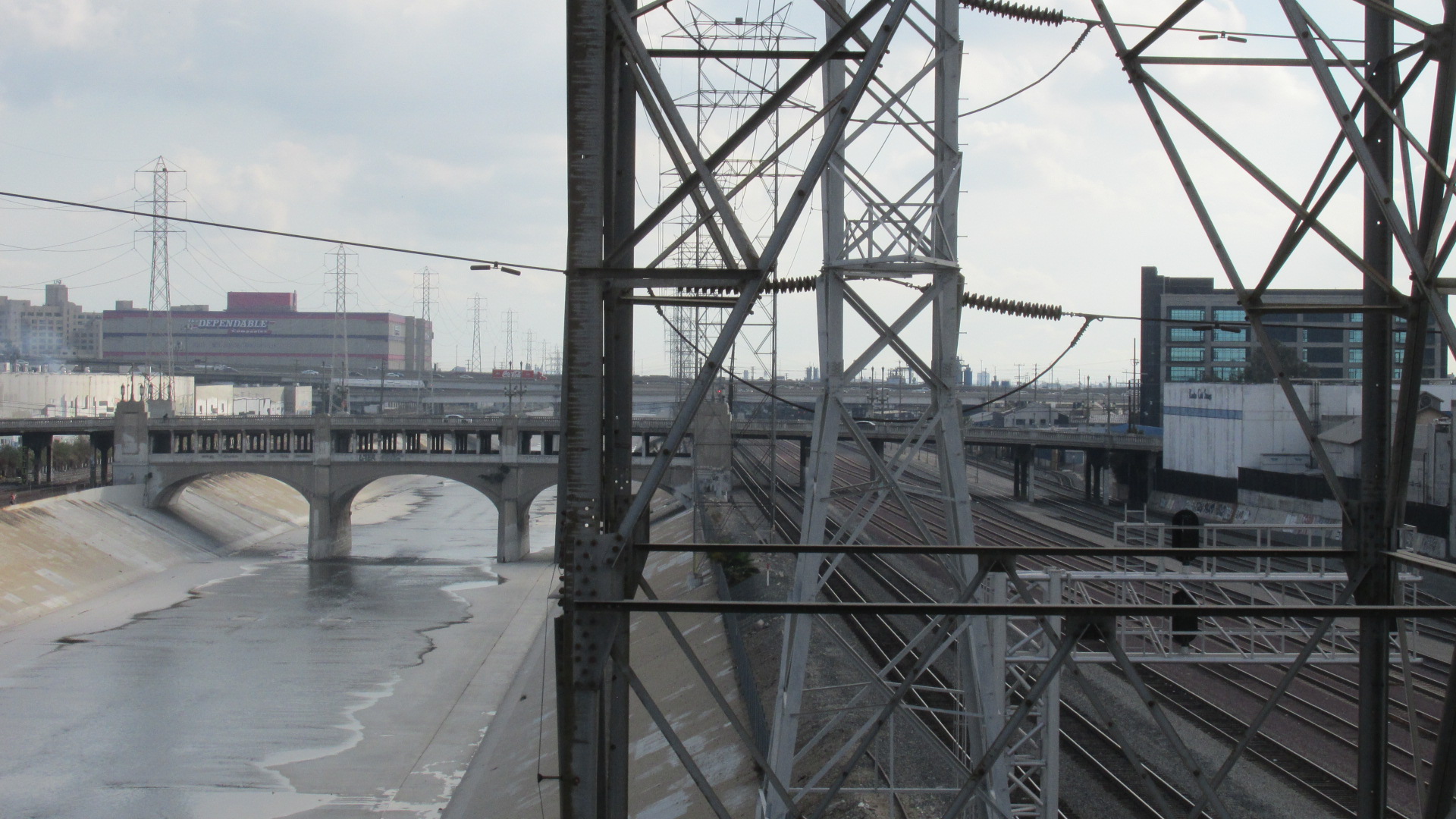
The new Sixth Street Bridge is actually a replacement for the previous version, which was built in the early 30s. It’s just one of a series of bridges that run across the LA River between Downtown and East LA, including the Cesar Chavez Bridge, the Fourth Street Bridge, and the Seventh Street Bridge. All of these were built in the first half of the 20th century.
A view of the Fourth Street Bridge.A view of the Seventh Street Bridge.
As you can see from the photo above, this area, which borders Downtown LA, is criss-crossed with multiple layers of infrastructure. Aside from the bridges, you have the concrete surface of the LA River, rows of train tracks, and miles of electric power lines, all surrounded by a massive industrial district.
The arches rolling off to the horizon.
Beneath the bridge you can see scores of large, nondescript buildings which were built for manufacturing and storage. These days you’ll probably find that a number of them have been converted to ghost kitchens and cannabis greenhouses.
A view of the industrial district that lies below the Sixth Street Bridge.Scores of drab buildings cover the landscape.
Nestled inside this vast maze of commercial buildings you’ll often come across pockets that seem neglected or deserted. These spaces are a magnet for street artists that love the expansive, windowless exterior walls.
The desolate spaces between these buildings draw street artists……who love the wide, windowless exteriors.
Coming down on the other side of the bridge, Sixth Street becomes Whittier Boulevard, which is lined with shops and restaurants serving the working class community of Boyle Heights.
The bridge lands in Boyle Heights.
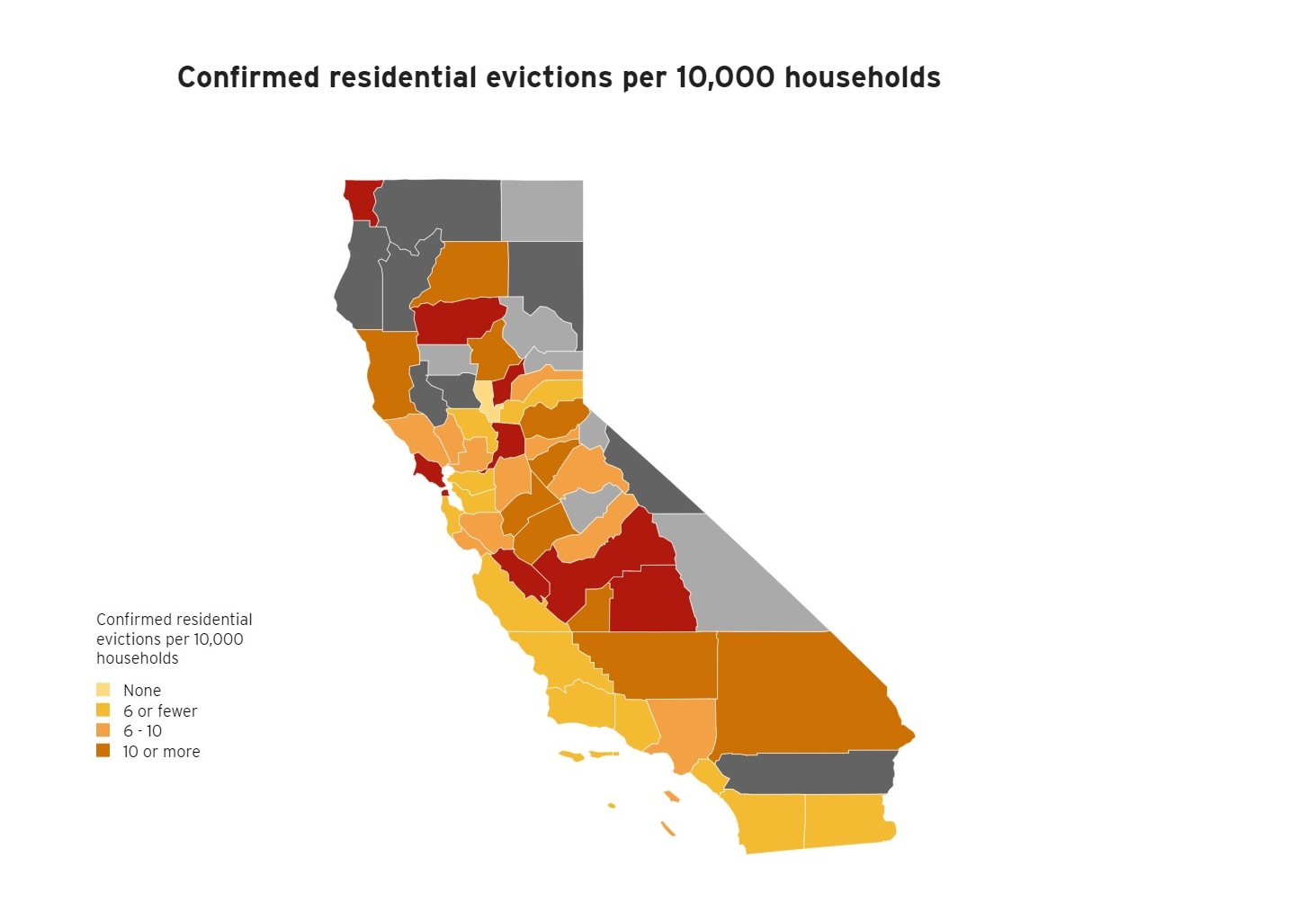
It will probably be a long time before we can really see the impacts caused by the new Sixth Street Bridge. There’s been lots of hype about the upside of this new LA landmark, but it’s also likely to accelerate the waves of gentrification and displacement that have been sweeping across the city. Property values have already risen in Boyle Heights, and so has the number of evictions.
Like I said, though, for the moment I’ll focus on the positive. It is a lovely bridge.
On Thursday morning LA Sheriffs arrived at an apartment building on Cahuenga in Hollywood to serve an eviction notice. Before they were able to enter the apartment, they heard a single gunshot from inside. Eventually they gained entry, and found an individual who had died from “an apparent self-inflicted gunshot wound.”
Earlier this year, the annual survey conducted by the LA Homeless Services Authority found there were 41,980 people experiencing homelessness in the City of LA (a 1.7% increase from 2020) and 69,144 people experiencing homelessness in LA County (a 4.1% rise from 2020). Apparent inaccuracies that have been found in the survey have led many people to believe that the actual numbers are far higher.
In June 2020, the LA Housing & Community Investment Department released a report estimating that there were between 85,000 and 100,000 empty housing units in the City of LA. (See page 5.)
In their 2020 report on vacancy in Los Angeles, SAJE, ACCE and UCLA Law found that the City was producing far more expensive units than affordable ones, leading to excessive vacancies at the high end and a shortage of supply at the low end. (See page 5.)
“Simply put, new expensive housing remains disproportionately vacant, thereby failing to free up units for lower-income families. In addition to the intentional maintenance of overpriced units for rent or sale described above, the system of housing production in Los Angeles has created, on the one hand, a surplus supply of high-rent housing with elevated vacancy for new and higher-priced units, and on the other hand, a massive shortfall of low-cost housing that has contributed to the houselessness crisis.”
We don’t know much about the renter who took his life on Thursday, but it seems likely that, knowing he was about to be evicted from his home, he shot himself because he felt he had no place else to go.
How is that possible in a city where tens of thousands of units sit empty?
It’s hard to know where to begin. The chain of events that’s unfolded in LA over the past few days is extraordinary, but maybe it’s just the logical outcome of the way this city has been run for the past several years. Honestly, while it’s surprising that the recording of three councilmembers talking about redistricting has been leaked, there’s really nothing surprising about the discussion. Anybody who’s been following LA City politics over the last decade knows that Los Angeles is run by a corrupt elite that’s rigged the system. We should all be angry, but I don’t know why anyone would be surprised.
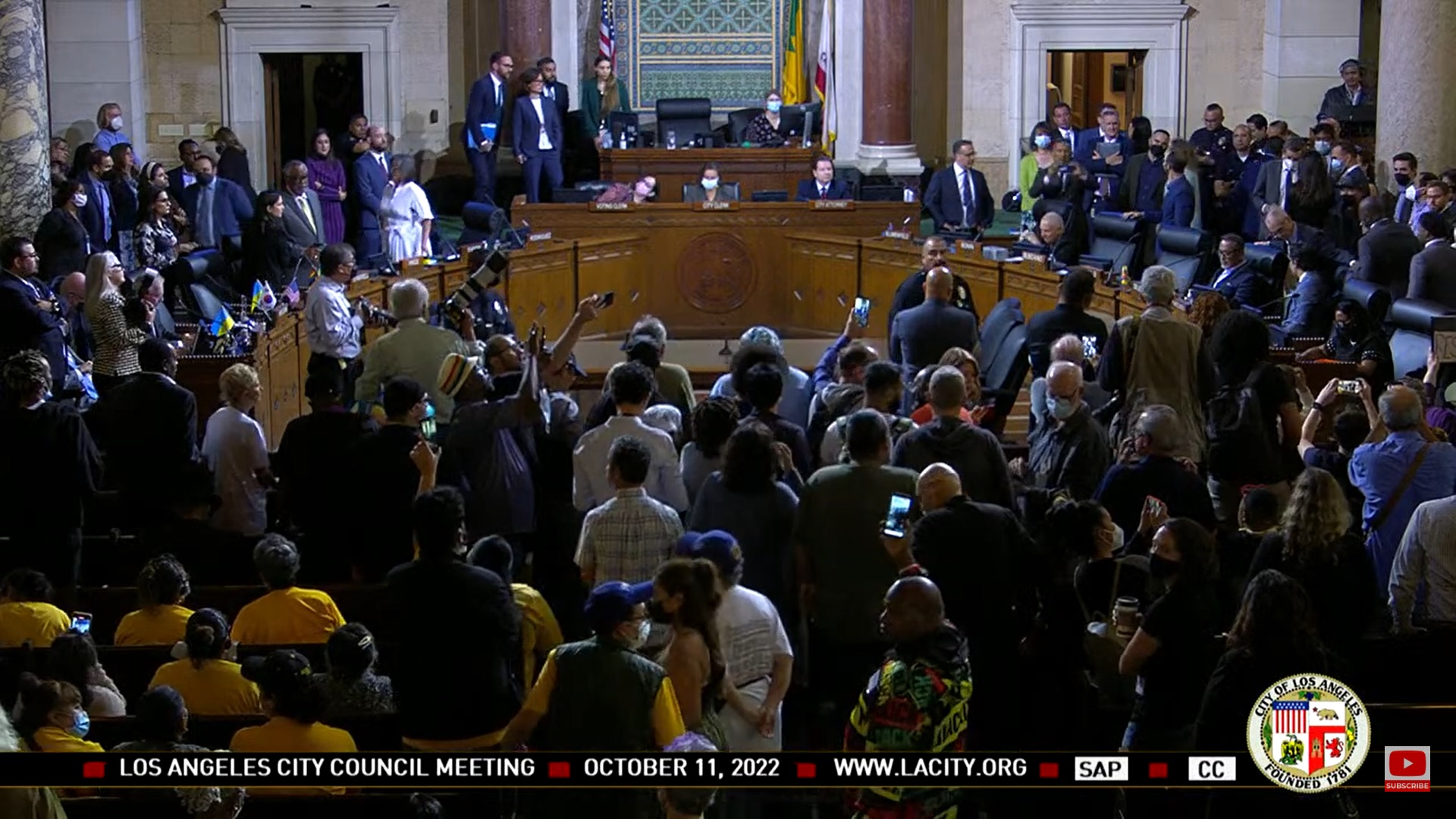
The first City Council meeting after the Times broke the story was intense. I watched it on video. The Council chambers were filled with angry people chanting and yelling. President Pro Tem Mitch O’Farrell kept trying to calm the protesters down, but they were furious and wanted to let the Council know it. The crowd finally got quiet when it was announced that Councilmember Mike Bonin was going to speak. Bonin’s son was the target of one of the numerous racist slurs that Nury Martinez utters on the recording, and Bonin was visibly upset. He gave an emotional speech condemning racism in general, and thanking all those who had reached out to support him and his family since the news broke.
It’s understandable that Bonin was shaken by the release of recording, and I don’t doubt that his speech was heartfelt. He loves his son, and he knows that this episode will likely cause his son to feel pain and anger. But I wish Bonin would acknowledge all the pain that he’s inflicted on low-income people of color during his time in office. When public comment began, I wasn’t surprised to hear one of the speakers accuse Bonin of hypocrisy because of his actions as a member of the City Council. Referring to Bonin, the speaker exclaimed, “The one that’s pointin’ the finger has done the most name callin’. Put us off Venice Beach. All the black people. He put us all off Venice Beach for some real estate. Fuck you, Mike Bonin.”
Now, I’ve never heard Mike Bonin use any racial slurs, but there’s no doubt that Venice has grown a lot wealthier and whiter during his two terms on the City Council. (Bonin didn’t start this trend, but he’s done nothing to stop it, either.) And Bonin has taken plenty of campaign cash from developers and lobbyists during that time. While Bonin may talk about ending racism and creating a just society, he’s voted over and over again, along with the rest of the City Council, to support policies and projects that promote displacement and gentrification.
Former Councilmember Jose Huizar is facing trial on corruption charges, in part because he helped a developer reduce the amount of affordable housing required for the 520 Mateo project in Downtown. Did Mike Bonin object to reducing the affordable housing requirement? Hell no. He voted to approve the project.
Interestingly, many of the biggest residential projects recently approved in Downtown have zero affordable housing, and the developers of these projects are often allowed to skip paying the Affordable Housing Linkage Fee. Other residential projects in LA have to provide affordable units to get increased density, but in Downtown they can get more density by asking for a Transfer of Floor Area Rights. Has Bonin spoken out against developers using this loophole to dodge affordable housing requirements? Hell no. He voted to approve these projects just like the rest of his colleagues on the Council.
When a property owner wanted to demolish 40 rent-stabilized units in Hollywood to make way for a new hotel, did Mike Bonin object to the eviction of low-income families in the middle of a housing crisis? Hell no. He voted to approve the project. Mike Bonin has joined his fellow councilmembers over and over again in awarding zone changes and general plan amendments to developers, delivering huge profits for investors and fomenting real estate speculation while thousands of low-income people of color were kicked out of their homes and LA’s homeless crisis spiralled out of control. During his time on the Council, Mike Bonin has presented himself as a progressive who wants to fight injustice, but if he really wants to learn about the root causes of injustice, maybe he should take a look in the mirror.
The other speaker who caught my attention was Damien Goodmon, of Downtown Crenshaw Rising. Damien’s comments at the meeting were thoughtful and incisive, as usual, but one thing he said rang especially true for me….
“This entire city government is in need of an exorcism.”
That sentence really sums up how I feel about City Hall right now. The environment created by the Mayor and the City Council is so toxic, and the poison has also bled into the City departments and boards and commissions that are supposed to be serving the people.
Instead of real planning to confront the challenges that LA faces, we get plans formulated by lobbyists and land use attorneys that seemed designed to enrich their clients. Instead of meaningful debate on the issues by well-informed public servants, we get cheerleaders who pat each other on the back for doing a great job, no matter how bad the outcomes are.
Damien is right. LA City government needs an exorcism. But holy water and Latin chants aren’t going to do the job. Instead, we, the people, are going to have to take action. This isn’t just a matter of electing a new mayor and a few new councilmembers. This is a matter of changing the deeply corrupt culture at City Hall. We need to pay attention to what they’re doing. We need to call them out when they’re serving themselves instead of the people. We need to show them that there are consequences for their actions, whether that’s at the ballot box or in the courts.
And this isn’t a short-term commitment. This will take much more than a year or two. This is about long-term, concerted activism with the goal of making sure our public servants really serve us.
The pandemic wasn’t really over in April, but a lot of people, including me, were tired of being shut up at home. I wanted to get out into the world again. I’d been thinking for a while about paying a visit to Los Angeles State Historic Park on the outskirts of Downtown. I finally just got on the train and headed down there.
The park has been a work in progress for over a decade. I wrote a post about it in 2014, when many people still called it The Cornfield. Back then it was mostly just grass and dirt. Since then, it’s been transformed into a well-manicured open space….
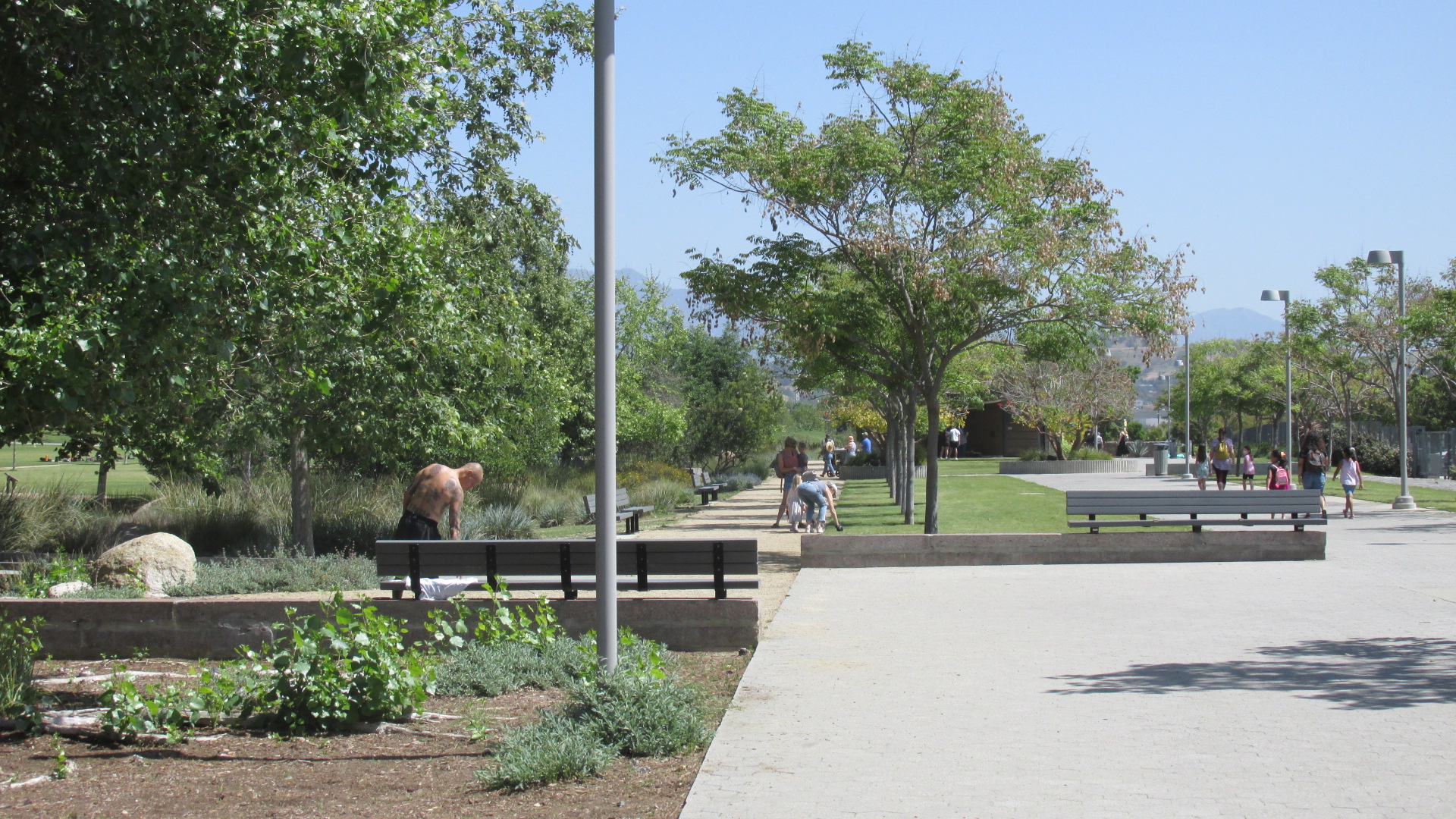
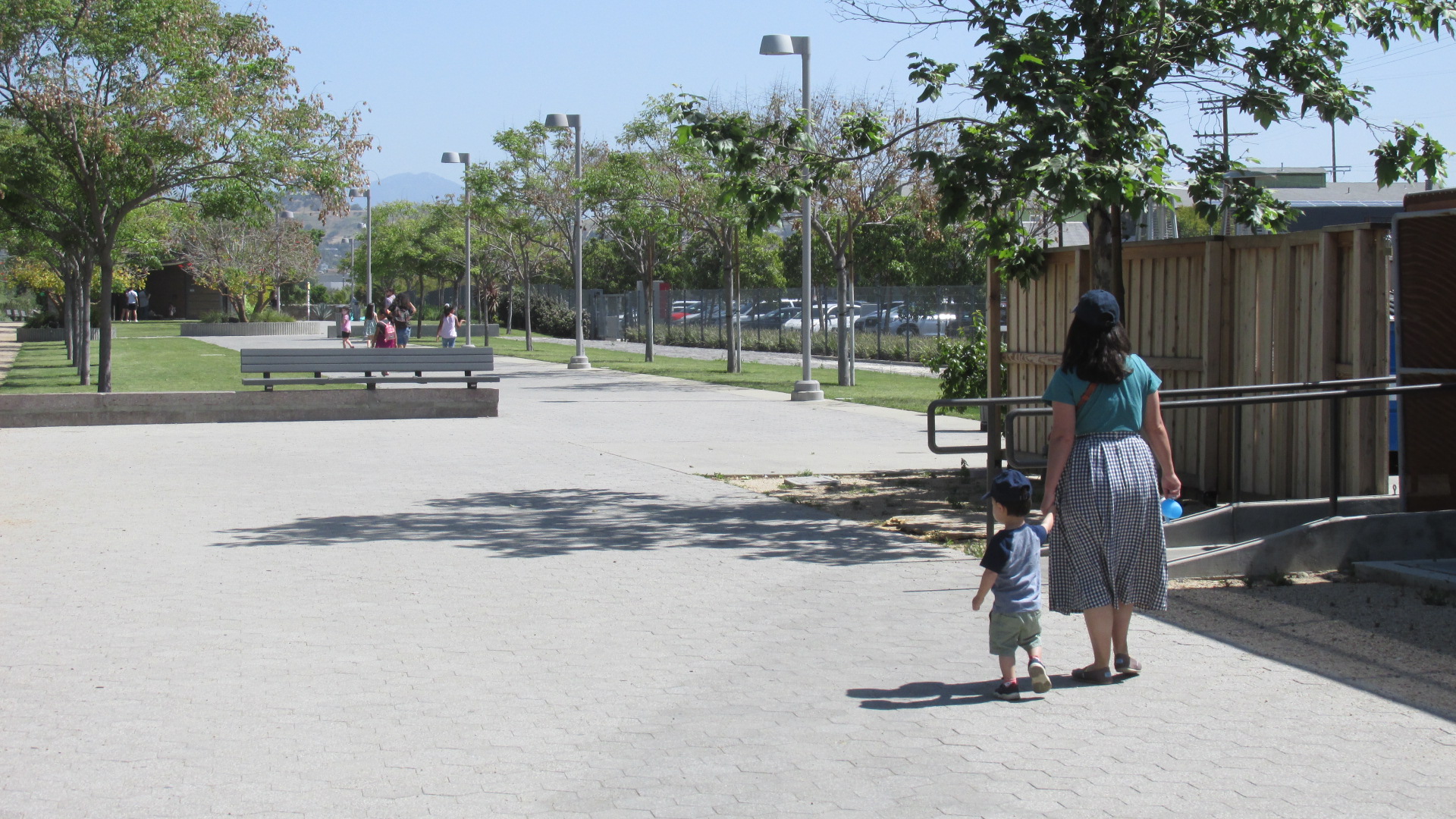
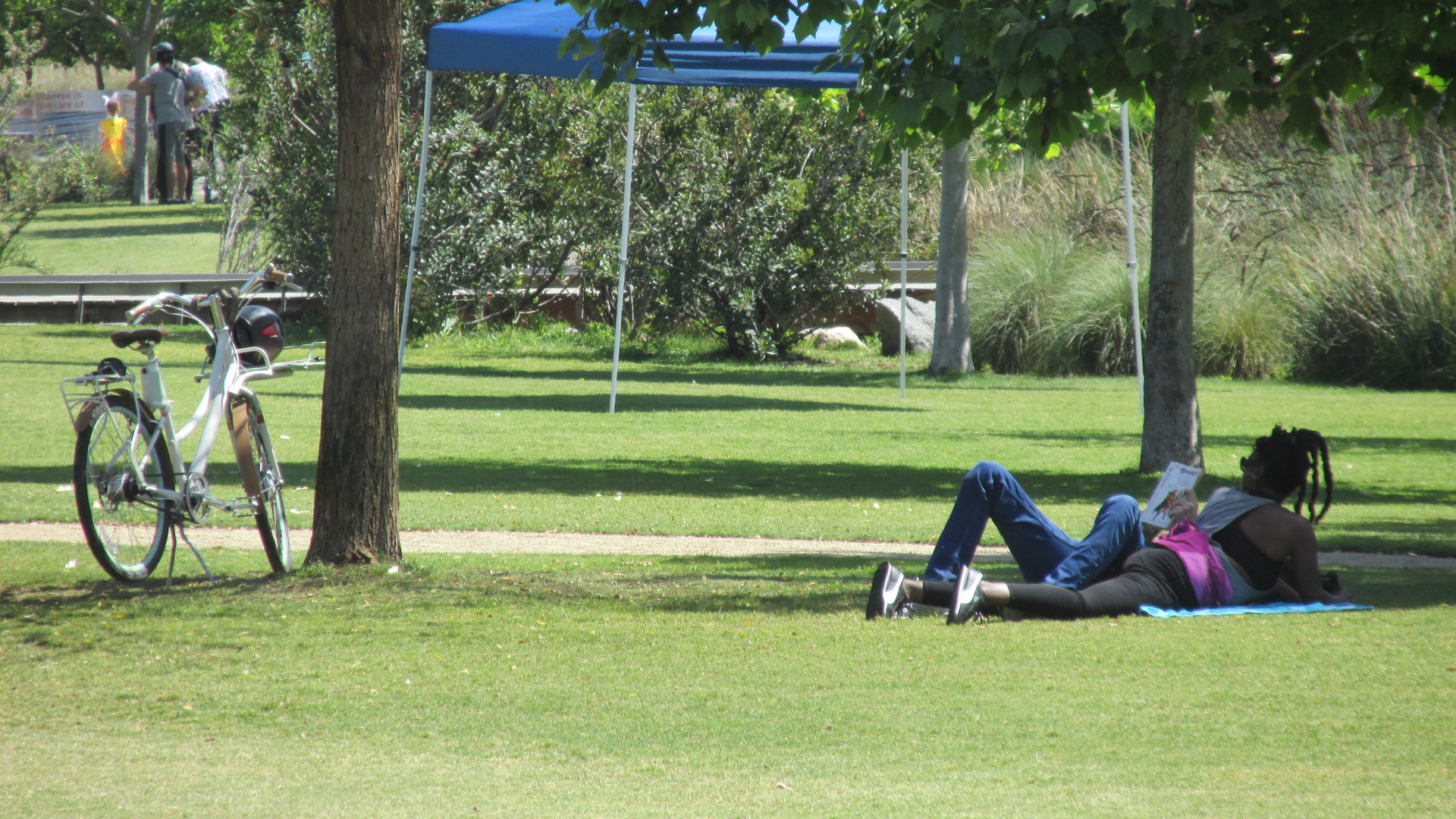
It certainly seems popular. On the day I showed up there were plenty of folks enjoying the park, and it’s not hard to see why. It’s impeccably landscaped, with gently curving paths winding through the grass, and rows of beautiful trees. There’s a good-sized field for those who want to get a game going. It seemed like the crowd was mostly younger, with a number of moms and dads and little kids.
It also seemed like the crowd was mostly made up of relatively affluent millennials. I have no hard data on where they came from, but I suspect that many of them live in Downtown. If that’s the case, they’d have to be making fairly good money. The listings on Apartment.com show that most of the studio apartments in the 90012 zip code start around $2,000, with one-bedrooms going for between $2,500 and $3,000. Rents at the Llewellyn, a fairly new building just across the street from the park, go from $2,450 to $5,155.
The City has had a good deal of success in luring people to Downtown, but let’s face it. Downtown is not open to everybody. If we go with the standard assumption that you’re supposed to spend about a third of your income on housing, you’d need to make $72,000 a year to afford a studio apartment in the area. A small family would probably have to have a combined income close to six figures just to get into a one-bedroom.
Back in March, I was listening in on a meeting of the City Council’s PLUM Committee where Director of Planning Vince Bertoni boasted about how proud he was of the City of LA’s Transit-Oriented Development program. I can’t imagine why. While City Planning has approved numerous residential skyscrapers near transit stops over the last decade, transit ridership has been declining steadily since 2014. Even in 2014, LA Metro was actually serving fewer people than it did back in the 80s, and it’s only been downhill since then.
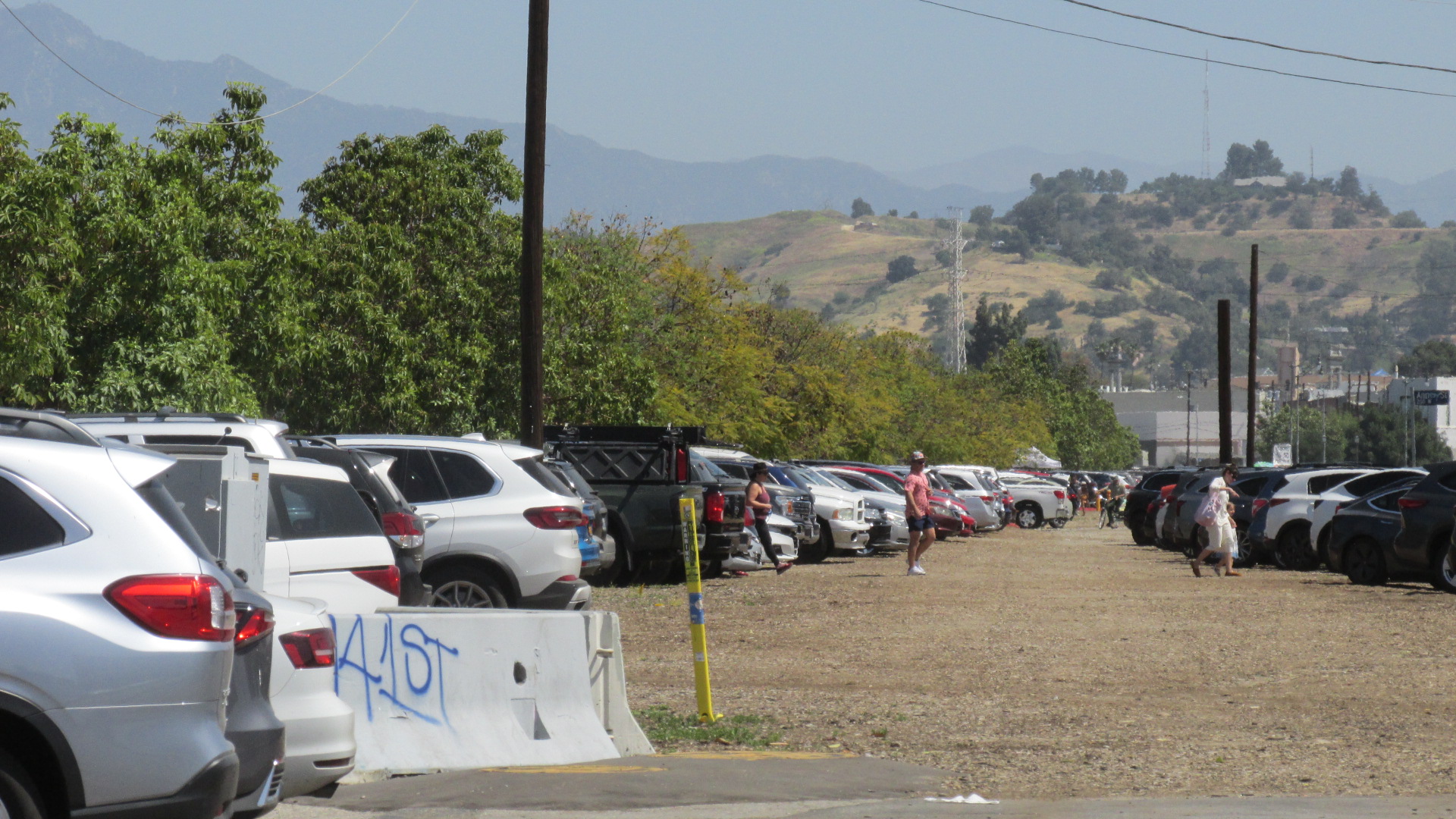
If you want to know how successful LA’s attempts at Transit-Oriented Development have been, take a look at the parking area next to the State Historic Park. It was packed with cars on the morning I was there. And Spring St., which is on the park’s perimeter, was also lined with cars.
Please note in the last photo above that the L Line (Gold Line) Station is visible in the background. I’m sure some of the folks who showed up at the park that day rode the train, but obviously a lot of people decided to drive instead, in spite of the fact that the station is just a few hundred feet from the park entrance.
LA City Planning talks a lot about revitalizing LA’s urban centers, but we need to ask what they actually mean by “revitalization”. The cost of renting an apartment Downtown makes it clear that living there is mostly for the affluent. While thousands of new units have been built in Downtown over the past decade, the vast majority of them are for the upscale crowd. The same is true citywide. According to LA City Planning’s Housing Progress Dashboard, of the more than 184,000 new units that have been approved since July 2013, only about 26,000, or 14%, have been for middle-income, low-income and very low-income households. To be clear, these three categories COMBINED make up just 14% of the new housing approved.
As I said before, the City has been successful in luring people to live in Downtown, and I’m glad of that. Looking at US Census data for the 90012 zip code, which covers much of central Downtown, it’s clear that the area has seen substantial growth. According to the American Community Survey (ACS), the population in 90012 has grown from 29,298 in 2011 to 37,268 in 2020.
Unfortunately, even as Downtown’s population has grown, ridership on transit lines serving the area has been dropping steadily. The graph below shows the changes in ridership on lines serving Downtown in 2014 and 2019. It includes all rail lines serving the area, but only selected bus lines.
You can see there’s been a significant drop. It’s important to point out that the biggest decline was on the A Line (Blue Line), and much of this was due to the fact that portions of the line were closed during 2019 for repairs and upgrades. (They didn’t do much good. Problems arose soon after the line re-opened.)
But even if we pull the A Line out of the chart, we still see a loss in ridership. If the City’s Transit-Oriented Development program is such a success, then why is transit ridership declining in Downtown, even as the population grows. (If you don’t trust my numbers, and you want to do your own research, visit Metro Ridership Stats. Under the heading Systemwide (Bus and Rail), click Details.)
I think the answer has to do with the kind of people who are moving to Downtown. While I hear a lot of hype about young urbanites who love walkable neighborhoods, the crush of cars I saw crowding around State Park leads me to believe that many of Downtown’s new residents own some kind of vehicle. Of course, that’s just my personal view based on my personal experience. To get a more accurate idea of how many Downtown residents are car owners, let’s take another look at the U.S. Census’ American Community Survey.
Looking again at the 90012 zip code, let’s check out the stats for vehicle ownership in 2011.
2011 ACS Data on Vehicles Available to Population in 90012 Workers 16 Years and Over in Households
No vehicle available 10%
1 vehicle available 42.9%
2 vehicles available 36.4%
3 or more vehicles available 10.7%
Now let’s look at the stats for 90012 in 2020.
2020 ACS Data on Vehicles Available to Population in 90012 Workers 16 Years and Over in Households
No vehicles available 6.6%
1 vehicle available 42.4%
2 vehicles available 40.0%
3 or more vehicles available 11.0%
You can see that the number of workers 16 years and over with no vehicle available dropped from 10% to 6.6%. The number with one vehicle available is basically unchanged. Those with two vehicles available went up from 36.4% to 40%. These are not huge changes, but they do show that percentages of workers 16 years and over with access to a vehicle has gone up, not down. And when we consider that the population in 90012 rose from 29,298 in 2011 to 37,268 in 2020, this seems to indicate that there are a lot more cars than there used to be in Downtown. Put this together with the drop in transit ridership, and it’s hard to understand why the City thinks its efforts at Transit-Oriented Development have been a success. (If you believe there are a lot more people walking and biking in the central city, feel free to show me the data. I’ve looked, and I can’t find anything less than six years old.)
I want to emphasize that I’m a transit rider and I don’t own a car. I also want to say that I believe we need to focus new development around transit hubs, in areas where jobs and businesses are close by. In theory all this is great. In reality, though, the City of LA doesn’t seem to have achieved anything. In fact, it seems like the numbers are going in the wrong direction. And if we’re going in the wrong direction, shouldn’t the City assess the situation, find out what’s wrong, and try to do better?
Unfortunately, rather than being used as a strategy to create a more sustainable city, Transit-Oriented Development seems to have become an excuse to approve residential projects that are far too expensive for the average Angeleno. I can’t tell you how many times I’ve been at hearings held by City Planning where staff and/or Commissioners claim that big, new residential projects geared toward the affluent are exactly what the City needs to get people out of cars and onto busses and trains. When I present data showing that transit ridership has been going down since 2014, they don’t seem to hear. I’ve never gotten a response. The projects are always approved.
I think the State Park is cool. I’m glad people are spending time there. But I don’t buy the story that young urbanites are ditching their cars for busses, trains and bikes. The cars lined up across the street from the park seem to tell a different story, one that City Hall doesn’t want to hear.
If you’ve been watching the news at all, you’ve heard about the unprecedented flooding in Pakistan. Millions have been displaced. Over 1,300 people have died. It’s hard to estimate the impact on the economy at this point, but it’s likely that much of the population will be facing extreme hardships for a long time to come.
Many of the news sources reporting on this catastrophe have quoted scientists who believe that this extreme weather event is linked to climate change. The horrible irony is that Pakistan produces only a tiny fraction of the greenhouse gas emissions that are driving climate change, and yet it’s suffering some of the worst impacts.
Who are the biggest culprits when it comes to greenhouse gas emissions? China and the US are the top two nations pouring CO2 into the atmosphere, but even though the US is second in overall emissions, its per capita emissions are about twice that of China. Within the US, California has over 14 million registered vehicles, far more than any other state, and the vast majority of them run on fossil fuels. Of that 14 million, over 7 million are registered in LA County.
So we definitely need to take some of the responsibility for the climate crisis. But we shouldn’t waste time feeling guilty. We should get to work on changing the situation. There are a number of things we can do. We can start by driving less. This could mean taking transit to work one day a week, or carpooling with a friend, or if your job allows it, working from home when it’s convenient. We can also try to minimize the amount of plastic we use. This may sound easier than it really is. Many of the products we use in daily life are made of plastic, and so much of what we buy comes wrapped in plastic. But if you start thinking about it, you can probably find at least a few items that you can do without. And if you shop on-line, it’s important to consider the way things are packaged.
But we also need to support legislation that will reduce greenhouse gas emissions. This is the hard part, because there are powerful interests targeting bills intended to curtail the use of fossil fuels. This year the Western States Petroleum Association and the California Independent Petroleum Association used their clout to either stop or weaken a series of bills that were written to address climate change. Capital and Main lays out the gory details in this article.
We shouldn’t be discouraged. We have clout, too. According to a poll by the Public Policy Institute of California, 80% of the state’s residents say that climate change is a serious threat to our economy and quality of life. That means an overwhelming majority of California voters understand the gravity of the situation. We need to let our representatives in Sacramento know that they should be listening to us, not the fossil fuel lobby. If you don’t know who your representatives are, use this link to find out.
While this blog is mostly focussed on LA, it would be foolish to think that Angelenos live in a magic bubble that isn’t affected by what’s happening in the rest of the world. (Thought we often act that way.) Crucially, we need to understand that the water shortages affecting this area aren’t just local, they’re global. In order to understand LA’s water problems, we have to look at the larger context.
This morning I read an interview with Jay Famiglietti that lays the situation out in the starkest terms. It’s a disturbing message, but one we all need to hear. Famiglietti is Executive Director of the Global Institute for Water Security at the University of Saskatchewan, and formerly lead researcher at NASA’s water science program at the Jet Propulsion Laboratory in Pasadena. He’s spent years studying the water landscape and he knows what he’s talking about.
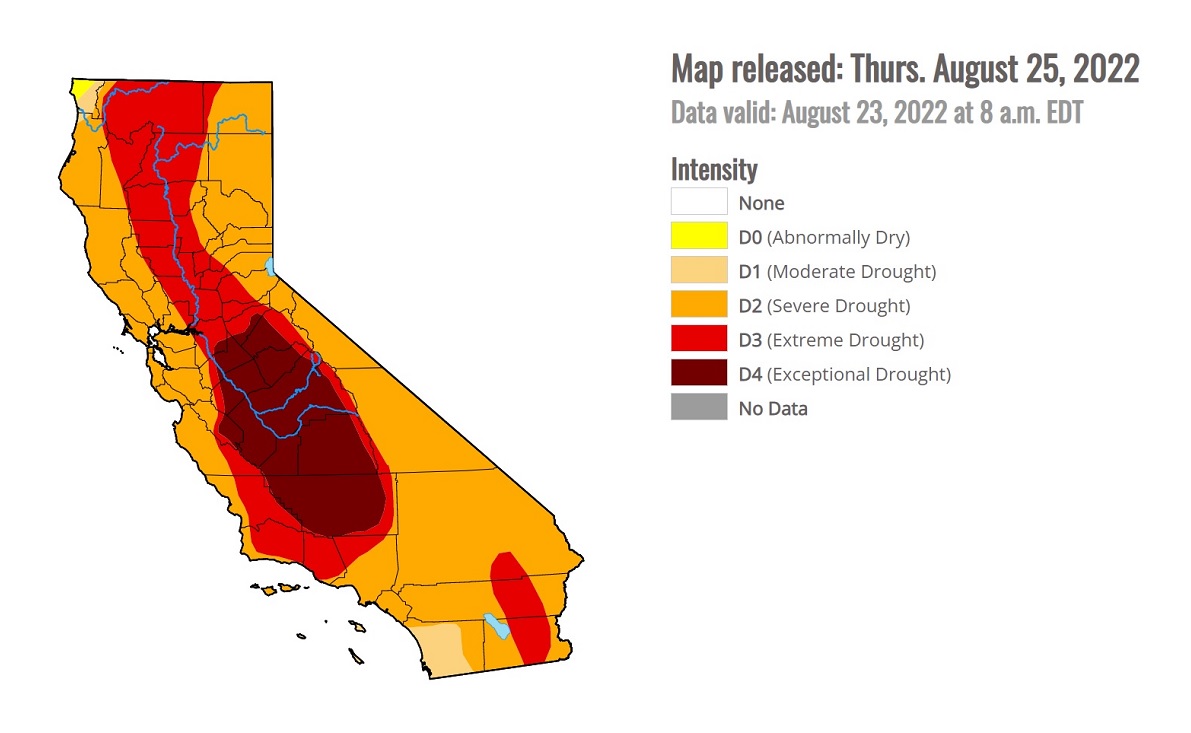
First, please take a look at the graphic above from the U.S. Drought Monitor. It shows that all of LA County is in severe or extreme drought. Looking at the rest of the state, you’ll see that almost all of California is experiencing conditions ranging from severe drought to exceptional drought. My only problem with this map is that they use the word “drought”, which doesn’t describe the situation any more. “Drought” implies we’re in a dry period, and that things will eventually go back to normal. That’s no longer true. Because of climate change, scientists agree that our fresh water resources will continue to decline for the foreseeable future. This is the new normal.
This isn’t just a problem for LA or California, this is a problem that the whole country needs to deal with. Famiglietti talks about how we need a national water policy and we need it now. We can’t afford to wait while cities and states bicker over what they can and can’t do, while lawsuits are filed and politicians posture. We need to take action as a nation now.
Famiglietti isn’t the only one saying this. Back in 2009 the Clean Water America Alliance published a paper explaining the need for a national water policy. Here’s a brief excerpt….
Each day, more and more Americans are confronting an unsettling fact of life in the 21st Century – our supplies of clean, dependable, economical water are more fragile than at any time in our recent history. Population growth, economic development, changing weather patterns, new energy supply strategies, and the needs of endangered ecosystems are threatening to overwhelm both the physical infrastructure and management systems that have previously provided for our water needs.
What have we done since then? Not much. And we can’t afford to wait. Things have gotten much worse over the last decade, and many scientists believe that climate change is accelerating.
Here’s the Famiglietti interview. Read it and weep. No, seriously, don’t weep. Take action. Contact your representatives in the House and Senate and ask them what they’re doing about creating a national water policy. If their answer isn’t good enough, keep after them.


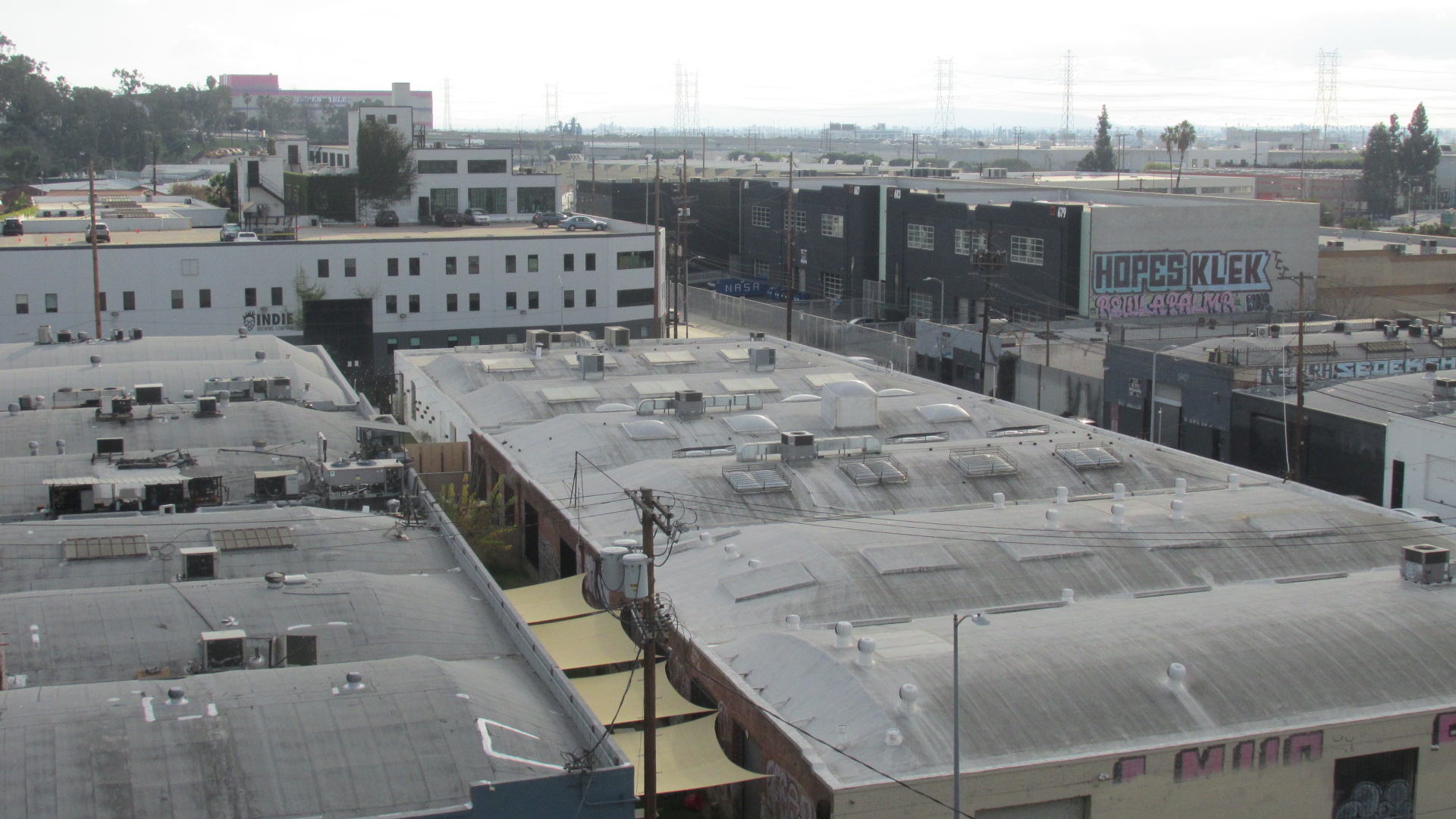
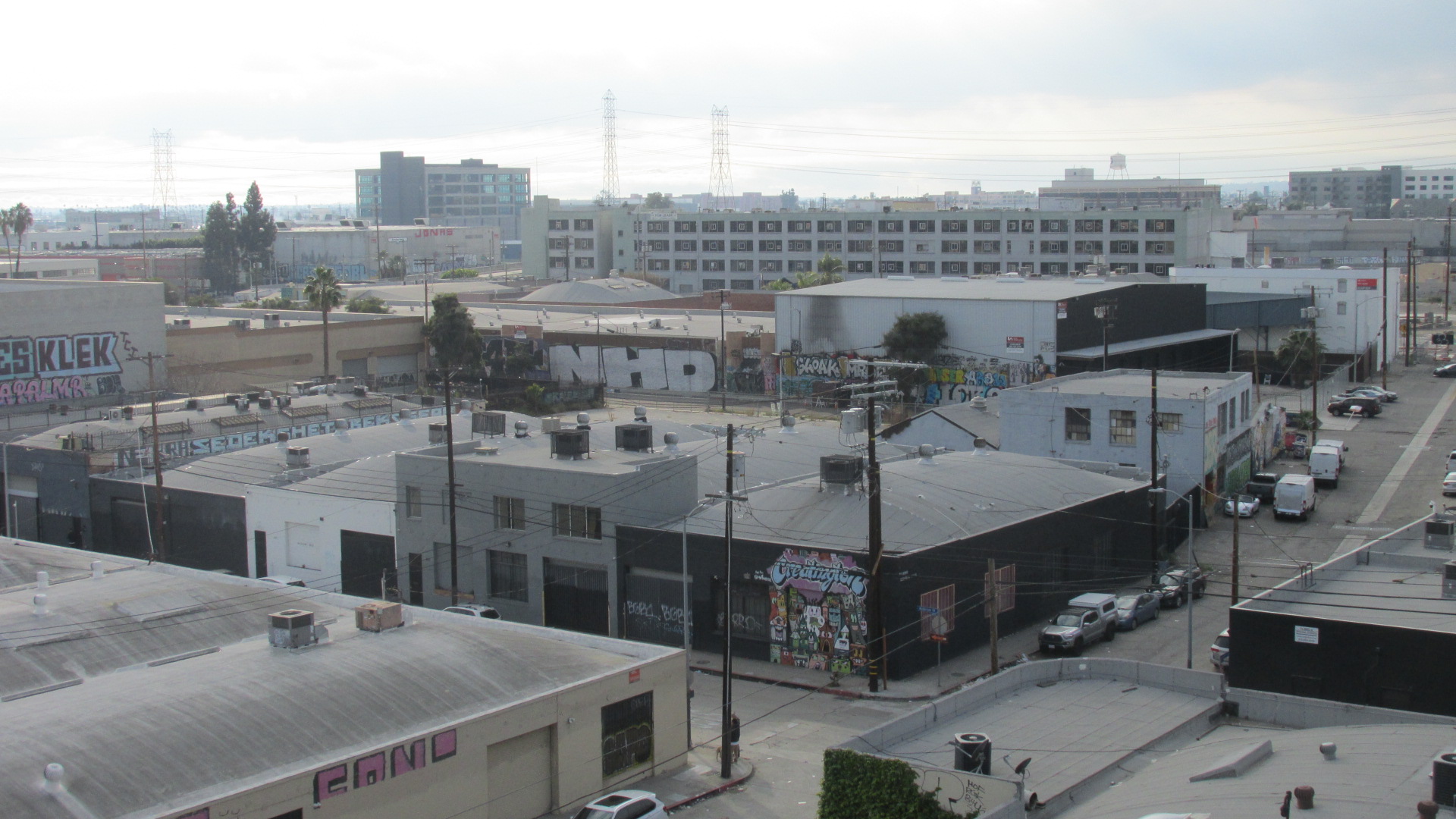
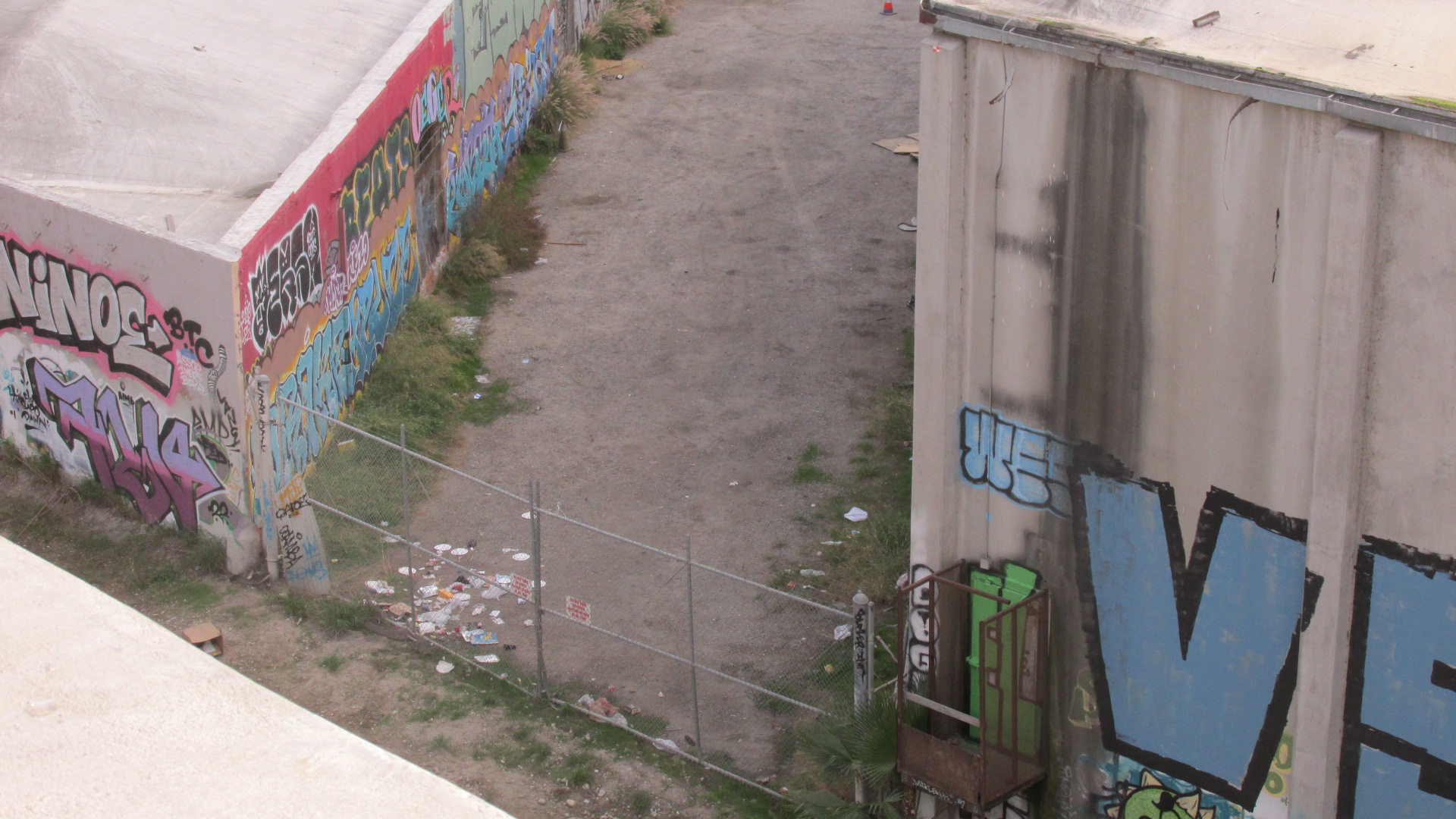
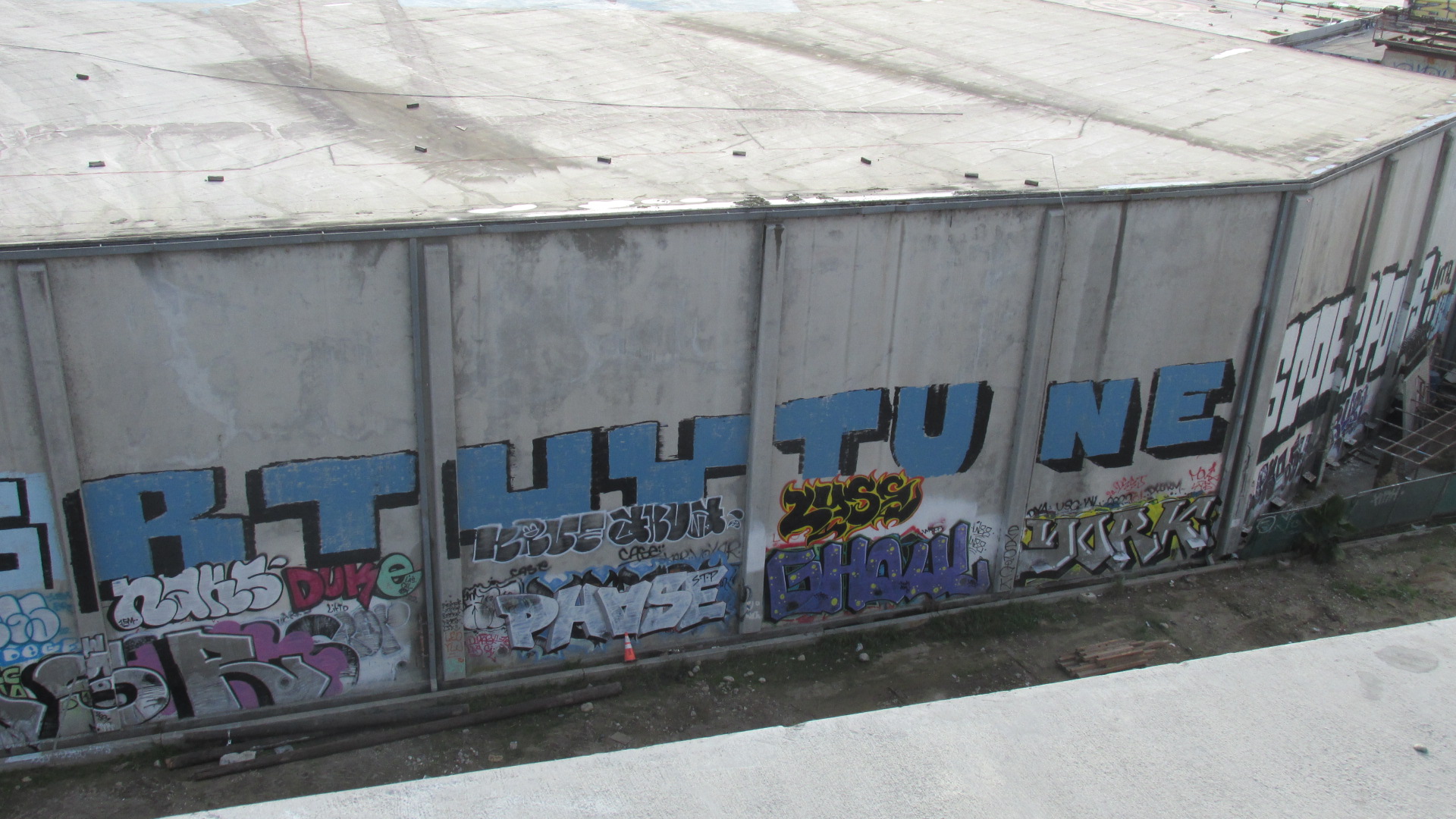





 The Horizon and the Skyline