What Price Water?

LAR Headworks

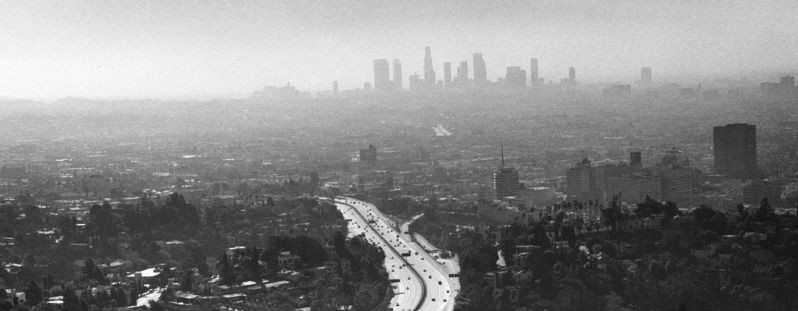
A few months ago a friend and I were going down Forest Lawn Drive near Griffith Park. While she drove I was gazing out the window, and I was surprised to see a huge construction site spread out across the bed of the LA River. I hadn’t heard anything about a project planned for that area, and at first I was alarmed. What the hell were they doing to the river?

LAR Site Hills

After investigating a little, I found out that this was the Headworks Reservoir, and it involves the construction of two huge underground containers which will hold 110 million gallons of water. The idea is that when the project is completed it will provide drinking water to area residents who are now served by the Silverlake reservoir complex. In large part this effort was spurred by new rules handed down by the Environmental Protection Agency. Open reservoirs, like those in the Silverlake complex, are subject to contamination from many different sources. The Headworks project will comply with the new EPA rules and provide safe drinking water for thousands of Angelenos. Aside from improved water quality, the deal includes a 4-megawatt hydroelectric plant to provide more power for the city. And if that’s not enough, once the tanks are completed there are plans to turn the surface area into a park which would include riparian wetlands, bike paths and equestrian trails.

Sound cool? Well, the finished project probably will be pretty nice. The DWP had to find some way to comply with the new EPA standards. And the park/wetlands component will surely be a big improvement over the sterile concrete channel that exists now. But…

There are some questions about the cost of the project and the process that was followed to make it happen. The City of LA initially said the price tag would be $230 million. That figure has now risen to $319 million. Those who follow local news already know that the DWP has been accused more than once of scamming its customers. The fact that the tab for Headworks has gone up almost 40 percent is definitely troubling. There are also questions about why the City chose this option when there were other, cheaper proposals on the table. If you’re a DWP ratepayer, you’ll want to read Jack Humphreville’s breakdown of the project on CityWatch.

Is Headworks Project Another Example of Corruption?

For a general overview of the project, here’s a summary from the DWP.

Headworks Reservoir Fact Sheet

Bottom line, the project is happening. And I do believe it’s a good thing over all. But it bothers me to think that we’re getting ripped off by the DWP once again. I’m glad Garcetti is pushing for an audit of the agency’s shady non-profits, but I’d really like to see a full audit of the DWP. We deserve to know where our money is going.

LAR Concrete Horizon

Hollywood Journal – Relaxing at the Roosevelt

Another visit to the lobby of the Roosevelt Hotel. I used to like hanging out there back in the nineties because the lobby was big and dark and quiet. It was a great place to chill, in large part because it was usually pretty empty. Since then it’s been remodelled, and they’ve managed to attract a young, hip crowd, so the place is a little more lively these days. I’m glad they’re doing more business, but I spend less time there now.

The photos were taken recently, and while the lobby is substantially the same, it has changed some in the past fifteen years. And as I’ve mentioned before, in transcribing these entries from my journal I’ve left the errors alone. The correct spelling for the name of the hotel is “Roosevelt”.

January, Nineteen Ninety Nine

Today I was on Hollywood Boulevard. I think it was around four o’ clock. And I decided to go to the Rooseveldt. Have a beer. Kick back. It’s been a while since I stopped in there.

The lobby was pretty empty. I walked up to the bar. Ordered a beer. Then strolled over to the table by the piano and sank into a big, soft chair.

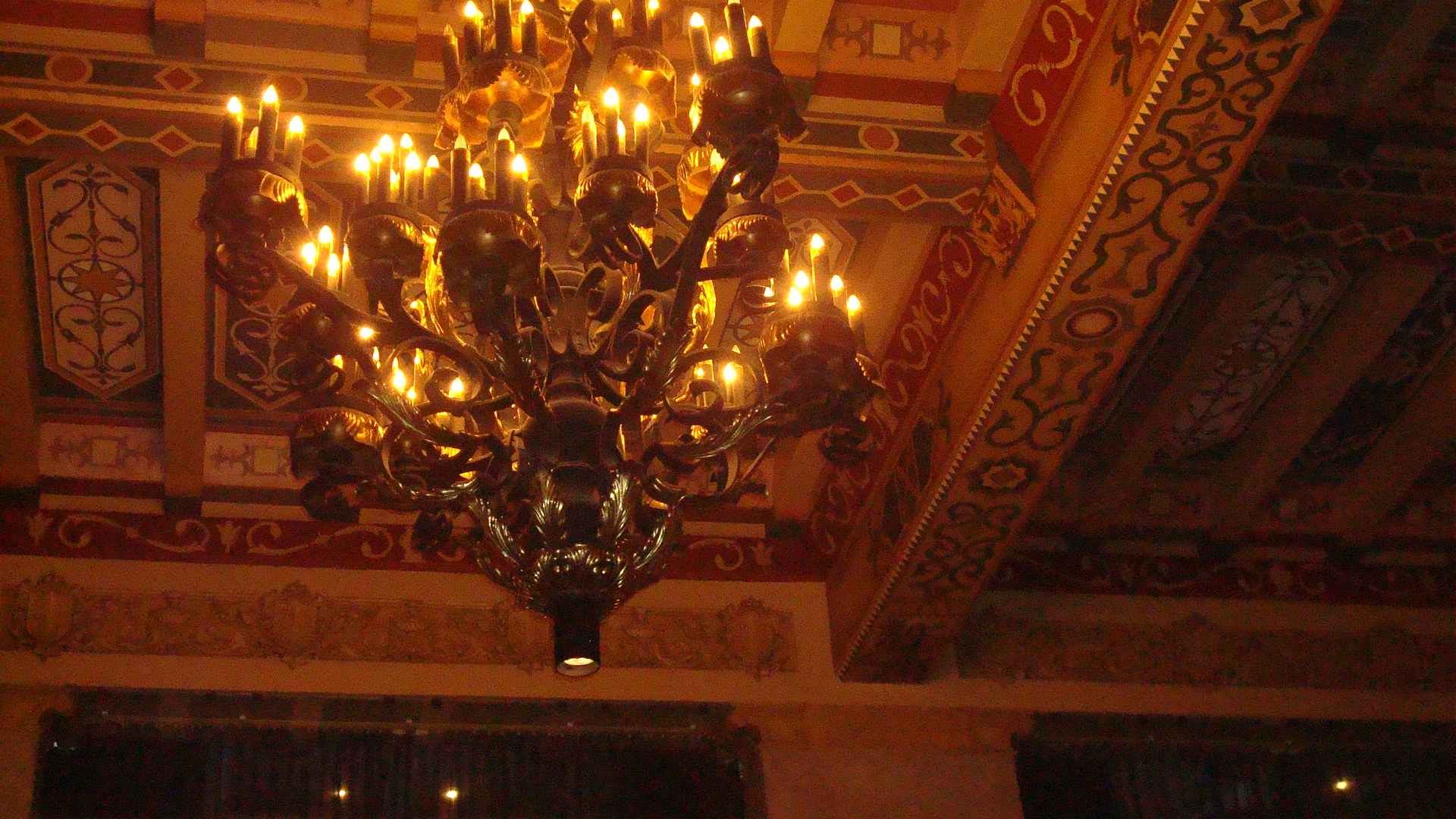
It was so nice. So quiet. I sat there looking at the patterns on the ceiling. I finished my beer and thought, what the hell, why not have another.
Rsvt Chand

The guy comes in to play the piano. I ask him if he knows any Mancini. He says not a lot. I mention Charade. No dice. He throws out a few titles. Pink Panther. Baby Elephant Walk. I’m disappointed but I settle for The Pink Panther.

There are quite a few people in the lobby by now. A man with a cell phone sitting across the table from me. At the next table over a woman reading a paperback. And there are a couple of guys sitting to my left. One of them is talking about Barry Fitzgerald. He’s trying to name movies Fitzgerald was in. The man with the cell phone jumps into the conversation. He offers Going My Way. Then he says Ten Little Indians. I want to correct him, he’s thinking of And Then There Were None. But these days I’m reluctant to start chatting with strangers.

So they go on talking. The guy who was going on about Barry Fitzgerald says he works in movies. I think he said either as an actor or a stunt man. The guy with the cell phone says he’s a producer. In the exchange that follows I’m obviously not setting down what was said verbatim. I’m just trying to give an outline of the conversation.

The actor (stunt man?) asks,

What did you produce?

The producer answers,

The Buddy Holly Story.

At this point I can’t restrain myself.

You produced The Buddy Holly Story? I say. I liked that movie.

I never thought it’d make any money, the producer says.

What else did you make?

Diner.

That was a cool movie.

Who was in Diner, asks the actor.

Oh, wow, a lot of people. Mickey Rourke.

And Kevin Bacon, says the woman with the paperback.

Now I know there are a lot of people in this town who will claim to have produced, directed, written all sorts of famous films. Who knows if this guy was legit. But I think I was on my third beer by that time and obviously not feeling very skeptical. The guy probably could’ve said he produced Dinner at Eight and I would have believed him.

The conversation moves on to other subjects. Italian food in New Jersey. Mexican food in LA. I ask the pianist for something by Gershwin. He plays Someone to Watch over Me.

I felt pretty good when I left.

Rsvt Chat

Let Them Eat Cake

Last week the Board of the Metropolitan Transportation Authority voted to raise fares. The cost of a monthly pass will go up from $75 to one $100, a thirty percent increase. The cost of a day pass will from $5 to $7, a forty percent increase. This is an outrageous example of a clueless elite making decisions with no regard for the needs of the population they’re serving. Citing the MTA’s own data, the LA Times reports that over 90 percent of riders are low income, and 80 percent make an average of less than $20,000 a year.
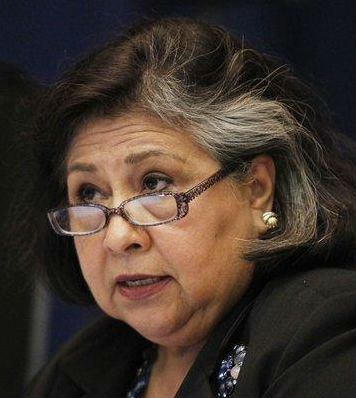
Supervisor Gloria Molina

Supervisor Gloria Molina

The Board projects a $36,000,000 deficit next year. They say that if they don’t raise fares they’ll be forced to lay off 1,000 workers or cut 1,000,000 hours of service. I don’t buy it. These are scare tactics. Gloria Molina, the one member to vote against the fare hike, offered a motion to investigate ways to cut the budget in order to stave off the increase. She couldn’t even get someone to second the motion. For more info on the meeting and the rate hike, you can access the MTA’s newsletter by clicking here.

It’s true that other cities have higher fares, because other cities have a more economically diverse ridership. In New York and San Francisco, a large number of well-paid professionals use mass transit for their daily commute. Not so in LA. The people who use public transit here are mostly on the bottom rung of the economic ladder. Charging them $300 more a year to ride the busses and trains in many cases literally means taking food out of their mouths.

For me personally, shelling out $25 more a month is not a huge sacrifice. I prefer to take public transit, and I don’t mind paying a little more. And up until now, I was pleased to see the MTA aggressively expanding the transit network. But now that I see the price tag, my feeling is that they’ve been grossly irresponsible. They embarked on these ambitious plans knowing full well that it would put the MTA in the red, and knowing full well they were going to use that as leverage to raise rates. They’ve obviously forgotten who they’re serving.

Eight of the Board’s thirteen members are either serving on the LA City Council or the LA County Board of Supervisors. All of these people make around $180,000 a year. In addition, most of them use cars and drivers that are paid for by taxpayers. Why is it that decisions about MTA fares are made by people who only take the subway when they’re touting some new program or taking part in a ceremony? None of them rides the bus to work. Obviously Molina is the only one who has any concept of who it is she was elected to serve. She’s the only one who seems to care that for a family living below the poverty line, carving $25 a month out of your budget is a real sacrifice. This is going to hurt a lot of families, and the pampered elitists sitting on the MTA Board don’t care.

Mayor Eric Garcetti

Mayor Eric Garcetti

And speaking of pampered elitists, let’s talk about Eric Garcetti. It should be obvious by now that Garcetti doesn’t give a damn about anyone who hasn’t made a campaign contribution. He has a bold vision for an exciting new LA, full of skyscrapers and wine bars, boutique hotels and high-end clubs. And he’ll bend over backwards to keep his wealthy developer buddies happy, handing out tax breaks and giving them great deals on city-owned land. But he can’t even support affordable fares for the vast majority of MTA riders who really need them.

How did this guy get elected?

Braking Is Better Than Crashing

design by Renzo Piano for the proposed Academy museum

design by Renzo Piano for the proposed Academy museum

I’ve been reading the news about Zoltan Pali’s departure from the AMPAS museum team. There are a lot of ways to look at this. And it’s important to remember that expensive, high-profile projects like this often take longer and cost more than anyone imagined. I think everyone agrees that the ultimate goal, building a museum dedicated to film history in Los Angeles, is definitely worthwhile. I’m anxious to see it completed, but I also want to them to do it right. I certainly don’t have any credentials that would give me special insight into this process, but I do have a few thoughts to offer….

Renzo Piano is a great architect. With buildings for the Centre Pompidou, the Menil Collection and the Zentrum Paul Klee on his resume, everybody seems to agree that he’s a good choice for the project. But even great architects are human, and therefore fallible. I read this morning that some Academy staff members are concerned about unresolved problems with the design of the new theatre. Movie theatres are technically complex structures that present a very specific set of challenges. No doubt Piano is aware of this, but is he going to bow to the experts who actually have experience in this area?

I used to work at MOCA on Grand Ave.. Isozaki is another great architect, and the building is a beautiful and complex creation. But I was friends with one of the preparators at MOCA, and he was very critical of the design. Sure, he would say, it’s a gorgeous building, but it wasn’t properly planned as an exhibition space. He cited a number of problems with the design that made his job difficult. According to my friend, Isozaki didn’t take enough time to understand the specific challenges of creating an exhibition space. Piano needs to listen to the experts in designing the theatre. Whatever his vision as an architect, it has to function as a place for audiences to see and hear movies.

May Company store on Wilshire, photo by Anne Laskey from LAPL archives

May Company store on Wilshire, photo by Anne Laskey from LAPL archives

Some images of Piano’s design were first made public last year, and then views of an updated version were released just recently. Both versions have been criticized. I don’t have a background in architecture, and honestly, it’s hard for me to evaluate renderings. My impression is that Piano has some great ideas, but I can’t say it totally works for me. I wonder though, if rather than finding fault with Piano’s new building, we shouldn’t look harder at the building that exists on the site already. Many people praise the May Co. building, designed back in the thirties by A. C. Martin. I don’t share their enthusiasm. I love the building because it is an iconic part of the LA landscape. It occupies the corner at Wilshire and Fairfax with a lot of authority, and the gold cylinder rising above the intersection gives it a great presence. But in terms of design, I don’t think it’s very impressive. It’s a big, bland box. Piano is obviously trying for a dramatic contrast with this new addition. Unfortunately, I think starting the project with the May Co. building is like starting the project with an anchor around your neck. I’m glad the Academy wants to use it, because it’s been sitting vacant for years, but Piano faces a real challenge coming up with a design that incorporates it successfully.

The Times ran a piece yesterday by their architecture critic, Christopher Hawthorne. He argues that the Academy needs to slow down and make sure this project is done right. I couldn’t agree more. Their public position is that everything’s going great and there’s no reason to reassess the timeline. Nobody’s buying it. Whatever the reason for Pali’s departure, it obviously signals a change of direction.

Rather than pretending everything’s hunky dory and pushing ahead, they need to pause and take stock of the situation. Why rush to break ground this year if the design isn’t right? I’m so glad the Academy is building this museum, but I also really want it to be something special.

A few links for those of you who want to read further. First is Hawthorne’s piece for the Times. Next a post that ran on Arch Daily back when Piano’s original design was made public in April of last year. And finally an article from the Hollywood Reporter that includes quotes from anonymous sources within the Academy. If these quotes give an accurate picture of what’s going on, there is good reason to be concerned about the viability of the project.

LA Times Commentary

Motion Picture Academy Unveils Designs

Academy Museum Architect Exits Amid Tension

San Fernando Road

SF A1 Desolate

Even if you’ve lived in a city your whole life, you probably only know a small part of it. We tend to stay in our own little worlds. There are the neighborhoods we know, the hangouts where we feel comfortable, the landmarks that are familiar. In our mind that becomes the map of the city. Everything else becomes irrelevant or invisible.

For a long time San Fernando Road was invisible to me. It’s one of the oldest streets in LA, and I’ve been travelling along it since I was a kid, but I never paid any attention to the landscape that was sliding by. It was just a route I’d take to get from one place to another.

Last year I was riding down San Fernando on the bus and I looked out the window. I can’t say I saw anything remarkable, but I started to notice things I’d never paid attention to before. I saw the railroad tracks and the industrial parks. The markets and the restaurants. The trees and the billboards. It’s not a pretty stretch of road, and there’s not much that would attract people from other places, but there’s a lot going on. There are manufacturing and recycling centers, there are auto repair shops and wholesale outlets, and there are trucks and trains that run up and down the road all day long. In other words, there are a lot of things that are made here or processed here or transported through here that touch our lives every day.

San Fernando Road has been called different things over the years. The state and local governments have defined it in different ways. Even now it’s called The Old Road up north in Santa Clarita. In Burbank it’s called San Fernando Boulevard, and it’s interrupted briefly by a mall. When it crosses the LA border again it turns back into San Fernando Road, and it runs all the way into Downtown.

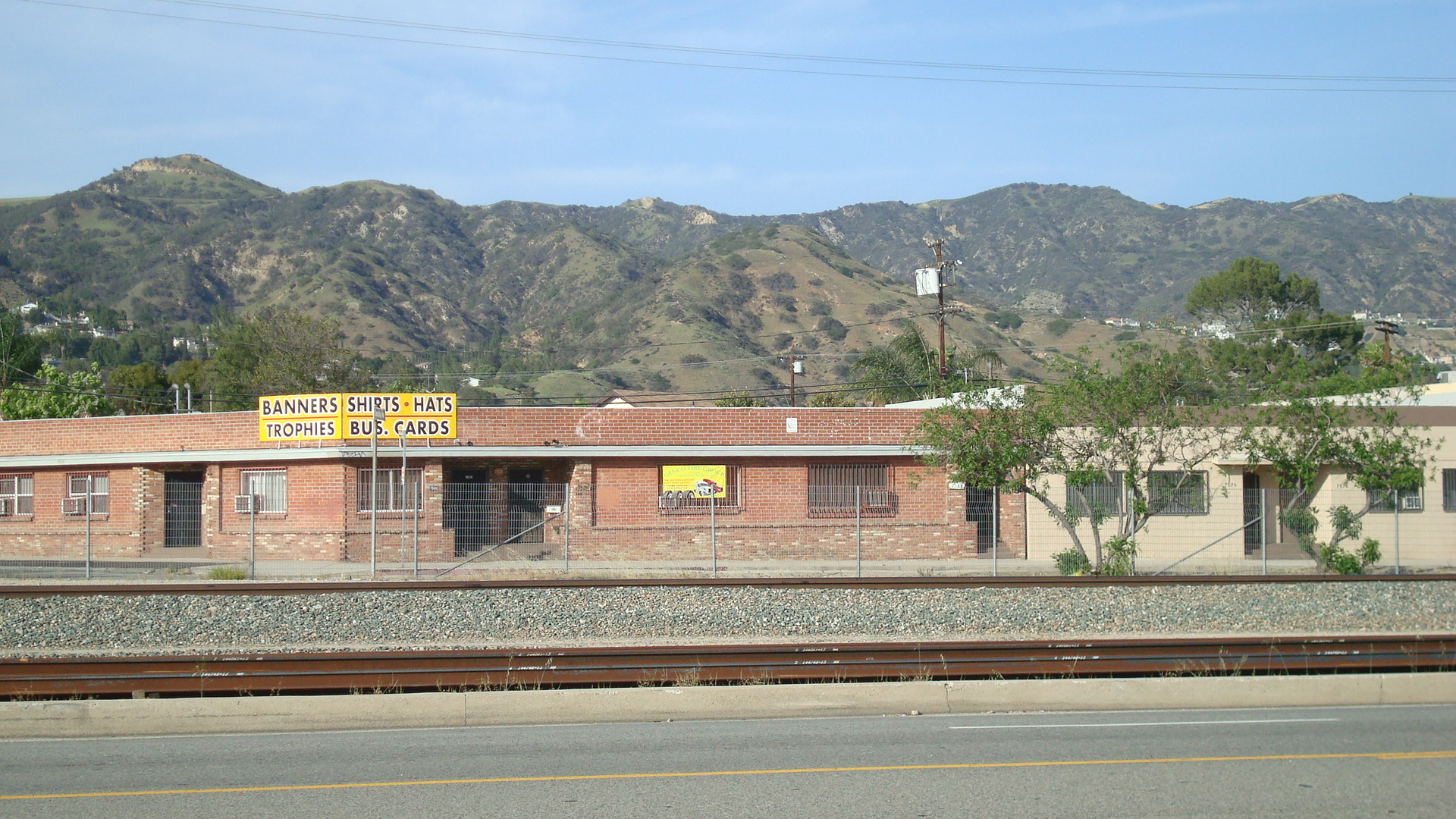
For now I’m just going to focus on the stretch between Hollywood Way and Tuxford. As San Fernando Road leaves Burbank behind, you have the hills on one side….

SF A2 Banners Hills

And Burbank Airport on the other.

SF A3 Airport (2)

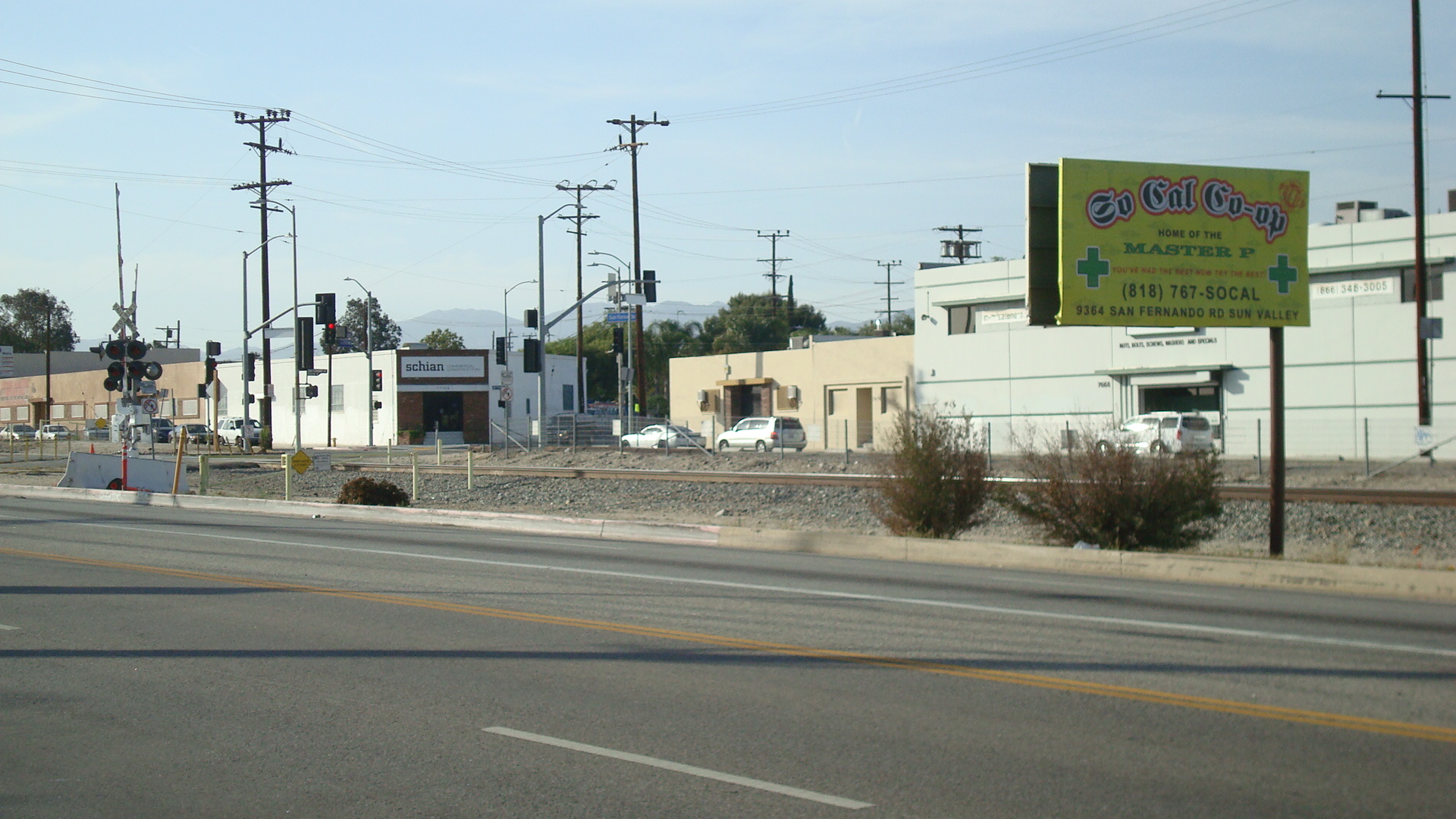
The road is lined mostly with one-story buildings.

SF A4 Coop

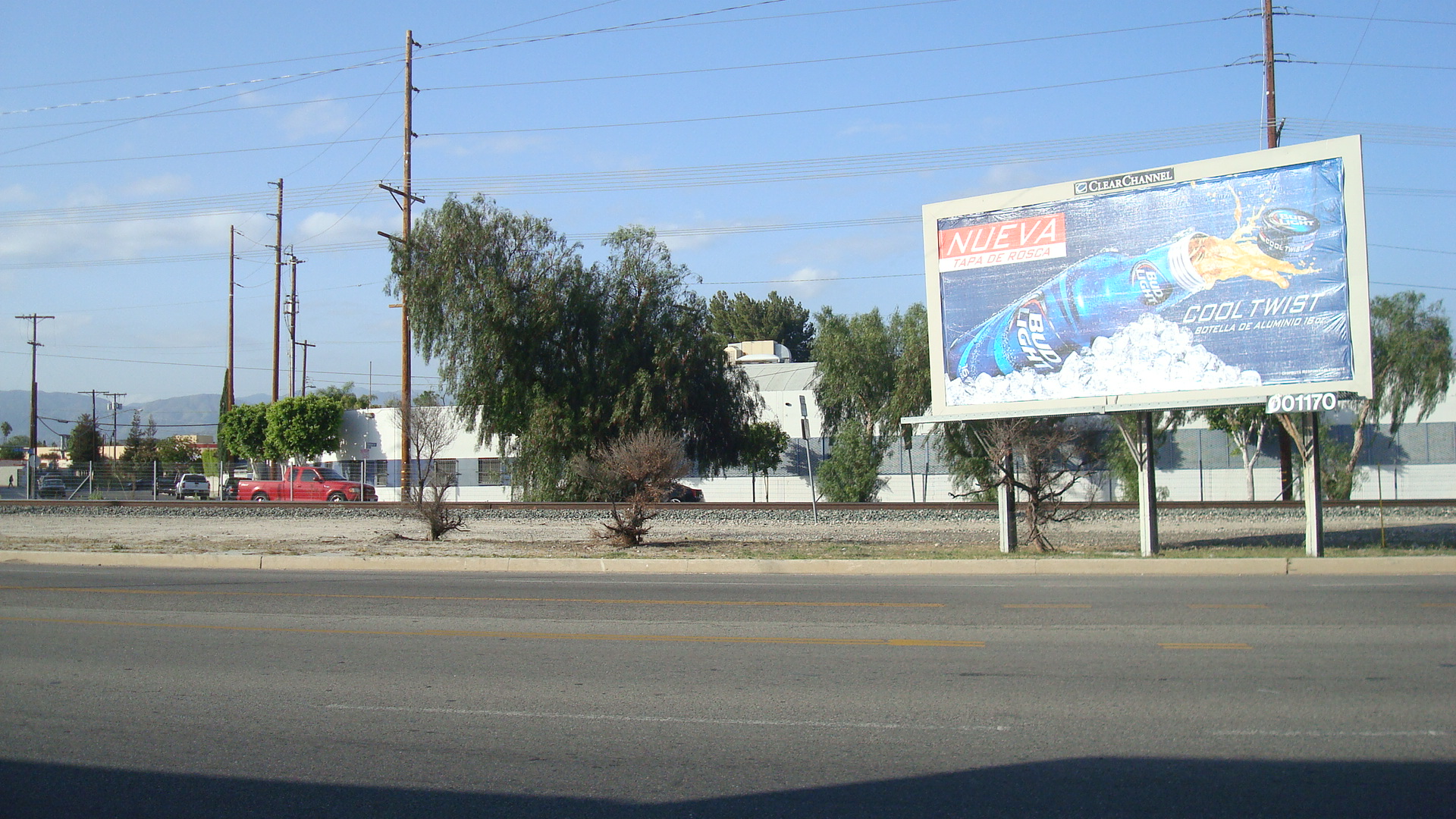
Here and there the monotony is broken by a few trees or a billboard.

SF A5 Beer

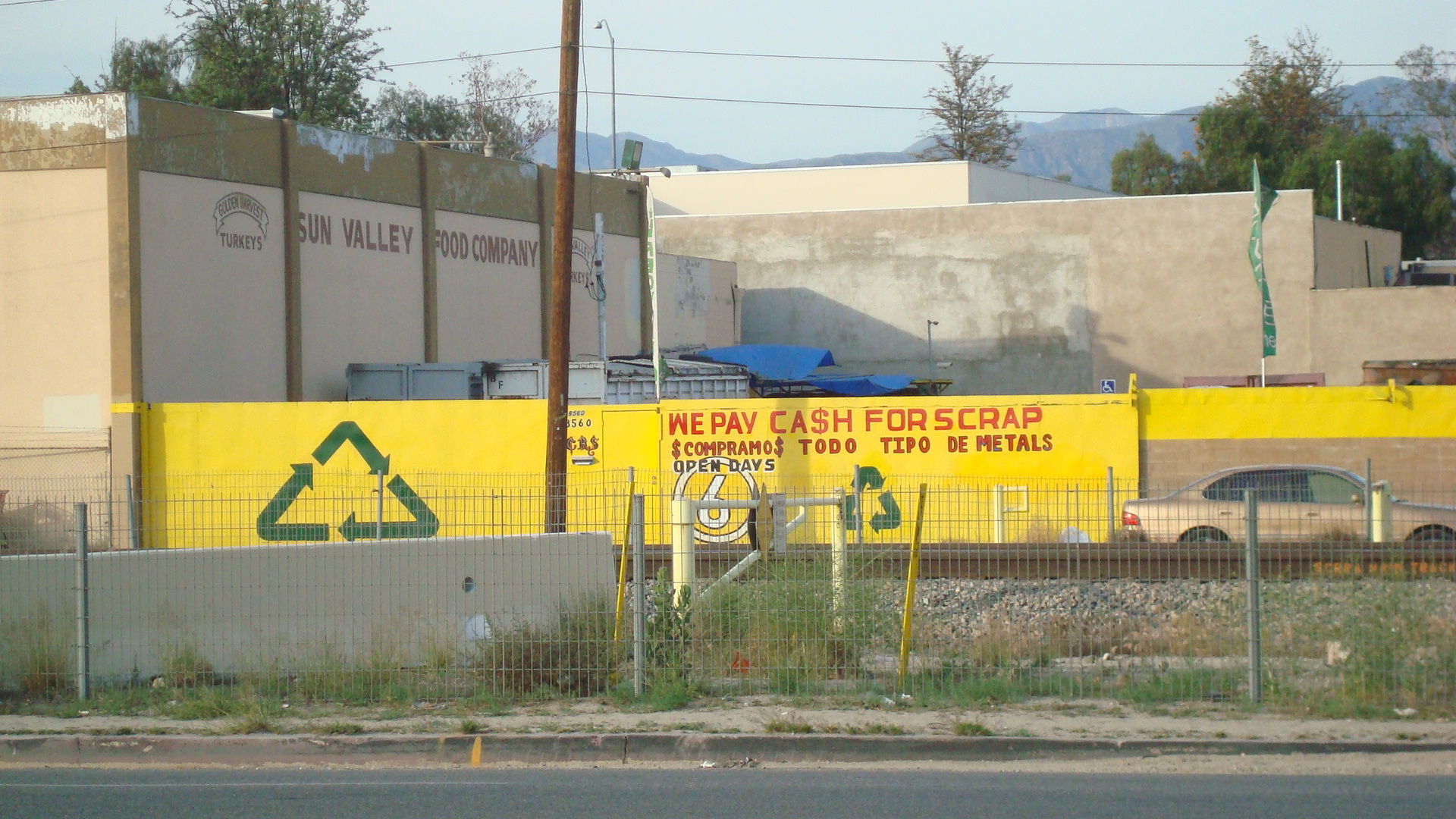
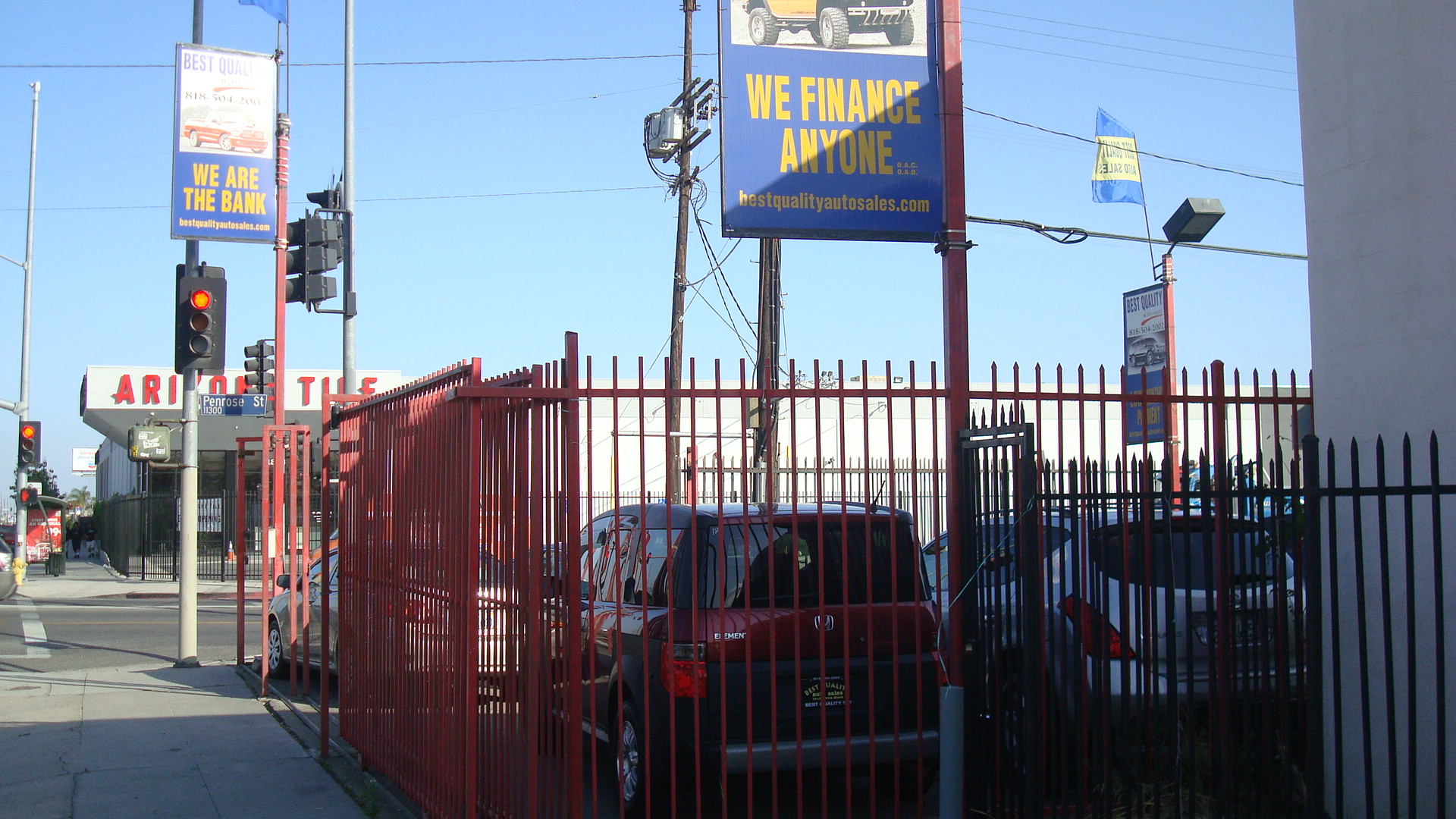
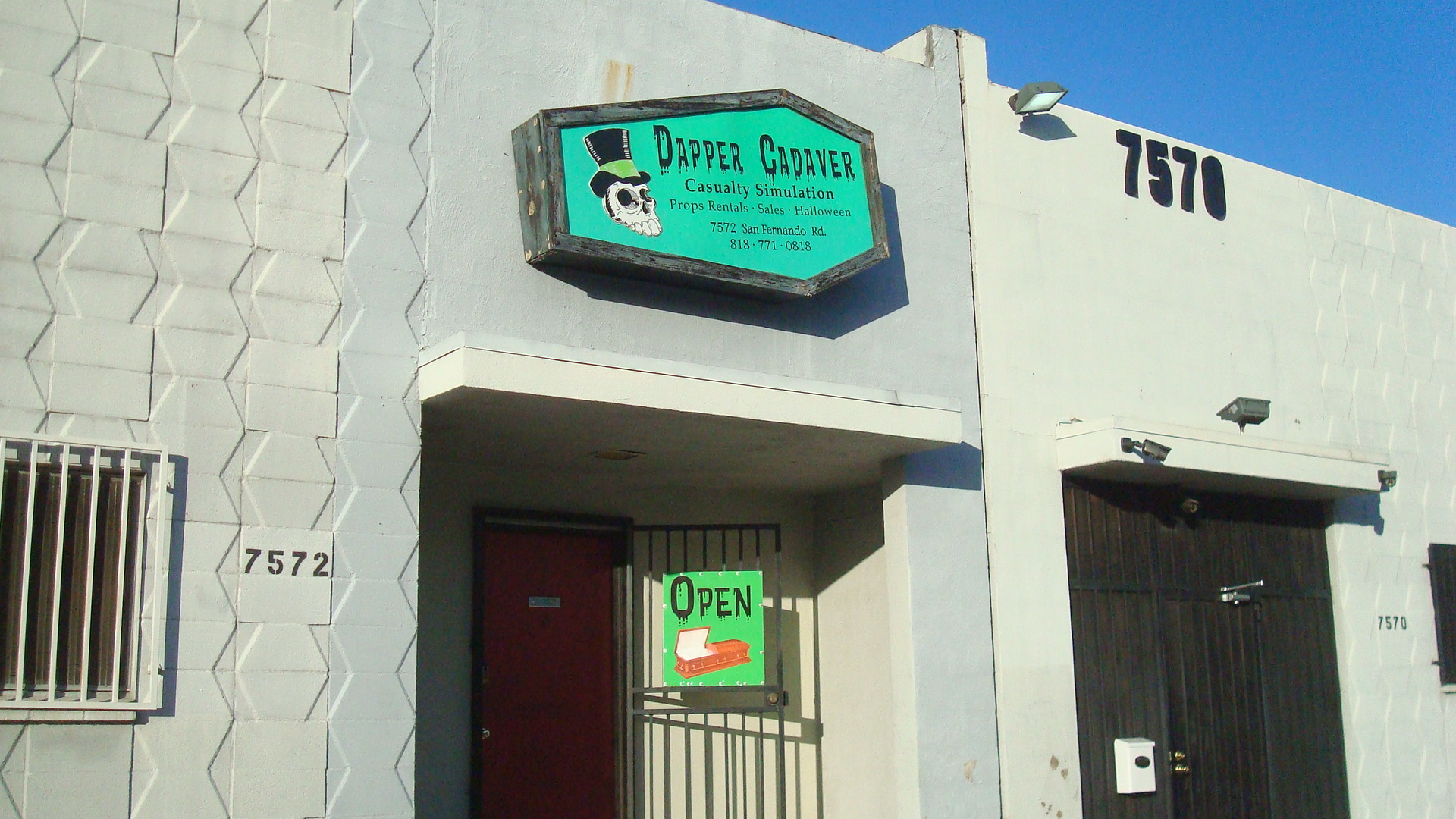
There are all kinds of businesses, many of them dealing with recycling things in one way or another.

a recycling center

a recycling center

La Raza Foods

La Raza Foods

a used car lot

a used car lot

Lite-Weight Tool Mfg.

Lite-Weight Tool Mfg.

The Relic

The Relic

a neighborhood market

a neighborhood market

Dapper Cadaver

Dapper Cadaver

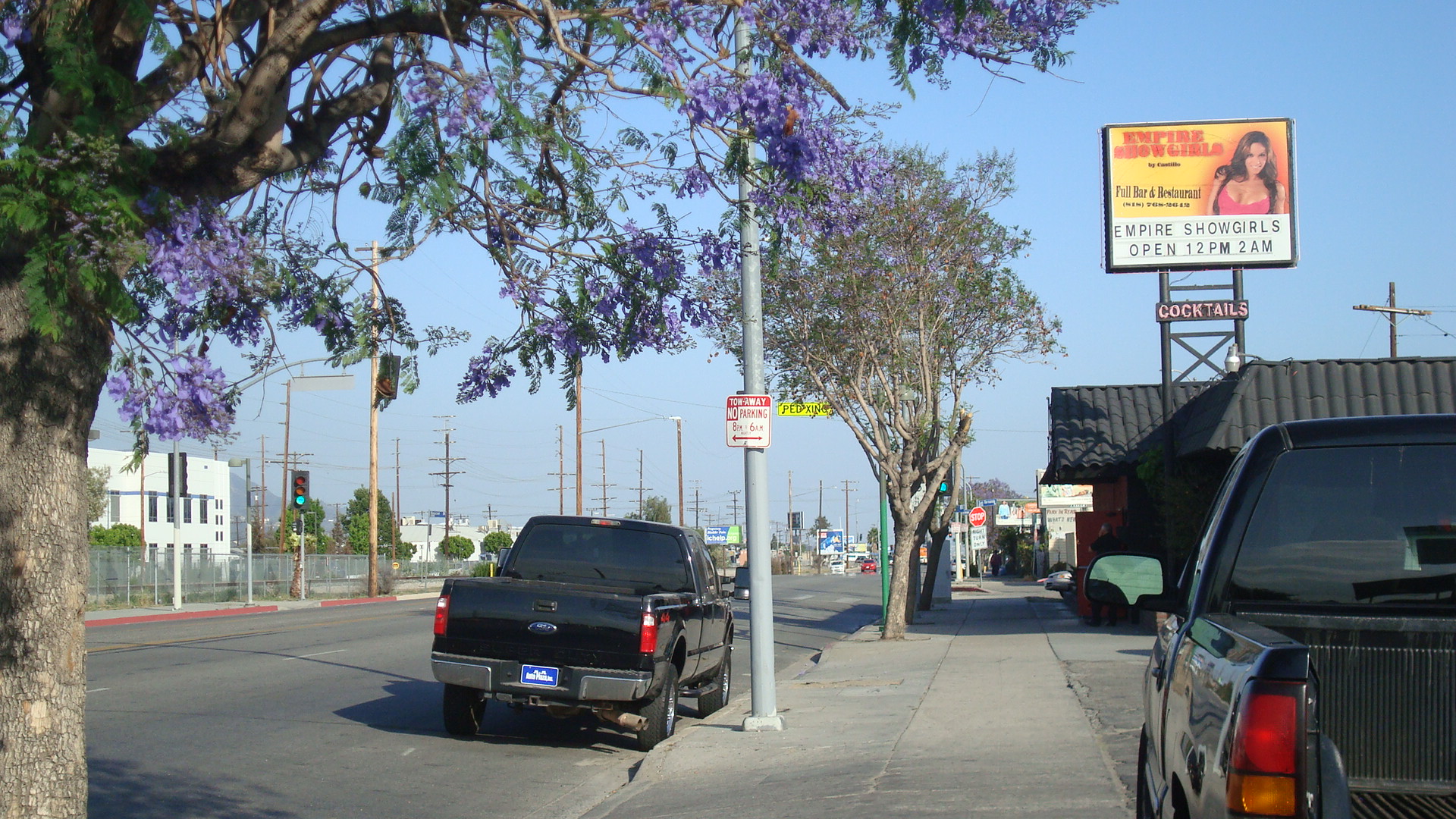
Empire Showgirls

Empire Showgirls

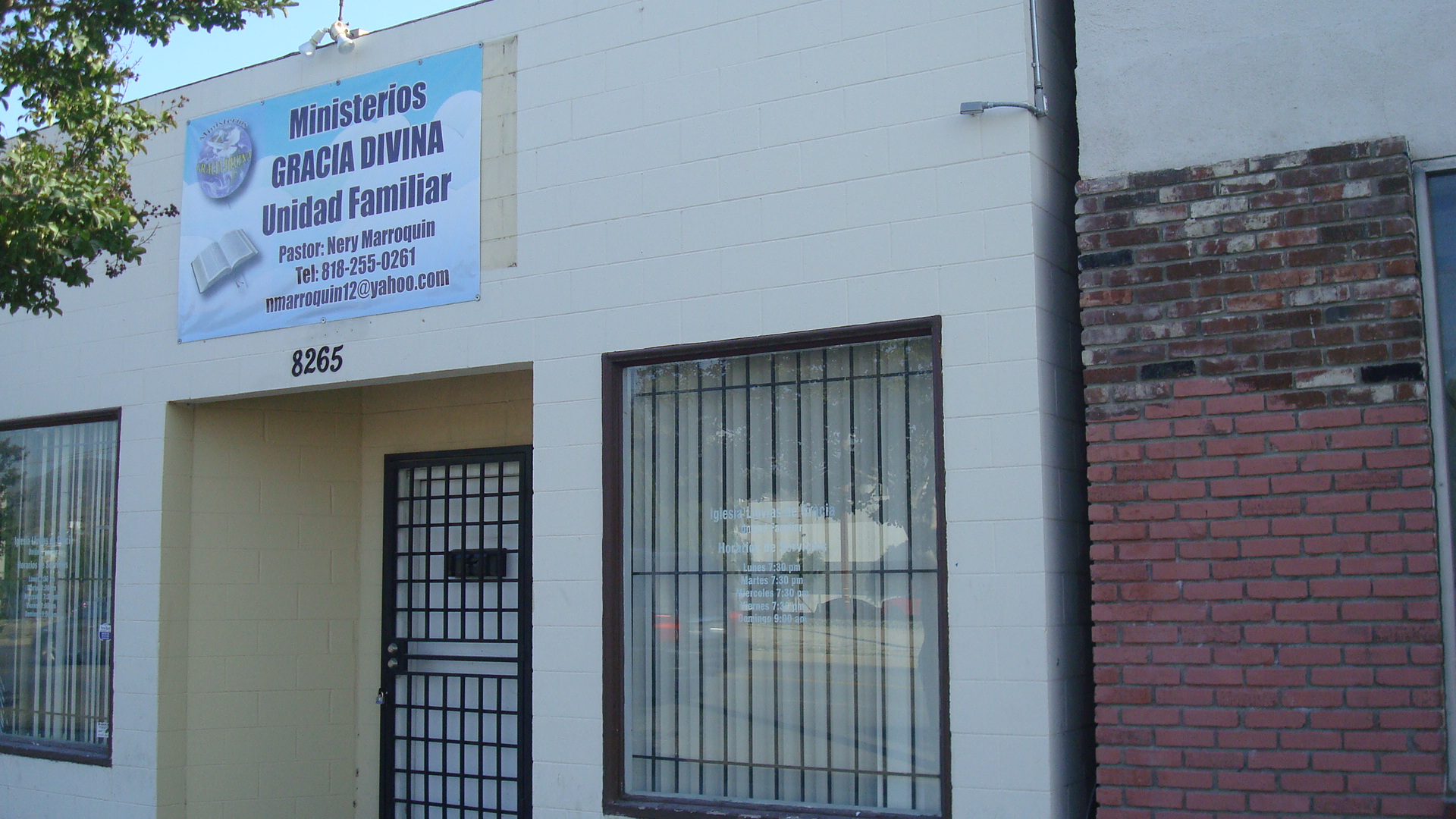
There’s even a couple of places for those seeking a spiritual experience.

Ministerios Gracia Divina

Ministerios Gracia Divina

Burbank Islamic Center

Burbank Islamic Center

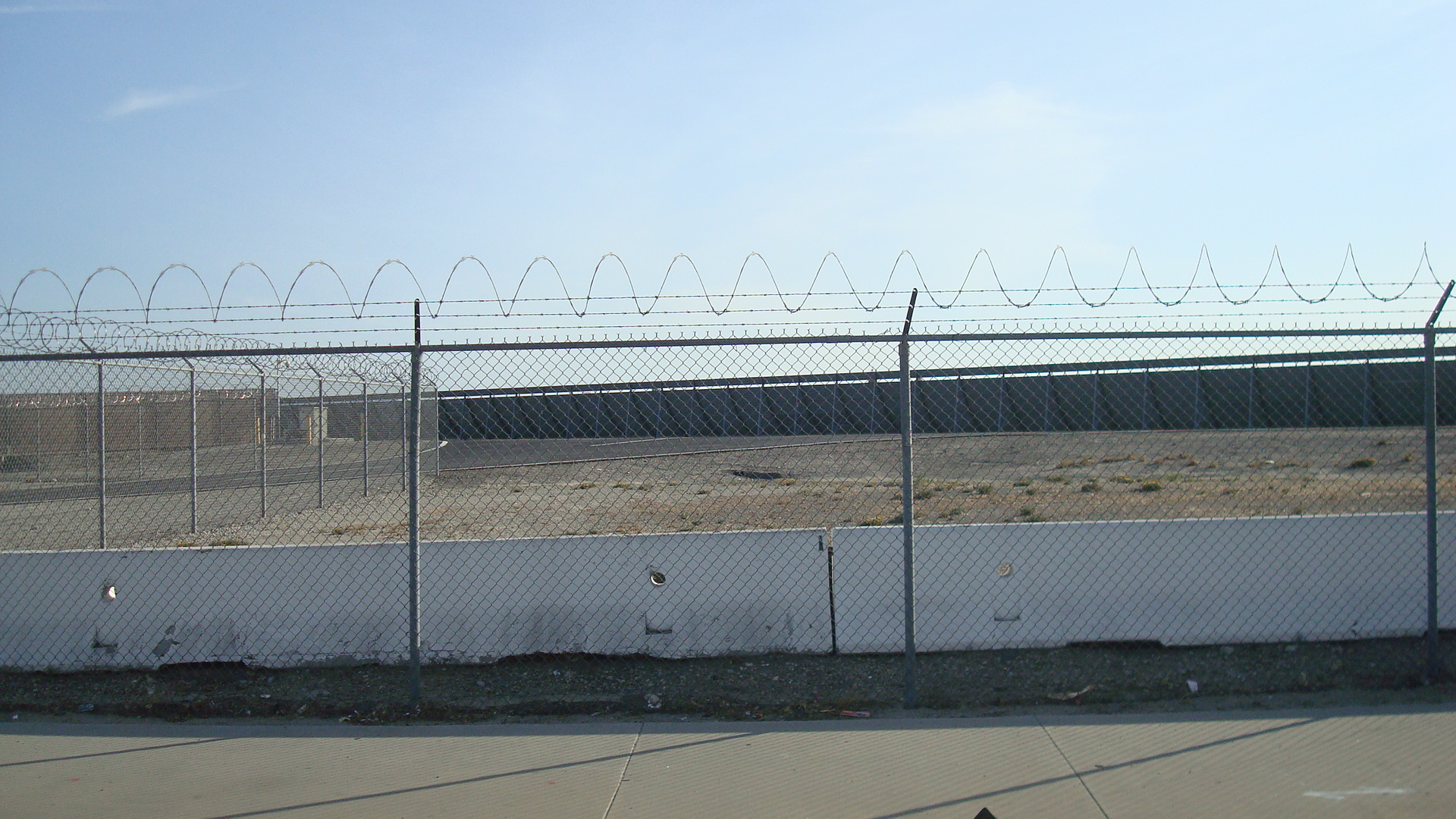
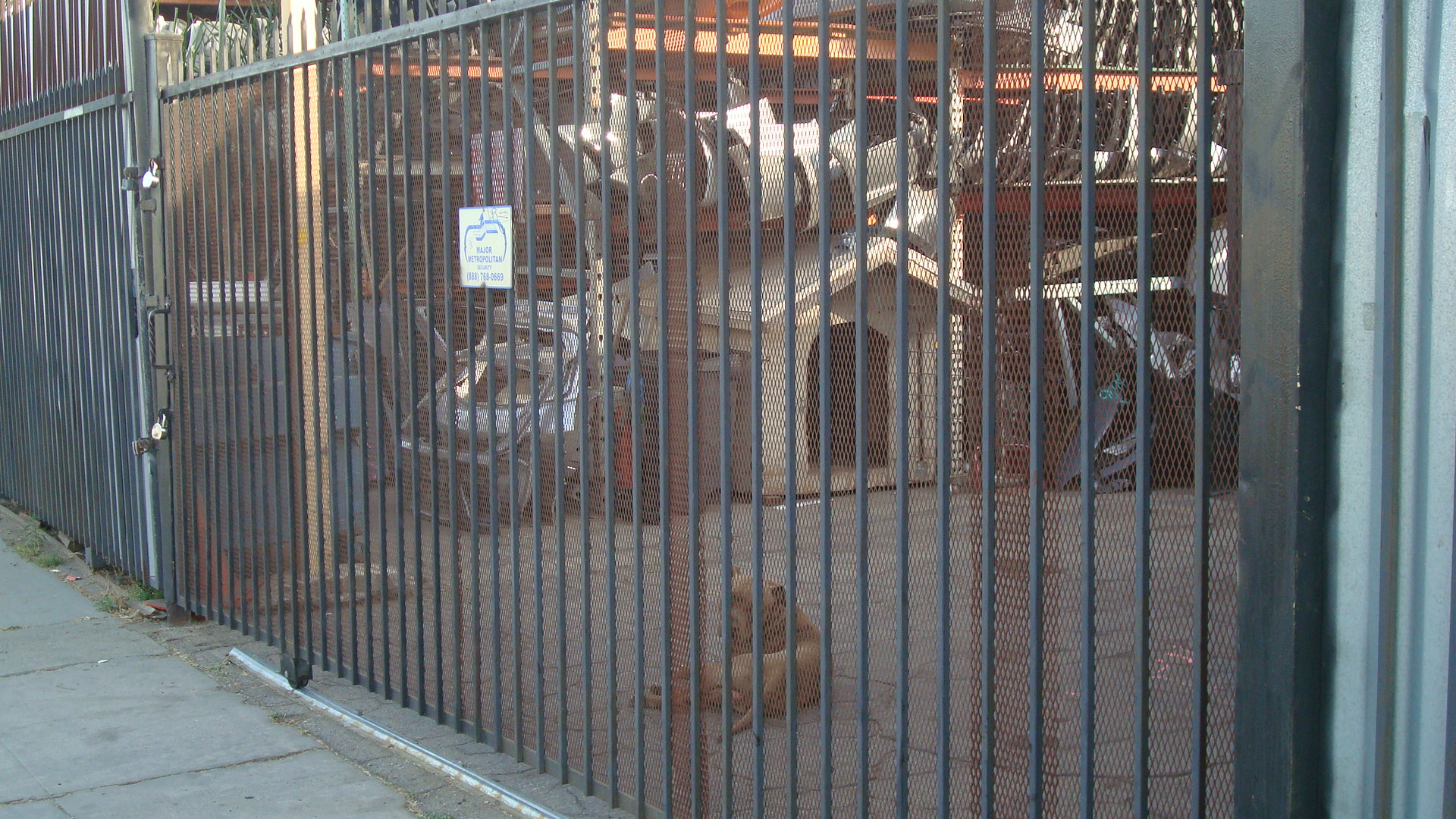
Security is obviously a concern.

bougainvillea and barbed wire

bougainvillea and barbed wire

a guard dog eyes me suspiciously

a guard dog eyes me suspiciously

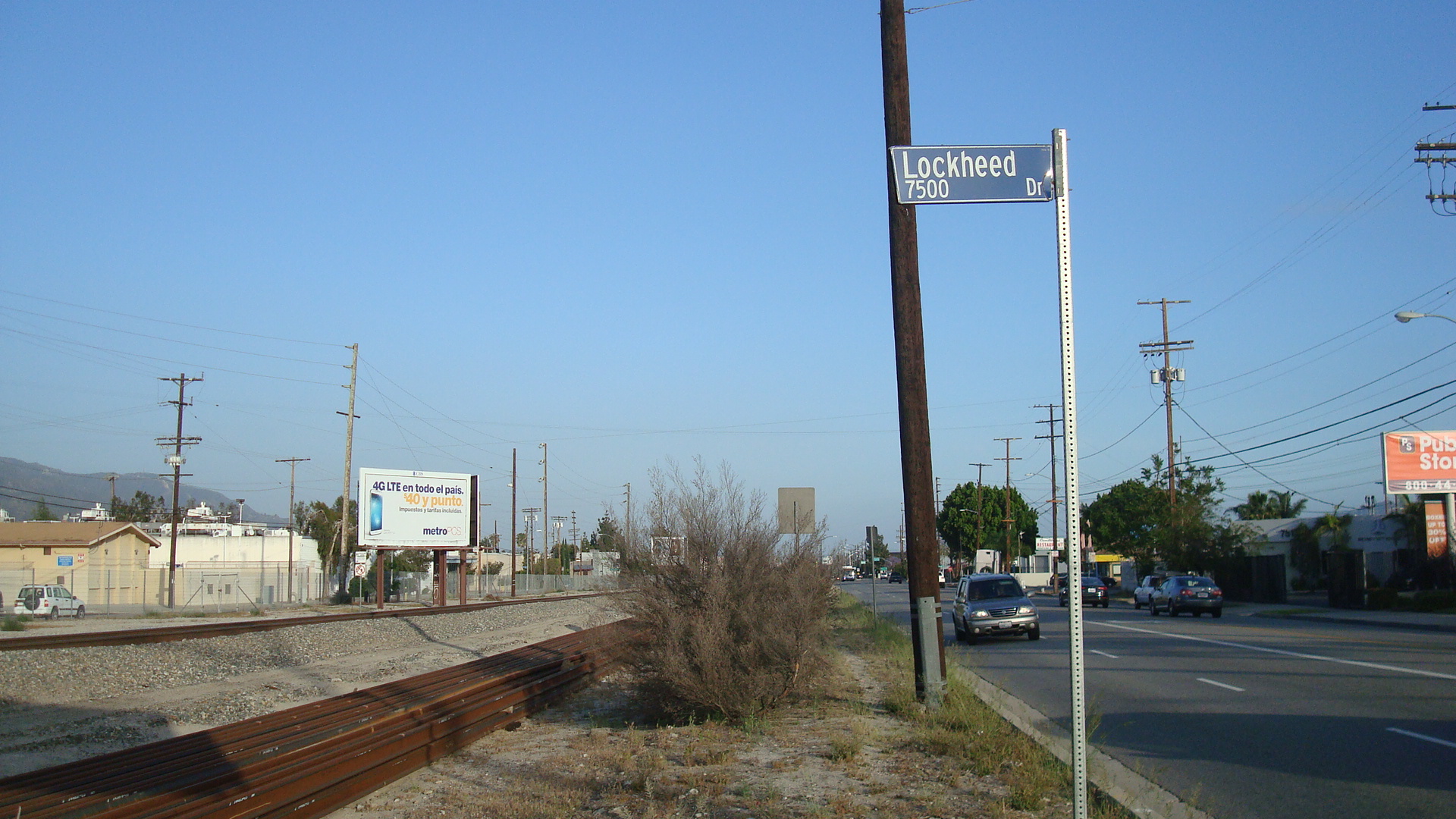
Here’s a relic from the past.

SF C3 Lckd 2

This is one of the few visible reminders of the days when aerospace was a major industry in the area. Lockheed came to Burbank back in the twenties. During and after WWII it employed tens of thousands of workers. The aerospace industry was a major factor in driving the post-war growth of the San Fernando Valley.

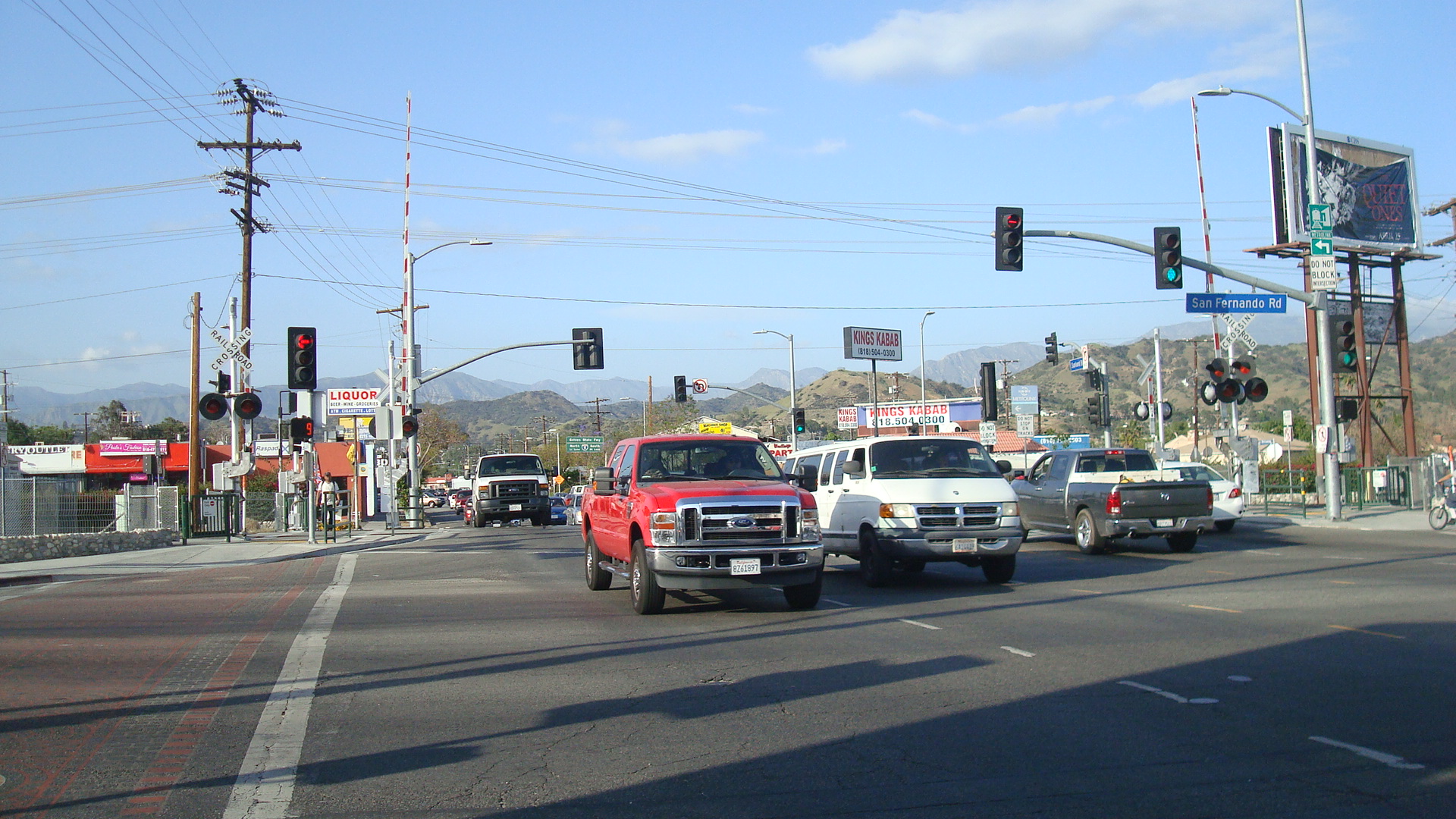
This is the intersection of San Fernando and Sunland.

traffic at San Fernando and Sunland

traffic at San Fernando and Sunland

another shot of San Fernando and Sunland

another shot of San Fernando and Sunland

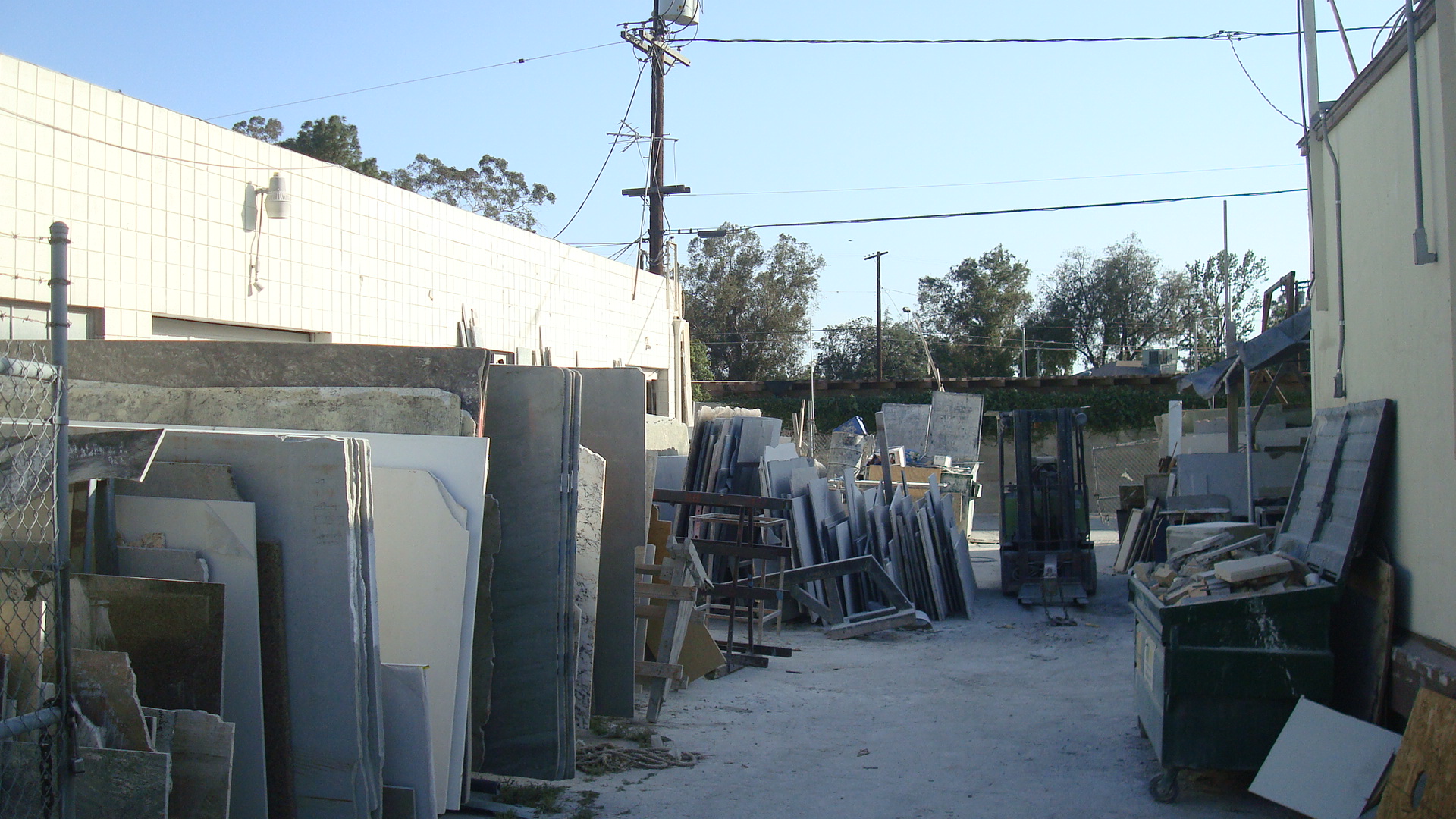
There are a lot of businesses that deal in stone, either polished or pulverized.

sheet rock

sheet rock

paving stone

paving stone

decorative stone

decorative stone

concrete, asphalt, sand and gravel

concrete, asphalt, sand and gravel

The railroad runs right down the middle of San Fernando Road.

tracks originally laid by  Southern Pacific Railroad

tracks originally laid by Southern Pacific Railroad

And here’s the Metrolink, a commuter train that serves Southern California.

northbound Metrolink train

northbound Metrolink train

The entrance to the Golden State Freeway is on Tuxford just a short block from San Fernando. The next few shots were all taken along Tuxford.

SF E1 Fwy Ent

You can see all kinds of trucks going up and down Tuxford.

SF E2 Tux Trucks Fwy

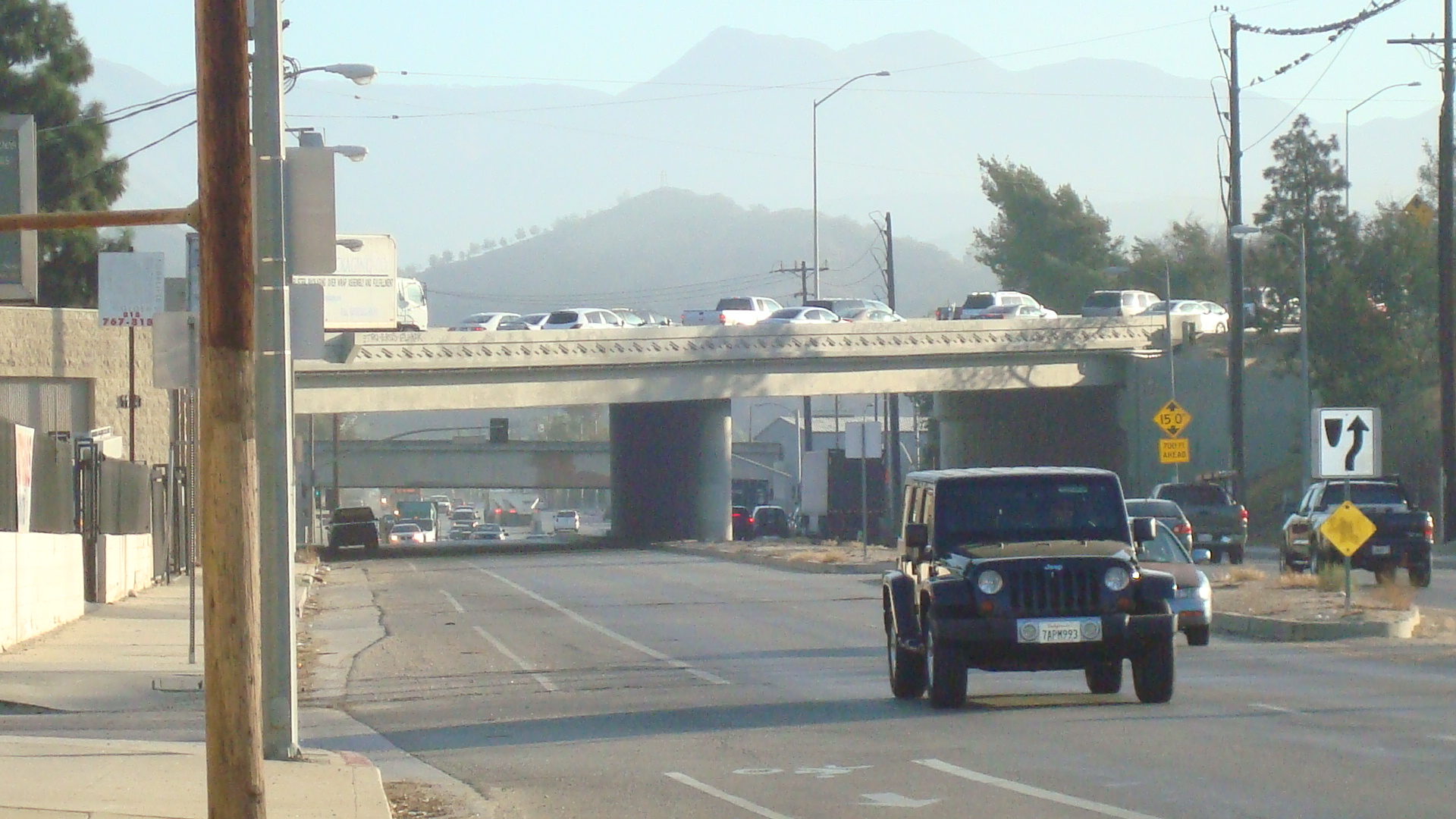
And you can see the traffic on the freeway gets pretty bad at rush hour.

SF E3 Tux Jeep Fwy

I have no idea what this is about, but it seems to be tied to a place that buys junk cars.

SF E4 Big Wheel

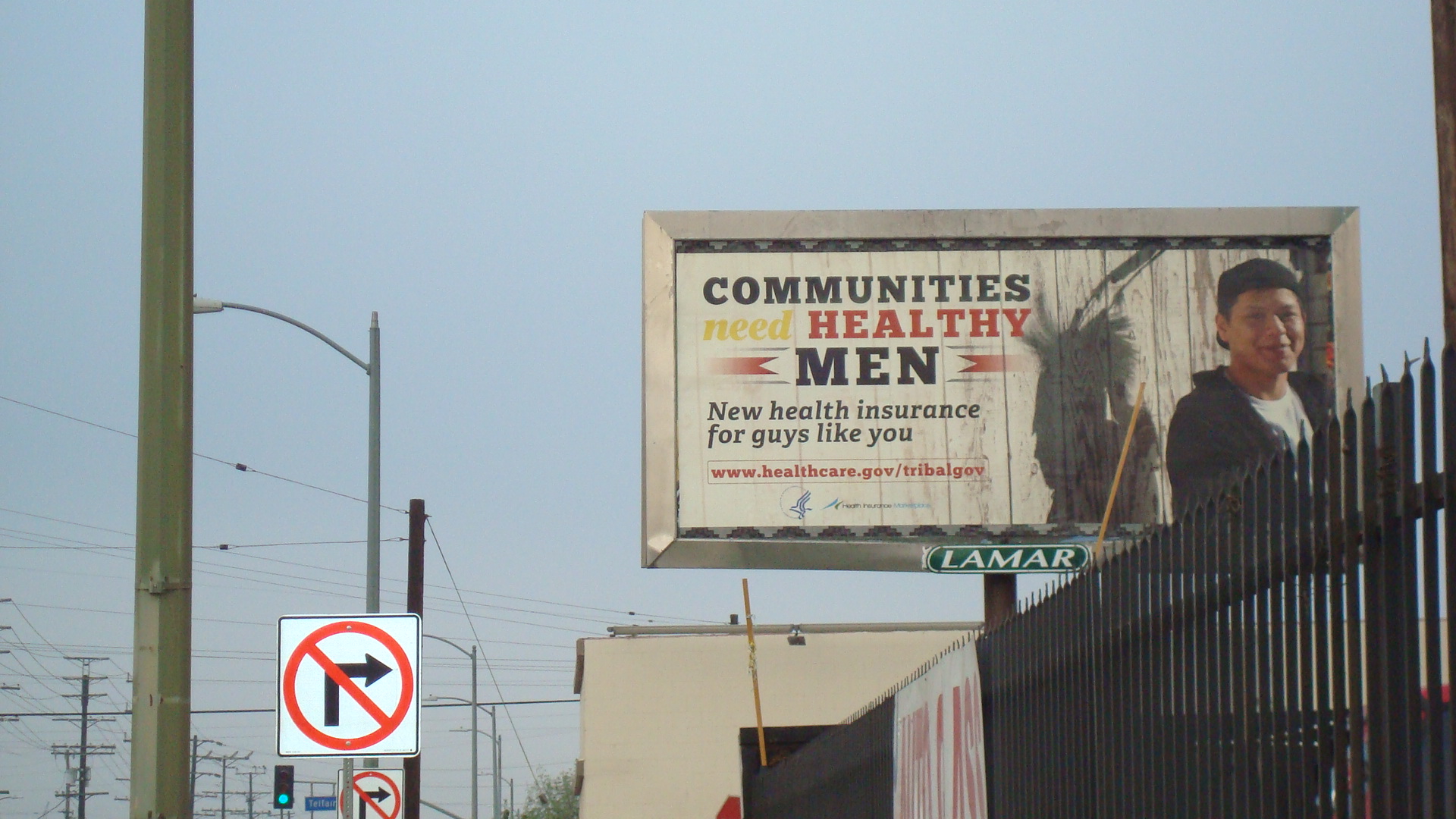
Lots of the billboards in this area carry public service announcements.

SF E5 Communities

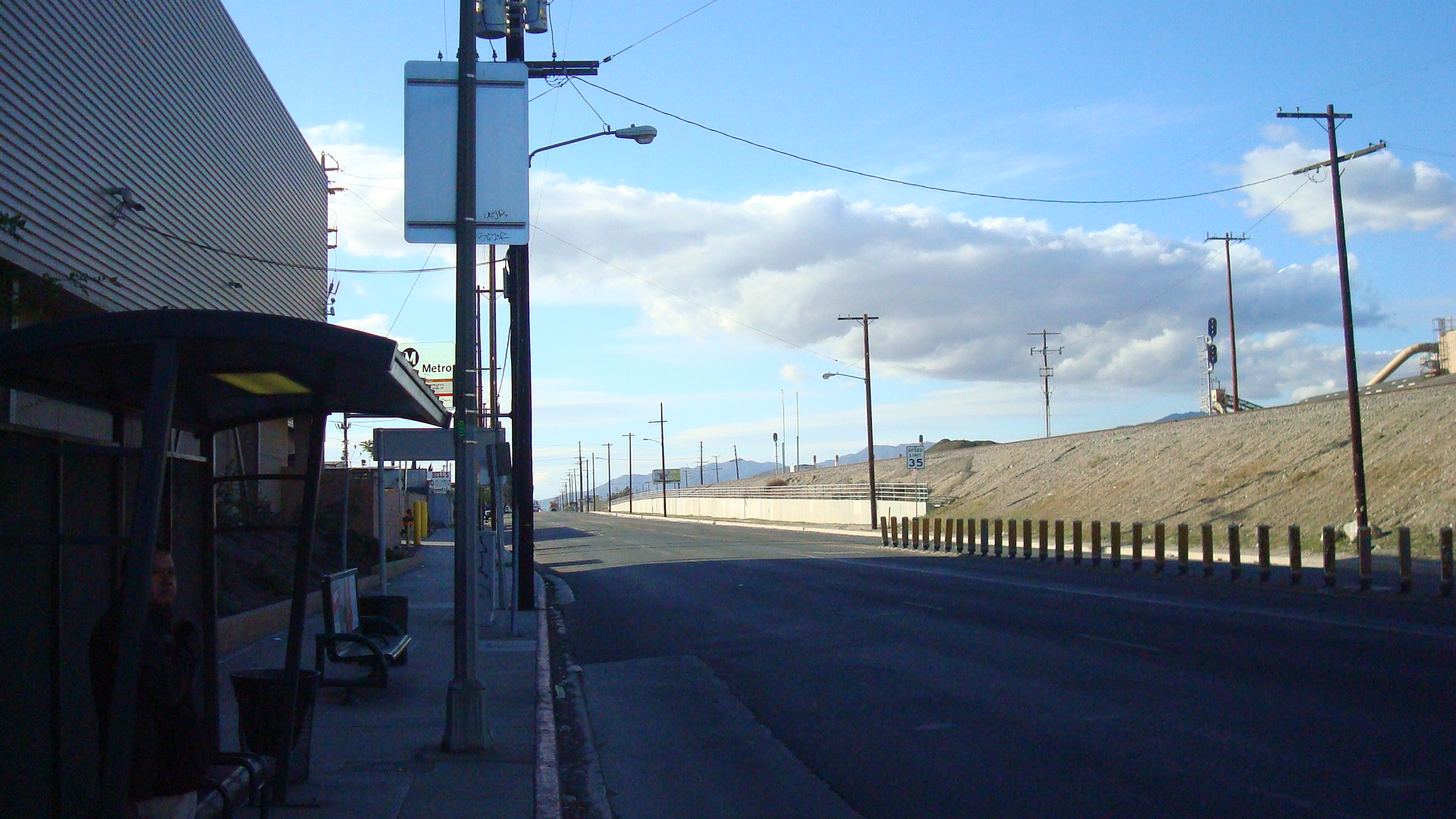
A shot of a guy waiting for the bus on San Fernando at Tuxford.

SF F1 Busstop Clouds

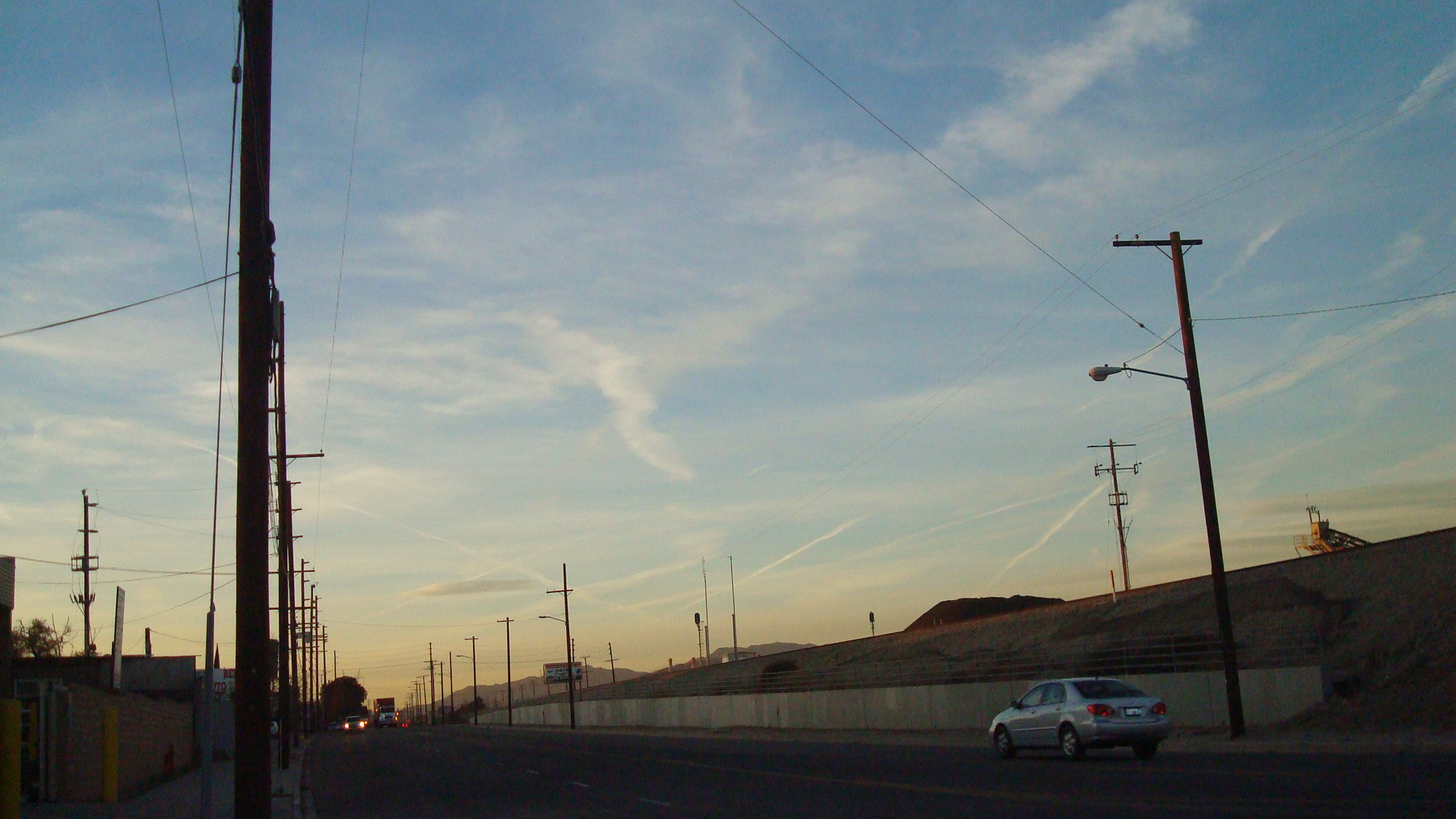
And this is what San Fernando Road looks like as the light starts to fade.

SF F2 Distance Twlght 2

Looking to the Future

DSC02666

Not long ago the City of LA released two documents for public review. The Mobility Plan 2035 and The Plan for a Healthy Los Angeles are both intended to create a framework for the city’s future growth. There are many good things in both plans, and I certainly support efforts to improve public transit and develop a healthier environment. However….

I have to say I don’t trust our elected officials. If you take the documents at face value, they present a thrilling utopian vision for the city where everyone will have the opportunity to live a healthy, productive life. But unfortunately, the Mayor and the City Council have shown over and over again that they’re willing to put the interests of their wealthy buddies ahead of the interests of the average citizen.

The thing that makes me suspicious is that both documents talk about land use, and both documents promote higher density. This is not bad in itself. LA is notorious for its sprawling communities and there are many areas where we could reap significant benefits by creating greater density. My concern is that the Mayor and the City Council want to change land use policy not to build a healthier city, but rather to let their developer friends build skyscrapers wherever they like. We’ve already seen our elected officials playing fast and loose with the facts with the Hollywood Community Plan Update. They argued that greater density was necessary because Hollywood’s population had increased, when in fact they knew that the community had lost thousands of residents in recent years. Fortunately the courts set them straight.

But I don’t want to go off on another rant. I do too much of that already. As I said, there are many good things about both plans, and I encourage you to take a look at them. We should all be thinking about what direction we want this city to take. LA seems to be riding a new wave of growth, and it’s important that we make informed, intelligent decisions about how that growth occurs. If we aren’t involved in the process, others will make those decisions for us, and they may not have our best interests at heart.

Here are links to both plans.

Mobility Plan 2035

Plan for a Healthy LA

How Safe Is Your Home?

Quake Graphic 3

I have to say I’m impressed by Mayor Garcetti’s earthquake safety plan. The idea of rating buildings according to how well they’d weather a quake, and making that information available to the public, is pretty smart. It’s been suggested that LA should a adopt a mandatory retrofit program for soft story buildings, which is what San Francisco has done. The problem, of course, is that property owners are freaked out by the potential cost. Renters aren’t happy either, since San Francisco’s law allows landlords to pass the cost along to tenants over a twenty year period.

But soft story buildings need to be upgraded. Failing to do so could mean a massive death toll when the next major quake strikes LA. So how do you get property owners and renters to support a costly retrofit program? By rating buildings according to how safe they are. Garcetti’s plan will make the public aware of how serious the threat is. People will probably be much more willing to support retrofitting once they realize that their property or their life could be at stake.

The only drawback is that this will take time. Garcetti’s earthquake czar, Lucy Jones, has emphasized that this isn’t going to happen right away. The work of creating a rating system and then actually evaluating all the buildings at risk will probably take two or three years. Let’s hope we have that much time.

But this is a good first step. I’m impressed that Garcetti is leading the way on this. I’ll be even more impressed if he makes it happen.

For more details, here’s the story from the LA Times.

Garcetti Wants Buildings Graded for Earthquake Safety

Art Is Everywhere

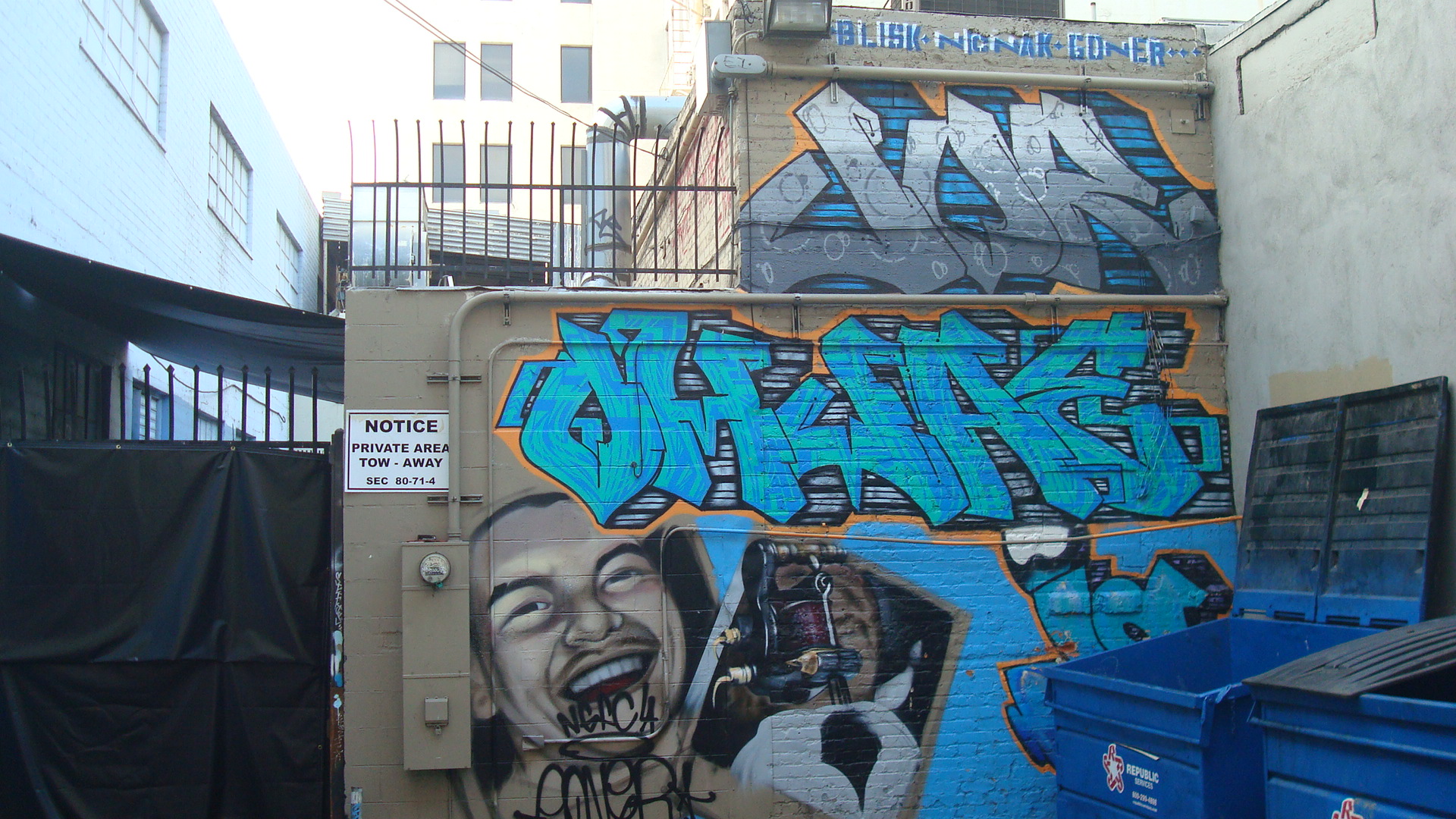
Sunset & Hillhurst, in the alley behind the Vista

Sunset/Hillhurst, in the alley behind the Vista

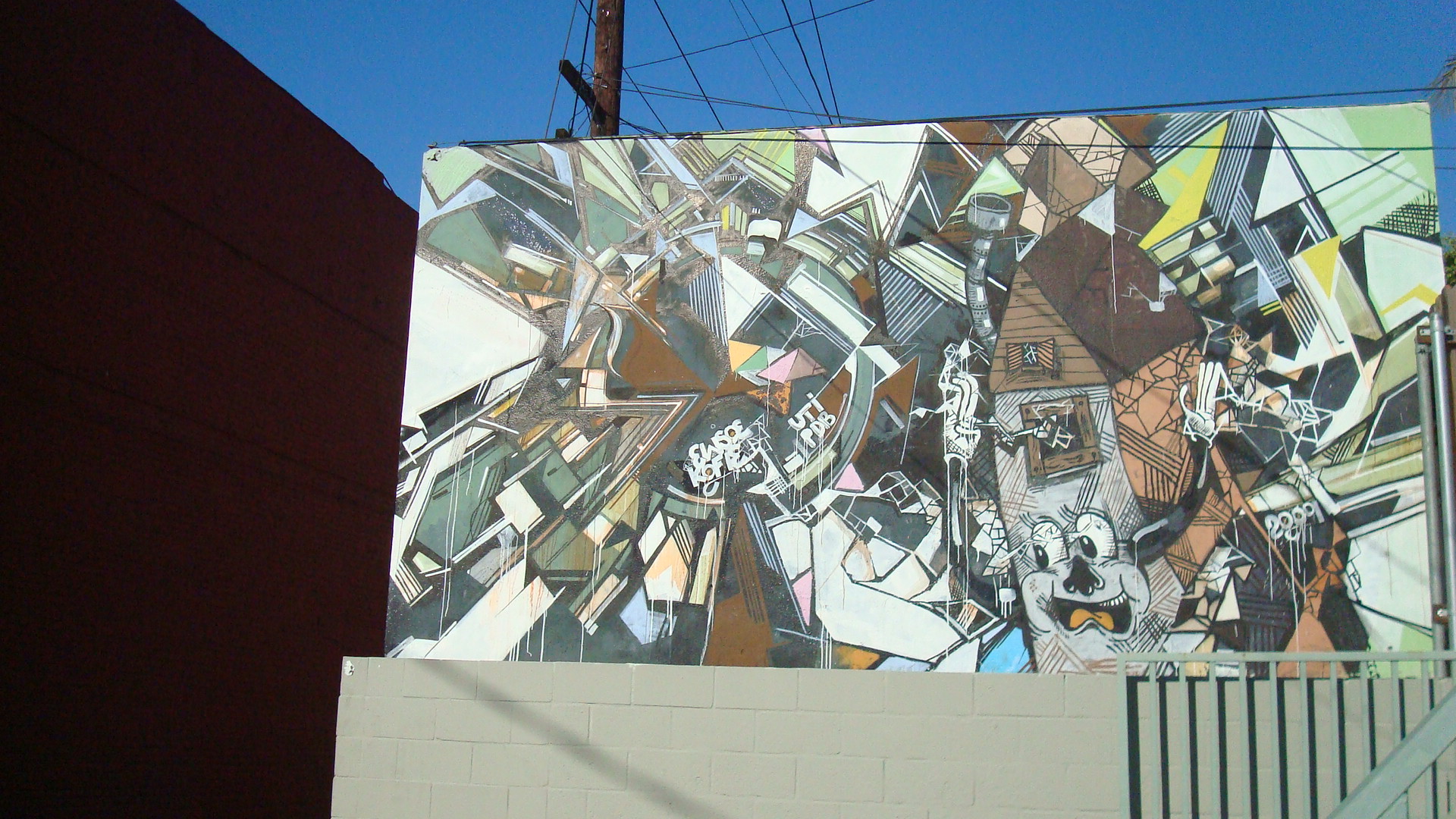
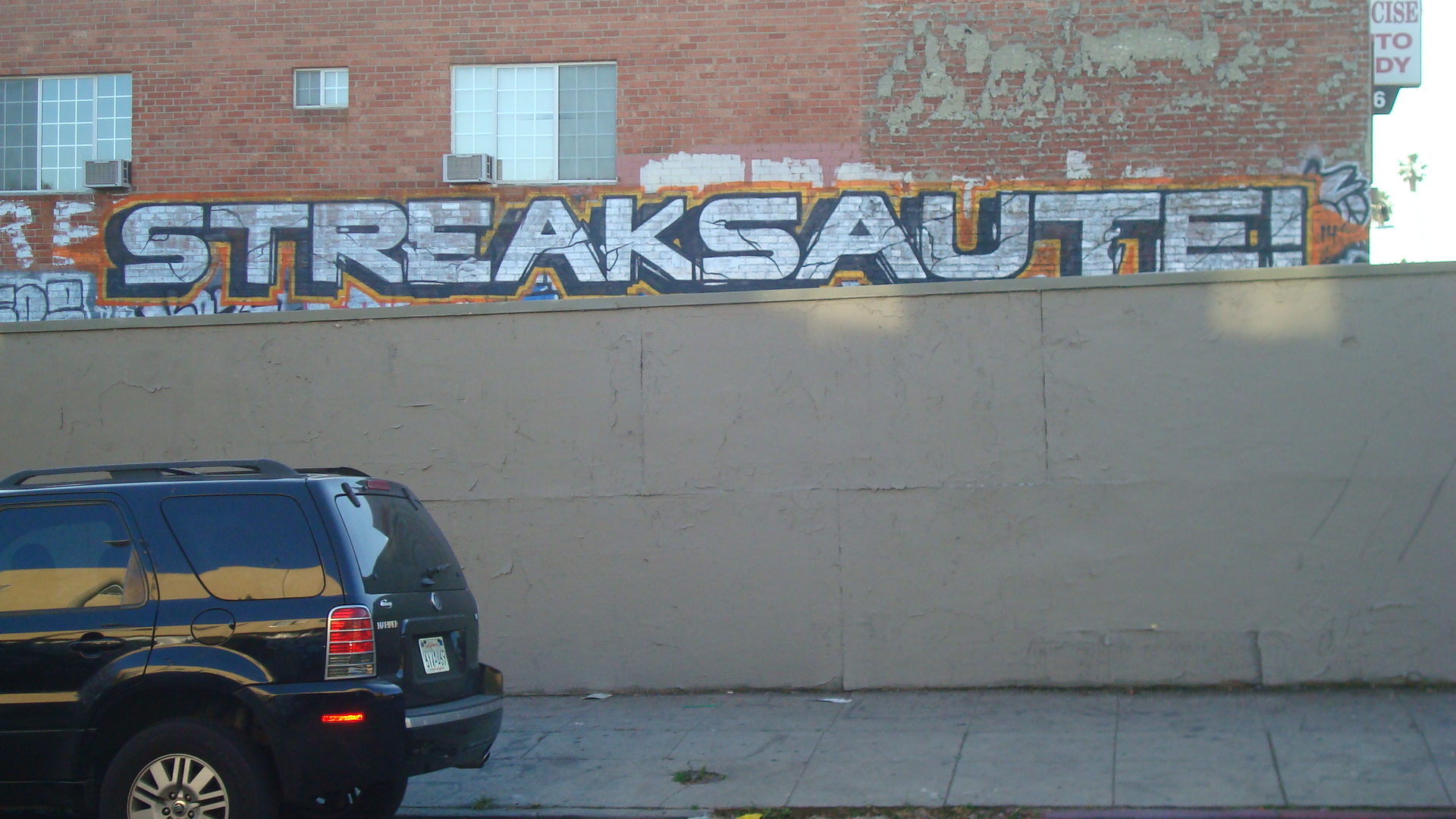
In most major cities, we can see art all around us. Any blank wall can end up being a canvas for a kid with a can of spray paint. I’m not talking about the taggers who just scrawl their name anywhere they can find the space. I’m talking about artists who have an eye and a style and maybe even something to say.

Here are some shots I’ve taken of street art in the Hollywood area. They cover a wide range, from paintings by professional artists who’ve been commissioned to decorate a building, to kids working on a blank wall in a vacant lot in the middle of the night. Below each photo I’ve given the approximate location, and I’ve included the artist’s contact info when it was available.

Hollywood & Normandie

Hollywood/Normandie

Hollywood/west of Normandie

Hollywood/west of Normandie

Hollywood/St. Andrews

Hollywood/St. Andrews

Here’s a guy who knows how to get attention.

Hollywood/St. Andrews

Hollywood/St. Andrews

But, as you can see below, he’s not the only person who’s been working on that wall.

Hollywood/St. Andrews

Hollywood/St. Andrews

Hollywood/Harvard

Hollywood/Harvard

I love this one because it’s totally ephemeral. Drawn in chalk, it’ll be gone the next time it rains. That is, if it ever rains in LA again.

Hollywood/Western

Hollywood/Western

Hollywood & Western

Hollywood/Western

Artist’s Web Site: ELMAC

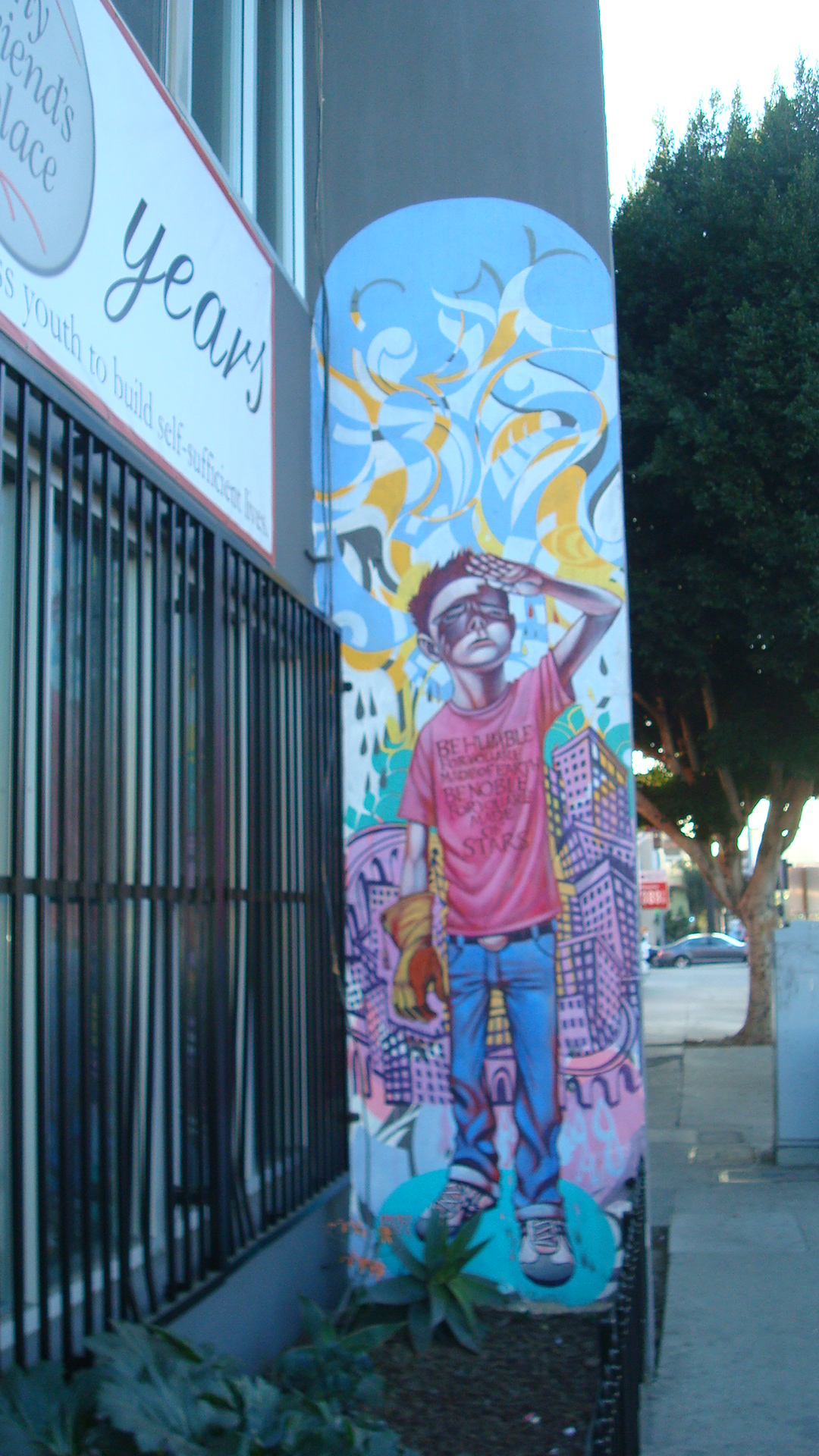
The following images are painted on a building that sits right next to the Hollywood Freeway. I later learned that this was My Friend’s Place, an organization that helps homeless youth. They provide meals, and also assist young people with health care and housing. Sounds pretty cool. For more information, click here.

Hollywood/Hollywood Freeway

Hollywood/Hollywood Freeway

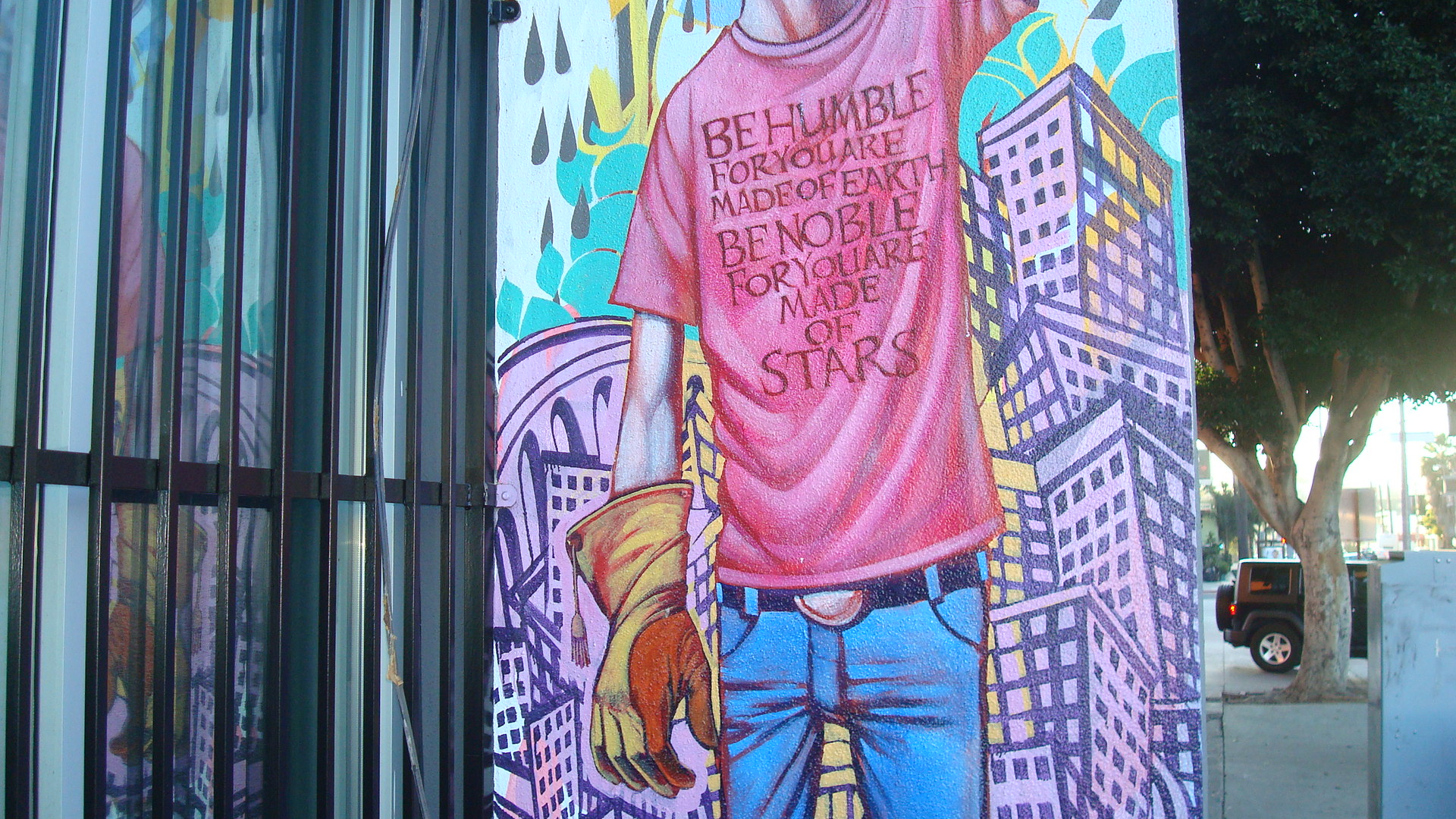
Below is a closer look at the words on the boy’s shirt.

same as above

same as above

same as above

same as above

Artist’s Web Site: Bumblebee

Hollywood/Highland, behind First National Bldg.

Hollywood/Highland, behind First National Bldg.

I was walking to the subway one morning and saw this at Highland and Franklin. It didn’t hold up for very long, but it was cool while it lasted.

Highland/Franklin

Highland/Franklin

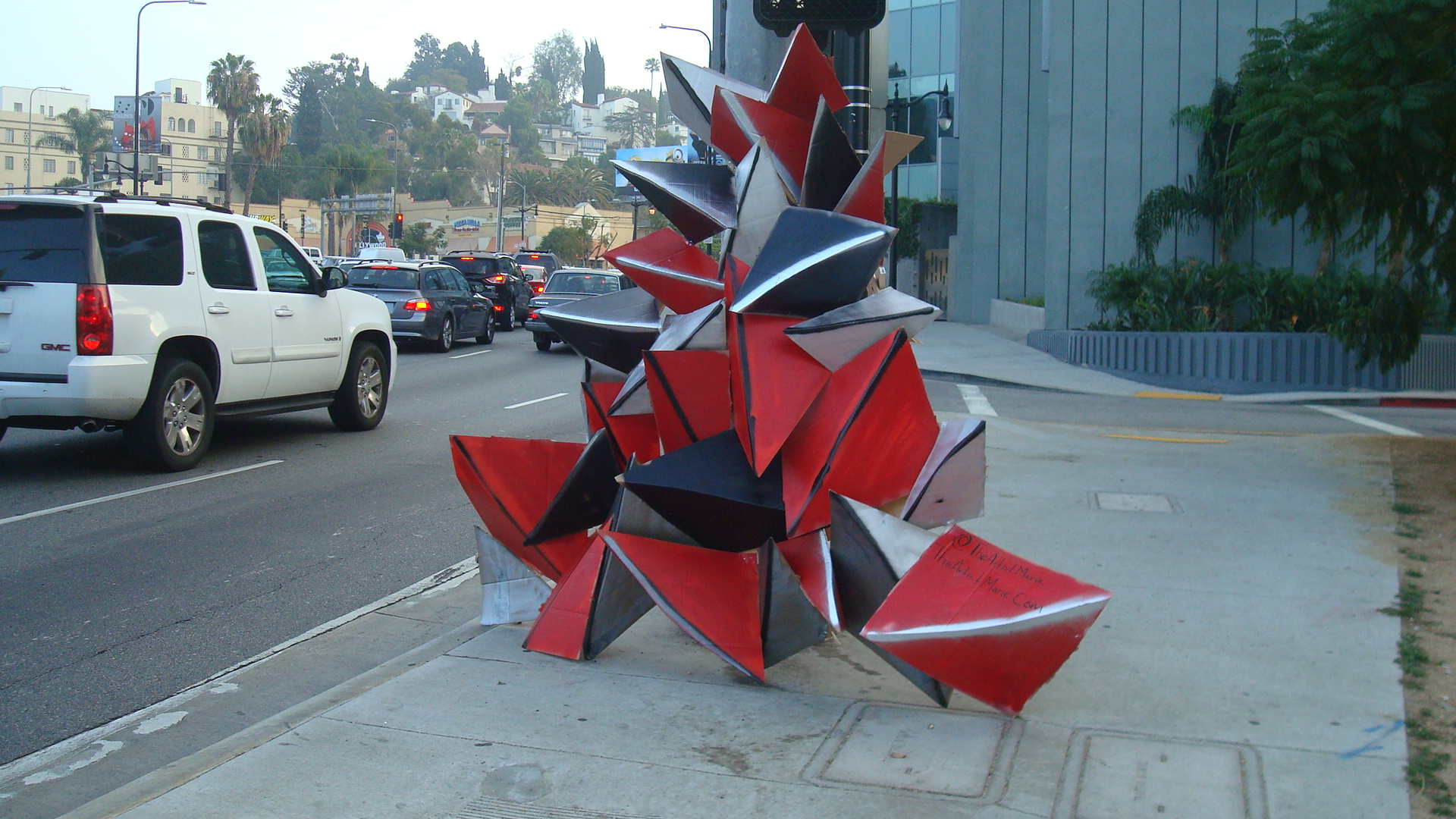
Artist’s Web Site: The Artist Marie

This image seemed like a good one to close with.

Highland/Franklin, in front of the mini-mall

Highland/Franklin, in front of the mini-mall

Artist’s Web Site: Skechy

Transit Tempest

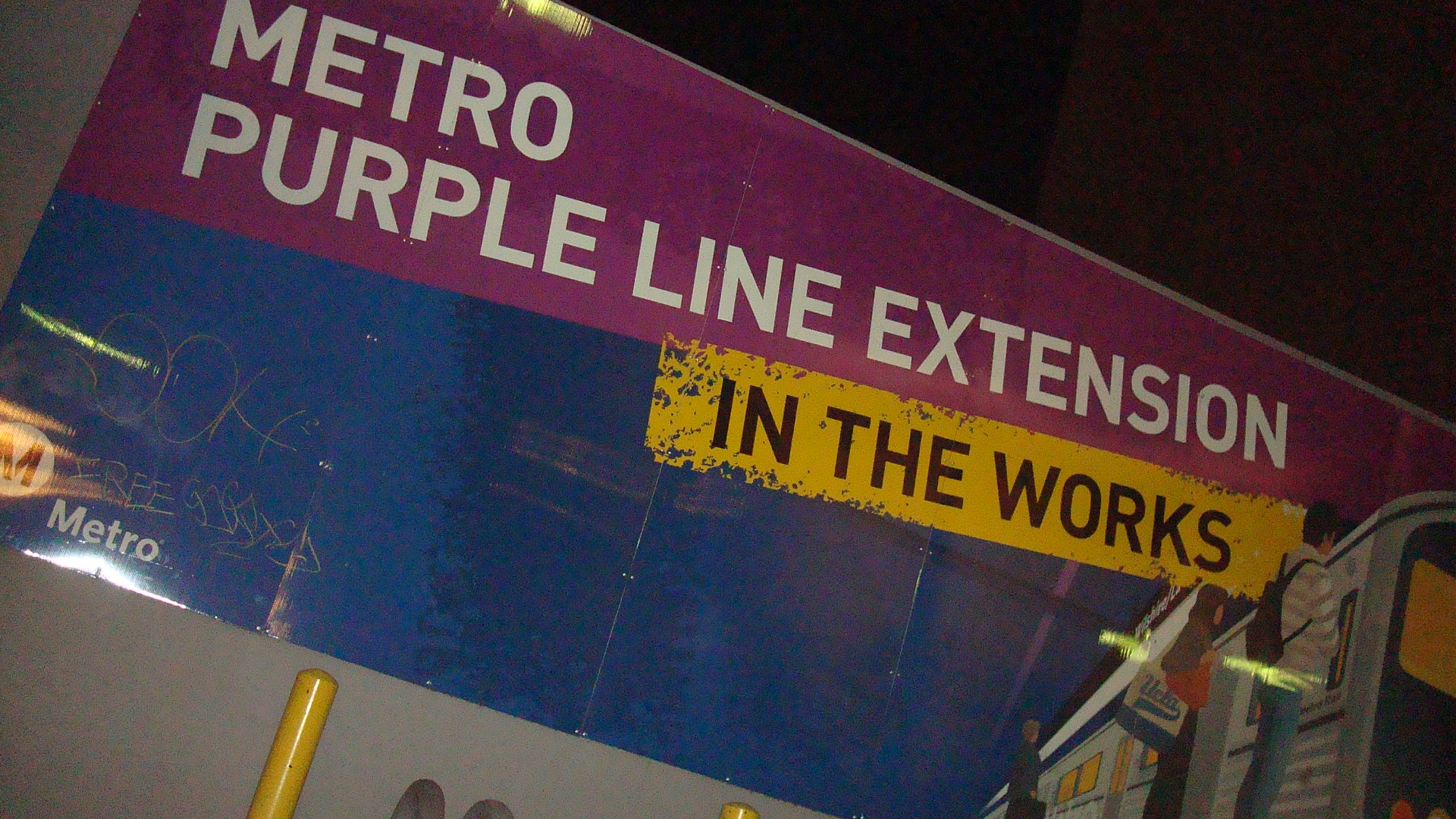
MTA advertisement on Wilshire Blvd.

MTA advertisement on Wilshire Blvd.

On Saturday the LA Times ran an article on the Purple Line extension that was real eye-opener for me. Let me say up front that I absolutely support the extension, and I’m glad the MTA is expanding our transit network. But I hadn’t realized how disruptive the construction would be, and I have to say I sympathize with the residents who are up in arms. They’re looking at years of noise, dust, traffic and general chaos. Even some of those who want to see the Purple Line go farther west are freaking out now that they’re realizing what it means for residents and businesses in the Wilshire Corridor.

If all goes well, the first phase of the project will be completed in nine years. That will only take the Purple Line to La Cienega. It will be over ten more years before it reaches its ultimate destination, the VA campus in West LA. I want to repeat the phrase “if all goes well”. Those of you who were around in the nineties will recall the mixture of disbelief and disgust that Angelenos felt during the construction of the Red Line, when stories about delays, cost overruns, incompetence and corruption appeared regularly in the news. The actual timeline for the Purple Line could easily end up stretching beyond current estimates, and I have no doubt it’ll cost way more than the MTA is telling us.

I am really glad the MTA is moving aggressively to expand our transit system, not just along this corridor but all over the county. I hope, though, that they’re letting residents know what they’re in for, and taking the time to listen to citizens’ complaints. The people who live along the Wilshire Corridor are going to be dealing with some real problems over the next two decades. The City of LA and the MTA need to do everything they can to minimize the disruptions.

Here’s the story from the Times.

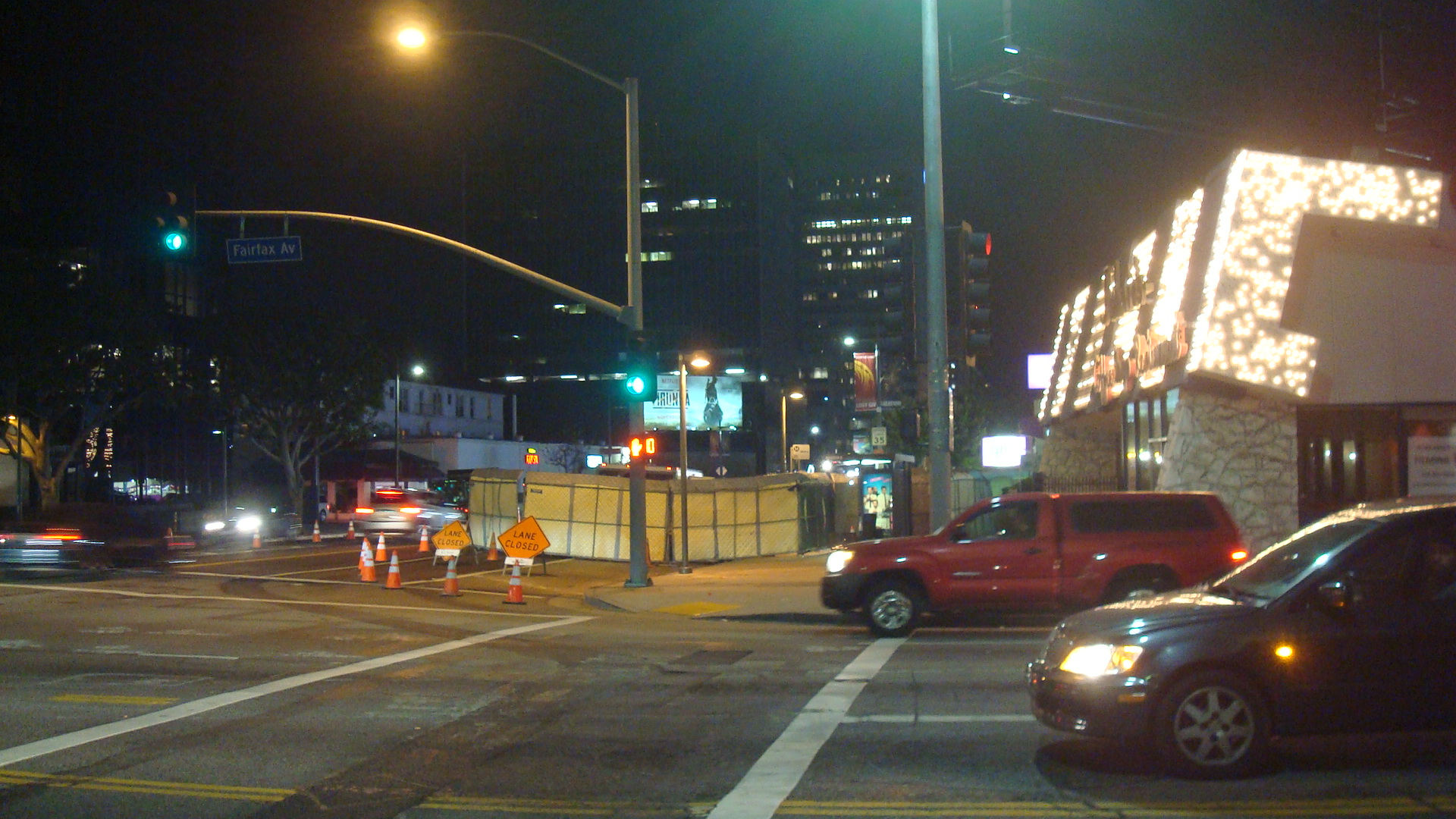
Purple Line Construction

MTA construction site at Wilshire and Fairfax

MTA construction site at Wilshire and Fairfax

Caution: Quake Zone

Nrthrdge Quake

Yesterday’s small temblor was really no big deal. But it does serve as a reminder that we need to be thinking about earthquake safety. Researchers at UCLA and Berkeley have determined that there are many buildings in LA which could collapse in a major quake. They warn that thousands of “soft-story” buildings (mostly condos and apartments), and over one thousand “nonductile” concrete buildings are at risk.

Earlier this month, the LA Weekly ran an excellent article by Gracie Zheng, which not only discusses the danger we’re facing but the inability (or unwillingness) of local politicians to take action. You can read the article by clicking here.

We can make these buildings safe. It won’t be easy. It will cost money. But it can be done. San Francisco has already tackled this problem and found a solution. We need to follow their lead. If, after reading the article, you’re as concerned as I am, a good first step might be to call your council representative. Let them know you want action.

The photo above is from Wikimedia Commons. It shows a damaged building after the Northridge earthquake, and was taken by Gary B. Edstrom.