Koreatown

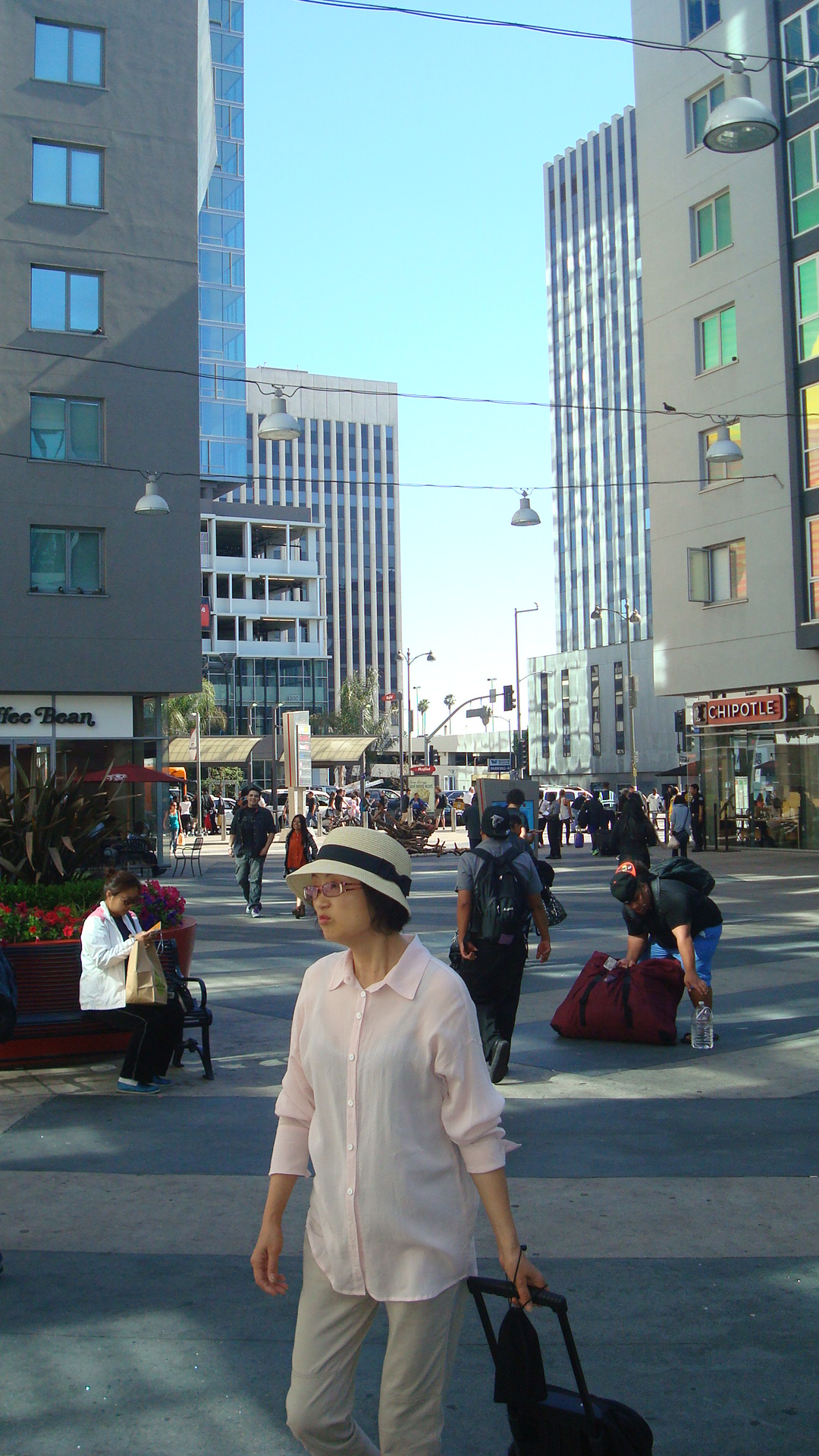
This is the plaza above the Wilshire/Vermont Red Line station.

Ktwn 01 Plaza Woman

And here’s a wider view of the plaza.

Ktwn 10 Plaza Guy

The intersection at Vermont and Wilshire is a busy place. People live here, work here, eat here, shop here.
Ktwn 12 Bldg Bullocks

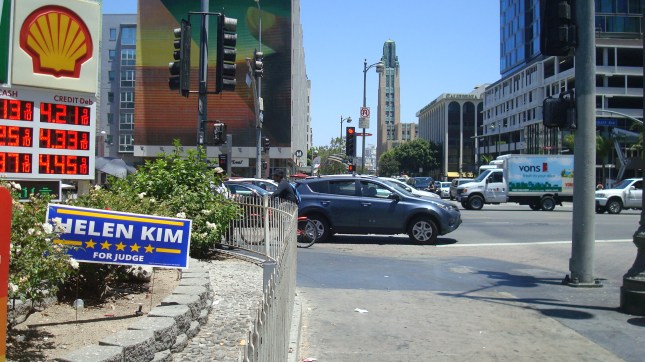
This is Koreatown. It’s the most densley populated neighborhood in LA County. While the exact boundaries are hard to nail down, roughly speaking the area is bordered by Beverly, Vermont, Olympic and Crenshaw.

It’s important to remember that even though it’s called Koreatown, the majority of the people who live there are Latino. About half the population is of Latin American descent, compared to about a third who are of Korean descent. The area came to be associated with Koreans because the vast majority of businesses are Korean-owned.

Ktwn 13 Vendor

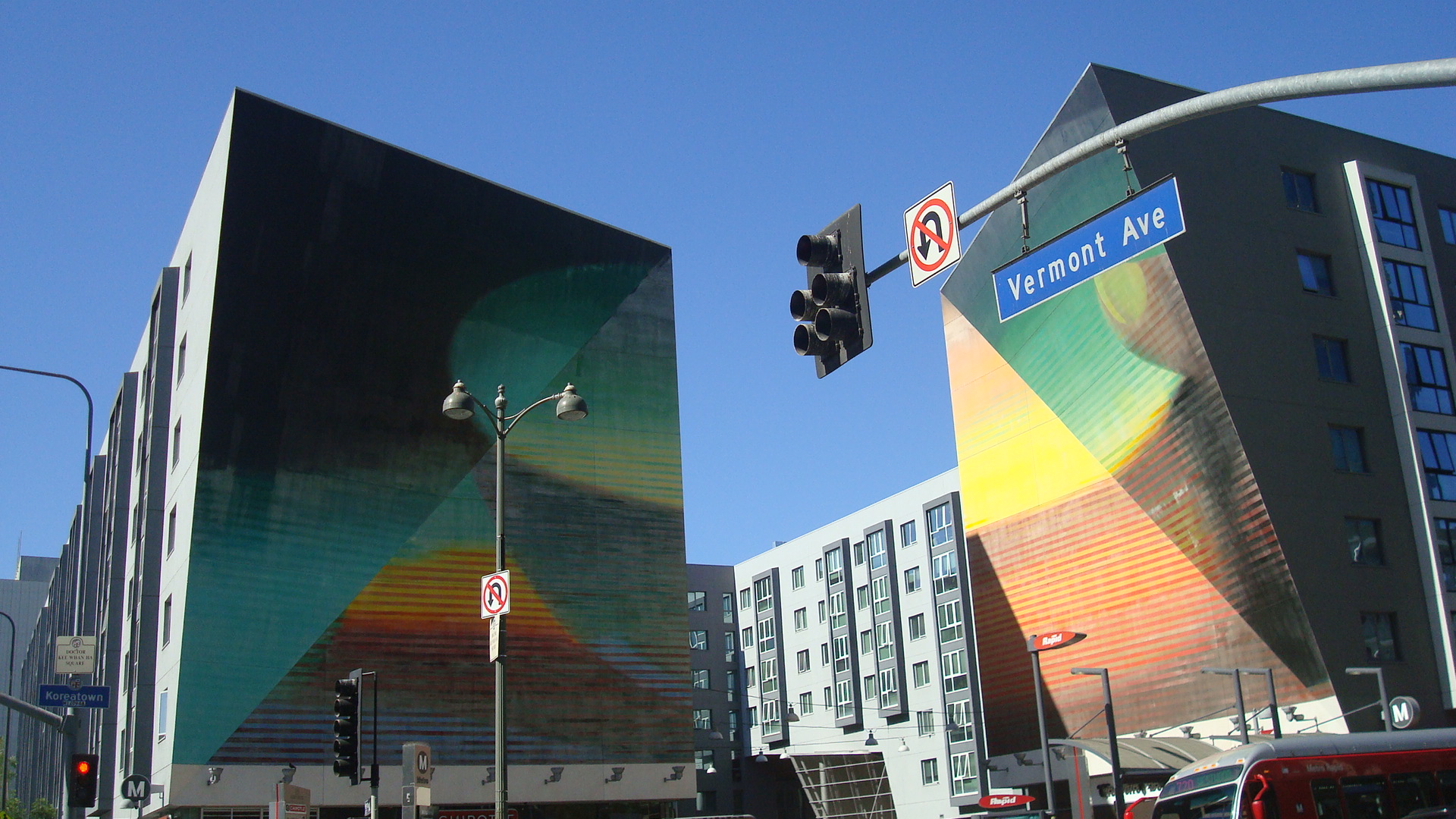
On the sides of the residential complex that rises above the Wilshire/Vermont plaza, you can see April Greiman’s mural “Hand Holding a Bowl of Rice”.

Ktwn 15 Bowl

You can visit the artist’s web site by clicking on the link below.

April Greiman.

Ktwn 16 Bldg New 3Directly across the street is The Vermont, a recently completed residential development comprised of two high-rise towers. This is the kind of high-end project that developers are pushing for all over LA, since they can be extremely profitable. But, not all Koreatown residents are happy about this trend. One concern is that projects like this will push rents up, making it harder for long-time residents to afford housing. Just to give you an idea, a one-bedroom apartment at The Vermont starts at $2,300 a month. In the near future, this trend will almost certainly continue, since The Vermont was recently sold for $283 million. With that kind of money being thrown around, you can be sure that developers will be knocking each other down in their rush to stake a claim in Koreatown.
Ktwn 17 Wiltern 2There are some beautiful older buildings in Koreatown, such as the Wiltern Theatre, designed by Stiles O. Clements of Morgan, Walls and Clements. This firm was a major player in LA back in the thirties and forties, designing local landmarks like Chapman Plaza, La Fonda Restaurant, and the El Capitan Theatre. The auditorium was designed by G. Albert Lansburgh, who also created interiors for the Palace and the Orpheum in downtown. I saw Tom Waits there years ago, and I can tell you that the inside is just as impressive as the outside. The Wiltern is actually part of a larger structure called the Pelissier Building, which was completed in 1931. It’s an amazing example of art deco architecture, with its blue-green tile cladding worked into elaborate zig-zag moderne designs. They don’t make ’em like this any more.

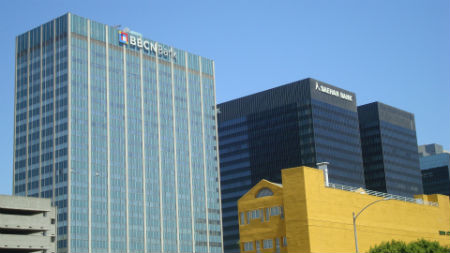
And on this stretch of Wilshire you can also find a number of bland office towers occupied by banks and financial services.
Ktwn 18 Bldgs Tall 2

Among the oldest buildings in Koreatown are the churches.

Ktwn 19 Ch Imm Wide

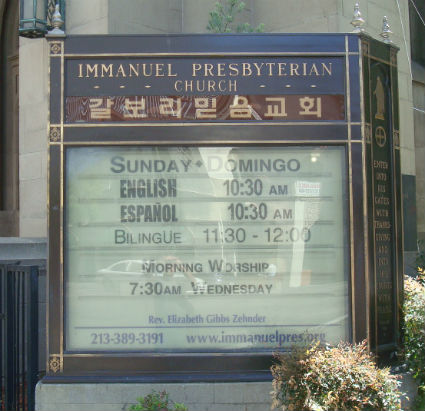
Immanuel Presbyterian Church was constructed in 1928, and for decades was a center for the Anglo community that populated the area up through the middle of the twentieth century. In recent years, many of these older churches have become home to multi-cultural congregations, and have services conducted in multiple languages.
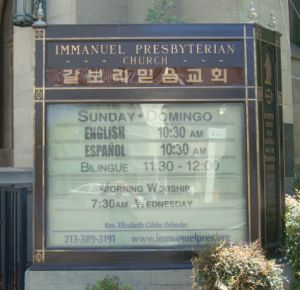
Ktwn 19b Ch Imm Sign

The media has given a lot of attention to Koreatown in recent years, but mostly the stories tend to focus on the night life. Sure, there are plenty of good restaurants, and tons of bars and clubs. But Koreatown is more than just a place where you can scarf kalbi and guzzle soju til you pass out. Like any community, it has many different sides. It’s a place where art, business, technology and politics mingle and collide on a daily basis. Aside from the Korean American population, there are Central Americans, African Americans, Latinos and Anglos. Really it’s impossible to define in terms of a single ethnicity or culture.

Koreatown is relatively young, even by LA standards. The number of Koreans in the city was pretty small until the sixties. It wasn’t until 1965, when the US rewrote its immigration policies, that Koreans started arriving in large numbers. The area we now call Koreatown didn’t really come together until the seventies. Since then it has continued to grow, in terms of both population and area.

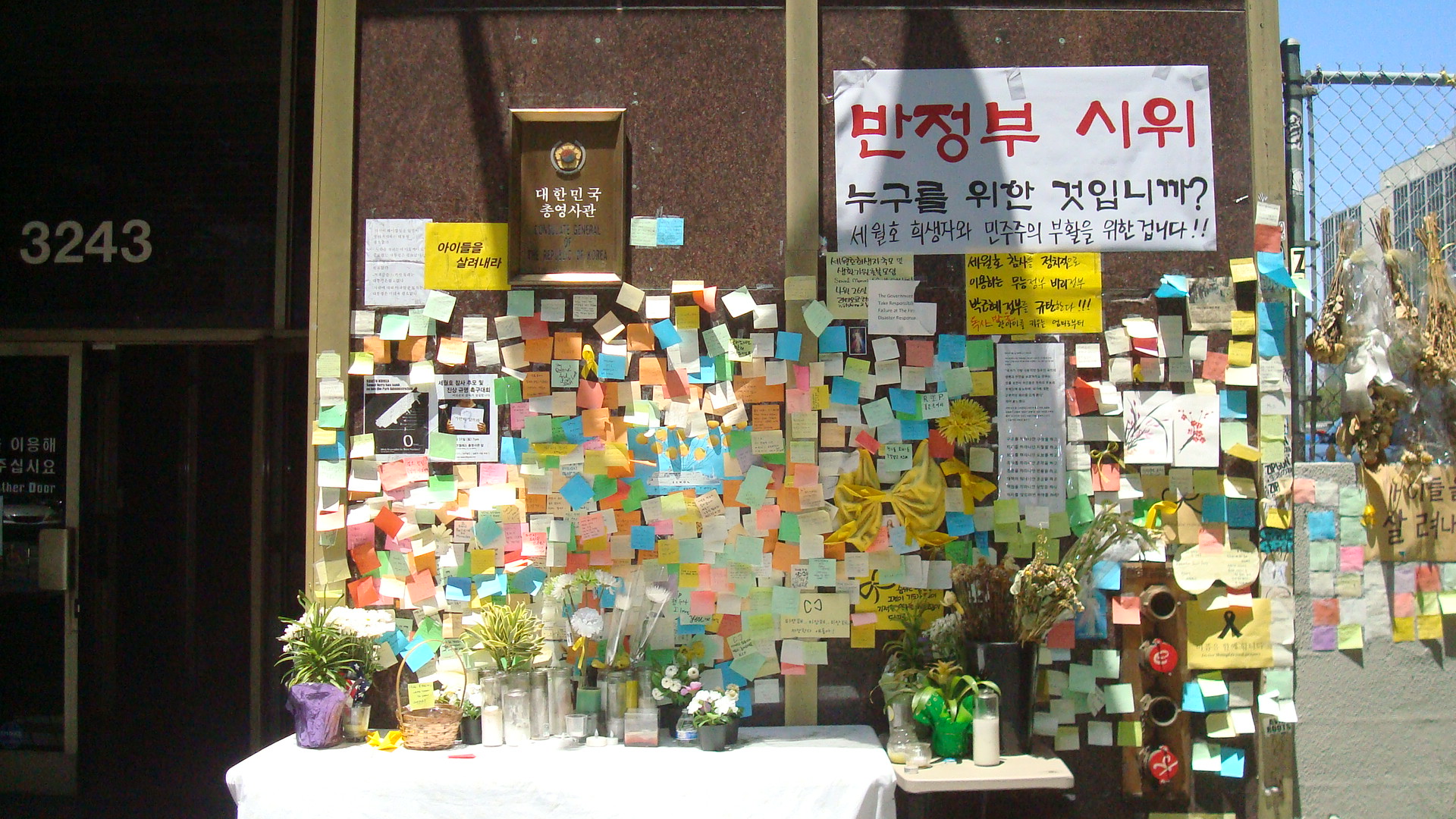
The Korean Consulate is located on Wilshire not too far from Vermont. As I was walking by one day, I saw that community members had created a memorial to the victims of the Sewol ferry disaster.

Ktwn 20 Ferry

Here in the US, the coverage of the Sewol incident was pretty limited and faded from the scene quickly. In Korea, it sparked a huge scandal, as a growing body of evidence suggested it could have been prevented. A series of protests were held in Seoul, with many people accusing the government of a cover-up and demanding that President Park Geun Hye resign. Here’s an article from the Washington Post that gives further details.

Grieving Families Want Independent Probe

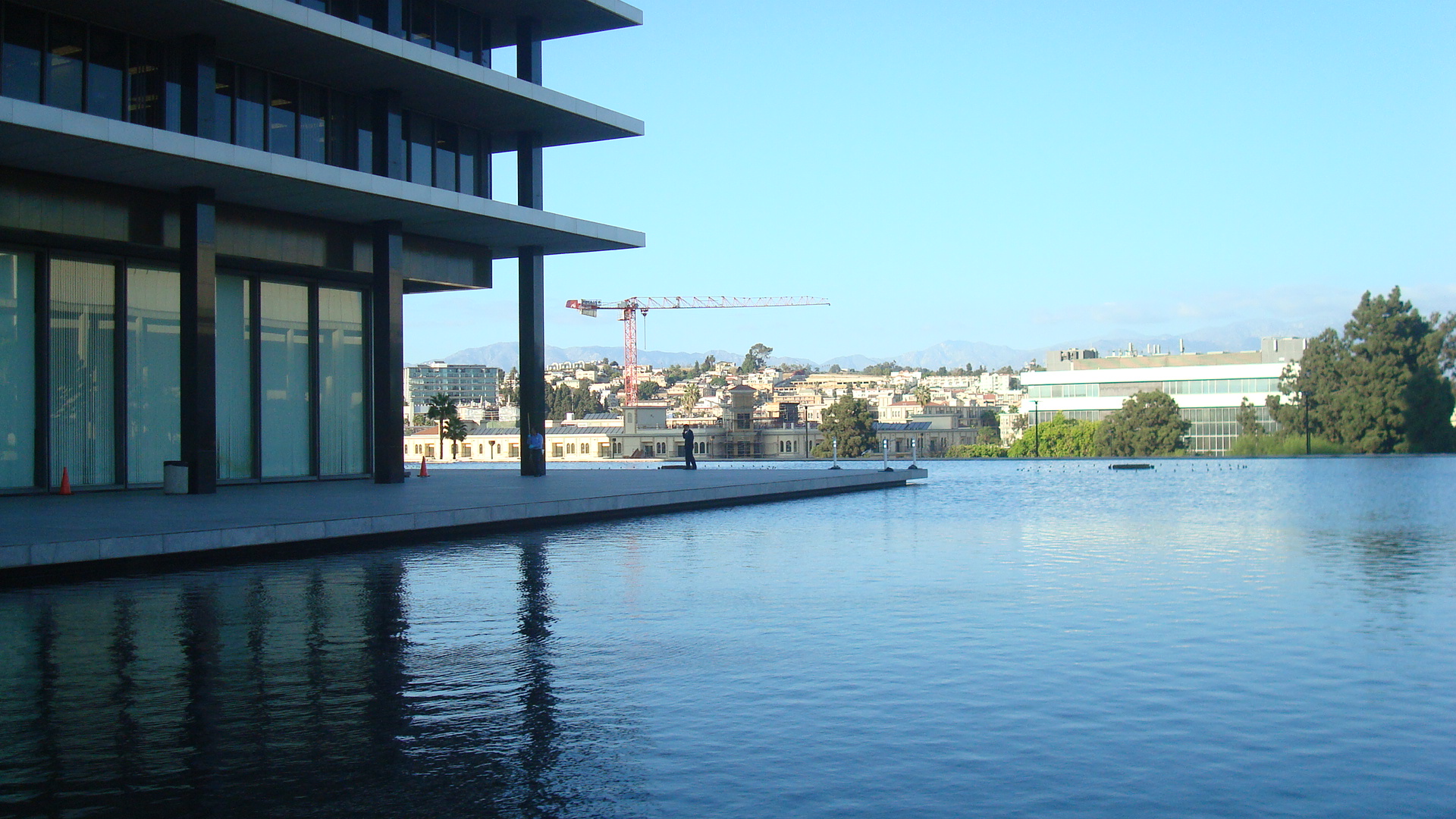
Not too far off Wilshire is the Pío Pico Koreatown branch of the LA Public Library. Pico was the last Mexican governor of California before it was annexed by the United States. For many years he was one of the wealthiest and most influential people in the state, but by the time he died he was living in poverty.
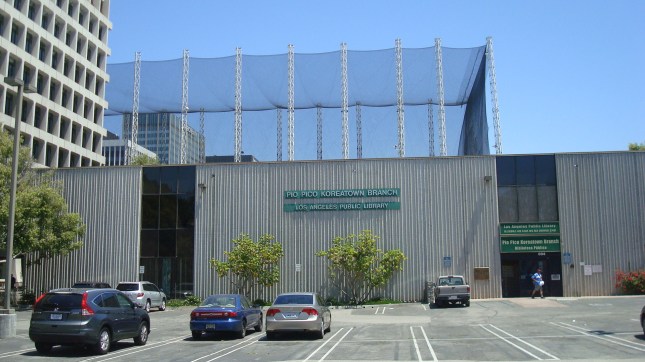
Ktwn 25 Lib Ext

I love libraries. Maybe it’s the quiet. Maybe it’s being surrounded by people reading.

Ktwn 25 Lib Int

Something about this billboard caught my eye. K-Pop isn’t just huge in Asia. It’s got a significant following in the US, too. EXO is built around an unusual concept. The band actually consists of two groups. EXO-K performs their songs in Korean, and EXO-M performs the same songs in Mandarin.
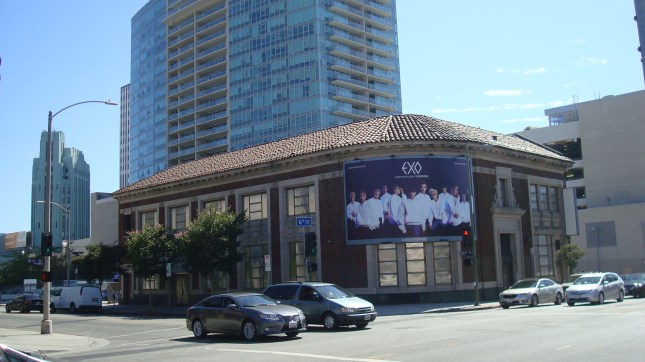
Ktwn 60 Boy Grp Bldg Wilt

With groups like this, obviously the music is not the focus. Some promoter has gathered a bunch of cute guys that will look good in music videos. People have been doing this for decades, but to me it’s interesting that the Korean media have managed to turn K-Pop into such a cultural phenomenon.

Also on Sixth Street, I dropped in on Red Engine Studios. Actually, that was because of a misunderstanding. I thought the place was a gallery. Turns out it’s a school. The guy at the door seemed uncertain about letting me in, but I guess he finally decided I looked harmless enough. They do have some cool art on the walls, and you can view it by visiting their site.

Red Engine Studios

Ktwn 60 RE Guys 2

There are lots of skateboarders in Koreatown. I saw guys riding up and down the sidewalks everywhere, and there was this vacant lot on Sixth where a bunch of kids were practicing their moves.

Ktwn 60 Skate Comp

When I think of Koreatown, I think of malls. As I said earlier, Koreatown got its name because Korean entrepreneurs have been spectacularly successful in creating a vibrant community for businesses to thrive.

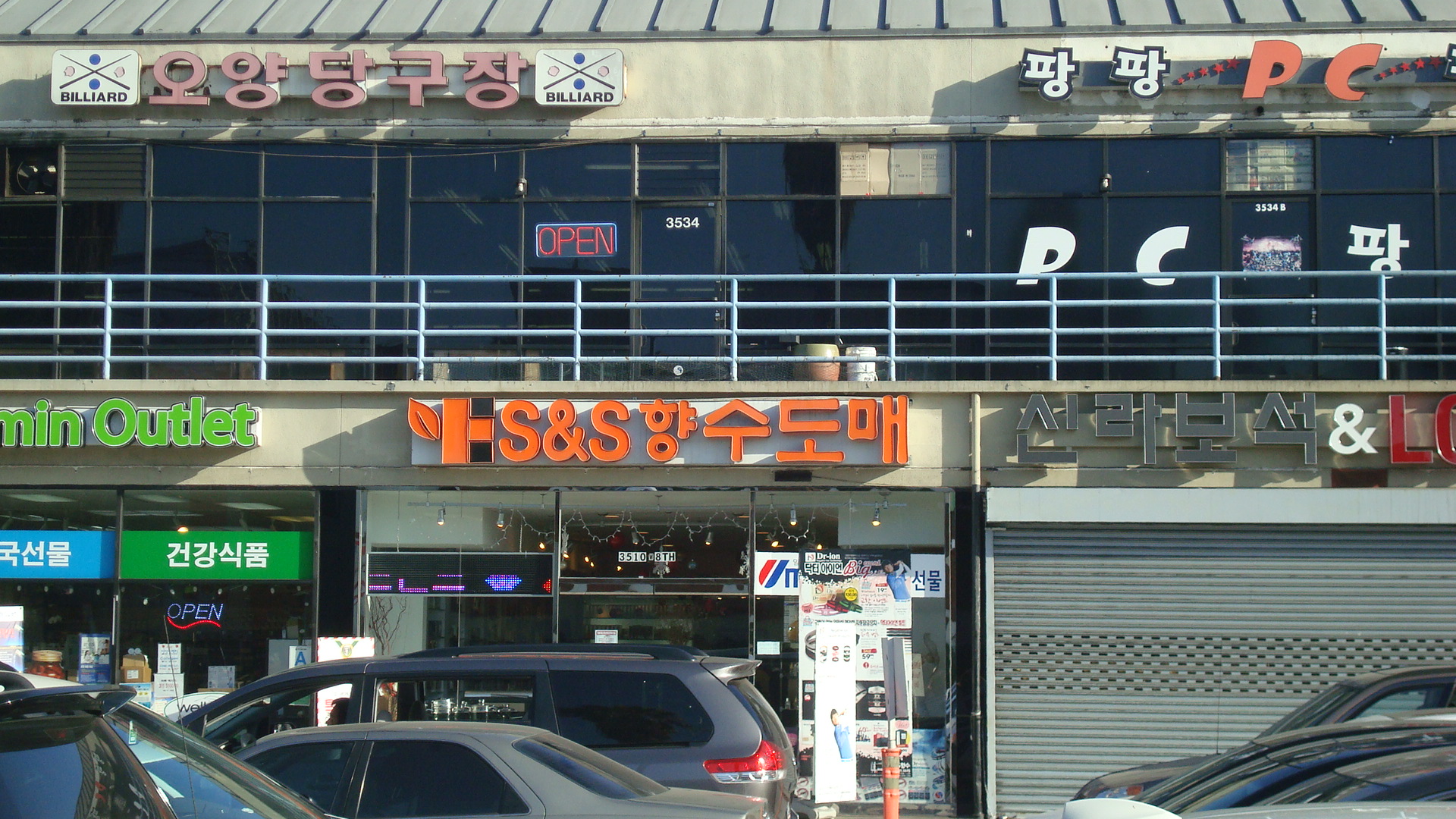
There are newer malls, that were built to house dozens of small shops.
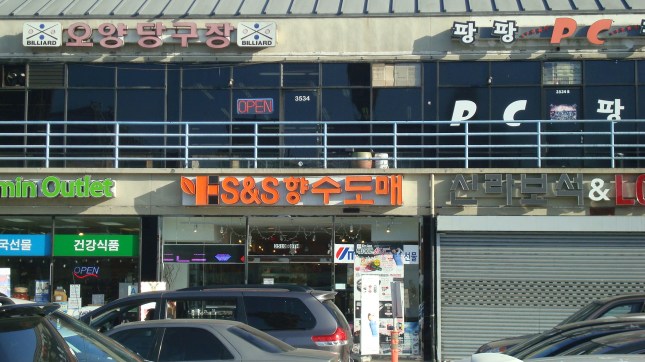
Ktwn 30 Mall S&S

And there are older malls, where a bunch of businesses are crowded around a tiny parking lot.

Ktwn 32 Mall Kids

This one looks like it dates back to the sixties. I’m kind of fascinated by how spaces like this change over time, evolving as the neighborhood changes around them.

Ktwn 32 Mall Rock

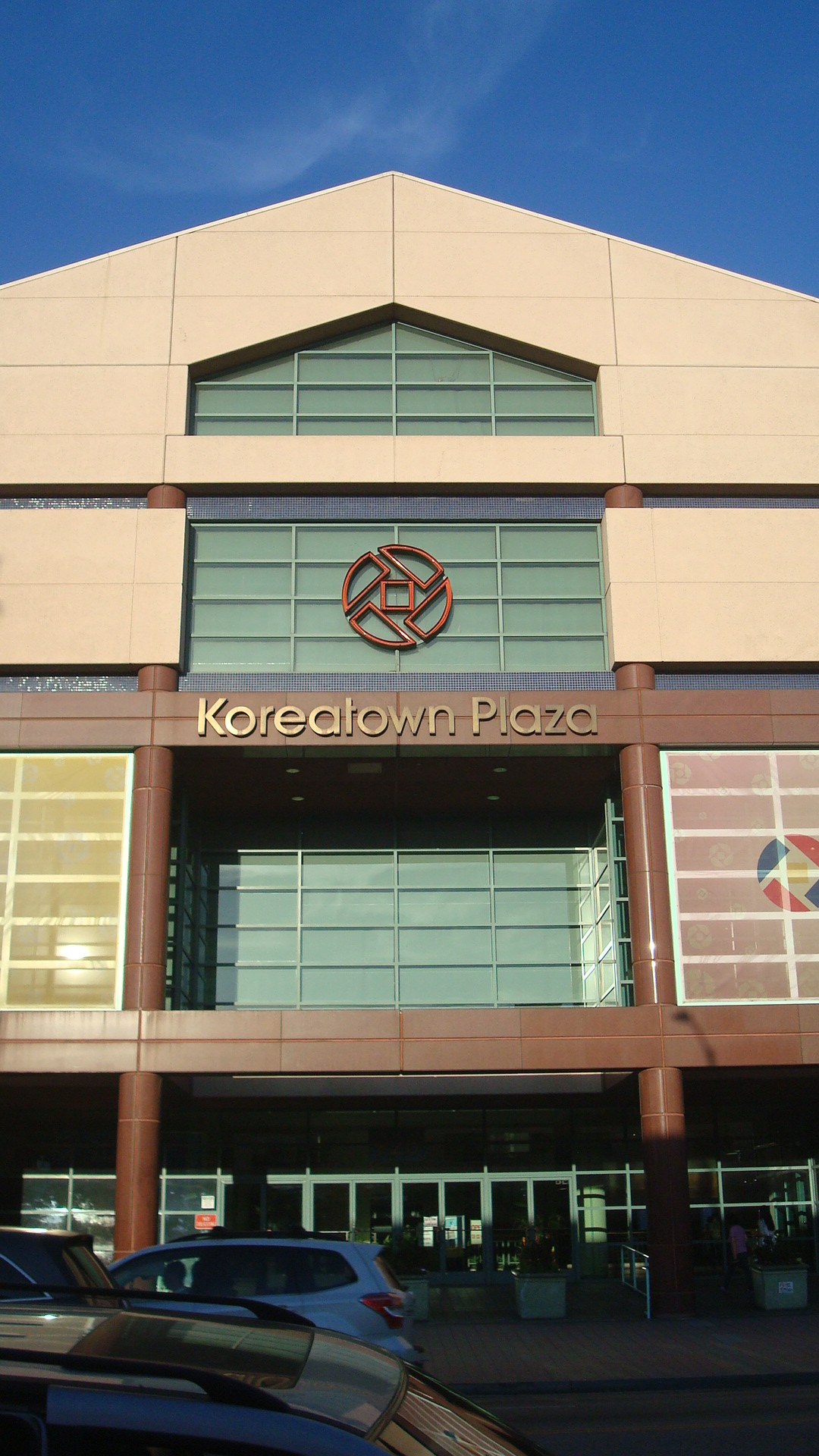
Of course there are also massive indoor malls. Like Koreatown Plaza.
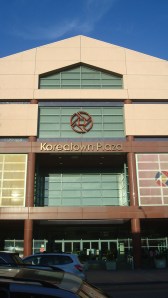
Ktwn 33 K Plaza

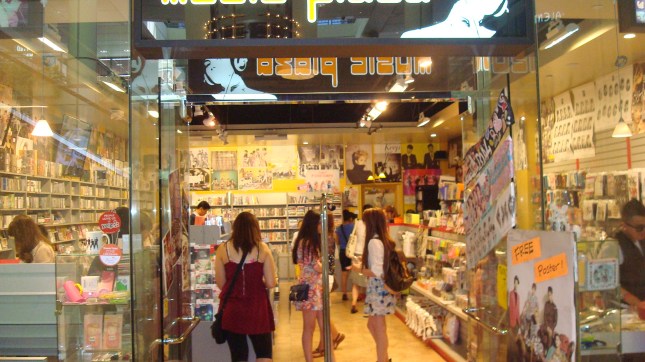
I went into Music Plaza looking for traditional Korean Music. They didn’t have much of a selection. But if you’re looking for the latest K-Pop releases, this is the place to be. It may not look too busy in this photo, but I had to stand in line to make my purchase. And I feel pretty certain that they make way more on the merchandise than they do on the music.
Ktwn 35 Music Plaza

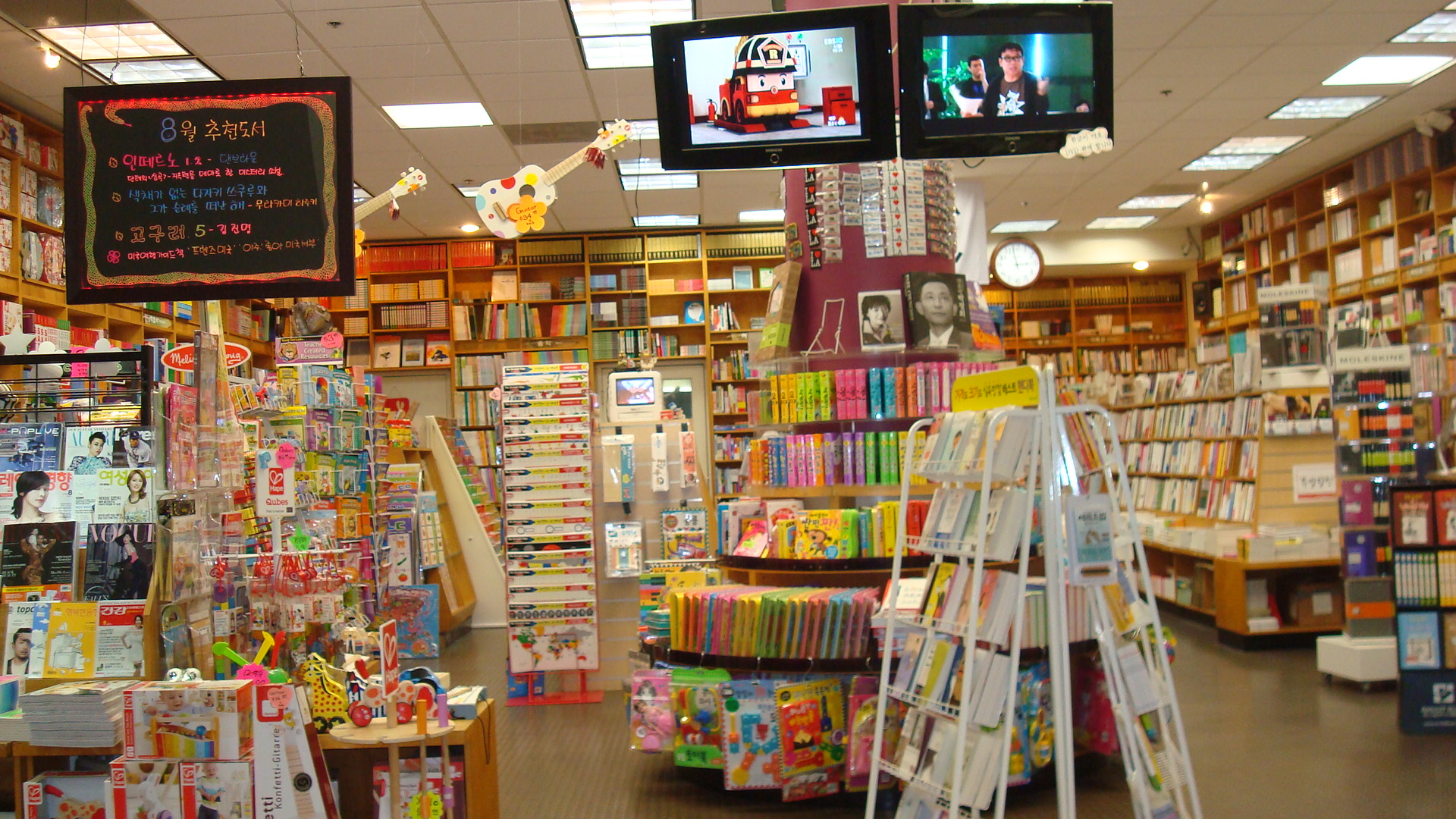
I’m not sure why this bookstore seems quintessentially Korean to me, but it has something to do with the colors.

Ktwn 37 KBC

Like every other mall, Koreatown Plaza has a sizeable food court.

Ktwn 38 K P Court

Walking around the area you see that health and beauty are definitely marketable commodities. There are lots of spas and beauty parlors.

Ktwn 50 Bty All Rev

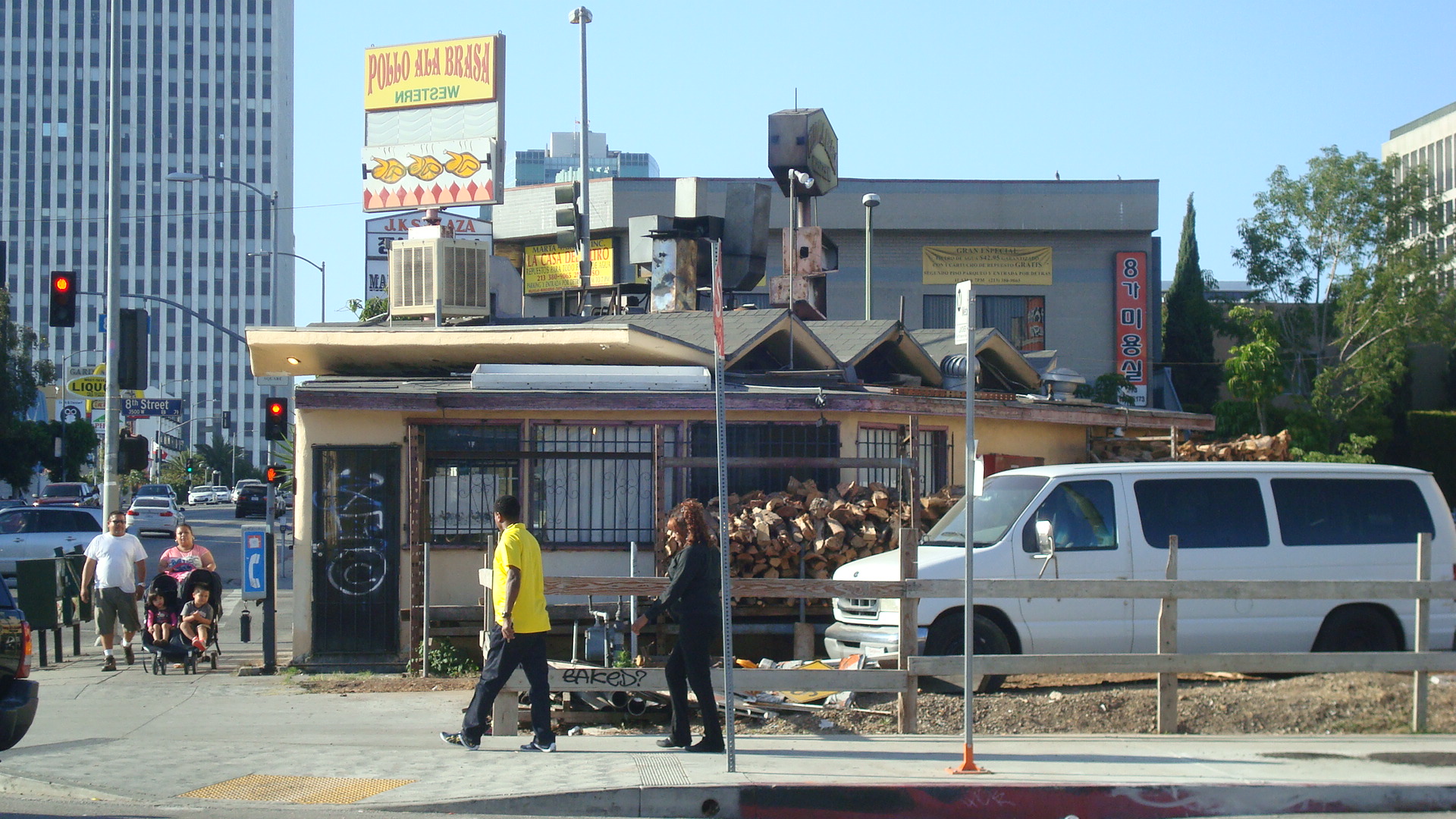
It was the stacks of firewood that made me want to take a picture of Pollo a la Brasa.

Ktwn 68 Pollo

As large swaths of LA get gentrified and prettified, it’s cool to see an old school restaurant that isn’t too worried about its appearance. And in addition to keeping the grills going…

Ktwn 69 Pollo Waiting

…the logs also serve as benches while people wait for the bus.

Yeah, LA’s sidewalks are a mess, but I have to say I have an affection for the huge, overgrown trees that are breaking up the concrete. The thick branches spreading over this stretch of Eighth Street made it seem like a small forest.

Ktwn 70 Eighth Shade

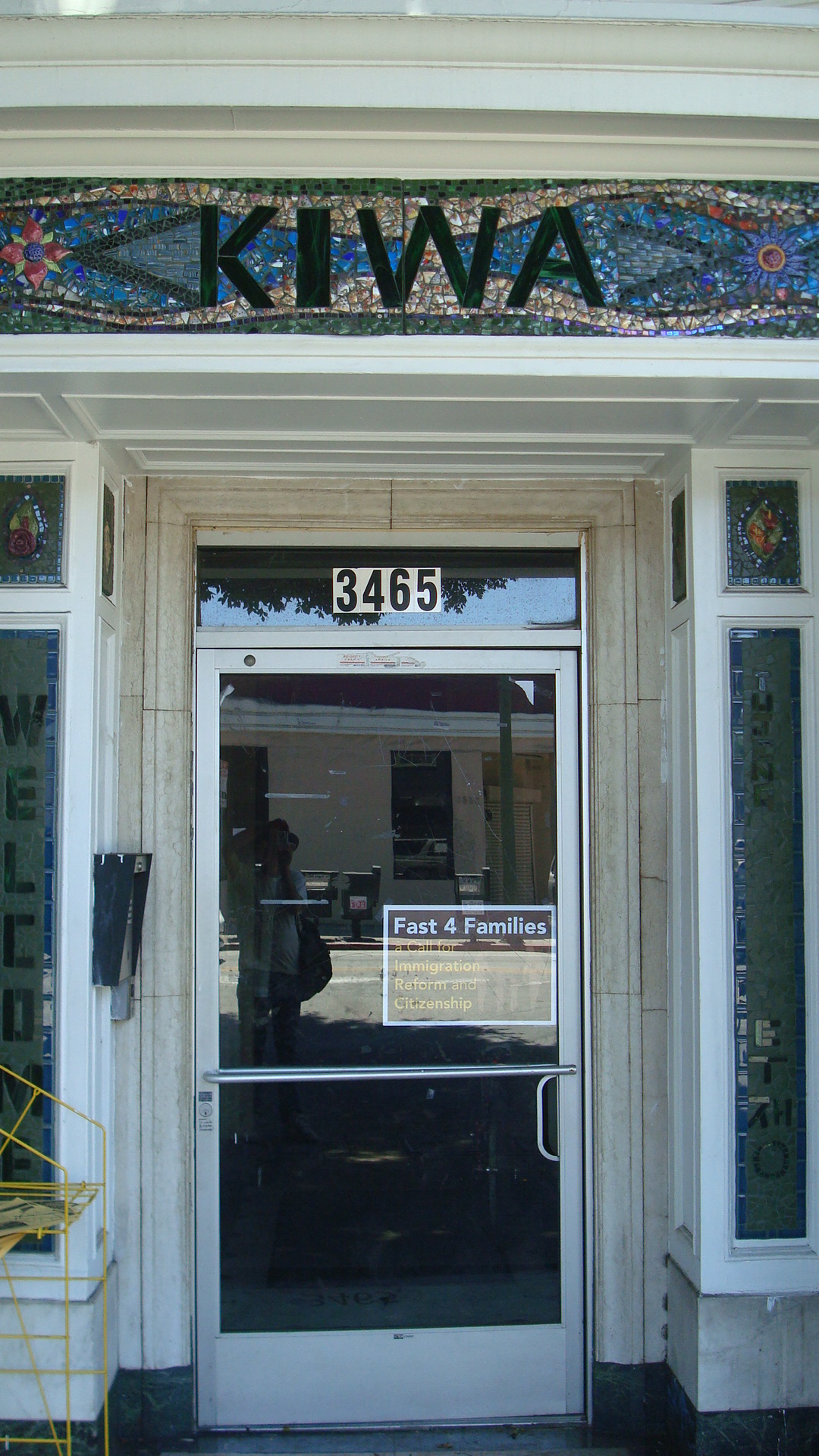
Ktwn 70 KIWAAnd right here on Eighth Street is the Koreatown Immigrant Workers Alliance. KIWA has worked for years to defend the rights of workers, and is currently engaged in a campaign to fight wage theft, which is rampant in LA. One of their notable victories was helping Heriberto Zamora recover wages that had been denied him by Urasawa, a posh restaurant in Beverly Hills. Even after being cited by the California Division of Labor Standards Enforcement for multiple violations related to wage theft, Urasawa resisted paying Zamora what he was owed until just before their final hearing before the DLSE. To find out more about KIWA’s work, click on the link below.

KIWA

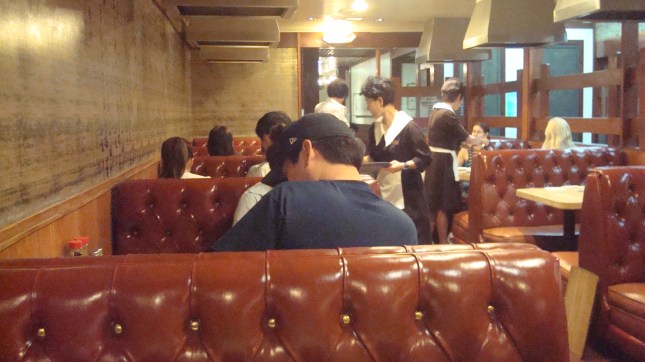
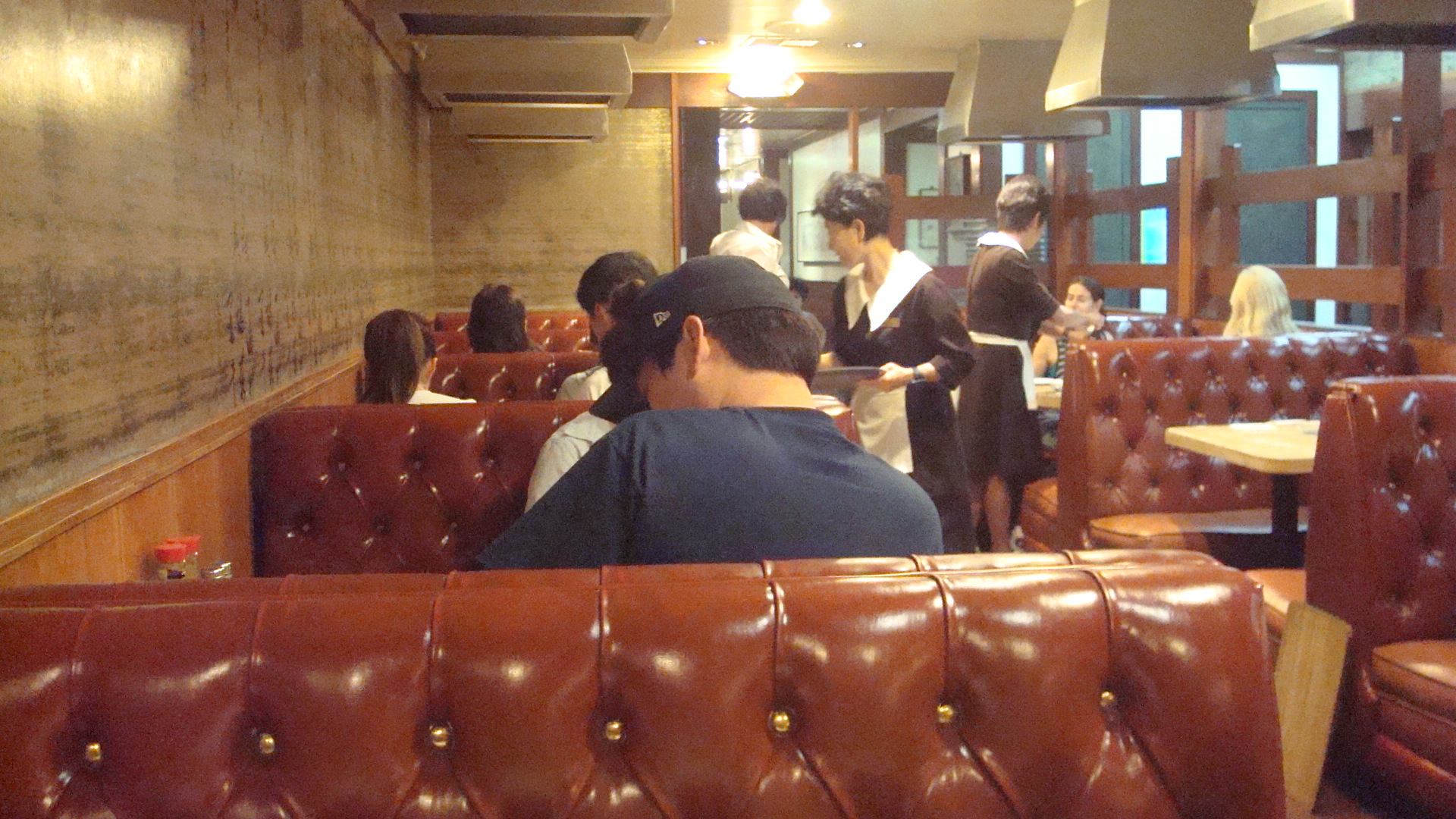
Koreatown is changing rapidly, but pieces of the past still remain. I hadn’t been to Dong Il Jang for decades, and I’d been thinking about stopping by for a while.
Ktwn 91 Dong Int

The waitresses were friendly. The food was good. Even though I hadn’t been there for years, it felt familiar. And it was just reassuring to know that it was still there.

Ktwn 92 Dong Food

Hollywood Journal – A Different Kind of Marathon

DSC06891

March, Nineteen Ninety Nine

A weird, ugly, fun day.

I woke up around ten. Played some music. Robert Goulet, Sid Ramin, June Christy.

Around noon I realized that the hangover I’d been hoping to avoid was kicking in. Lying on the living room floor, I could hear car horns honking outside. Had no idea what that was about. I dozed for a while.

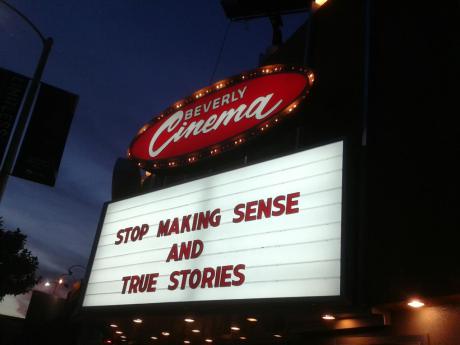
Woke up around two and told myself I’d have to move if I was gonna make the three forty show of Fallen Angels at the Beverly.

I walked out onto the street and saw that Cahuenga was a parking lot. Massive traffic jam. Then it hit me. The marathon.

I was thinking I’d catch the two twelve on Hollywood Boulevard, but the marathon meant Hollywood Boulevard was closed. Should I go back home? Skip the movie?

Nah. I didn’t feel too hung over at that point, and I felt like walking a little might clear my head. I decided to go down to Sunset and catch the bus over to La Brea in the hope that the two twelve would be running that part of its route.

But Sunset was closed, too. So I figured, okay, I’ll go down to Santa Monica. Which I did. The only westbound bus that went by was so packed I couldn’t get on it.

So I walked down to Melrose. By this time I wasn’t feeling too good. I leaned against the pole at the bus stop, wishing the bus would come. Another guy who was waiting told me that it was gone arrive in about five minutes.

Ten minutes passed. Fifteen. I finally decided to just go on walking, and it’s a good thing cuz not a single bus passed me in the time it took me to reach La Brea.

From there it was a short walk down to the theatre. As much trouble as it was, the movies were worth the trip. Fallen Angels was wonderful. And I liked Chungking Express much better seeing it a second time.

FA 2

Boom Town

Dntn Fed 3 Skln

Downtown is exploding. There’s so much construction going on I can’t even keep track of it. Massive new office and residential buildings are springing up all over the place. There are also efforts underway to revitalize a number of older buildings. Some of this stuff is cool, some of it is dumb, but I’m less concerned about the quality of the individual projects than I am with the cumulative impact of all this construction. More on that later.

Let’s start by sampling a few of the projects currently under construction….

Dntn 00 ChTown

This is the Blossom Plaza, which combines retail and residential, including a fair number of affordable units. It took years for this to get off the ground, and there was a recent hitch when workers uncovered remnants of the original Zanja Madre, but things are moving forward. Curbed LA has been following the story for a while, and you can read more about it by clicking here.

Dntn 05 LT Site 2

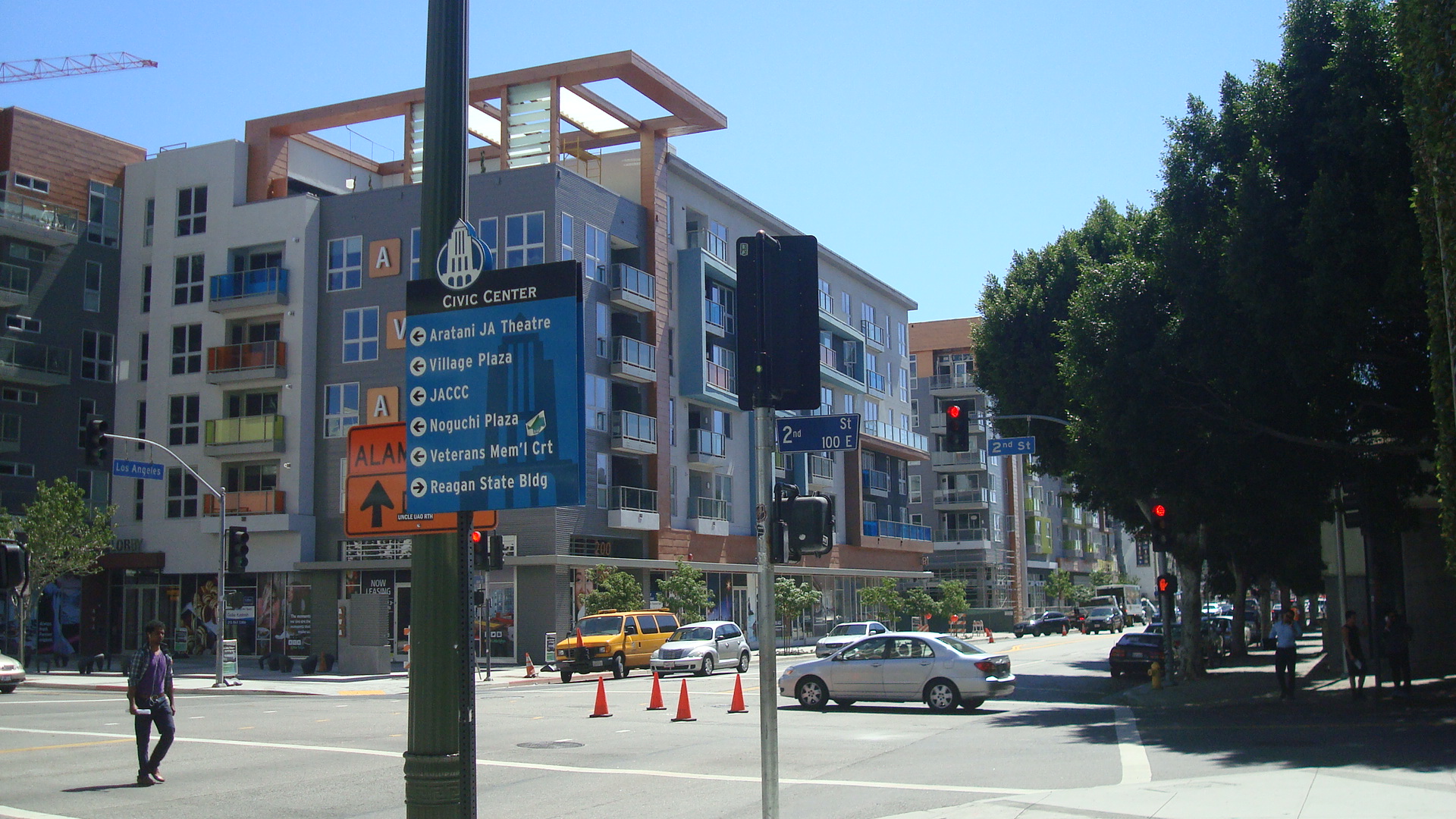
I had a harder time finding current info about this project. The most recent report I read said this was a 240 unit complex being developed by the Irvine-based Sares-Regis Group. Whatever it is, it looks like it’s going to be huge. The site is located at Second and San Pedro, right next to….

Dntn 10 Ava Trees

….the recently completed AVA Little Tokyo, another massive mixed-use structure. Apparently young people are flocking to Downtown LA these days, and developers are doing everything they can to capture that crowd. Check out this ad, seen in one of the windows on the ground floor.

Dntn 15 Ava Ad

The way I read this is, “If your highest priority is mindless self-indulgence, this is the place for you.”

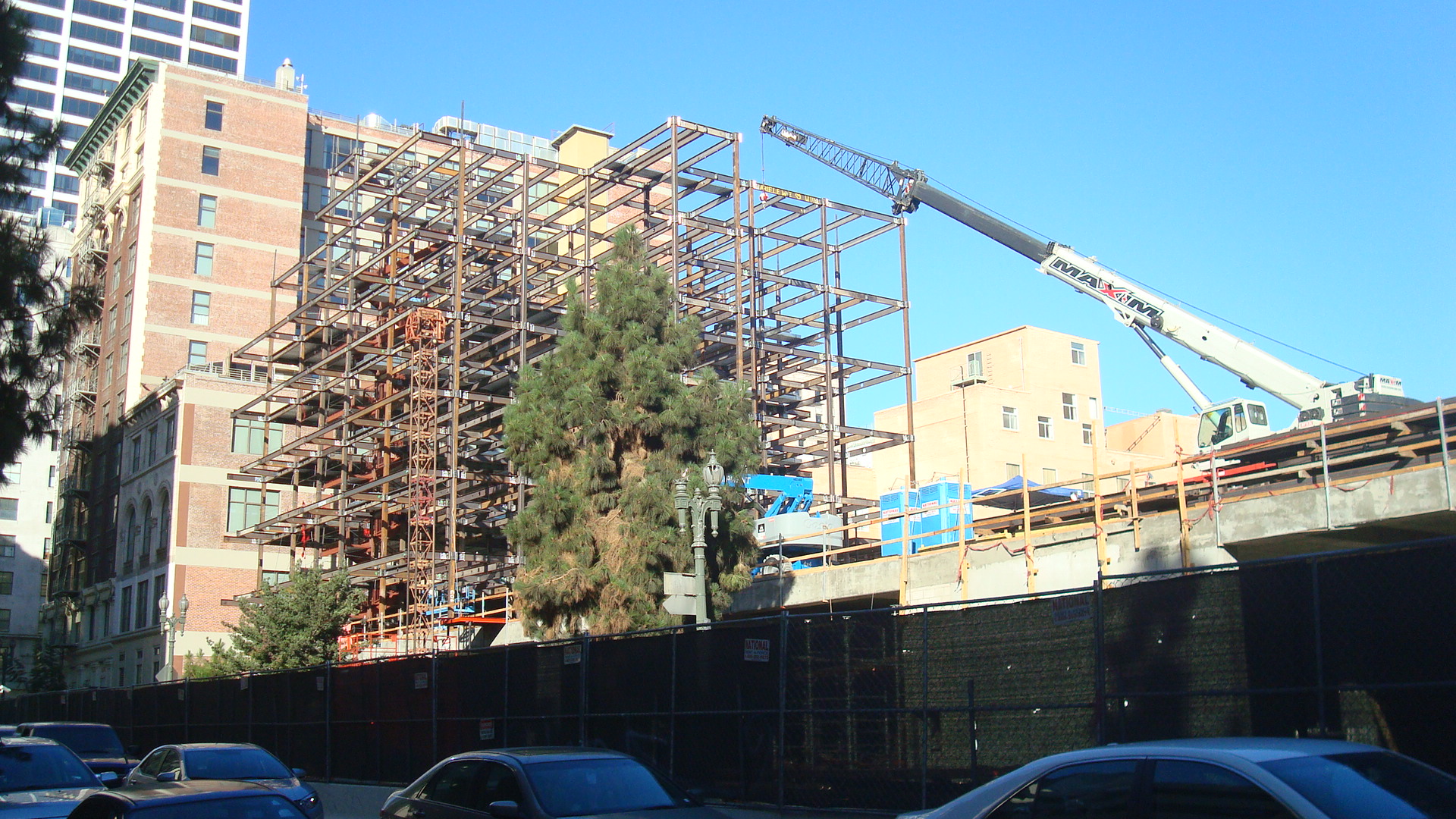
And since we don’t have enough luxury rental units in Downtown LA already, Carmel Partners has generously agreed to build 700 more. As you can see in the photo below, it’ll be a while before the project is complete.

Dntn 20 Bldg Frame

You may want to put a deposit down soon. Given the list of amenities, I don’t doubt that the Eighth & Grand complex will be popular. I was sold when I heard about the rooftop pool surrounded by cabanas. For more details, click here.

Dntn 30 Fed 4 Skln

But let’s talk about a project that might actually benefit the people of Los Angeles. Here’s the new federal courthouse, which is finally going up after being delayed for years. The courthouse is just one component in a larger scheme to revitalize this part of the civic center. Building Los Angeles offers a rundown on some of the related efforts.

Dntn 35 Broad 3

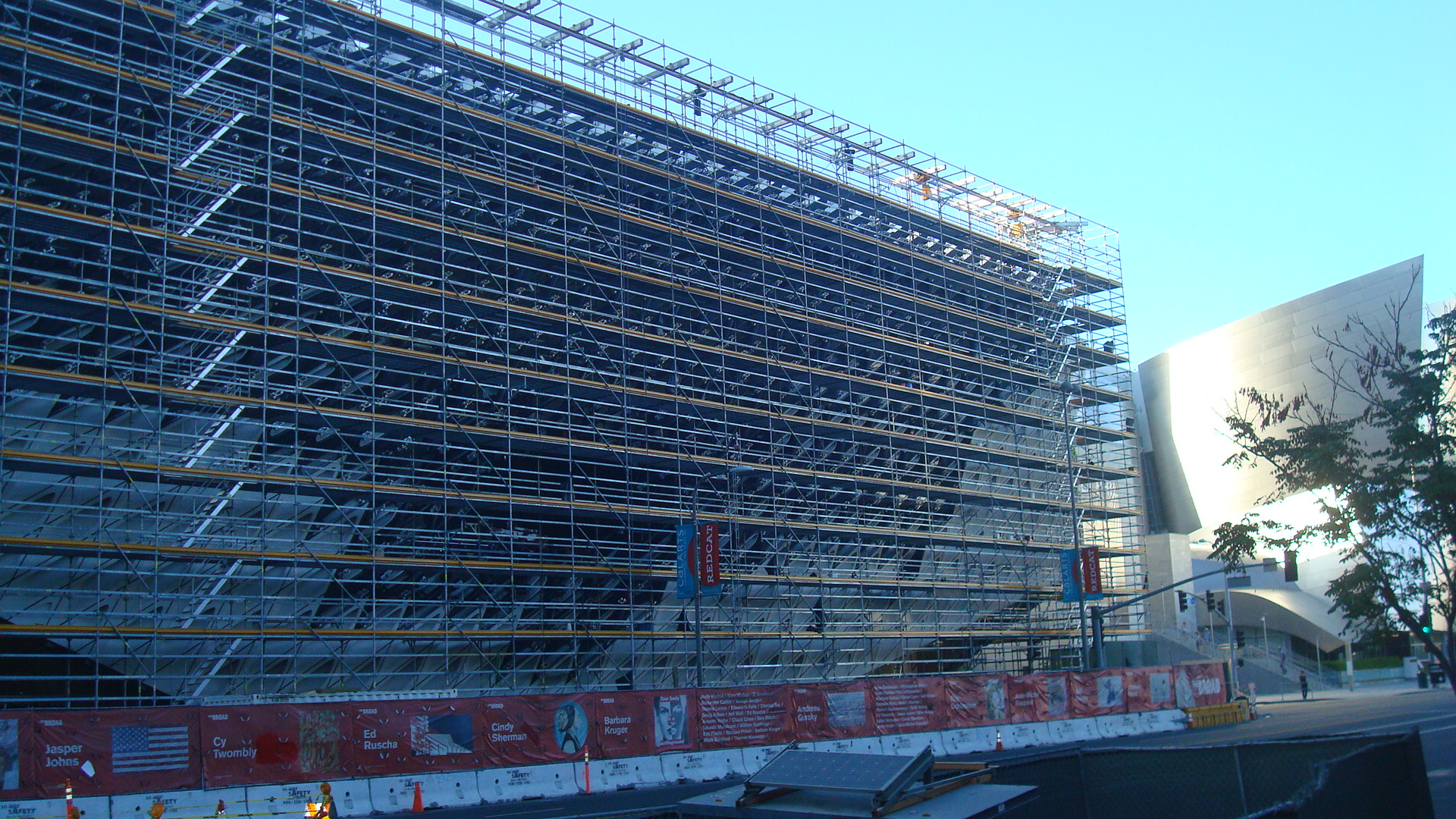
Honestly, of all the projects under construction in Downtown LA, the only one I can really get excited about is The Broad. It’s still a long way from completion, and the web site just says that it will open in 2015. But it’s something to look forward to. And they’re already doing some cool programming. Click here to find out what’s going on.

Dntn 40 TB Backhoe

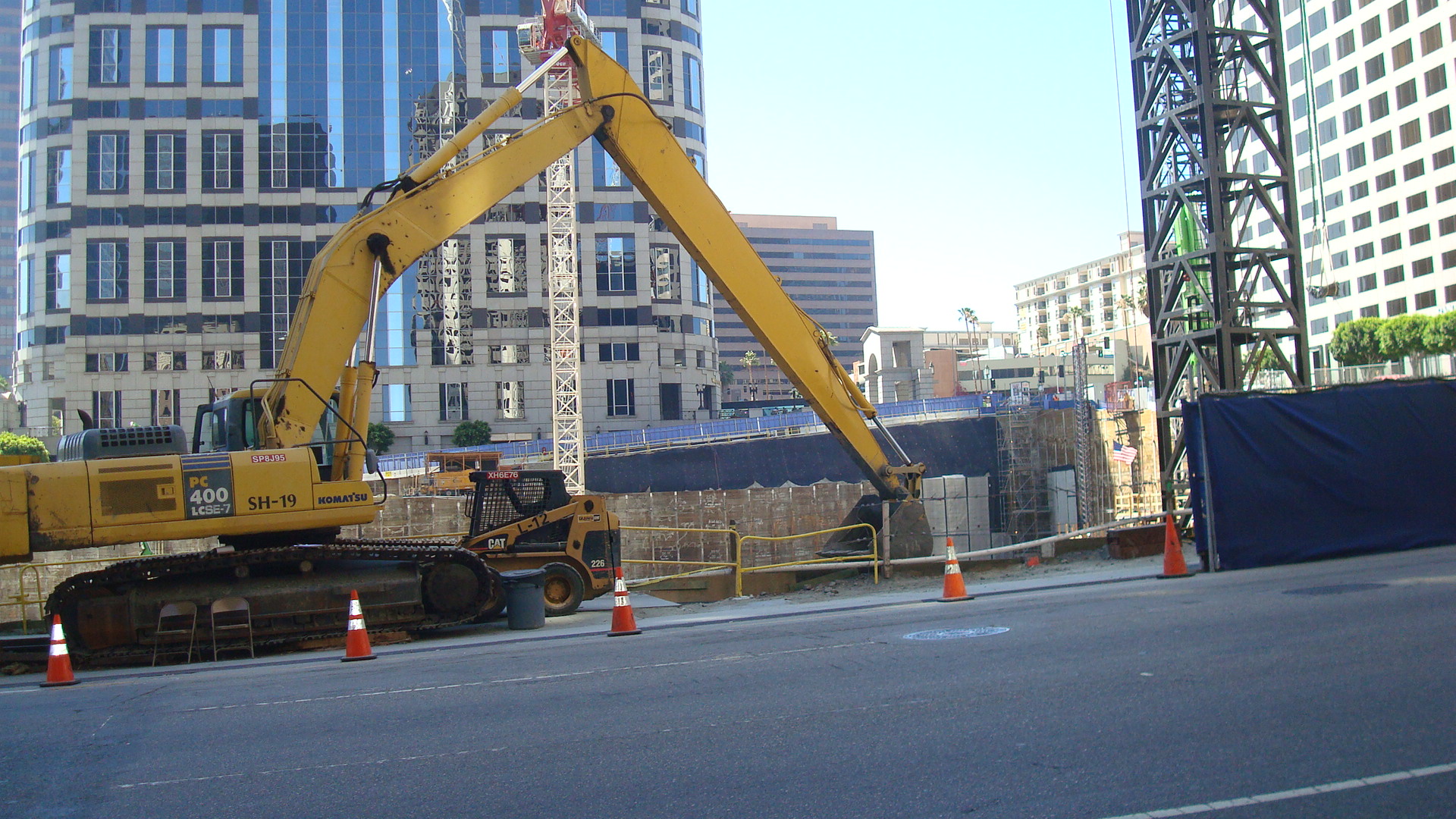
And let’s wrap it up with the New Wilshire Grand. It’s said that when the project is completed, this will be the tallest building west of the Mississippi. Who cares? I’m so tired of this kind of development. Does this really have anything to do with making the city a better place to live? Or is it just another monument to greed and vanity?

There’s a lot of talk right now about how LA has to embrace higher density development. Fine. There are good reasons to create a more compact city, and certainly sprawl has been a major problem throughout our history. But can anybody demonstrate a need for skyscrapers of this size? And looking at the bigger picture, do we really have the infrastructure to support development on this scale? I’m thinking especially of water, since we are in the middle of a drought. The projects I’ve highlighted here are just a few of the dozens that are either currently under construction or in the permitting process.

When I look at the avalanche of development that’s hitting Downtown LA, I have to ask if anybody at City Hall is thinking about the future, because I don’t see any evidence of rational planning. Instead, I see an onslaught of construction driven by developers who are falling all over themselves to get in on the gold rush. I really question whether the Mayor or the City Council have given any serious thought to how this massive growth spree is going to affect LA down the road. I wish I could believe they were really concerned about the well-being of the people of Los Angeles. It seems more likely that their chief concern is keeping their developer buddies happy.

Climate Change in LA

DSC07407

Now in the our third year of drought, it seems pretty clear to me that the climate in LA is changing. We’re getting far less rain than we used to, and the fire season is getting longer and longer. Of course, the same thing is happening all over California and throughout the Southwest. And from the reading I’ve done, it seems that the vast majority of scientists now agree that climate change is related to human activity.

Later this month in New York, the UN Climate Summit will take place. World leaders attending the summit will discuss what measures their countries can take to combat global warming. Honestly, I’m not optimistic. After years of debating this topic, we’ve made very little progress, and the consensus in the scientific community is that things are only going to get worse.

To put some pressure on the politicians, people are taking to the streets all over the globe to call attention to the very real dangers that climate change poses. Here in LA, there’s an event on Saturday, September 20. I’m going to be there. For more info, here’s the link….
Building Blocks Against Climate Change

If you’re not in the LA area, there are events happening around the globe. The link below will take you to a page that shows events all over the world.

People’s Climate Mobilisation

The UN has extensive information on climate change available on their web site.

UN Climate Summit 2014

I know there are people out there who are still skeptical about climate change. And if it turns out twenty years from now that the scientists were wrong, then you can all laugh at people like me and call us gullible fools.

On the other hand, if it turns out they were right, I don’t think anybody will be laughing.

Preserving a Palace

Hlwd Pac Wilc

The Warner Pacific Theatre on Hollywood Blvd. has been boarded up for a while now. The church that was using the auditorium is gone, and the small retail tenants have vanished, too. Apparently the owner, Pacific Theatres, has plans for the building, though no one is sure what they are. Rumors are circulating that the plans may involve structural changes, but at this point nothing specific has been announced.

The fear is that Pacific will make changes to the theatre that would compromise its historic status. The Warner Pacific Theatre is part of the Hollywood Boulevard Commercial and Entertainment District, No. 85000704 on the National Register of Historic Places. This stretch of the boulevard contains a number of movie palaces, and is an important cultural resource for the community. The Chinese, the El Capitan, the Egyptian and the Pantages are all found in this area.

I understand that Pacific needs to make a profit, but it would be a shame if their plans did not make the preservation of the theatre’s historic status a priority. There are numerous examples of classic theatres that have been restored over the years, and many have them are very profitable. The El Capitan has been spectacularly successful since its restoration, and still functions as a first-run theatre. The Pantages has been drawing crowds consistently since it was converted to host live stage shows. The Wiltern is an example of a classic theatre that has become a hot venue for concerts.

Pacific can even look to its own recent history to back up the argument for preservation. In the nineties they announced a plan for the Cinerama Dome that would have included gutting the theatre and putting a restaurant in the lobby. The preservation community was outraged, and to their credit, Pacific listened. They changed course, and built the Arclight, which has become a mecca for movie lovers in the Hollywood area.

For more information about the Warner Pacific Theatre, you can visit the Hollywood Heritage web site by clicking the link below. Choose Preservation Issues from the menu on the left, and then click on Endangered Buildings.

Hollywood Heritage

DSC06196

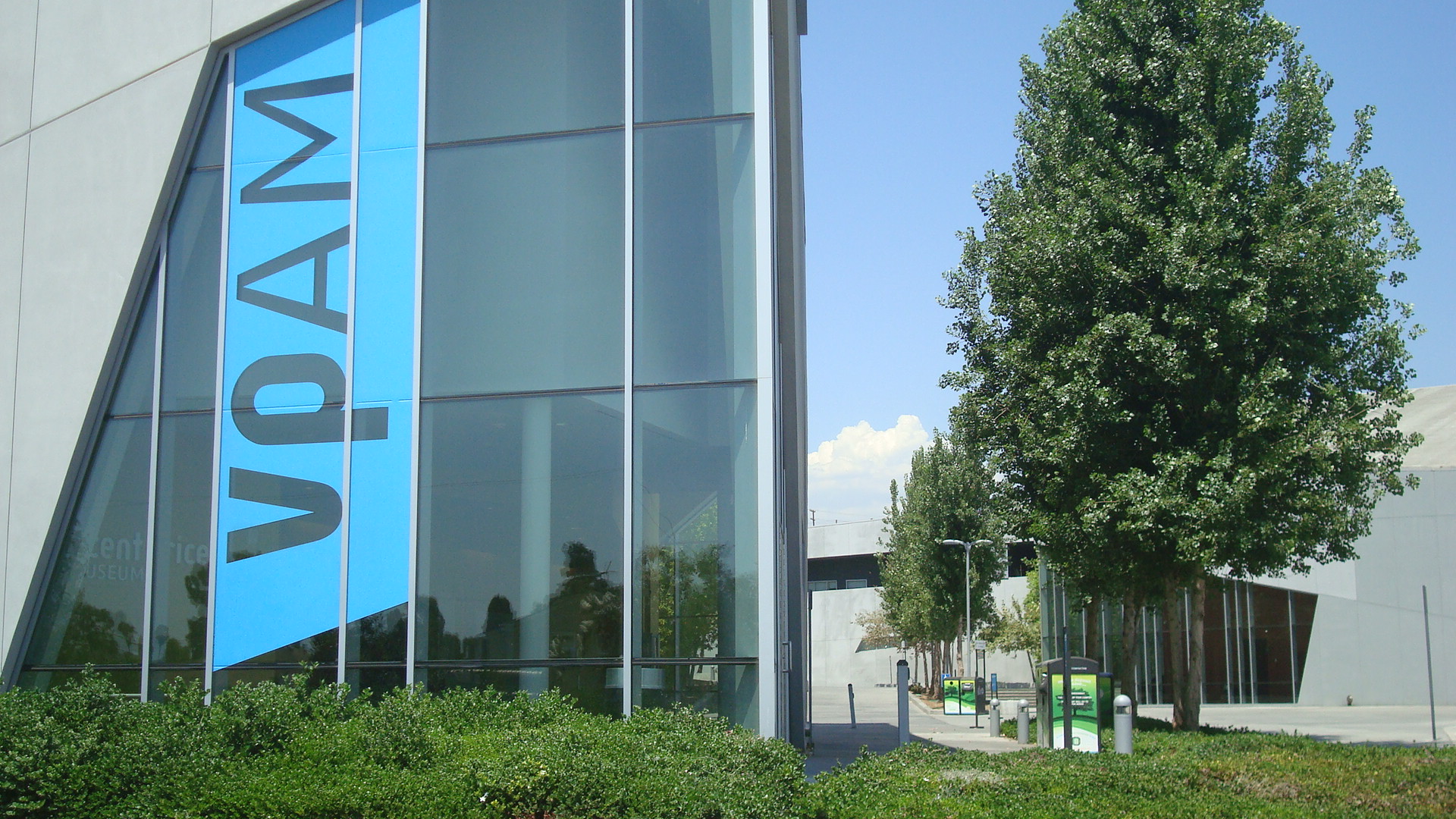
Vincent Price Art Museum

Vincent Price Art Museum at East Los Angeles College

Vincent Price Art Museum at East Los Angeles College

I don’t know how much you know about Vincent Price. If you’re over forty, you probably think of him as somebody who made a lot of horror flicks. If you’re under forty, there’s a good chance you’ve never heard of him. Actually, Vincent Price was a fine actor who worked in film, theatre, radio and TV. Sure, some of the movies he made were lame, but he did a lot of first rate work in films like Laura, Leave Her to Heaven and The Masque of the Red Death.

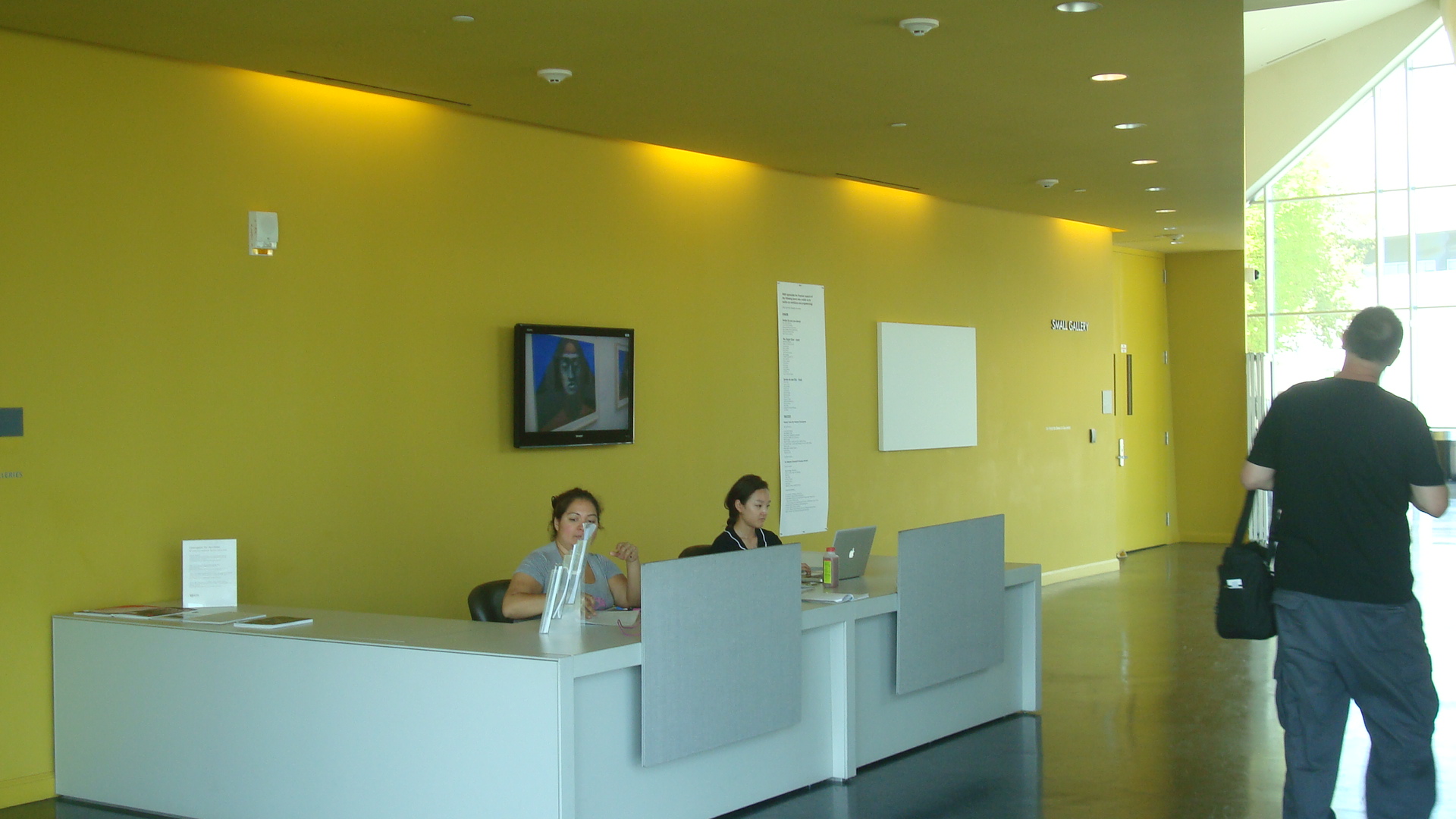
The reception area at VPAM

The reception area at VPAM

But he was also an art collector, and that’s why he has a museum named after him at East Los Angeles College. Before becoming an actor, Price studied art history at Yale, and in later years he travelled extensively giving lectures on the subject. In the fifties he decided it was important for art students to have access to paintings and drawings for their studies, and that was when he and his wife began donating works to ELAC. In 1957 they gave 90 pieces to the college. Now the VPAM collection consists of over 9,000 objects.

Death and Mother Struggling Over Child by Käthe Kollwitz

Death and Mother Struggling Over Child by Käthe Kollwitz

On the day I visited, the museum offered three shows from the permanent collection. The survey of Mexican modernism was excellent. I was also impressed by the twentieth century American and European art on display. (Honestly, I just took a quick stroll through the room full of pre-Colombian stuff. Not my cup of tea.) But the museum also develops its own shows and hosts travelling exhibitions. If you’re interested in checking out their upcoming shows, here’s the link.

Vincent Price Art Museum

No Room in the Inn by Gronk

No Room in the Inn by Gronk

The VPAM is open Tuesday through Saturday, and admission is free. Now that I’ve been there, I’m definitely planning on going back.

Twinka by Arnold Mesches

Twinka by Arnold Mesches

So What Are We Really Getting Here?

The new Regional Intermodal Transportation Center at Burbank Airport.

The new Regional Intermodal Transportation Center at Burbank Airport.

I’d heard that the Burbank Airport’s new Regional Intermodal Transportation Center opened some weeks ago, and I’d been meaning to check it out. This morning I went over and took a few photos. It looks nice, but at this point I’m not sure if it’s bringing any huge benefits.

I understand that it’s a work in progress, and I hope the completed project lives up to the PR, but right now it seems like what they’ve got is a massive new parking structure that houses a bunch of rental car companies. The MTA web site says….

“[The RITC] establishes the first direct rail-to-terminal connection at any Southern California airport.”

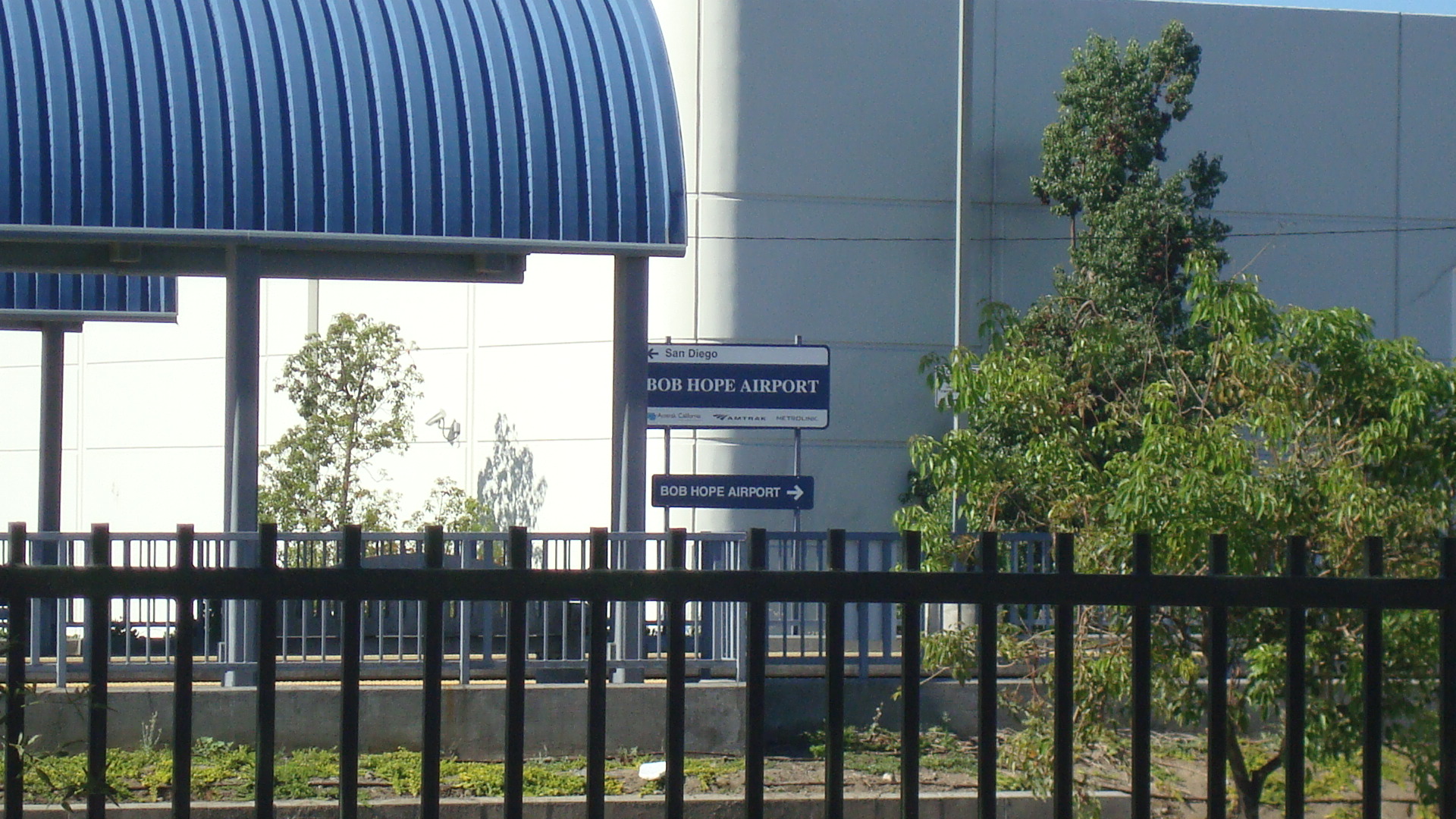
Actually, the airport was built adjacent to the rail line, which has been there since before WWII, and access to the Metrolink/Amtrak stop is no easier than it was before. Even the proposed bridge to the tracks isn’t going to make a huge difference. At some point the RITC is supposed to house a bus terminal, and that could be useful. Bicycle storage facilities are included in the project, but I’m not sure how many people are going to ride a bike to or from the airport.

Metrolink/Amtrak stop near Burbank Airport.

Metrolink/Amtrak stop near Burbank Airport.

Below is a link to an article on Curbed. It’s a brief piece that just gives the basic facts about the RITC, but the comments are interesting.

New Transit Center at Bob Hope Airport

Some commenters point out that there would be real benefits in extending the Orange Line to Burbank Airport, and I agree completely. There is a shuttle from the transit center in North Hollywood to the airport, but light rail would be so much easier. I think, though, that plan was proposed years ago, and the MTA couldn’t sell it to the community. If I remember correctly, the Orange Line was originally supposed to be a light rail line that ran from Burbank Airport to Warner Center. As I recall, people in Burbank didn’t like the idea, and residents along the Chandler corridor were up in arms about trains running through their neighborhood. Cost was also a factor. So the MTA settled for what they could get, which was an express bus line from North Hollywood to the West Valley.

At Hertz, you're not just renting a car, you're renting a fantasy.

At Hertz, you’re not just renting a car, you’re renting a fantasy.

I don’t mean to dismiss the RITC, because in time it could become a useful transit nexus. But at this point it seems to be more about hype than about real benefit to the community.

From the RITC, a view of the mountains to the north.

From the RITC, a view of the mountains to the north.

We Can Do Better Than This

Dntn SR Cart
Toward the end of July there was a meeting at the Union Rescue Mission regarding the Safer Cities Initiative. I’d like to stop here for a minute and ask you to think about that phrase.

The Safer Cities Inititiative.

Of course, if you take the words at face value, who wouldn’t support it? We all want safer cities. So if our Mayor and City Council tell us they’re taking action to reduce the crime and the grime in Downtown, how could anyone argue against them. But, as is so often the case, the phrase was created to be blandly reassuring. It’s meant to make people feel good, even if a lot of the people most directly affected don’t feel good about it at all.

I don’t pretend to be an expert on the homeless problem in Downtown LA. It’s a messy, complicated situation. But what follows is a brief summary of how we got to this point, at least as I understand it….

Back in the seventies it was decided that the best way to deal with the homeless in LA would be to corral them all into one area, away from the financial district and the city government buildings. Local leaders had ambitious plans for the central city, and it doesn’t look good to have a guy who hasn’t bathed for a week sleeping on the street next to your shiny new skyscraper. So with the homeless now out of sight, they were also out of mind, and everybody thought the problem was solved.

Then in the eighties LA’s manufacturing base suddenly disappeared, and the illegal drug trade started ramping up. All of a sudden there was a whole new wave of people flooding Skid Row, and instead of docile winos you had guys strung out on crack and PCP. The fact that AIDS and hepatitis were also on the rise made the situation even more dire. But most of us didn’t worry too much about it. A lot of people living in the Valley couldn’t understand why anybody would even consider going to Downtown. The same applied to many west side residents. Successive city government regimes kept pouring money into the financial district, and kept hoping the homeless would just go away. The vast majority of Angelenos paid no attention at all.

Then, maybe ten or fifteen years ago, things started to change. Slowly the perception of Downtown started to shift. Younger Angelenos began to see the benefits of living in a place where art and music and bars and restaurants were all within walking distance. And the city government managed to lure a growing number of businesses to the area. Something like a renaissance was taking shape, and gradually Downtown became the cool place to be.

That was the upside. Unfortunately, in the middle of this renaissance, there were still all these homeless people hanging around. The business owners and some of the newer Downtown residents were freaking out, sometimes with good reason, over the problems created by having a huge number of people, some drug users, some mentally ill, living on the streets.

And this is where the Safer Cities Initiative comes in. Back in 2007, Mayor Villaraigosa and Chief Bratton decided to adopt a zero tolerance approach to crime in Skid Row. Even small offenses resulted in an arrest, with the possibility of time in jail. On top of that, the LAPD was charged with conducting regular sweeps of the area to clear away anything that was blocking the sidewalks, i.e. shopping carts, tents, boxes, etc.. Among other problems with this approach, they ended up trashing property belonging to homeless individuals, including personal documents and prescription medication. A suit was filed to stop the sweeps, and a judge agreed with the plaintiff, putting an end to the practice. For a while.

This put the city back at square one. How to deal with the impacts caused by thousands of people who have nowhere to go except the streets of Skid Row? At this point, the LA County Department of Health stepped in. They conducted an investigation and produced a harrowing report that documented the many health problems in the area, like rats, used hypodermic needles and human waste. This gave the city the justification they needed to start in with the sweeps again.

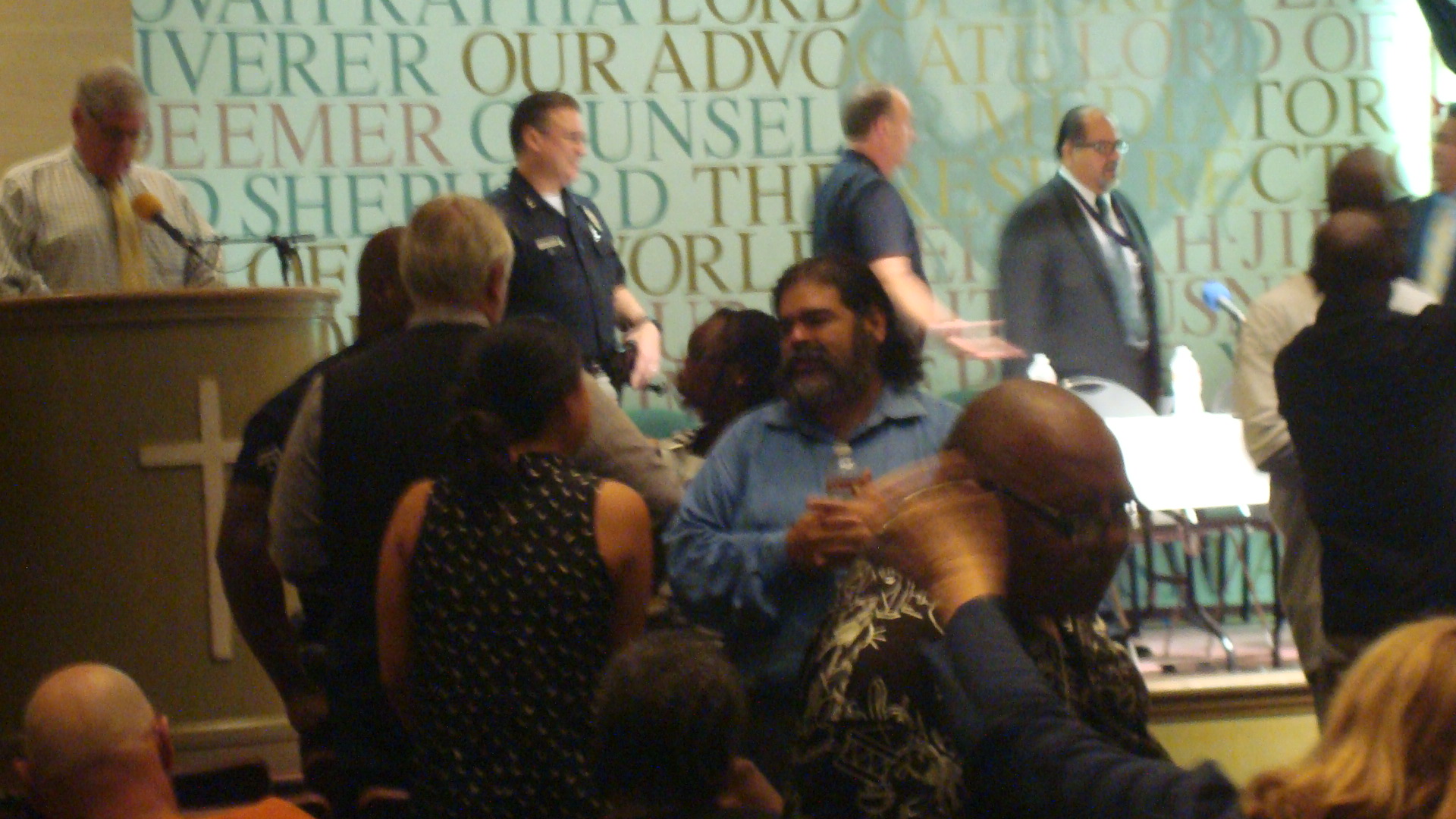
Which brings us up to the present, and back to the meeting at the Union Rescue Mission….

Dntn URM Crowd

While they’re still calling it the Safer Cities Initiative, officials have tweaked the program in the hope of making it more effective. Now the LAPD will issue citations for minor violations instead of arresting people. The sweeps will resume, as part of the Operation Healthy Streets program, but now case workers and mental health professionals will accompany the cleaning crews. The word is that the homeless will be offered free medical exams and TB tests, and an effort will be made to get people into detox or enroll in a health care program under the Affordable Care Act.

This sounds good on paper. The city officials who were on the panel at the meeting tried to keep it positive, though a woman from Jose Huizar’s office downplayed the modifications to the street cleaning program. She emphasized the fact that this was something the City was trying out, and that it wasn’t intended to be a solution to the homeless problem.

Dntn URM Panel

It’s not a solution. While this approach is better than what the City was doing before, it’s basically a band-aid, and the situation on Skid Row is not getting better. It’s getting worse. In recent years the State of California has been forced to release thousands of inmates from its prisons. It’s a real challenge for someone with a criminal record to find steady work, which also makes it hard to find a permanent place to stay. So a lot of those people who were pushed out of the prisons ended up on Skid Row. The non-profits who serve the homeless, like Union Rescue Mission, have been struggling for years. Now they’re completely overwhelmed.

The City needs to make a serious effort to provide permanent supportive housing for the homeless. Yes, this would cost money, and we’re still operating on a tight budget, but we could get the ball rolling. In New York, Mayor de Blasio has made a commitment to create permanent supportive housing, and we could do the same here. As expensive as this approach is, it’s still way cheaper than throwing people in jail for minor violations. We are currently spending a fortune on prison beds for non-violent offenders who would be better served by relatively inexpensive programs providing rehab and mental health care. And building permanent supportive housing would make Downtown a cleaner, safer place, creating an environment where business could thrive.
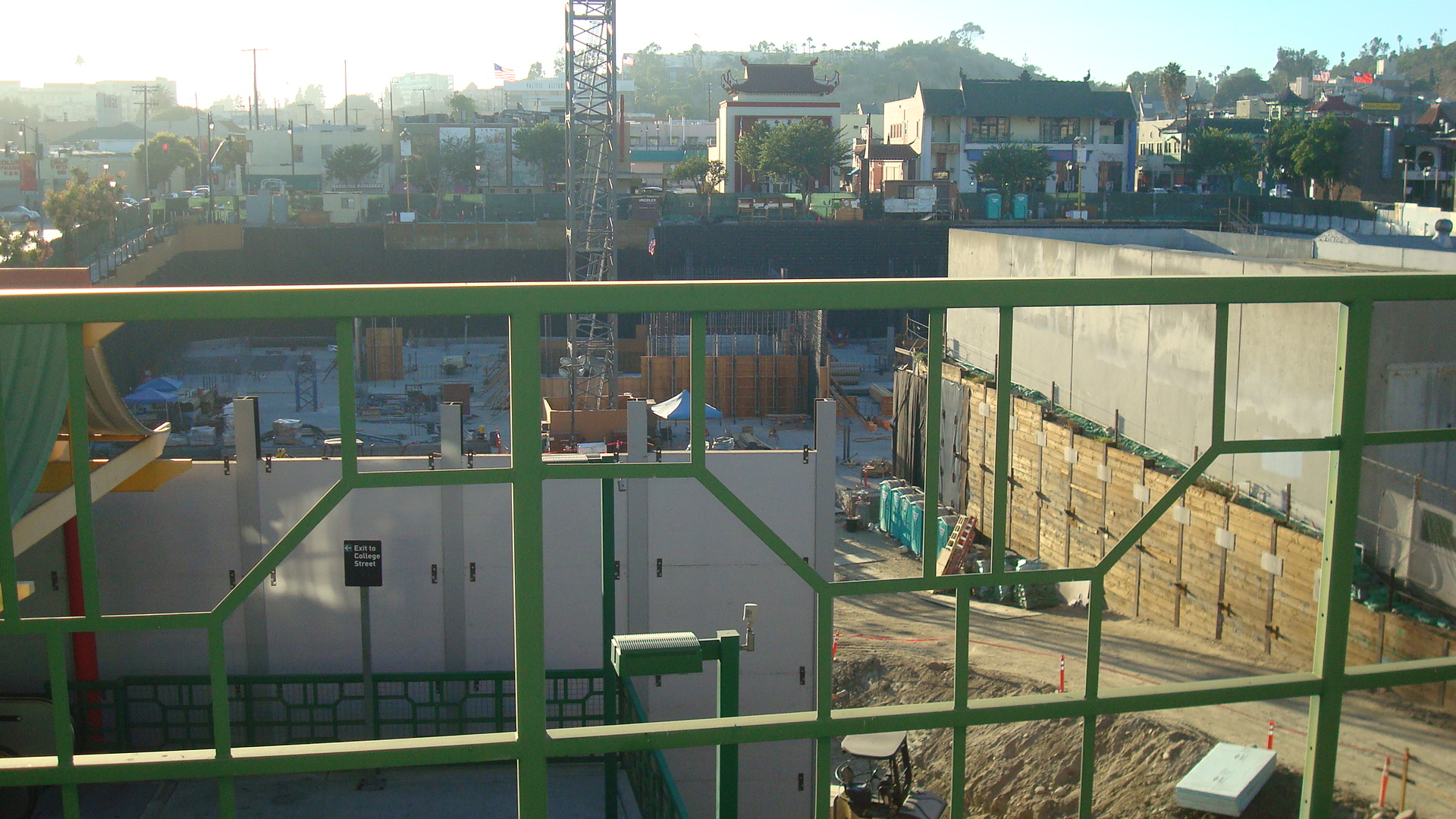
Phrases like Safer Cities Initiative and Operation Healthy Streets sound nice, but handing out tickets and clearing the streets every other month will not solve the problem. We need to stop being reactive and start being proactive. If you feel, like I do, that we could be doing more, then give your City Council rep a call and let them know.
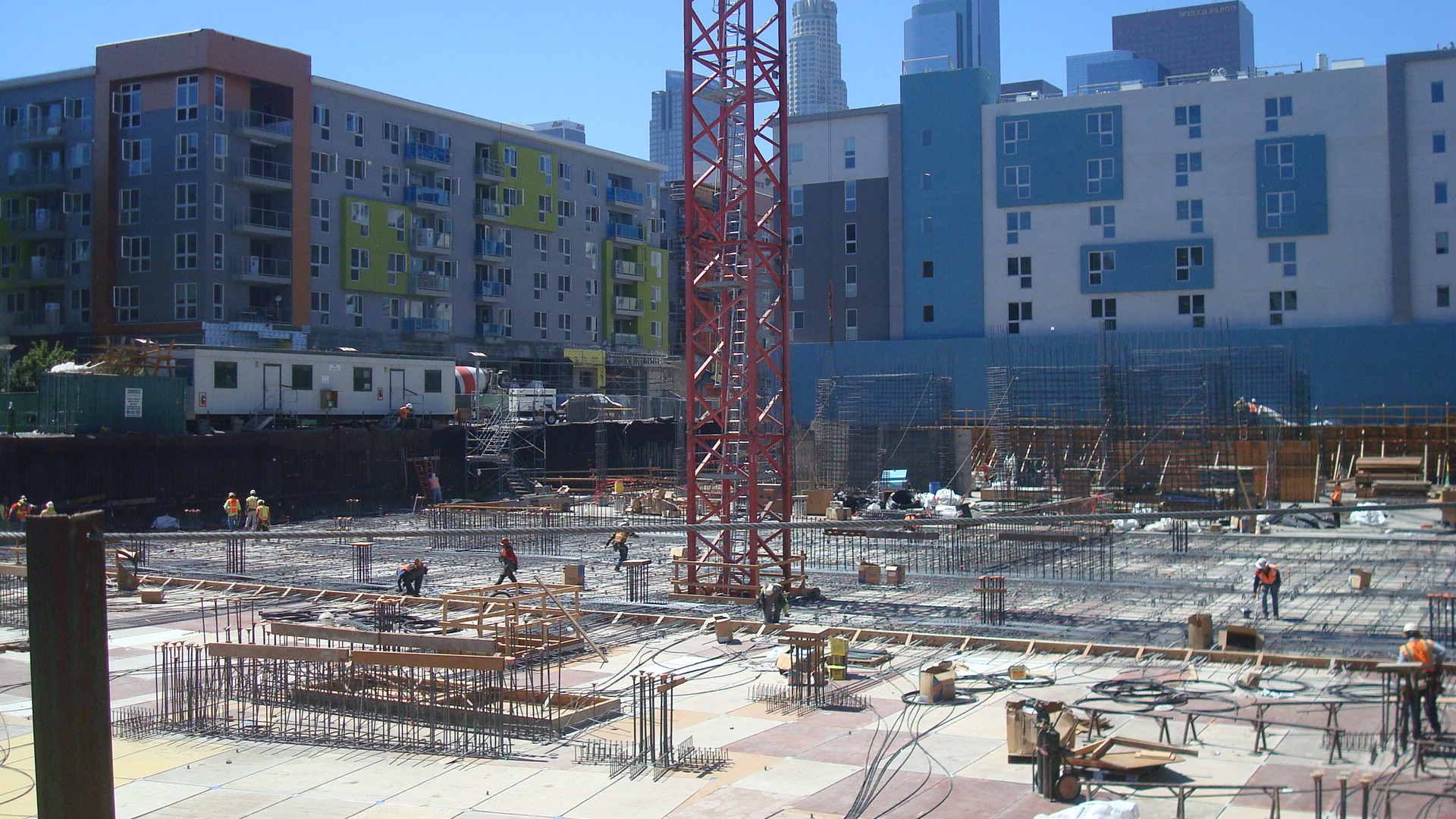
Dntn SR Guy Looking

Don’t Destroy the Past

W&B in W Hlwd

This is pretty last minute, but I just found out about a historic building in West Hollywood that could be demolished as part of a proposed development. I hadn’t heard anything about it until I opened up my e-mail this afternoon. A friend forwarded a message to let me know that this structure, designed by Wurdeman & Becket back in the thirties, might be wiped off the map unless we take immediate action.

The building, located at 9080 Santa Monica Blvd. in West Hollywood, was originally the Jones Dog and Cat Hospital. Architects Walter Wurdeman and Welton Becket created a classic example of the streamline moderne style to house the veterinarian’s practice. As a firm, Wurdeman and Becket were active in the thirties and forties, their most famous creation being the Pan-Pacific Auditorium, which burned to the ground many years ago. After Wurdeman’s death, Becket’s new firm, Welton Becket & Associates went on to design some of the city’s most striking structures and played a huge role in defining the look of mid-century Los Angeles.

For more info about the building, click on this link.

Los Angeles Conservancy

And then if you decide you want to tell the West Hollywood City Council how you feel about this, here’s another link. See the left hand column for contact info.

Save the SMB Streamline Moderne

LA has made great strides in preservation over the last several years, but we’re still losing important parts of our past. The recent demolition of a building by Morgan, Walls & Clements on La Brea was a shock, and should be reminder to those of us who care about our city’s culture that we need to be vigilant and vocal.