Dropping in at Tía Chucha’s

Tía Chucha's

Tía Chucha’s

One of the blogs I try to check in with on a regular basis is I Am San Fernando, which covers the East San Fernando Valley. That’s where I found out about Tía Chucha’s, a bookstore and cultural center located in Sylmar. I’ve been meaning to check it out for a while, and yesterday I finally made the trek out there.

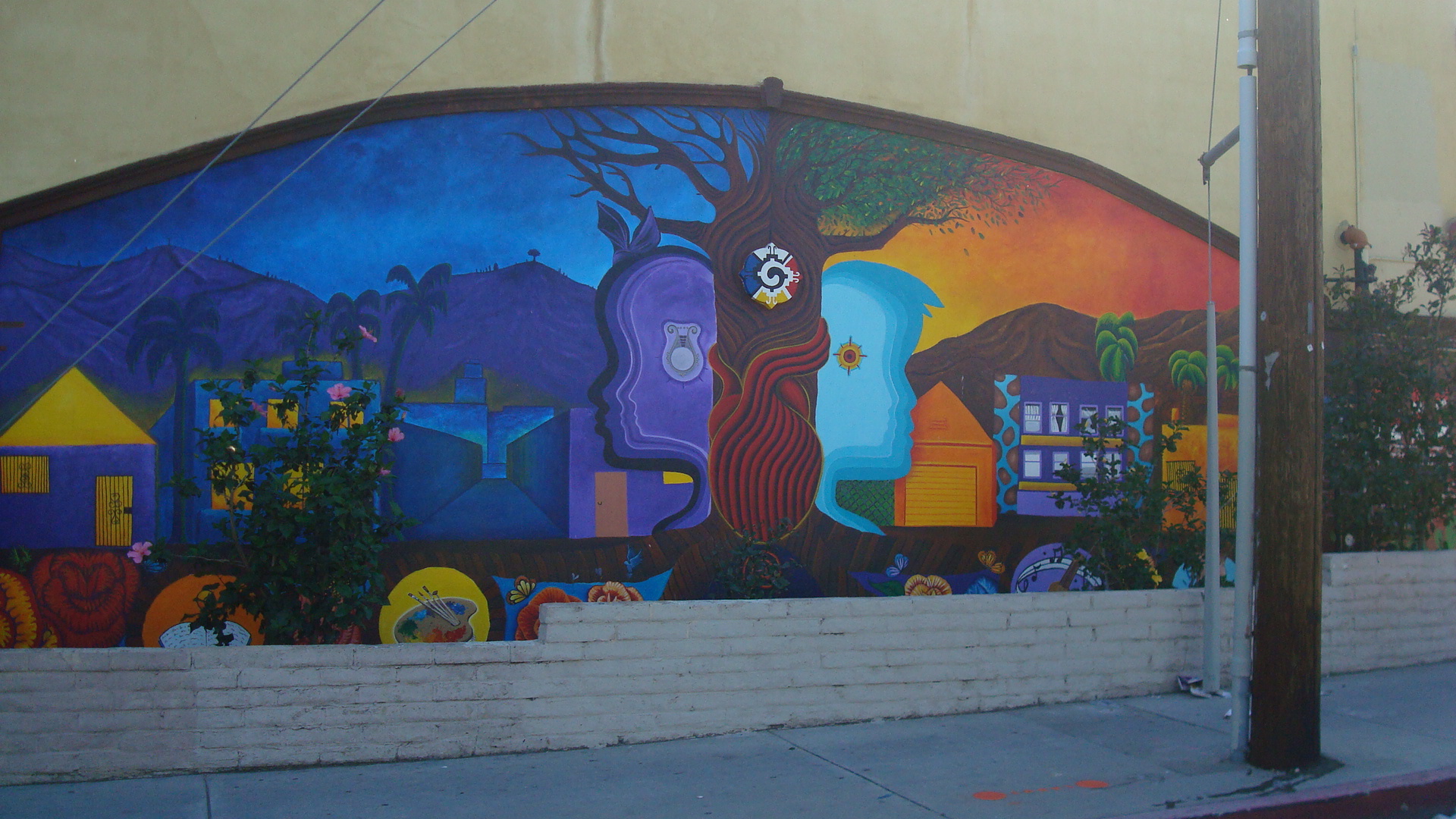
It was worth the trip. The first thing that caught my attention was a mural on the side of the building.

Mural in back of Tía Chucha's.

Mural in back of Tía Chucha’s.

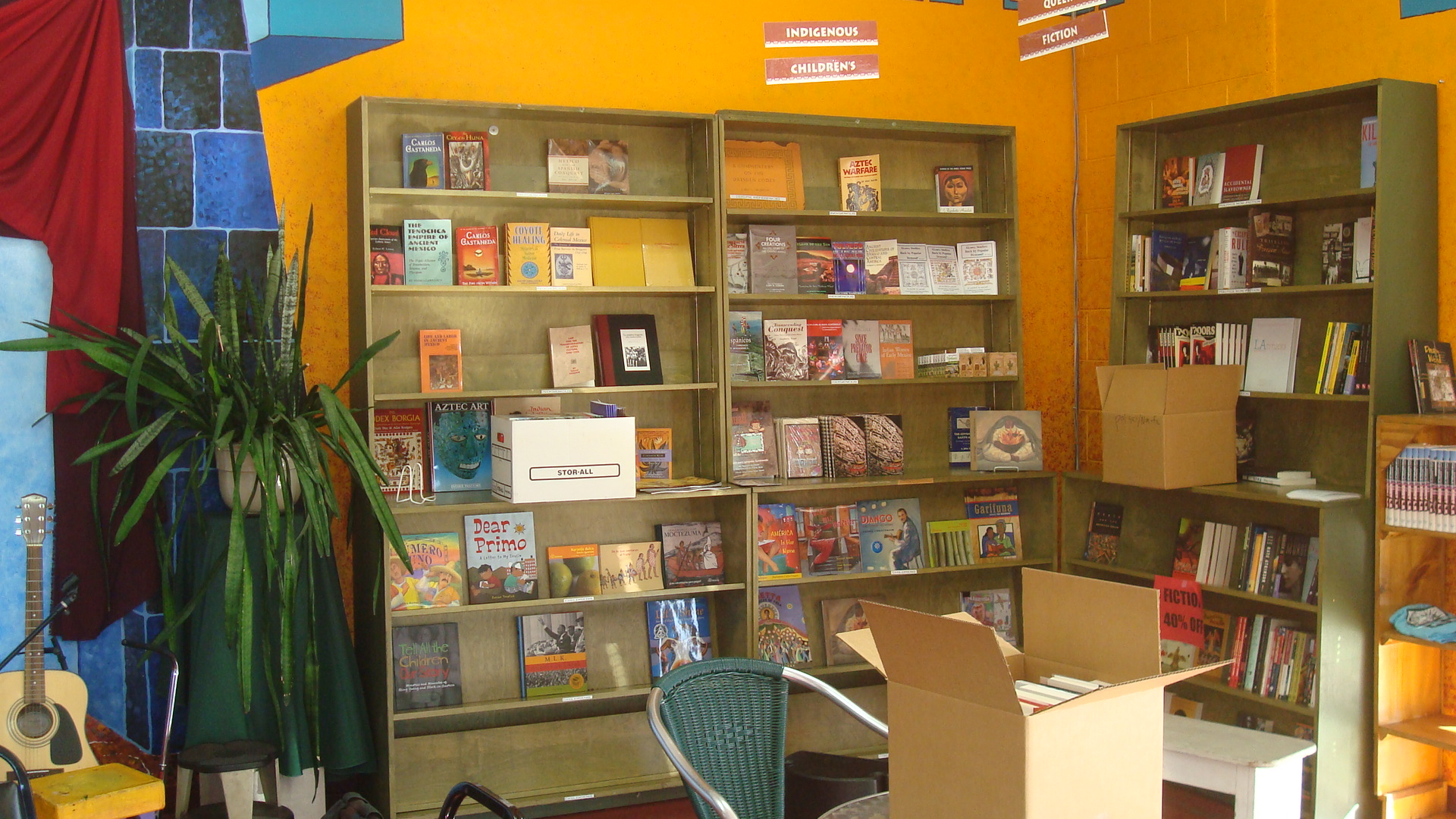
The place was kind of quiet when I got there, but it was afternoon, and most of their events take place in the evening. Tía Chucha’s hosts gatherings of musicians and poets, as well as offering a variety of classes. Right away I liked the place’s vibe, both colorful and comfortable. I took a few photos.

Tía Chucha's offers books...

Tía Chucha’s offers books…

...music...

…music…

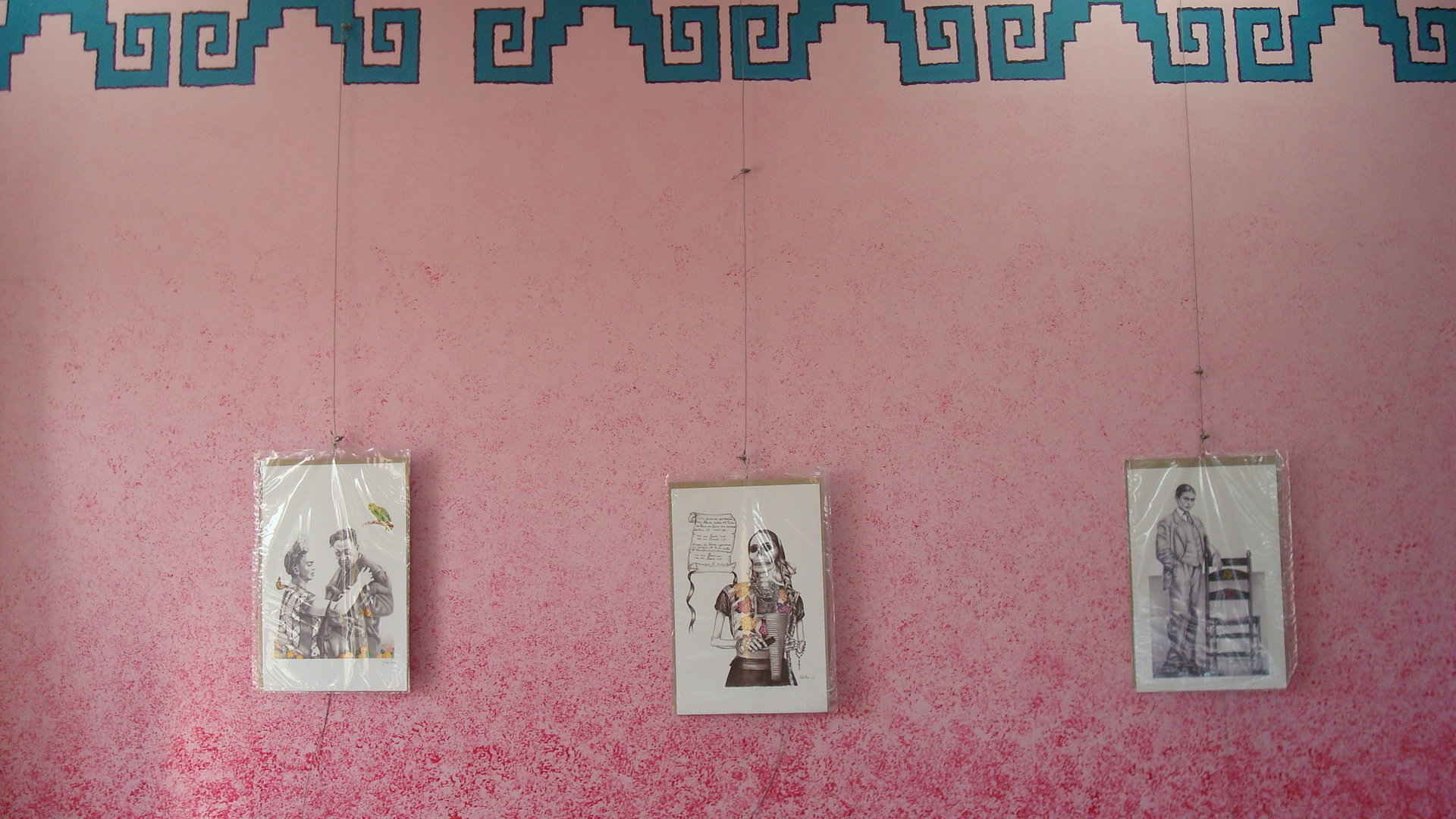
...and art.

…and art.

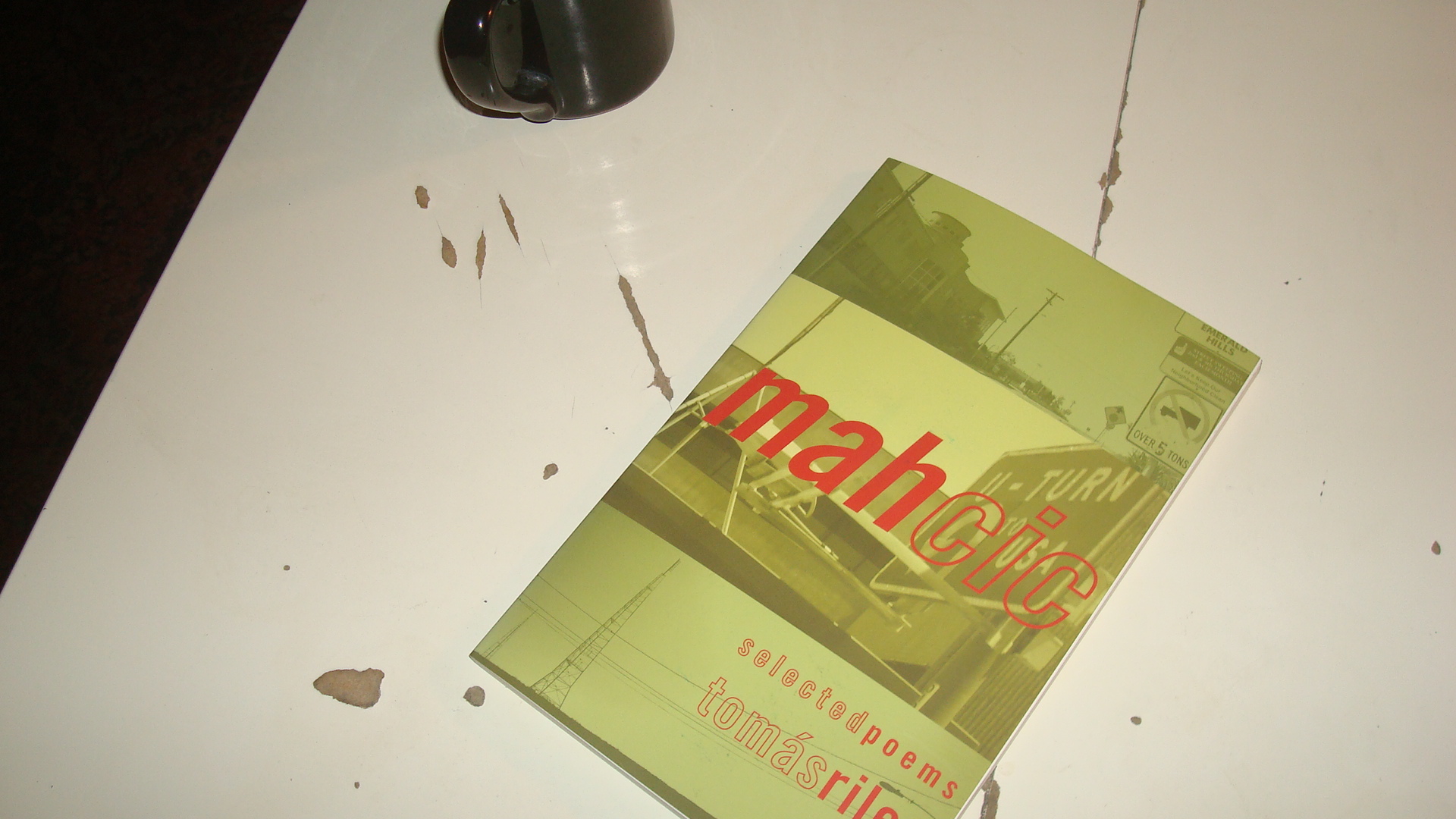
I also flipped through a few books, and ended up buying Mahcic by Tomás Riley. I’ve only read a few of the peoms so far, but his work is pretty cool.

Mahcic by Tomás Riley

Mahcic by Tomás Riley

I liked the place so much I even put my name on their mailing list, which is something I rarely do these days, since I’m already overwhlemed by the amount of stuff that shows up in my inbox. But I was impressed with what Tía Chucha’s has to offer, and I’ll definitely be going back.

If you want to check them out yourself, here’s the link.

Tía Chucha’s

So What Are We Really Getting Here?

The new Regional Intermodal Transportation Center at Burbank Airport.

The new Regional Intermodal Transportation Center at Burbank Airport.

I’d heard that the Burbank Airport’s new Regional Intermodal Transportation Center opened some weeks ago, and I’d been meaning to check it out. This morning I went over and took a few photos. It looks nice, but at this point I’m not sure if it’s bringing any huge benefits.

I understand that it’s a work in progress, and I hope the completed project lives up to the PR, but right now it seems like what they’ve got is a massive new parking structure that houses a bunch of rental car companies. The MTA web site says….

“[The RITC] establishes the first direct rail-to-terminal connection at any Southern California airport.”

Actually, the airport was built adjacent to the rail line, which has been there since before WWII, and access to the Metrolink/Amtrak stop is no easier than it was before. Even the proposed bridge to the tracks isn’t going to make a huge difference. At some point the RITC is supposed to house a bus terminal, and that could be useful. Bicycle storage facilities are included in the project, but I’m not sure how many people are going to ride a bike to or from the airport.

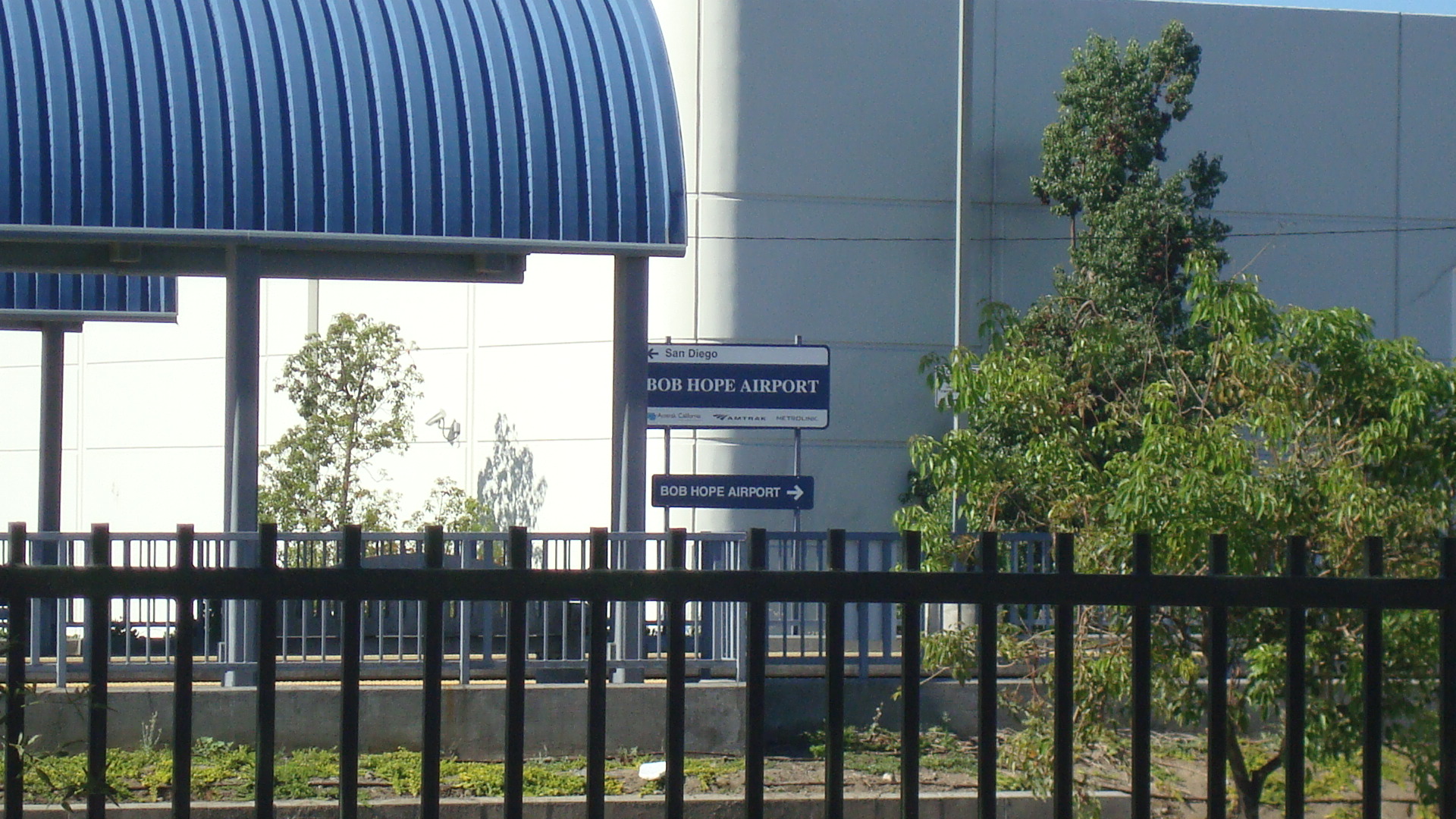
Metrolink/Amtrak stop near Burbank Airport.

Metrolink/Amtrak stop near Burbank Airport.

Below is a link to an article on Curbed. It’s a brief piece that just gives the basic facts about the RITC, but the comments are interesting.

New Transit Center at Bob Hope Airport

Some commenters point out that there would be real benefits in extending the Orange Line to Burbank Airport, and I agree completely. There is a shuttle from the transit center in North Hollywood to the airport, but light rail would be so much easier. I think, though, that plan was proposed years ago, and the MTA couldn’t sell it to the community. If I remember correctly, the Orange Line was originally supposed to be a light rail line that ran from Burbank Airport to Warner Center. As I recall, people in Burbank didn’t like the idea, and residents along the Chandler corridor were up in arms about trains running through their neighborhood. Cost was also a factor. So the MTA settled for what they could get, which was an express bus line from North Hollywood to the West Valley.

At Hertz, you're not just renting a car, you're renting a fantasy.

At Hertz, you’re not just renting a car, you’re renting a fantasy.

I don’t mean to dismiss the RITC, because in time it could become a useful transit nexus. But at this point it seems to be more about hype than about real benefit to the community.

From the RITC, a view of the mountains to the north.

From the RITC, a view of the mountains to the north.

Transformations

TW 00 GW Campus

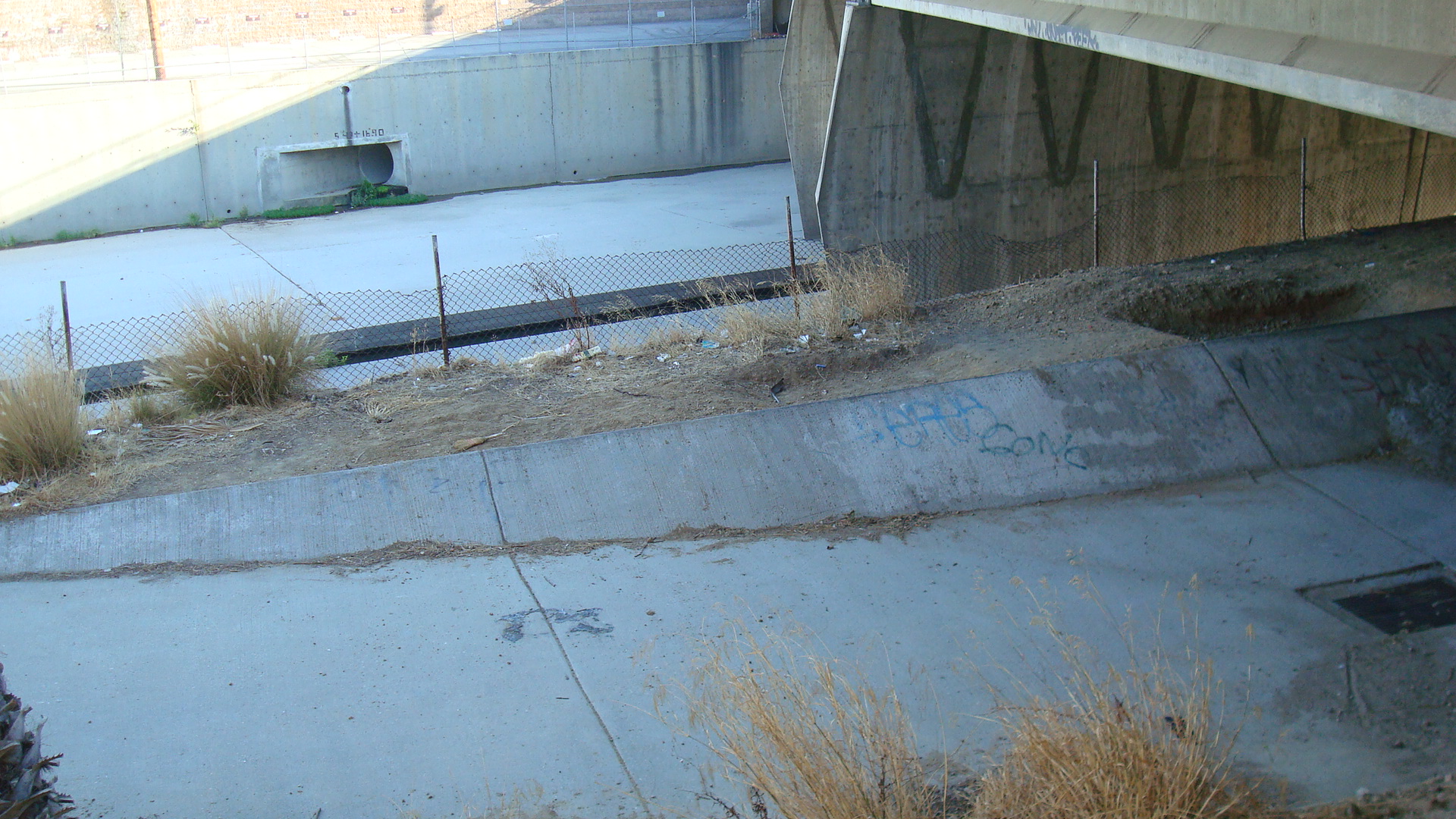
Around the middle of the twentieth century, over a period of decades, the LA County Flood Control District did their damnedest to encase most of the city’s waterways in concrete. Apparently it seemed like a good idea at the time. From our contemporary perspective, it looks like a colossal mistake. But what can we do? We don’t have the means to break up the hundreds of miles of concrete that were poured back in the last century. So we’re doing what we can, getting behind small projects that we hope will eventually have a cumulative impact.

I’ve lived in LA all my life, and it still amazes me how little I know about this city. The Tujunga Wash runs from the San Gabriel Mountains, across the San Fernando Valley and feeds into the LA River around Studio City. Recently I started paying attention to the stretch that runs along Coldwater Canyon between Burbank and Oxnard. What I found was pretty interesting.

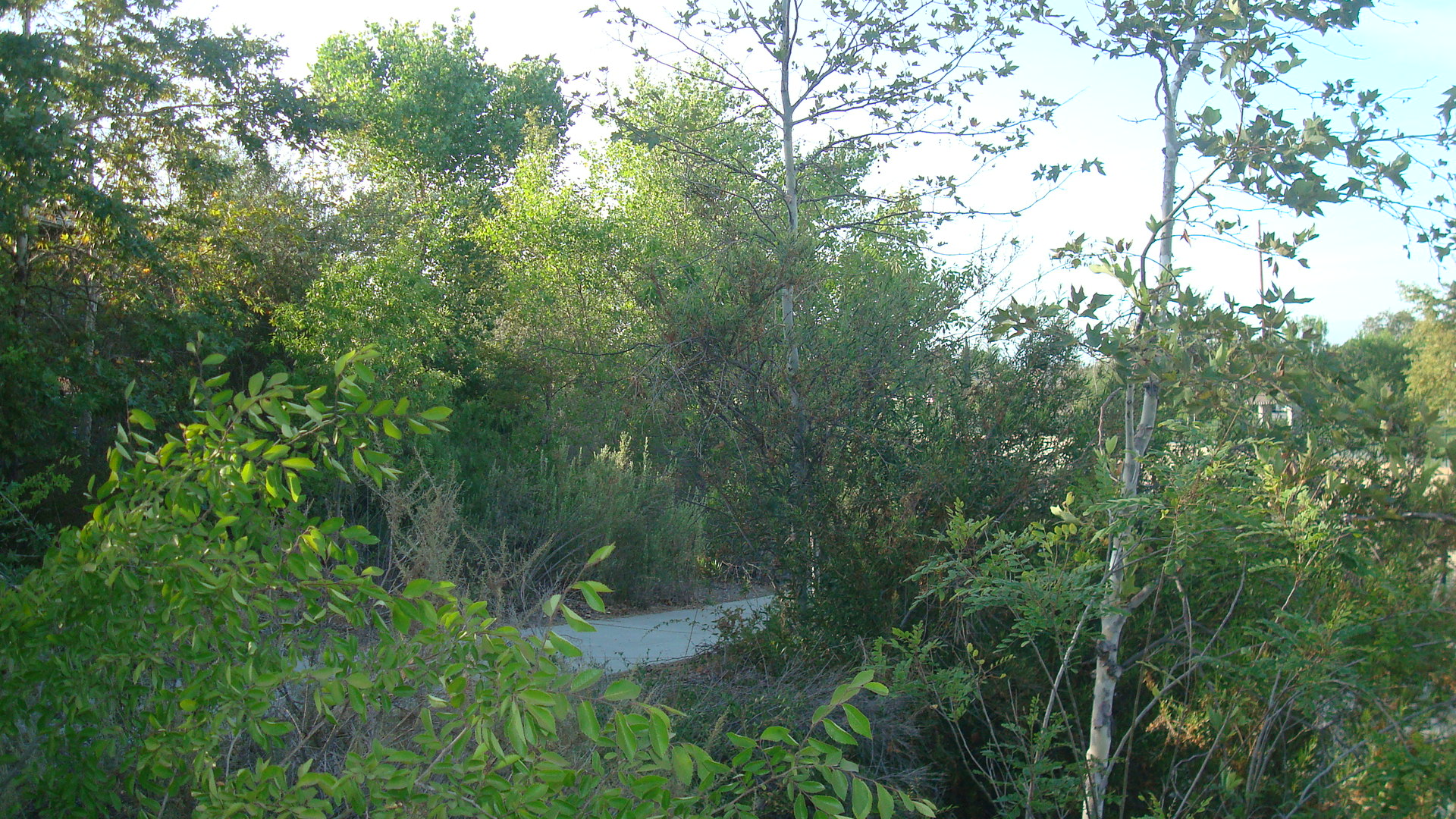
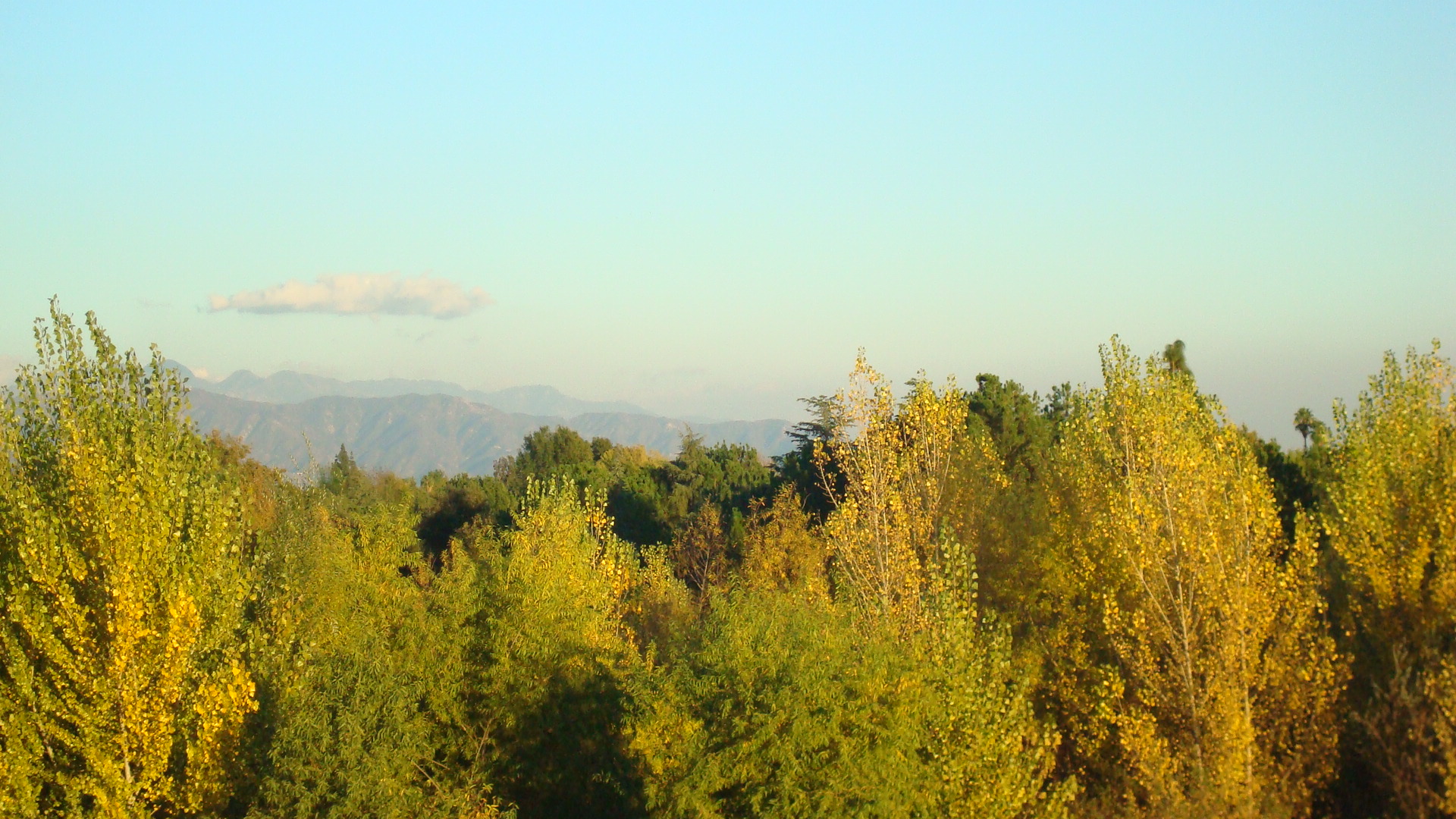
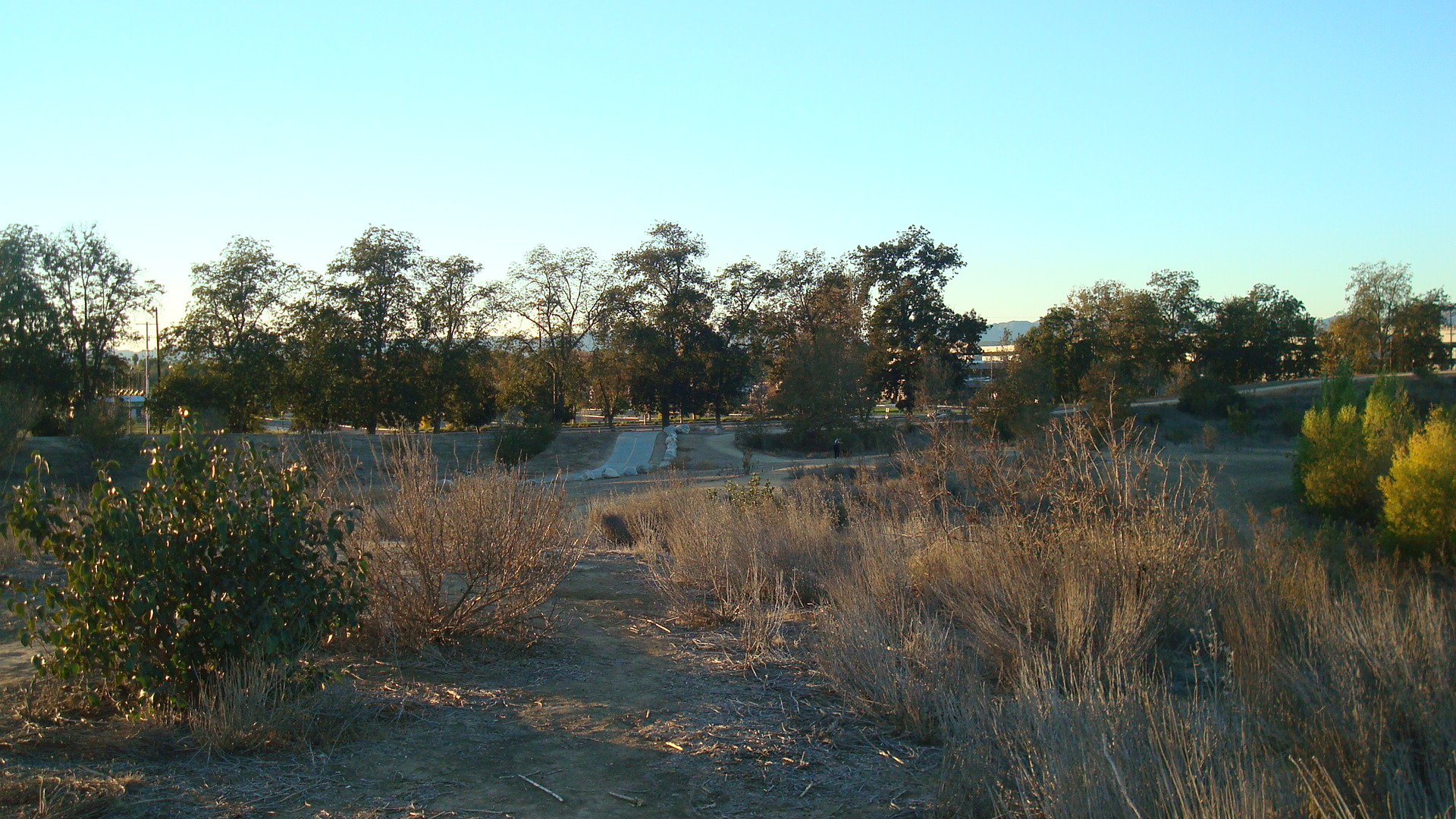
Above Oxnard, I found the Tujunga Wash Greenway and Stream Restoration Project. What used to be a drab stretch of land running alongside a drab stretch of concrete has been transformed into a lush green walkway which helps to replenish our groundwater.

TW 02 Green

For a better explanation than I could give, click on this link to a page at the Landscape Architecture Foundation. They also provide before and after pictures to give you a sense of how dramatic the change has been.

Tujunga Wash Greenway

TW 04 Green Bed

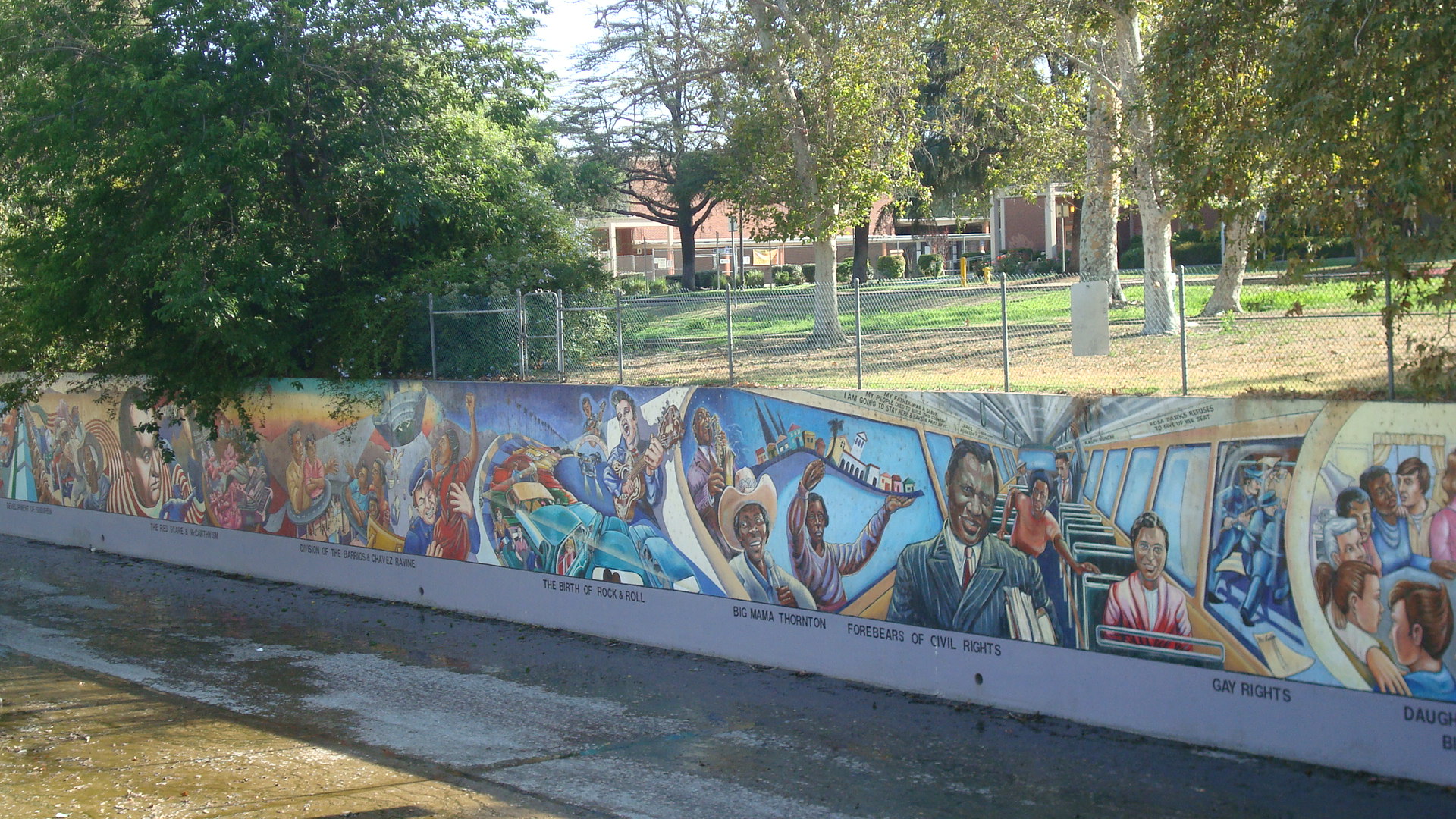
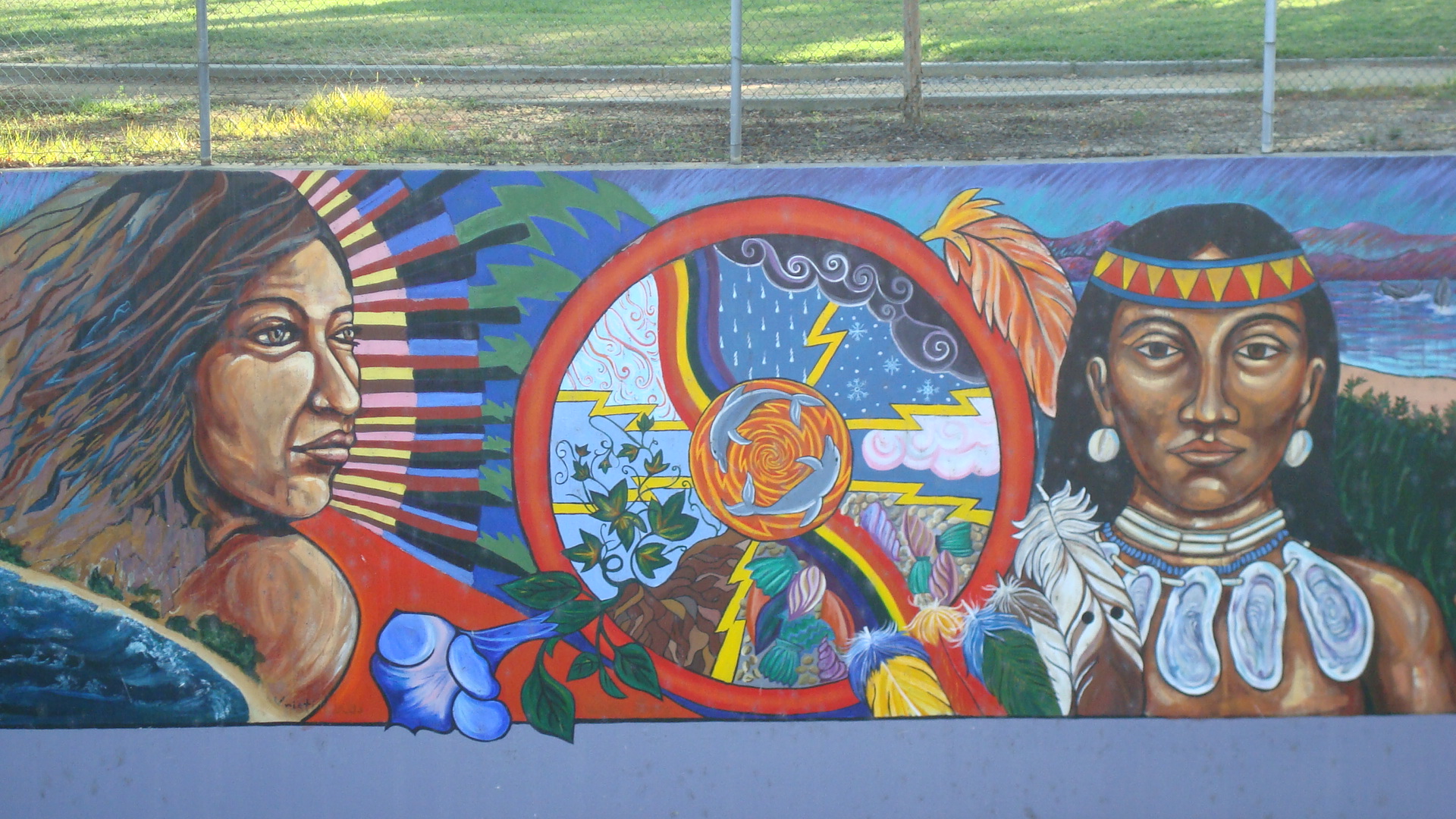
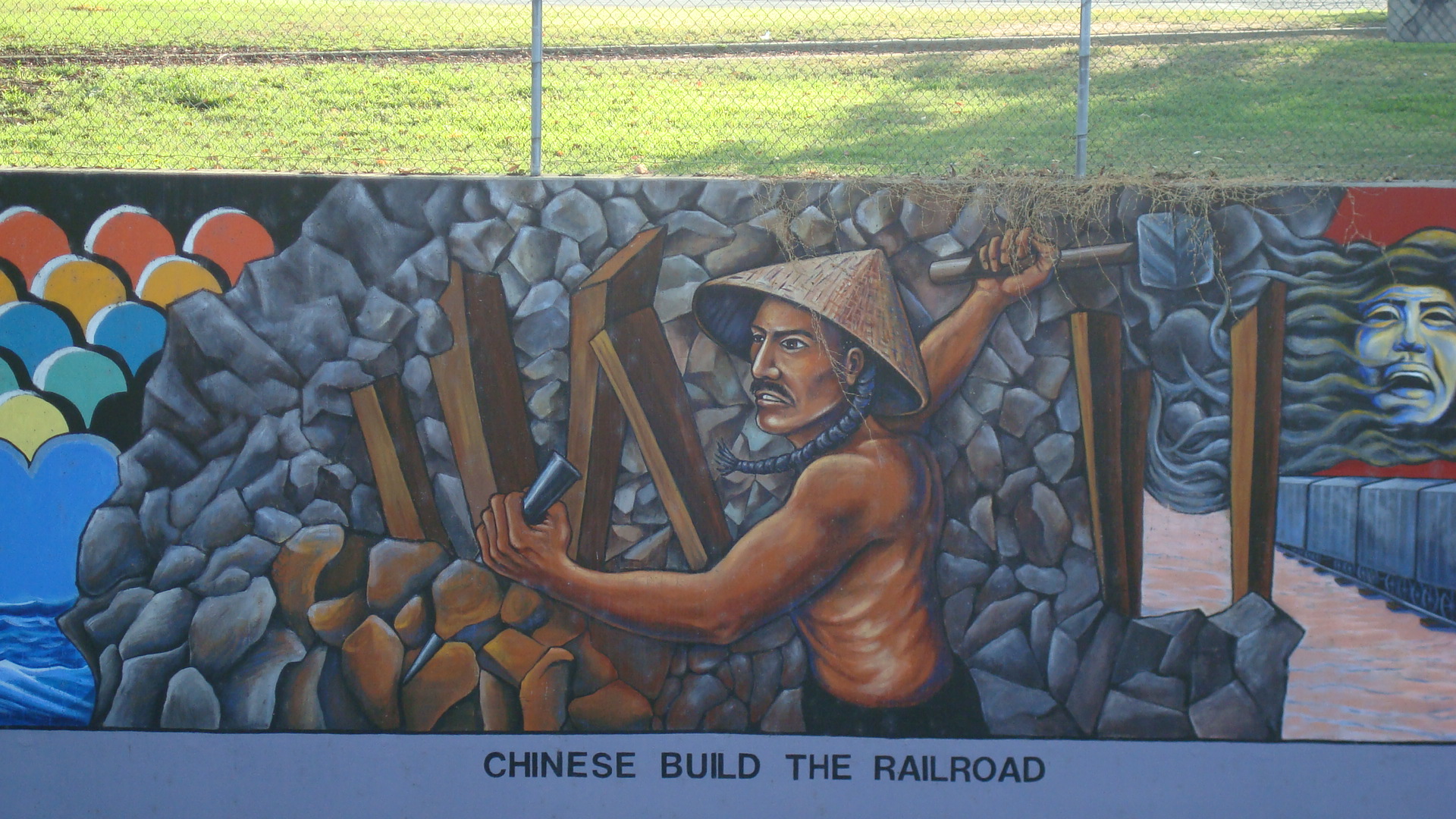
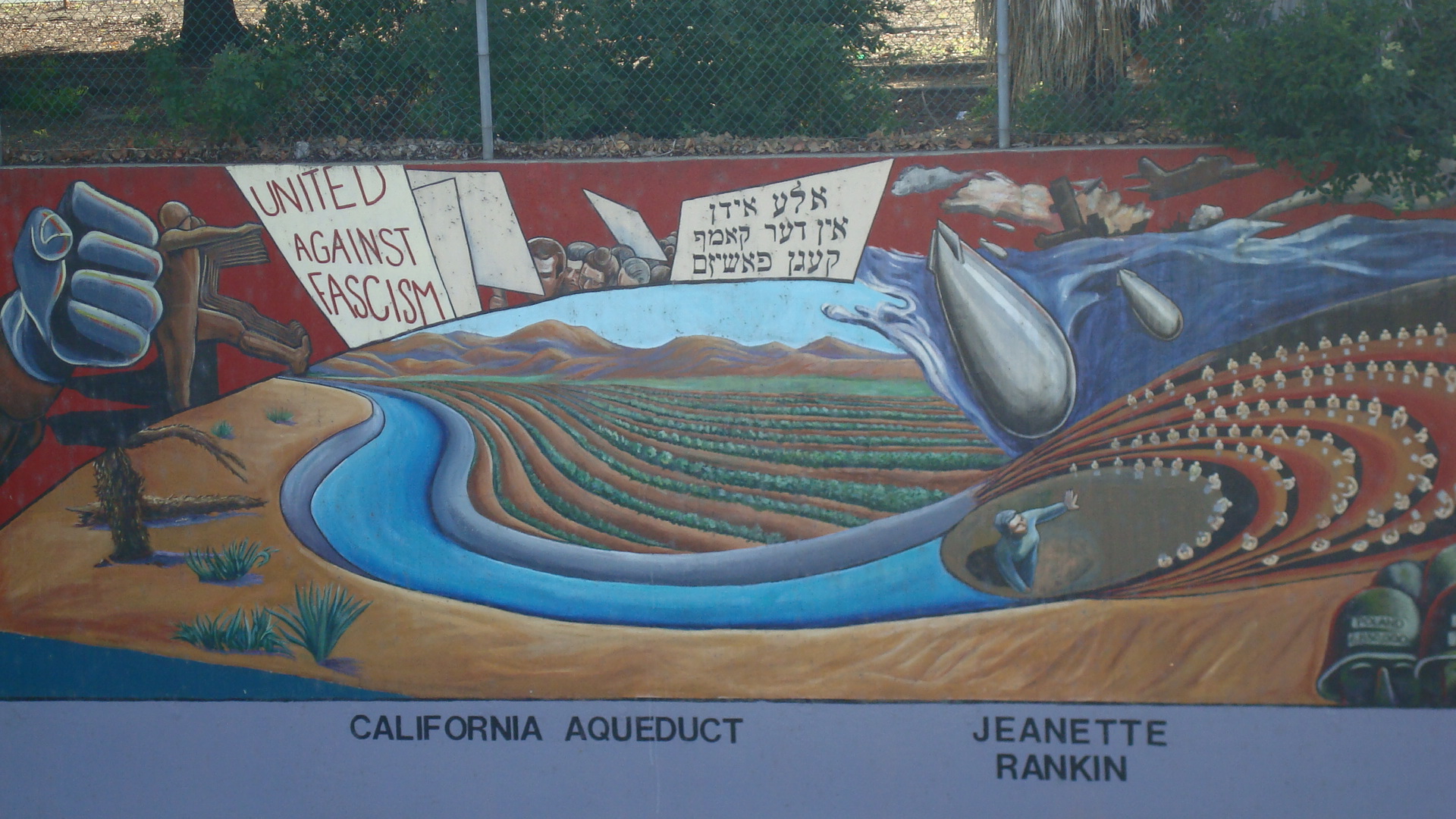
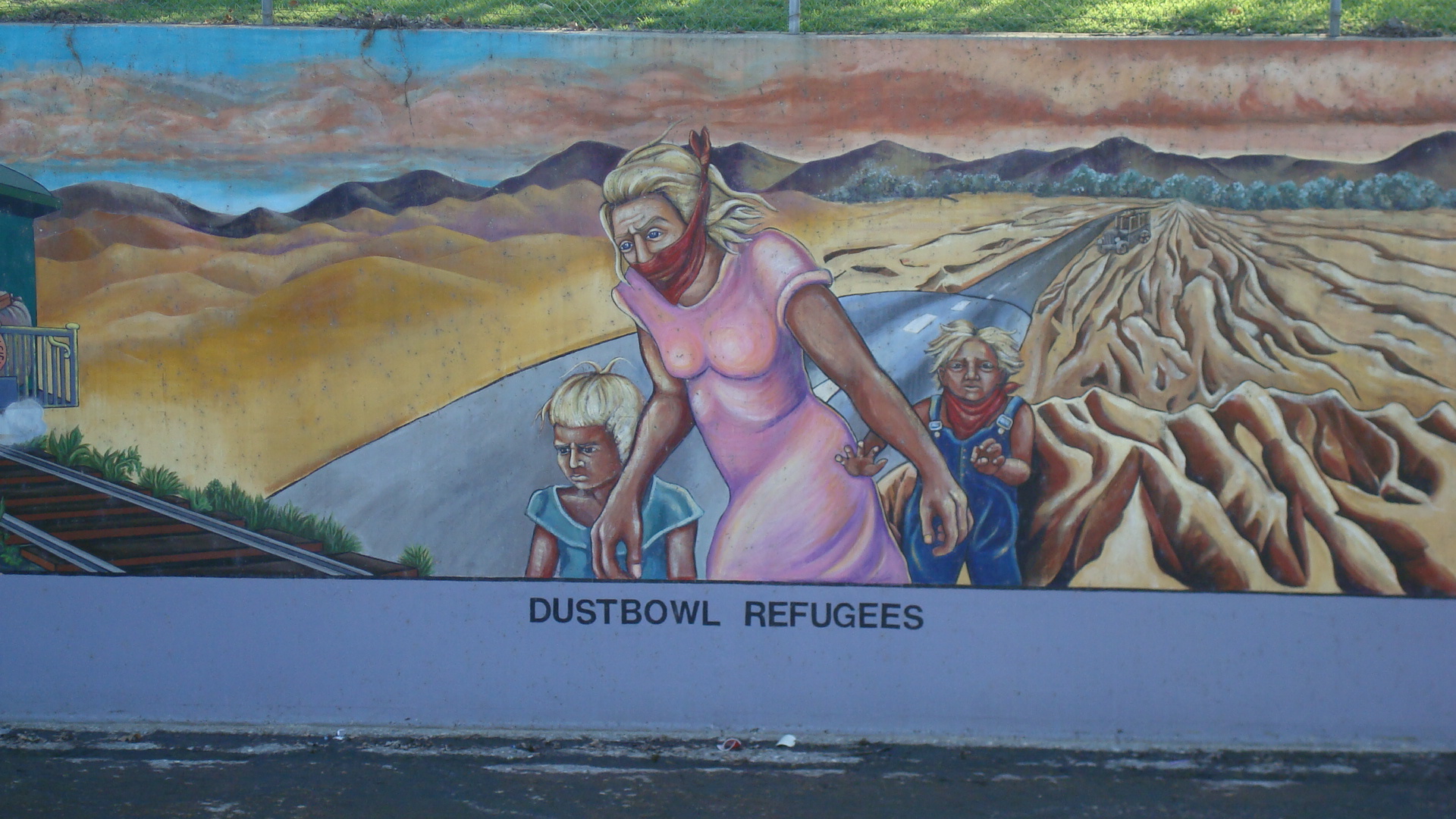
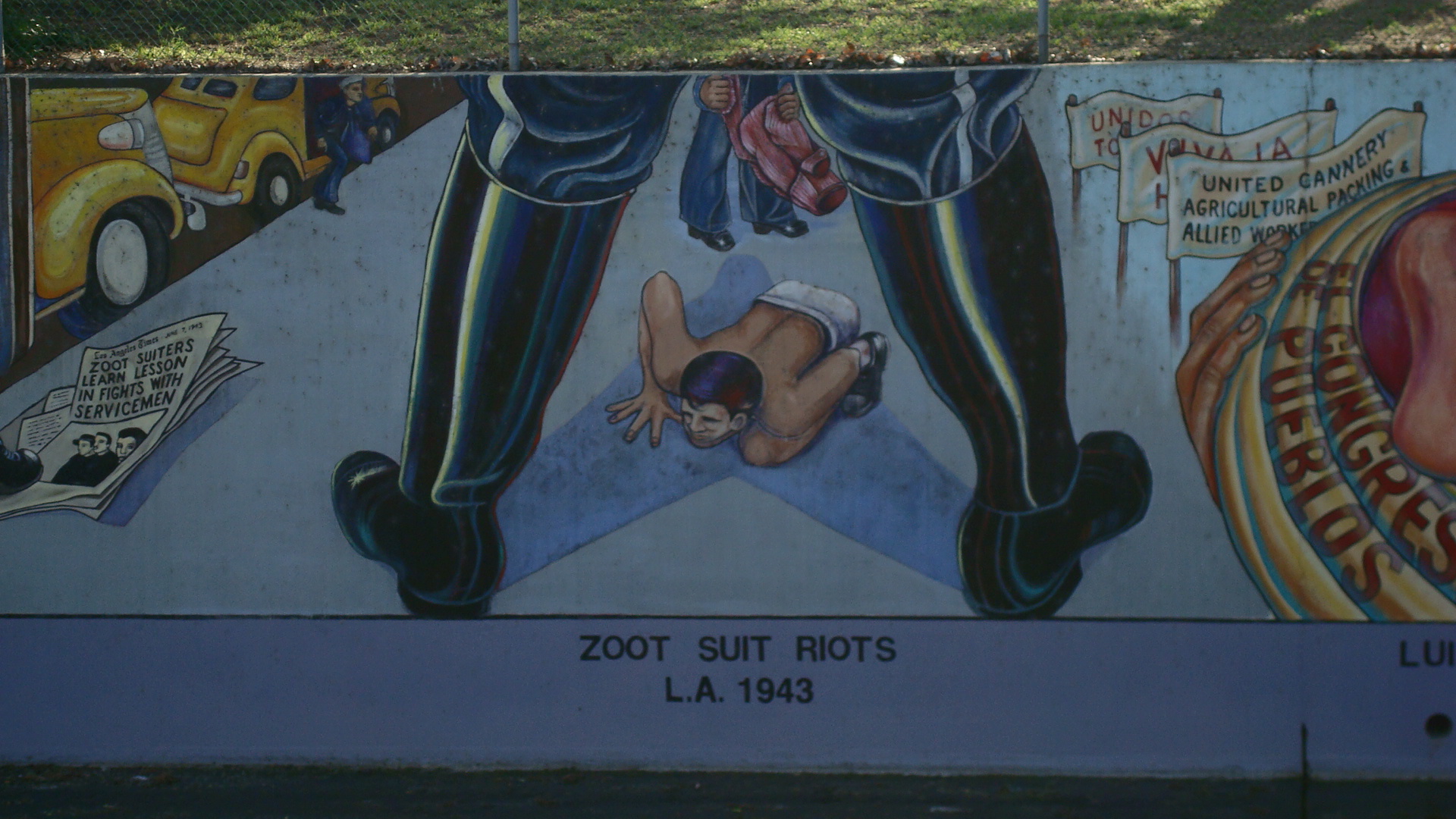
Below Oxnard, I found the Great Wall of Los Angeles. This is a massive, amazing public art project which presents a history of Los Angeles starting with the first people who lived in the area and ending in the fifties. The project is the brainchild of Judy Baca, founder of the Social and Public Art Resource Center (SPARC). It was begun in the seventies, with over 400 young people and their families working over five summers to create the mural that currently covers a half mile of concrete inside the Tujunga Wash.

The mural starts with images of the Chumash Indians.

TW 06 GW Chum

It covers the construction of the the massive projects that helped build the city, like the railroads….

TW 07 GW Chin

….and the aqueduct.

TW 09 GW Aque

It illustrates the multiple waves of migration the populated the area.

TW 09a GW Dust Big

There are images of the traumatic upheavals that shaped LA.

TW GW Zoot

It takes us through the baby boom….

TW 11 GW BB

….and the beginnings of rock n’ roll.

TW 12 GW  R&R

There are plans to paint another four decades, which would bring the project up to the end of the twentieth century. For more information, and to find out how to donate, visit SPARC’s web site.

The Great Wall of Los Angeles

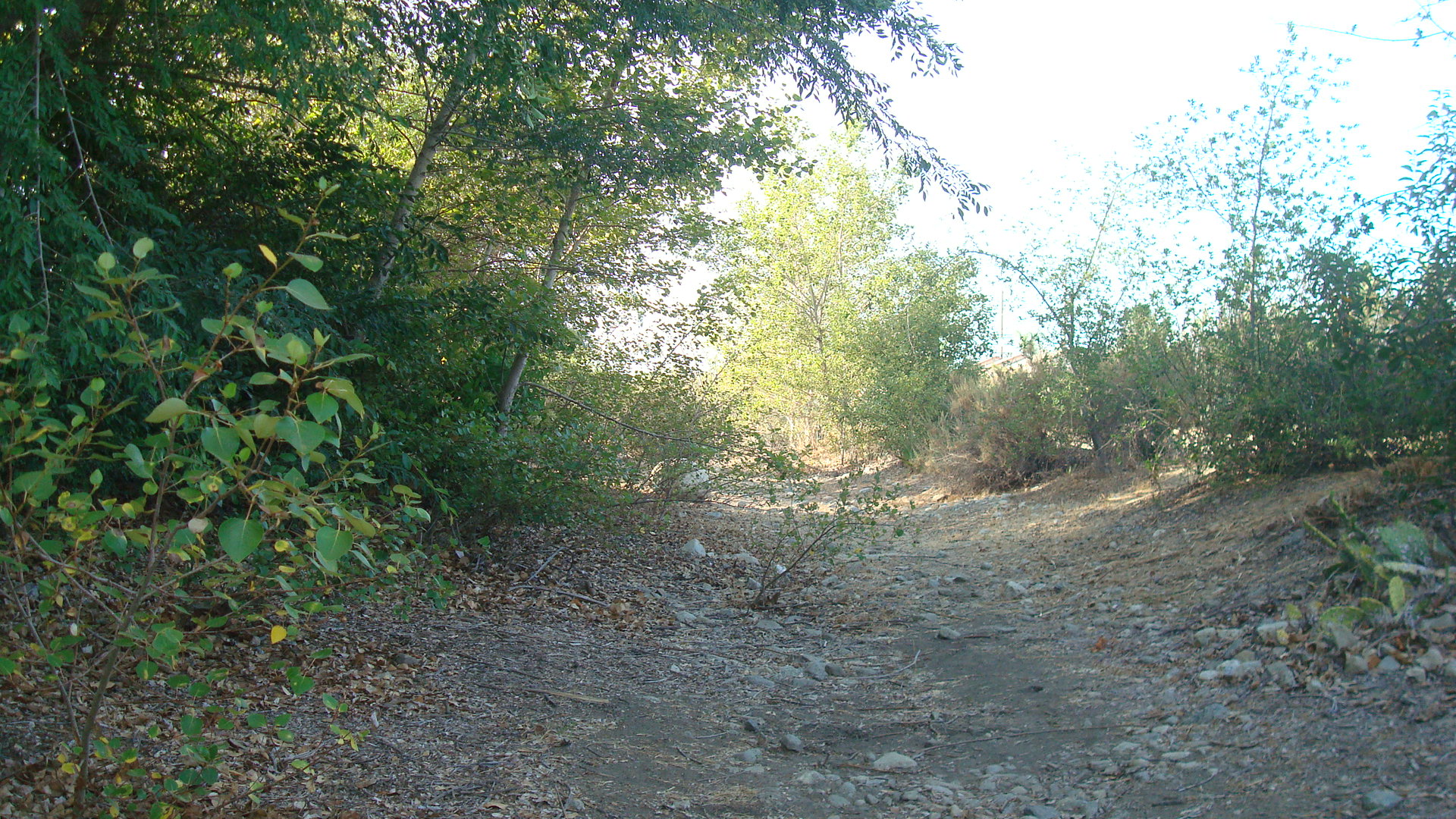
You won’t find much water in the Tujunga Wash these days. But you will find some other things that are worth checking out.

San Fernando Road

SF A1 Desolate

Even if you’ve lived in a city your whole life, you probably only know a small part of it. We tend to stay in our own little worlds. There are the neighborhoods we know, the hangouts where we feel comfortable, the landmarks that are familiar. In our mind that becomes the map of the city. Everything else becomes irrelevant or invisible.

For a long time San Fernando Road was invisible to me. It’s one of the oldest streets in LA, and I’ve been travelling along it since I was a kid, but I never paid any attention to the landscape that was sliding by. It was just a route I’d take to get from one place to another.

Last year I was riding down San Fernando on the bus and I looked out the window. I can’t say I saw anything remarkable, but I started to notice things I’d never paid attention to before. I saw the railroad tracks and the industrial parks. The markets and the restaurants. The trees and the billboards. It’s not a pretty stretch of road, and there’s not much that would attract people from other places, but there’s a lot going on. There are manufacturing and recycling centers, there are auto repair shops and wholesale outlets, and there are trucks and trains that run up and down the road all day long. In other words, there are a lot of things that are made here or processed here or transported through here that touch our lives every day.

San Fernando Road has been called different things over the years. The state and local governments have defined it in different ways. Even now it’s called The Old Road up north in Santa Clarita. In Burbank it’s called San Fernando Boulevard, and it’s interrupted briefly by a mall. When it crosses the LA border again it turns back into San Fernando Road, and it runs all the way into Downtown.

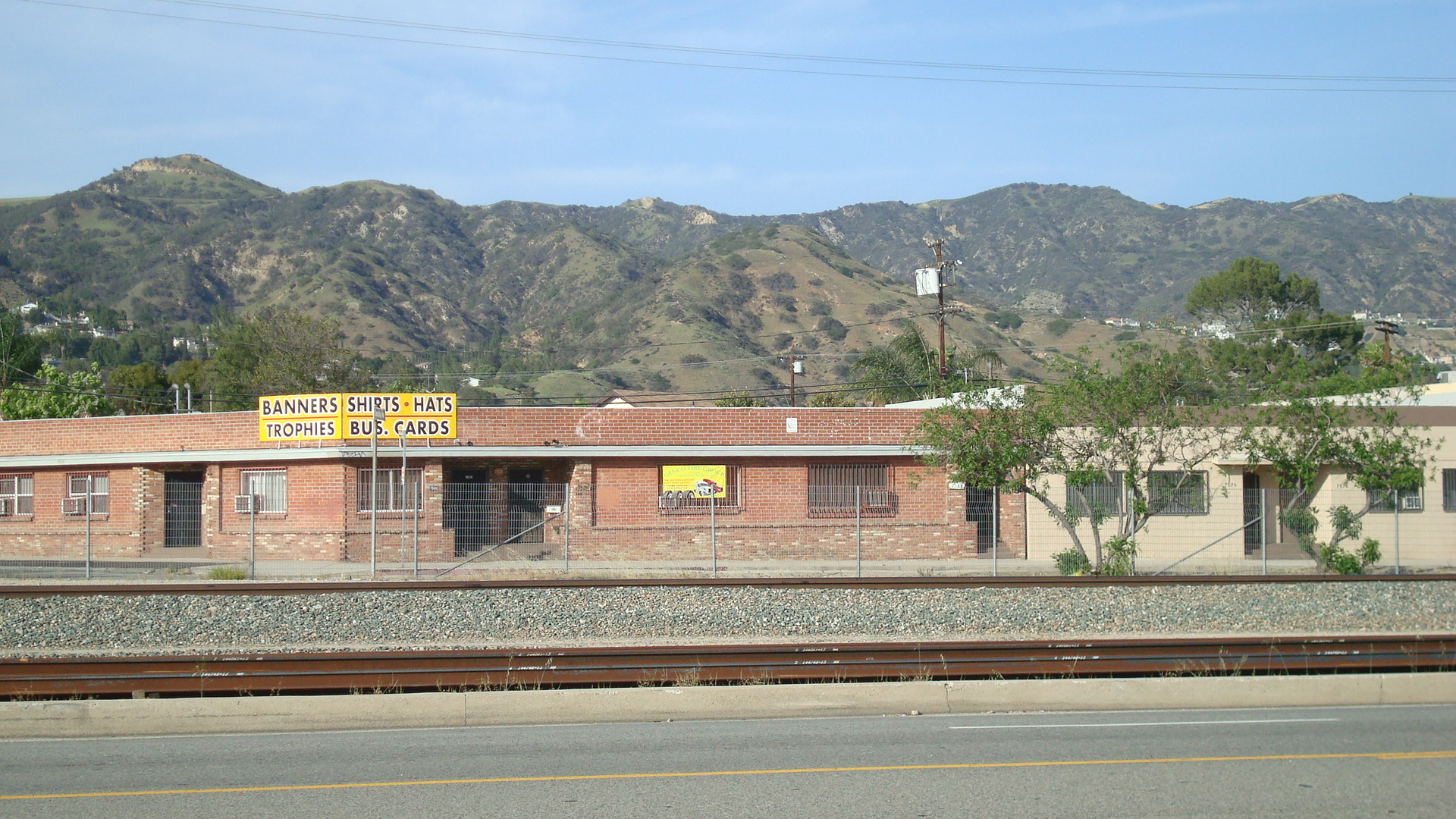
For now I’m just going to focus on the stretch between Hollywood Way and Tuxford. As San Fernando Road leaves Burbank behind, you have the hills on one side….
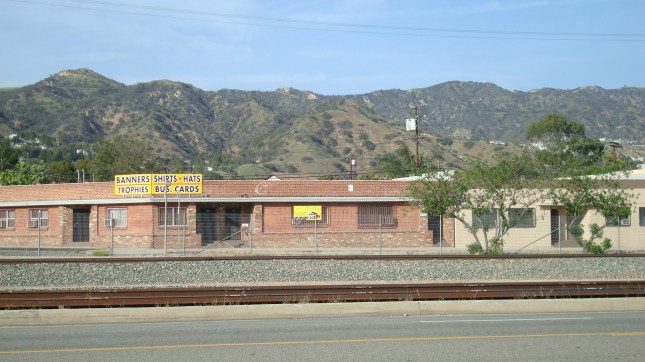
SF A2 Banners Hills

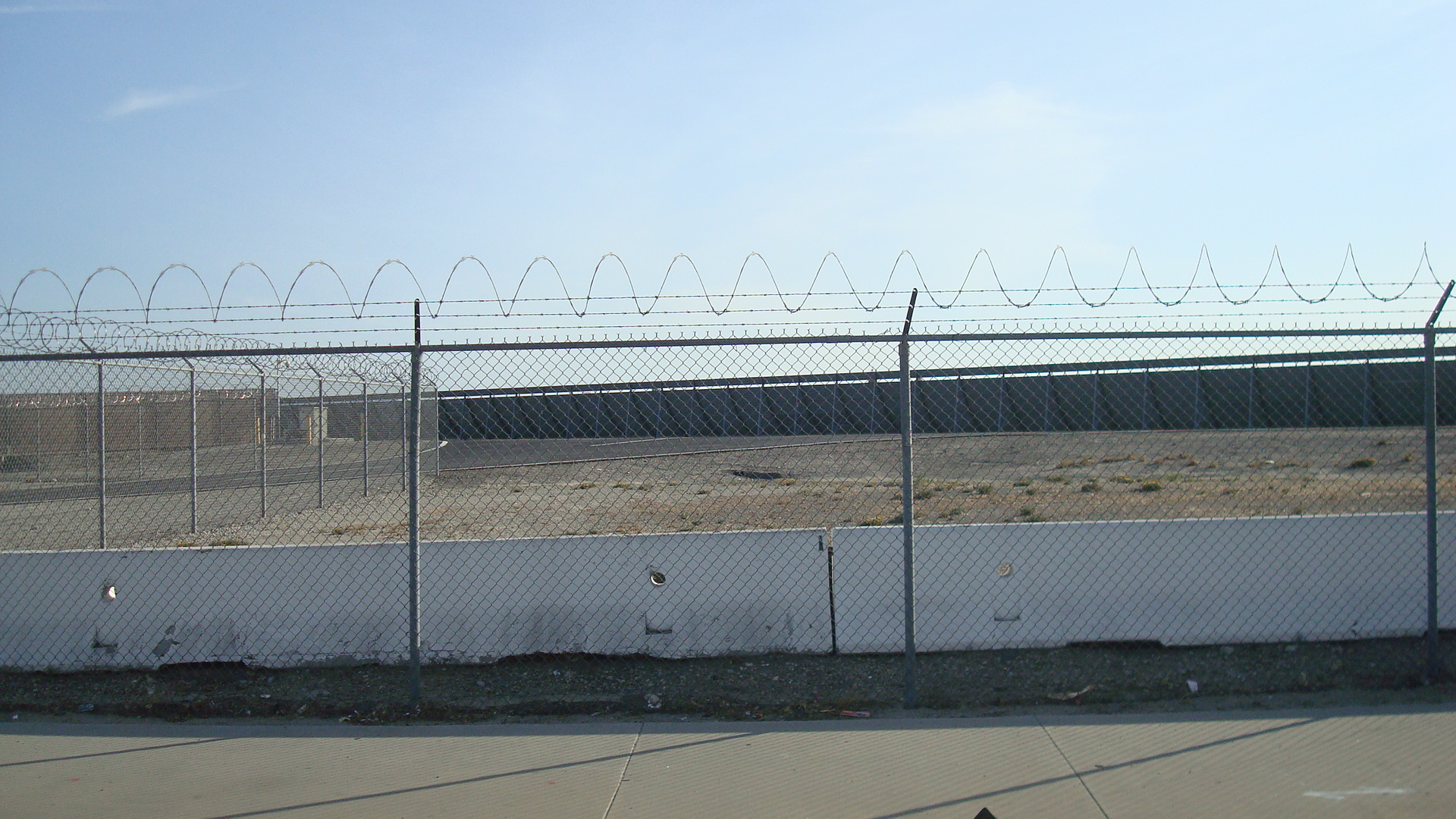
And Burbank Airport on the other.

SF A3 Airport (2)

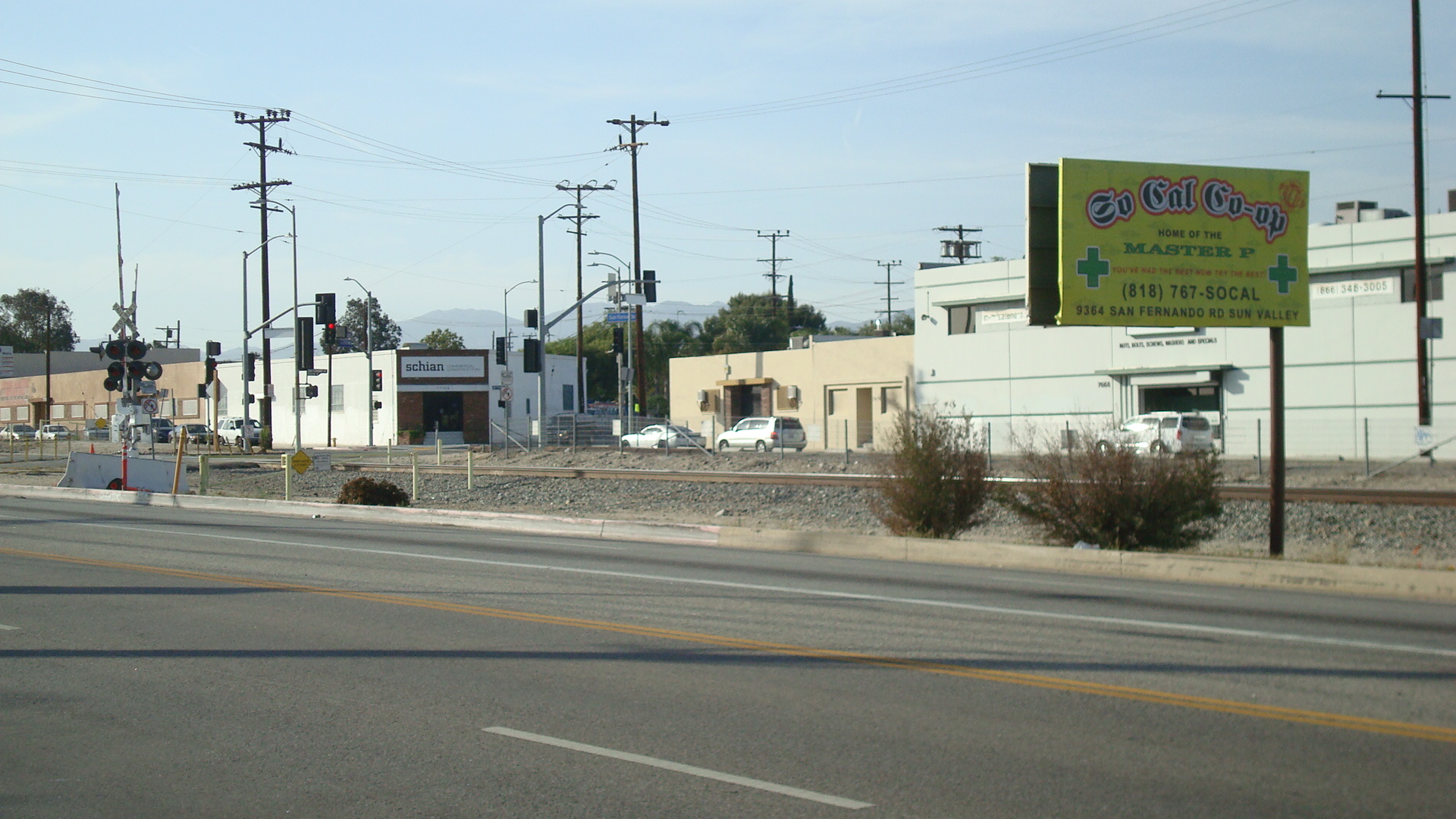
The road is lined mostly with one-story buildings.

SF A4 Coop

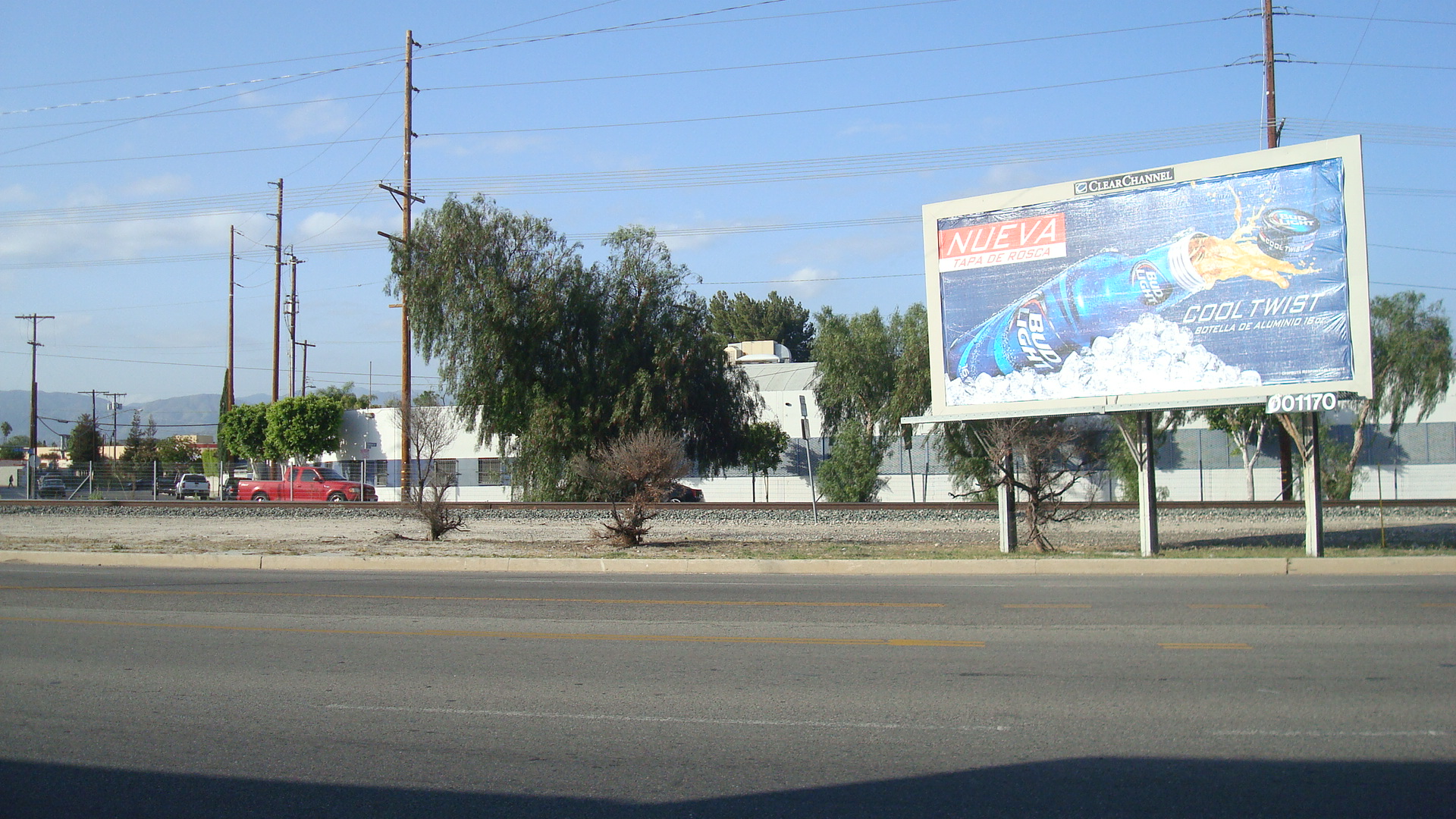
Here and there the monotony is broken by a few trees or a billboard.

SF A5 Beer

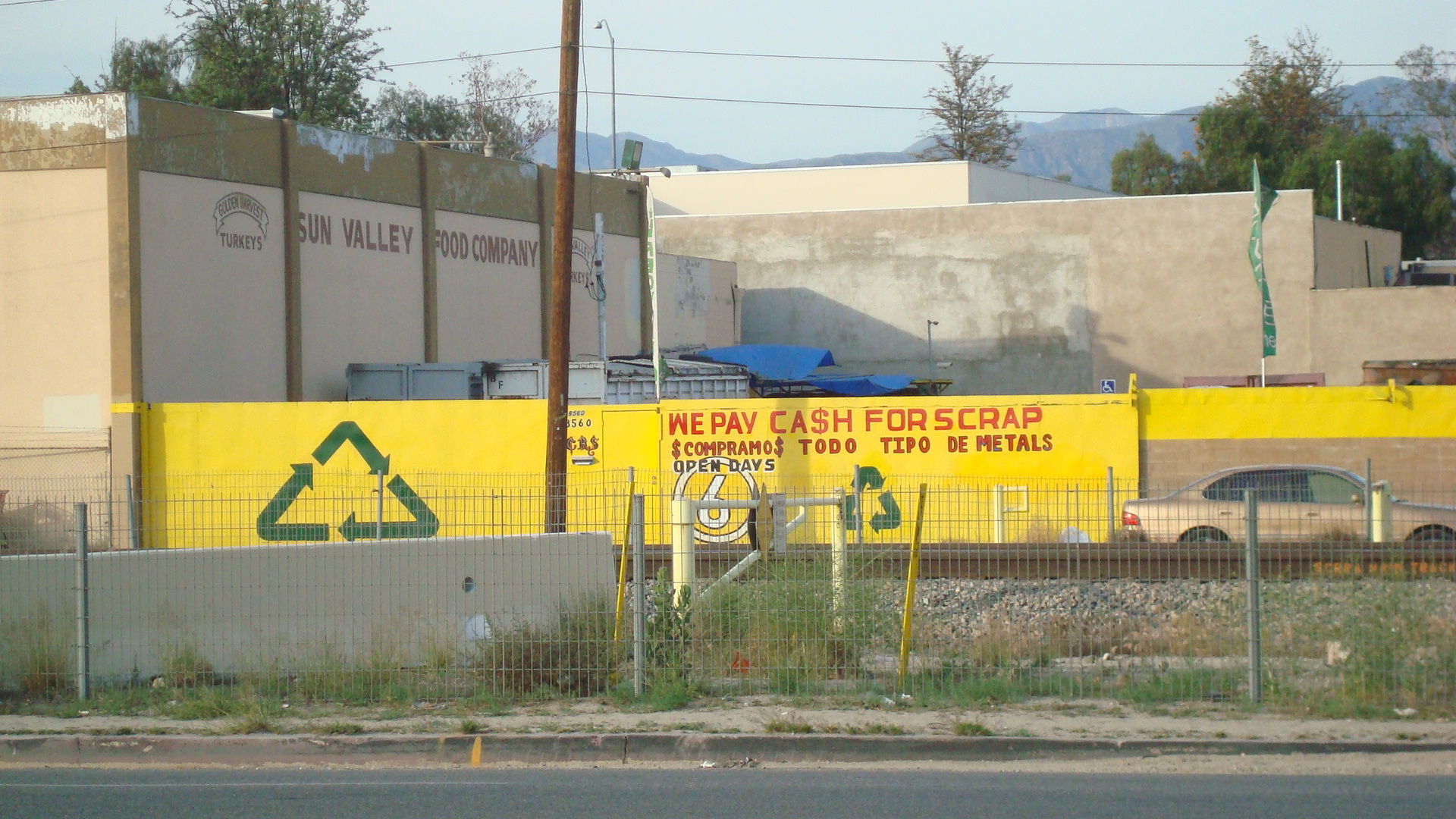
There are all kinds of businesses, many of them dealing with recycling things in one way or another.

a recycling center

a recycling center

La Raza Foods

La Raza Foods

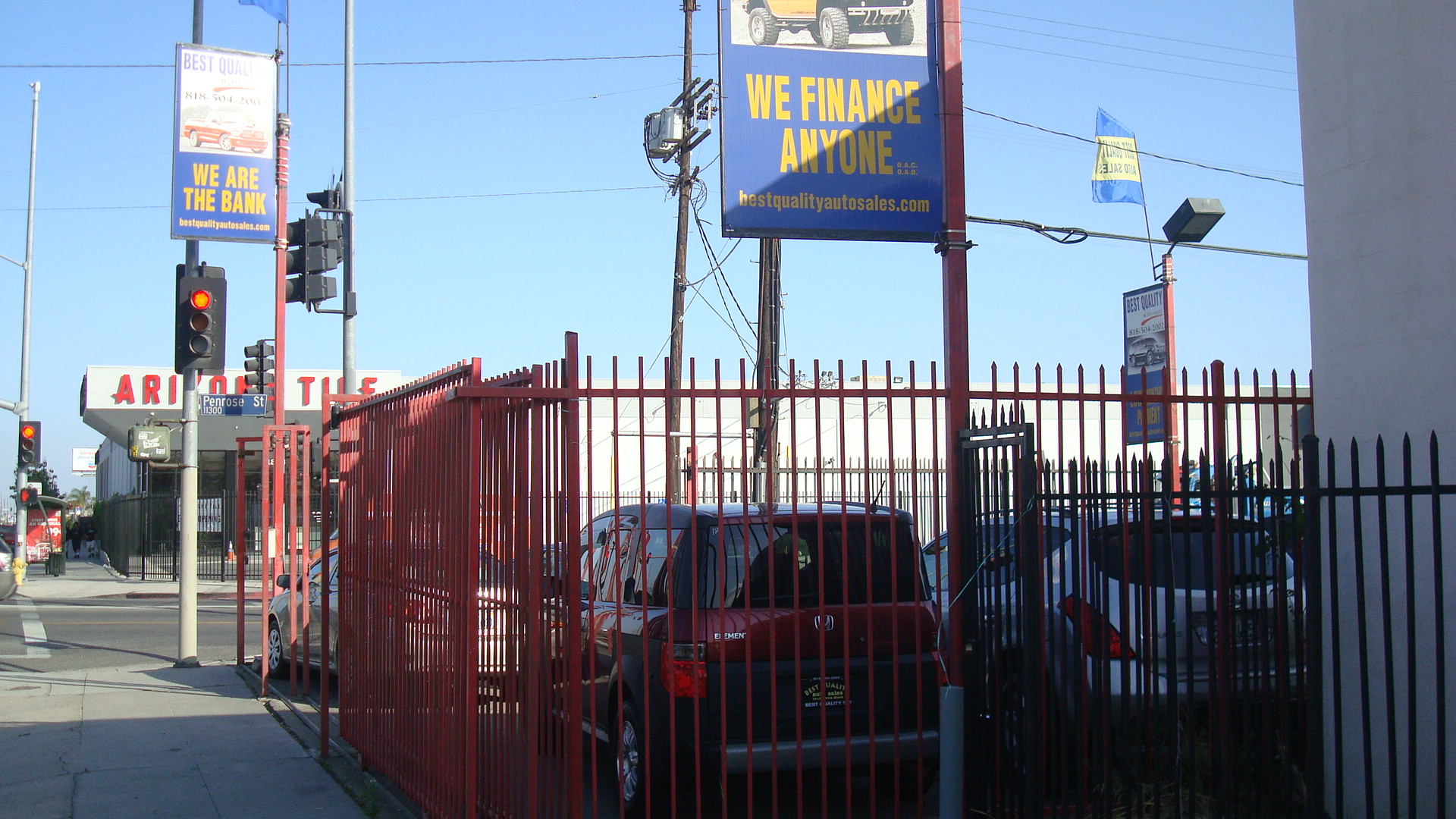
a used car lot

a used car lot

Lite-Weight Tool Mfg.

Lite-Weight Tool Mfg.

The Relic

The Relic

a neighborhood market

a neighborhood market

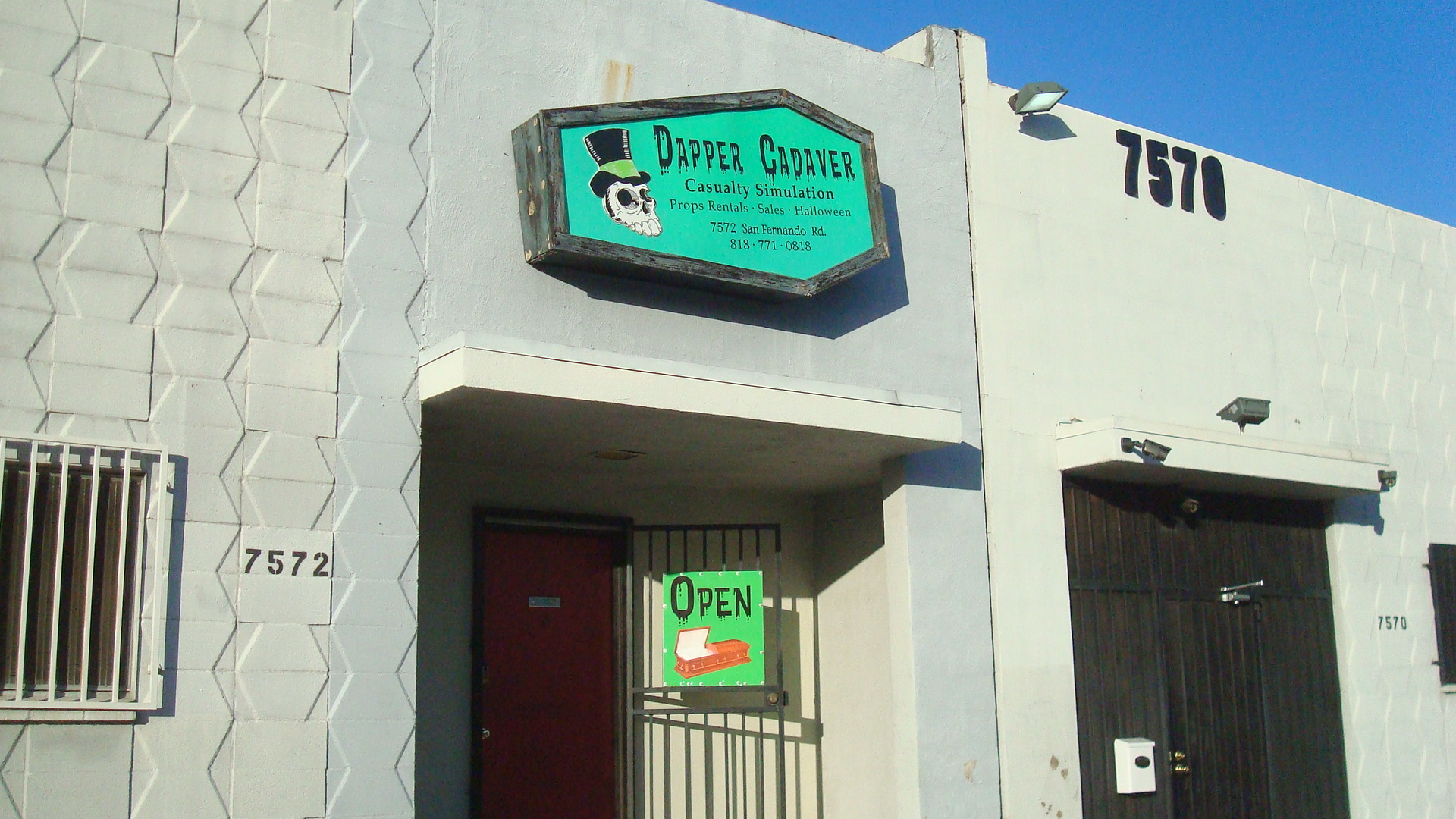
Dapper Cadaver
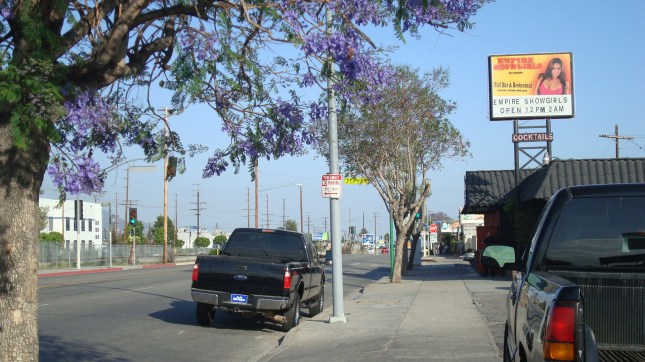
Dapper Cadaver

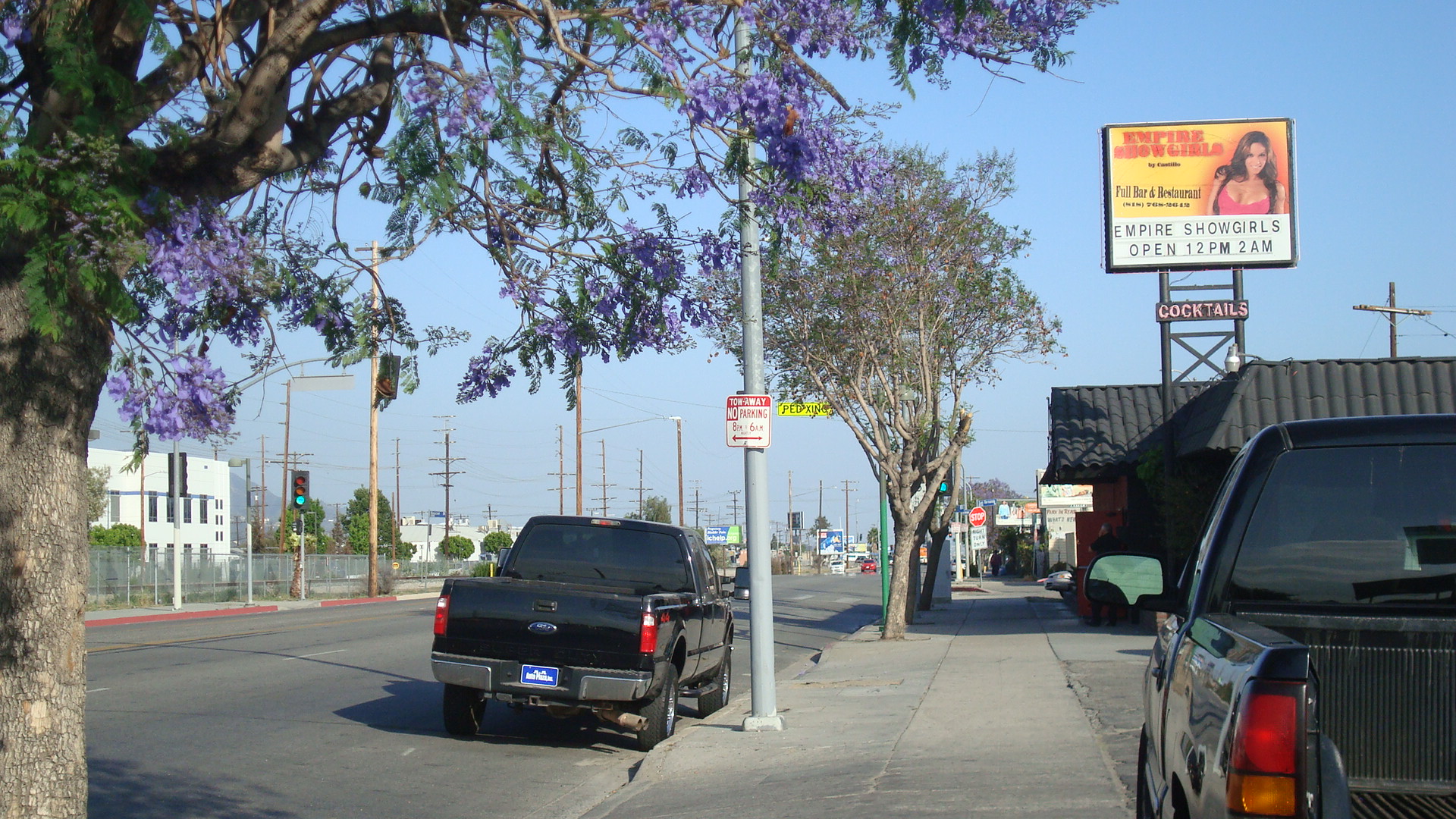
Empire Showgirls

Empire Showgirls

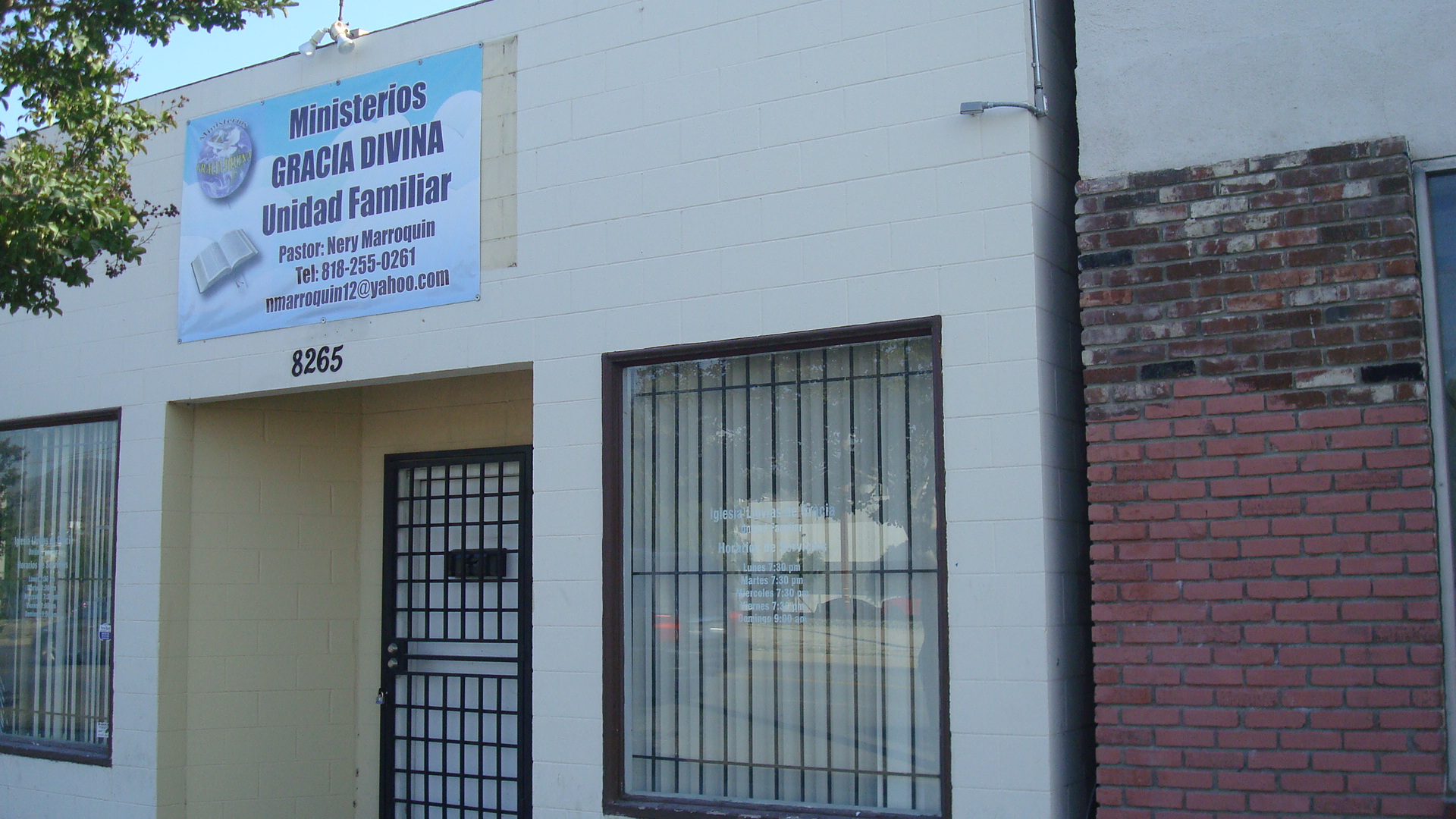
There’s even a couple of places for those seeking a spiritual experience.
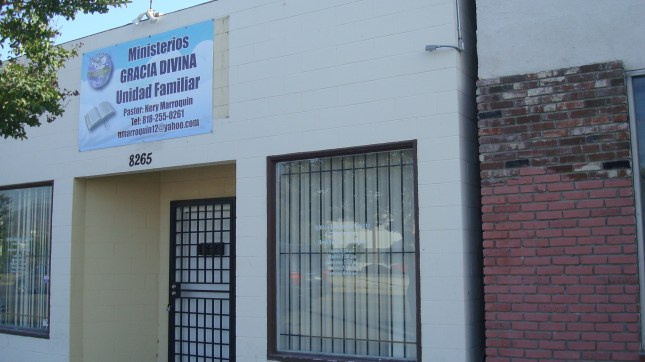
Ministerios Gracia Divina

Ministerios Gracia Divina

Burbank Islamic Center

Burbank Islamic Center

Security is obviously a concern.
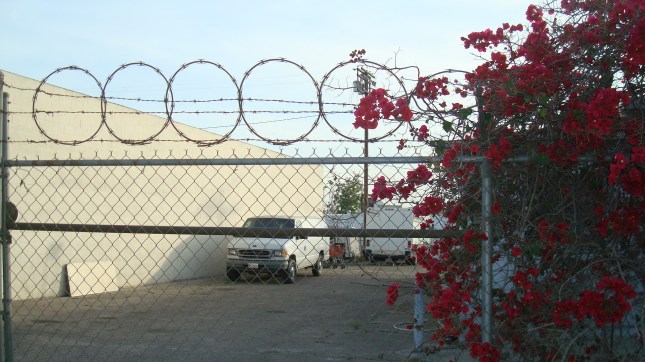
bougainvillea and barbed wire

bougainvillea and barbed wire

a guard dog eyes me suspiciously

a guard dog eyes me suspiciously

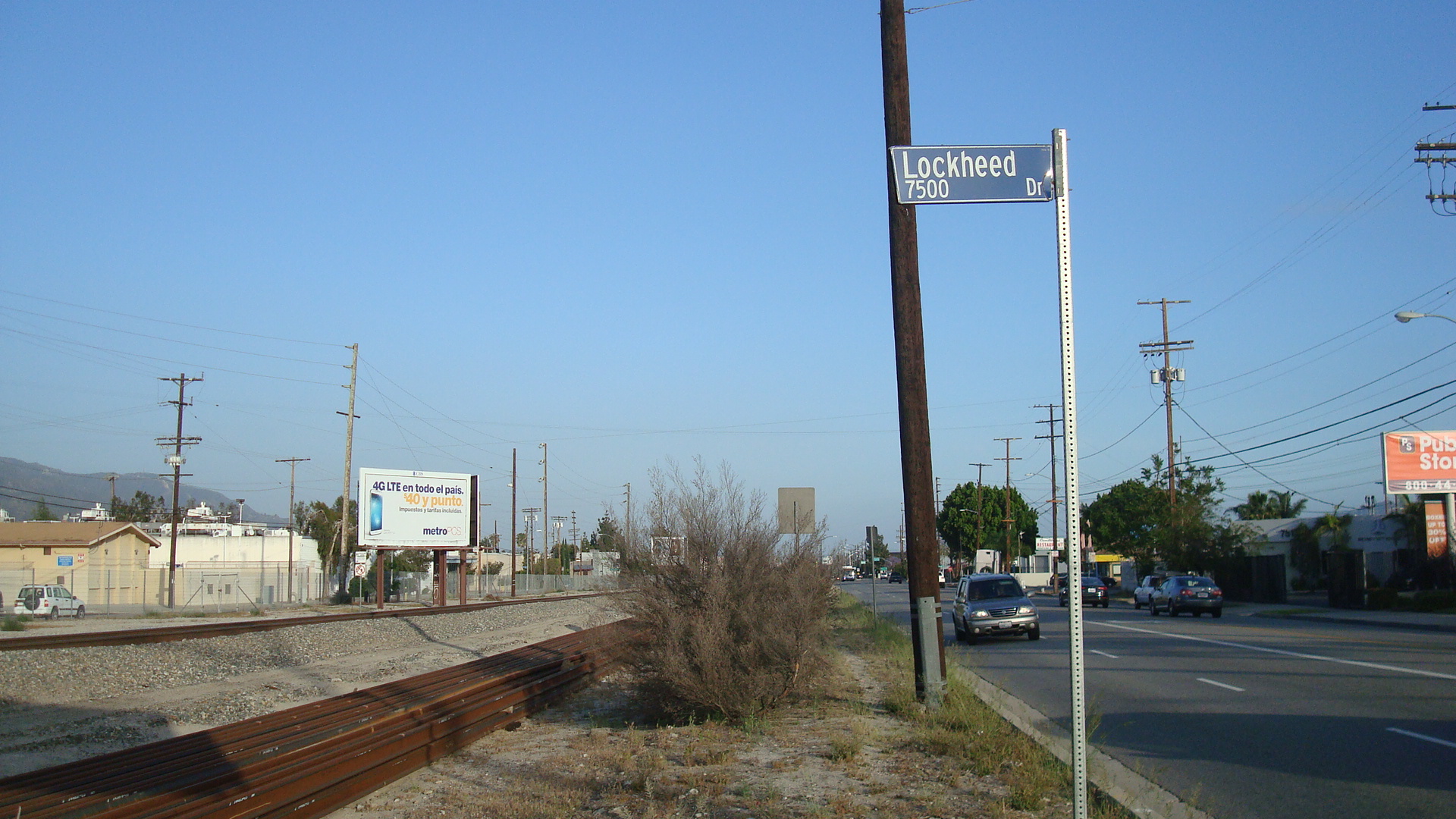
Here’s a relic from the past.

SF C3 Lckd 2

This is one of the few visible reminders of the days when aerospace was a major industry in the area. Lockheed came to Burbank back in the twenties. During and after WWII it employed tens of thousands of workers. The aerospace industry was a major factor in driving the post-war growth of the San Fernando Valley.

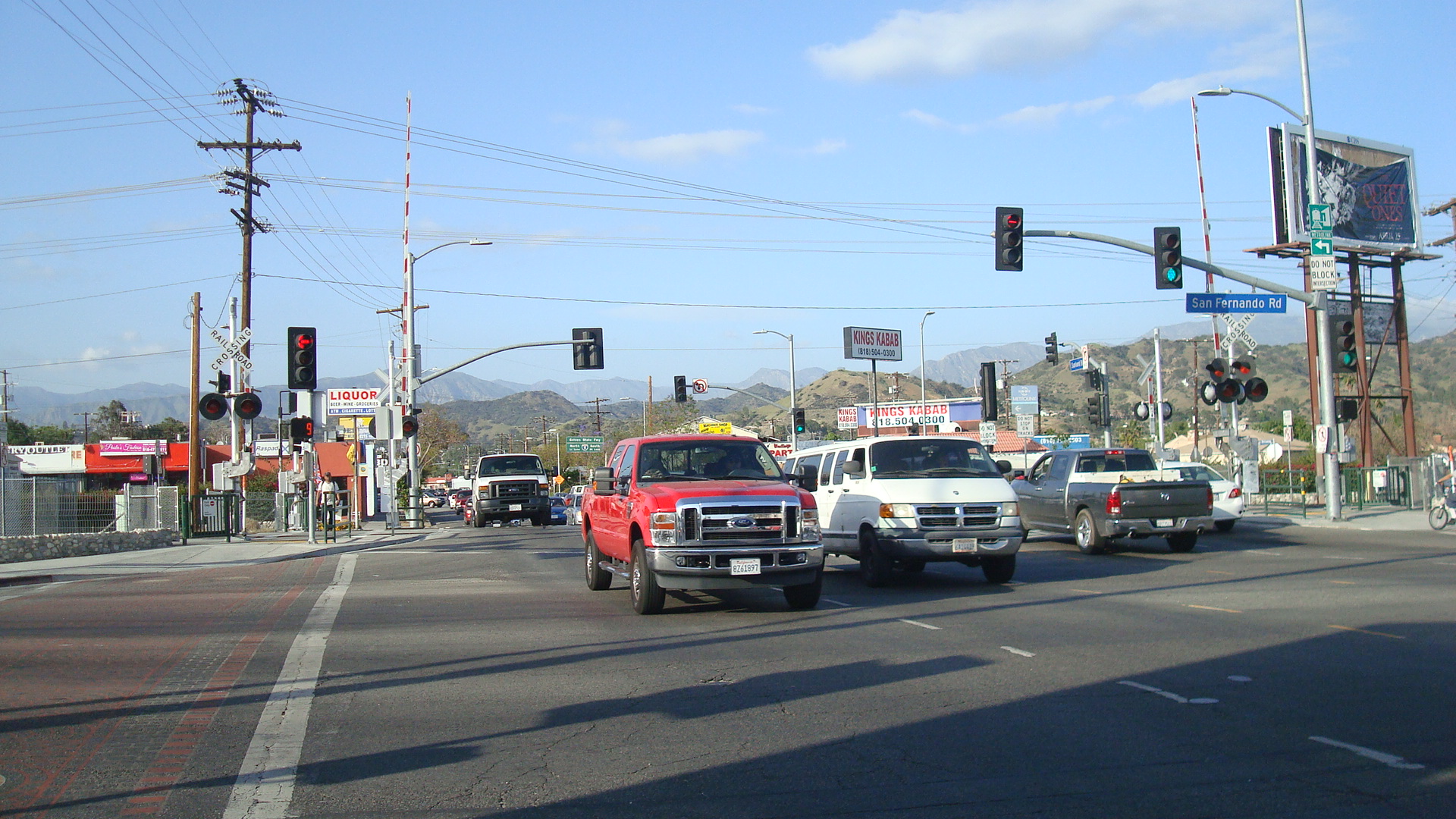
This is the intersection of San Fernando and Sunland.

traffic at San Fernando and Sunland
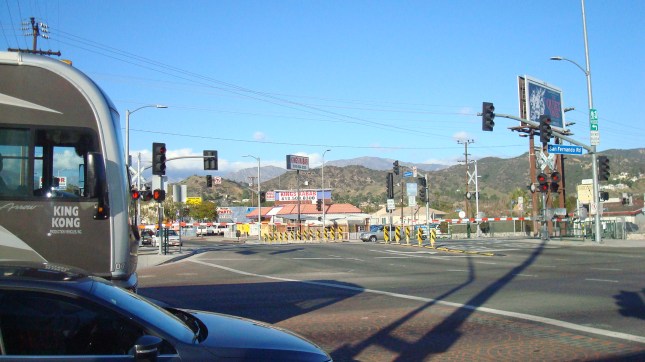
traffic at San Fernando and Sunland

another shot of San Fernando and Sunland

another shot of San Fernando and Sunland

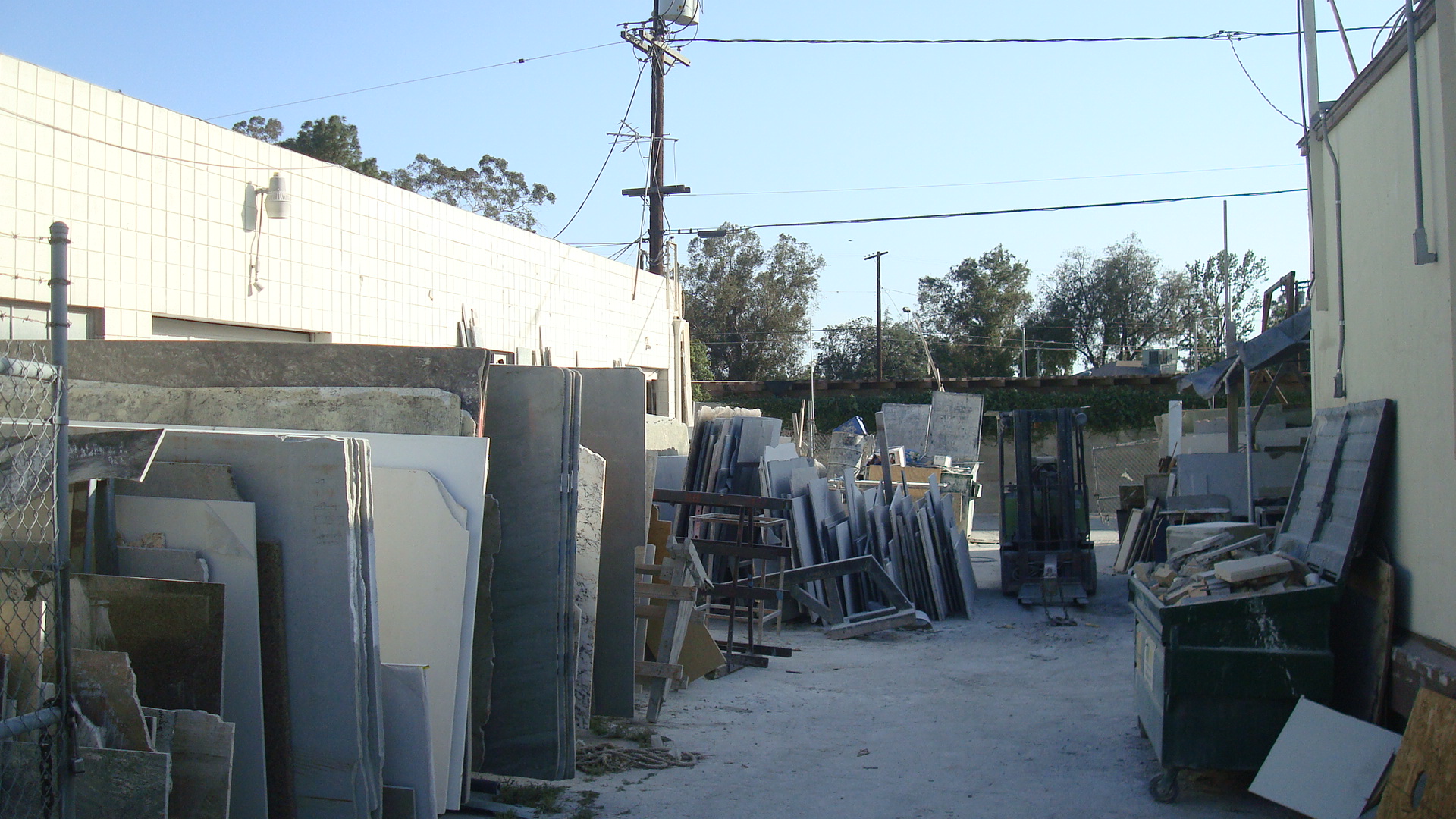
There are a lot of businesses that deal in stone, either polished or pulverized.

sheet rock

sheet rock

paving stone

paving stone

decorative stone

decorative stone

concrete, asphalt, sand and gravel

concrete, asphalt, sand and gravel

The railroad runs right down the middle of San Fernando Road.

tracks originally laid by  Southern Pacific Railroad

tracks originally laid by Southern Pacific Railroad

And here’s the Metrolink, a commuter train that serves Southern California.
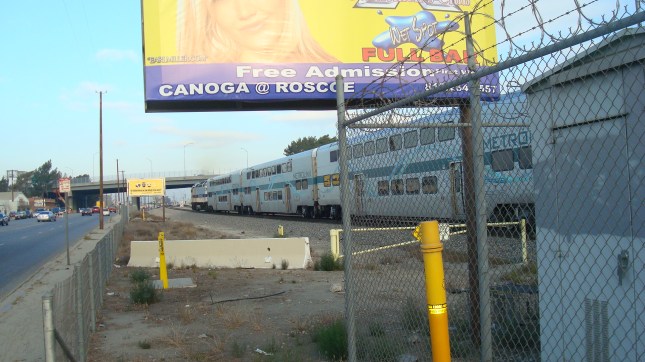
northbound Metrolink train

northbound Metrolink train

The entrance to the Golden State Freeway is on Tuxford just a short block from San Fernando. The next few shots were all taken along Tuxford.
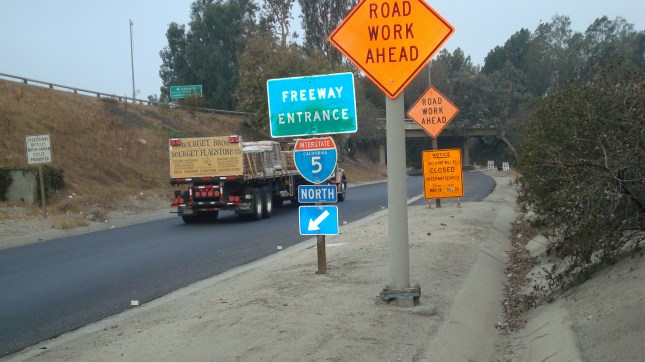
SF E1 Fwy Ent

You can see all kinds of trucks going up and down Tuxford.
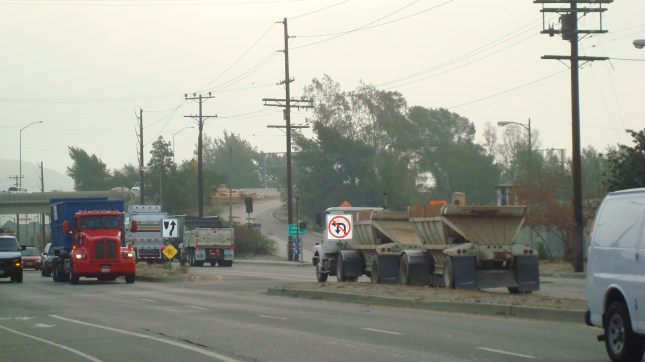
SF E2 Tux Trucks Fwy

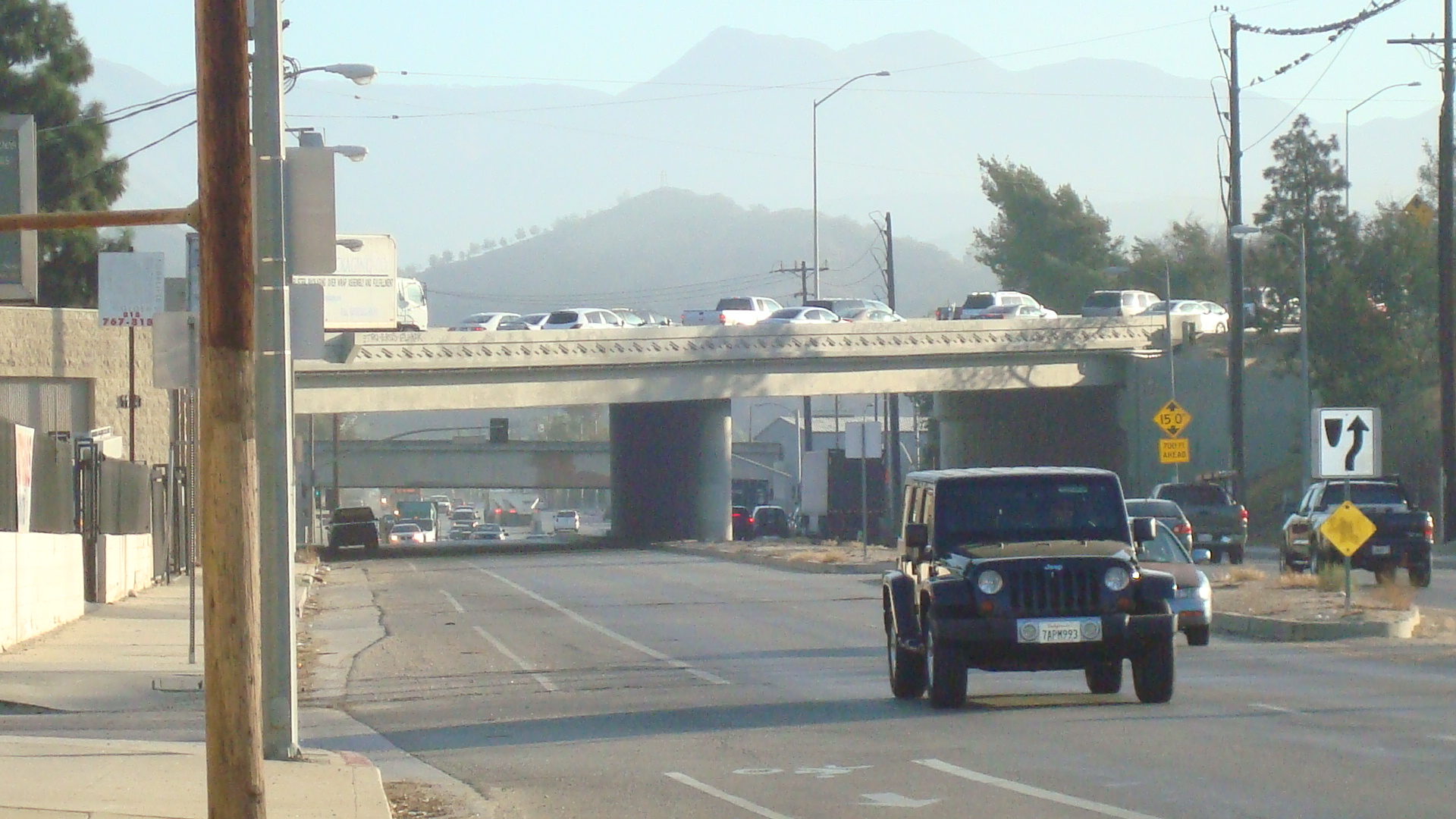
And you can see the traffic on the freeway gets pretty bad at rush hour.

SF E3 Tux Jeep Fwy

I have no idea what this is about, but it seems to be tied to a place that buys junk cars.

SF E4 Big Wheel

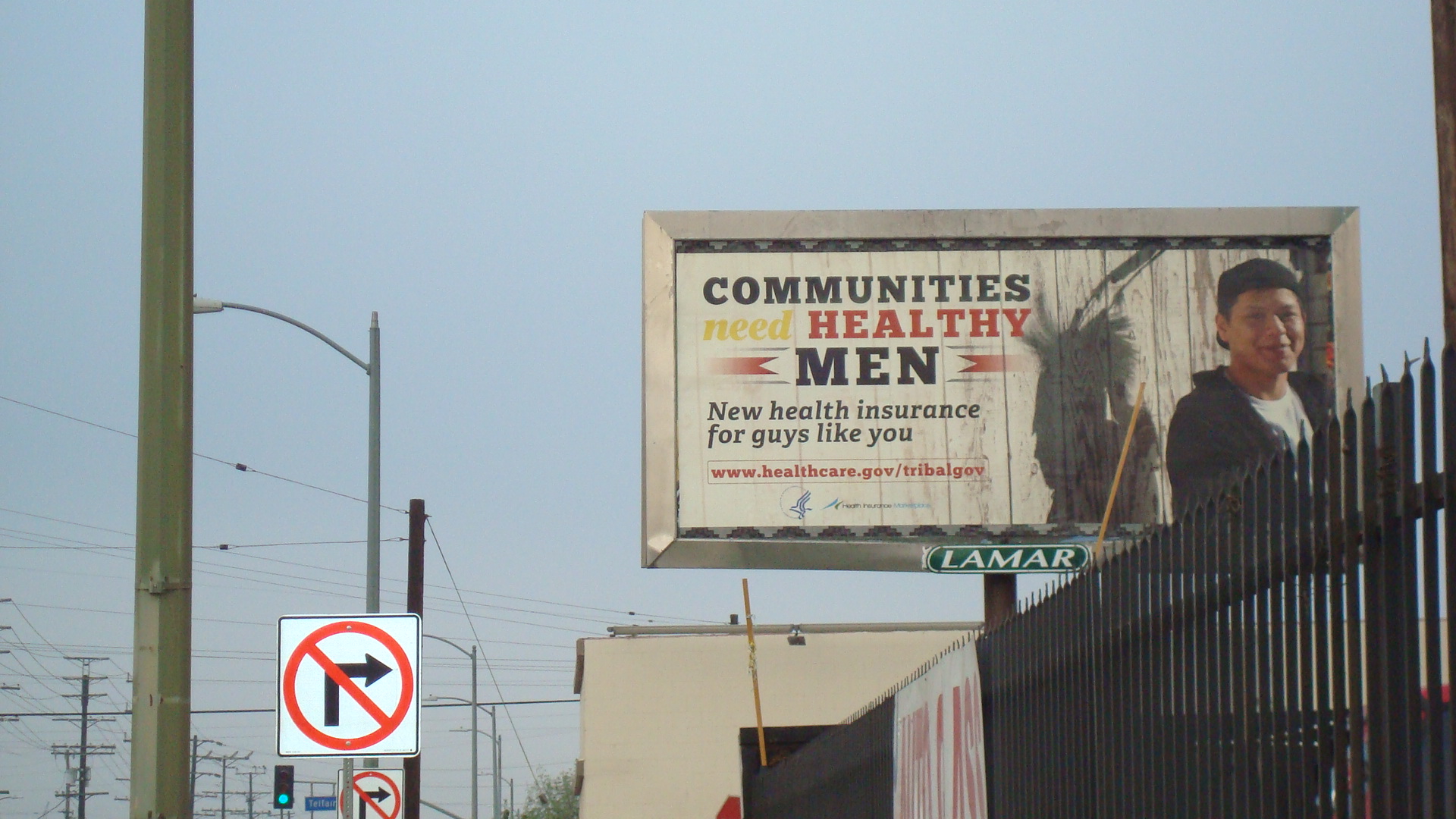
Lots of the billboards in this area carry public service announcements.

SF E5 Communities

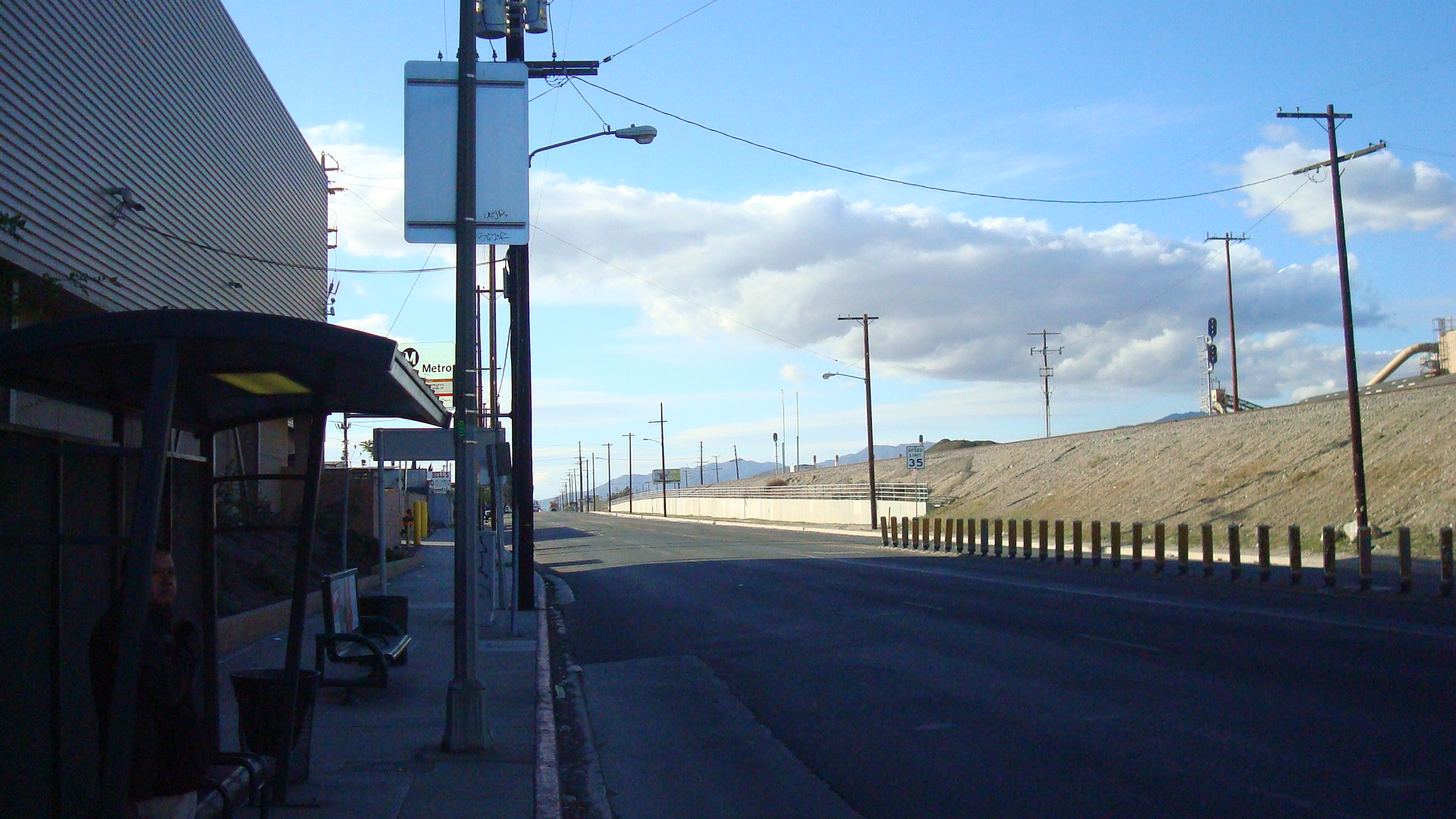
A shot of a guy waiting for the bus on San Fernando at Tuxford.
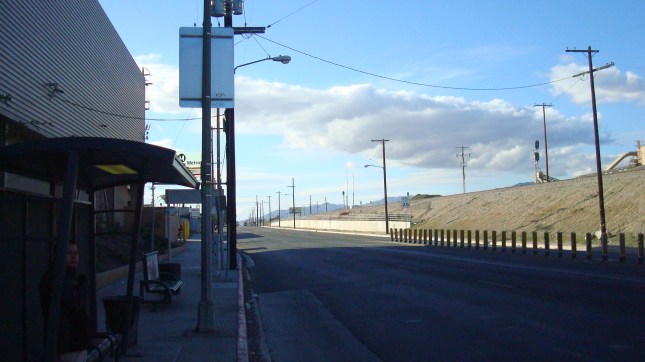
SF F1 Busstop Clouds

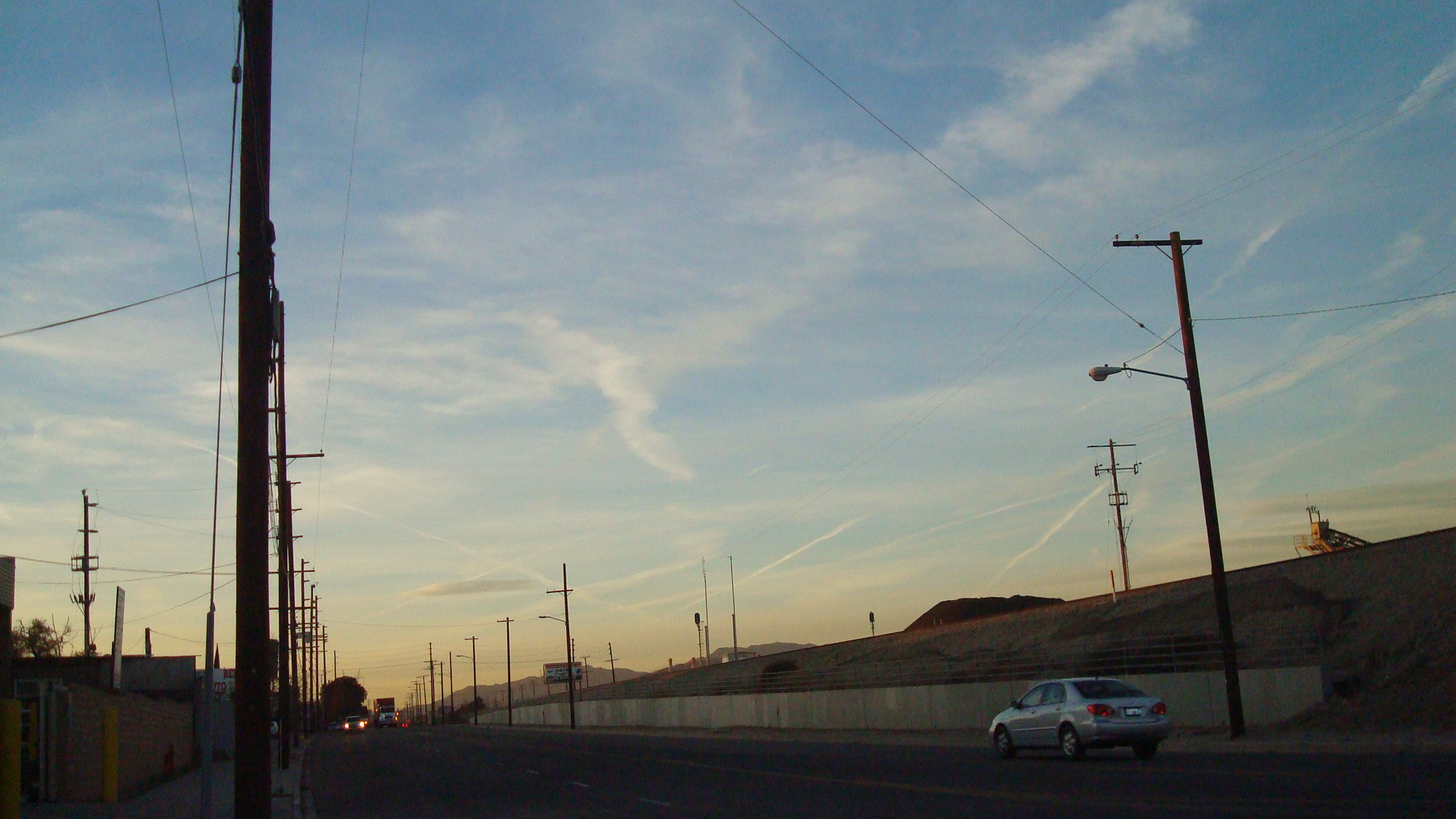
And this is what San Fernando Road looks like as the light starts to fade.

SF F2 Distance Twlght 2

How to Find the LA River

A view of the LA River in the late afternoon

A view of the LA River in the late afternoon

When I was a kid growing up in Burbank the LA River was a joke. It wasn’t a river at all. It was a huge concrete aqueduct with a tiny trickle of water running down the middle of it. Occasionally after heavy rains the water level would rise for a day or two. But it was nothing like the majestic waterways that flowed through other cities. It seemed like some kind of weird, synthetic excuse for a river, and it seemed perfectly in keeping with the image many people had of a LA as a weird, synthetic excuse for a city.
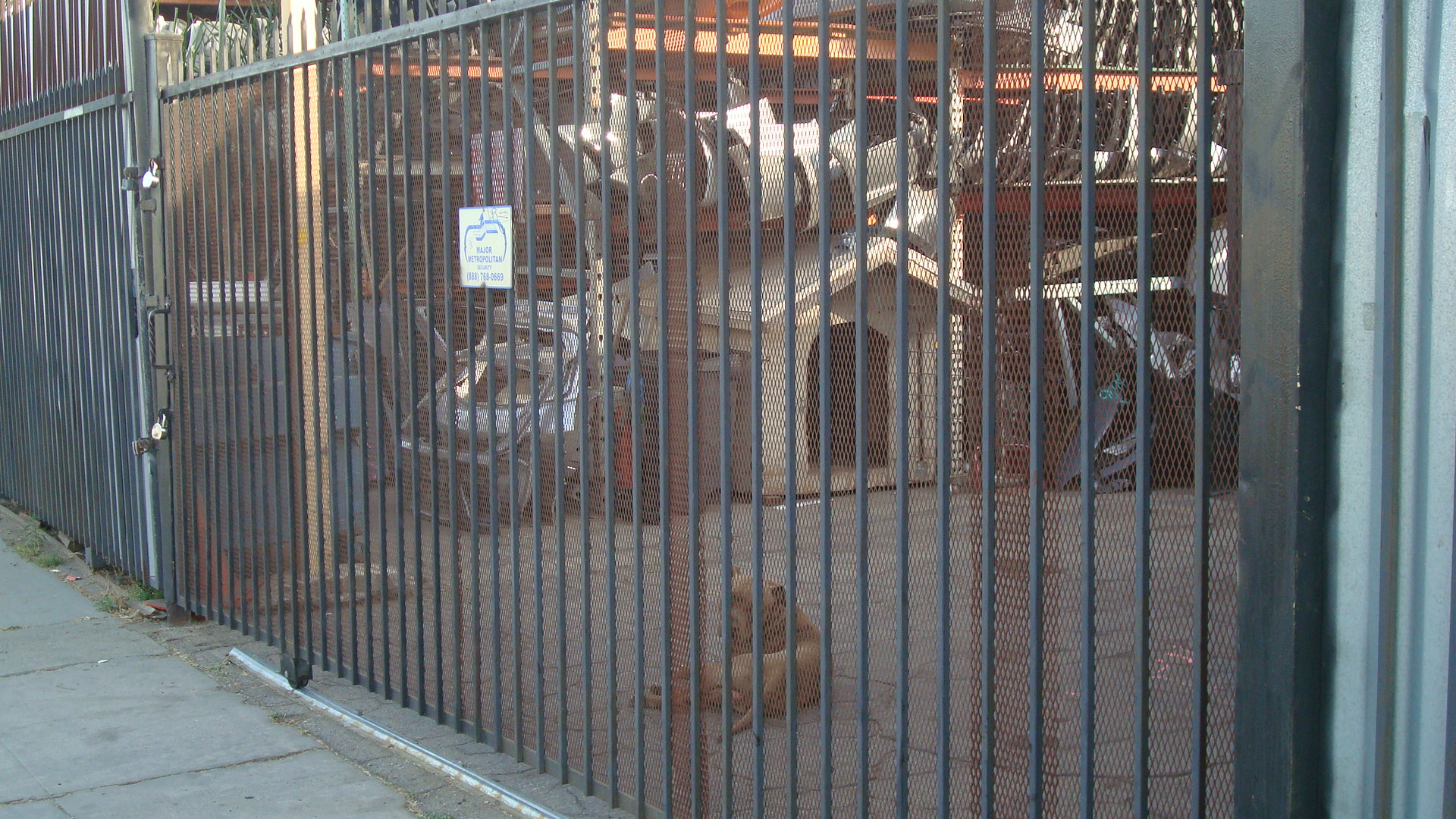
The LA River near Warner Bros. studios in Burbank

The LA River near Warner Bros. studios in Burbank

But over the years I’ve been hearing more and more about efforts to rethink the river. I understand now how important the LA River once was to the city, and I’m slowly beginning to realize how important it could be to LA’s future.

Back in the eighteenth century it was the source of water for the small settlement originally called El Pueblo de Nuestra Señora la Reina de Los Angeles. The river continued to provide most of LA’s water until the twentieth century, when the Owens Valley Aqueduct and the Colorado River Aqueduct were built. In the thirties, after a series of devastating floods, it was decided that the best thing to do with the LA River was encase it in cement. The US Army Corps of Engineers took charge, supervising one of the largest public works projects in US history. When it was done, the river had been transformed into a massive concrete channel.

But over the past twenty years or so, a growing number of people have been looking for ways to reclaim the river, to once again make it a vital part of the life of Los Angeles. It flows from Canoga Park across the Valley to the Glendale Narrows, and then winds through Downtown and continues all the way to Long Beach. In making that trip it is one of the few unifying factors in a city where residents often feel they have no connection to each other. It has the potential to become a vast linear park, winding its way through many of LA’s neighborhoods, providing a space where people could relax, enjoy themselves and connect with nature.

Lush greenery along the river as it runs through Griffith Park

Lush greenery along the river as it runs through Griffith Park

There are many groups involved in the effort to remake the river, but the one that’s been around the longest is Friends of the LA River.

FoLAR

If you’re interested in getting involved, there’s probably a group in your neighborhood that could put you to work.

A while ago I started taking photos of the river. It was an interesting exercise. I found that while the river has been there all my life, and I’ve crossed it at one point or another every day for decades, I’ve never taken the time to look at it. How many times did I drive past Balboa Park without ever realizing that the LA River runs right through it. I lived in Silverlake for a few years, and used the Hyperion Bridge regularly, but I never looked down to see what was below. And I’ve crossed the bridges east of downtown LA a million times, rarely pausing to take more than a glance at the river running underneath.

So if, like me, you haven’t paid much attention to the LA River, maybe you should take a walk down to the banks some time. You might be surprised at what you find.

Trees crowded around the river in Balboa Park

Trees crowded around the river in Balboa Park

Another shot of the park facing toward Balboa Blvd.

Another shot of the park facing toward Balboa Blvd.

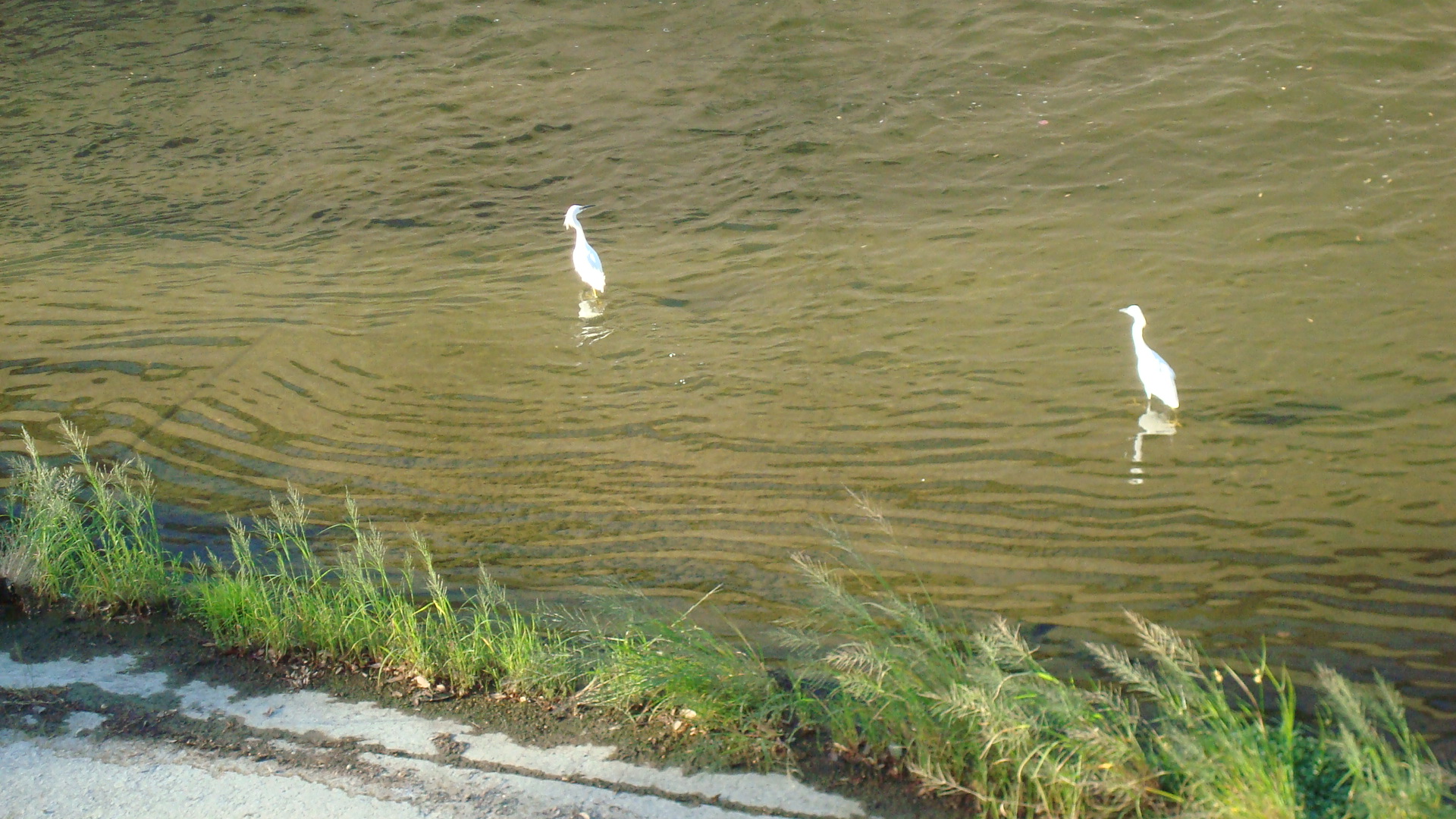
Ducks on the river in Sherman Oaks

Ducks on the river in Sherman Oaks

More birds on the river as it flows through Sherman Oaks

More birds on the river as it flows through Sherman Oaks

Another shot of the river on the edge of Griffith Park

Another shot of the river on the edge of Griffith Park

Facing west on the outskirts of Griffith Park

Facing west on the outskirts of Griffith Park

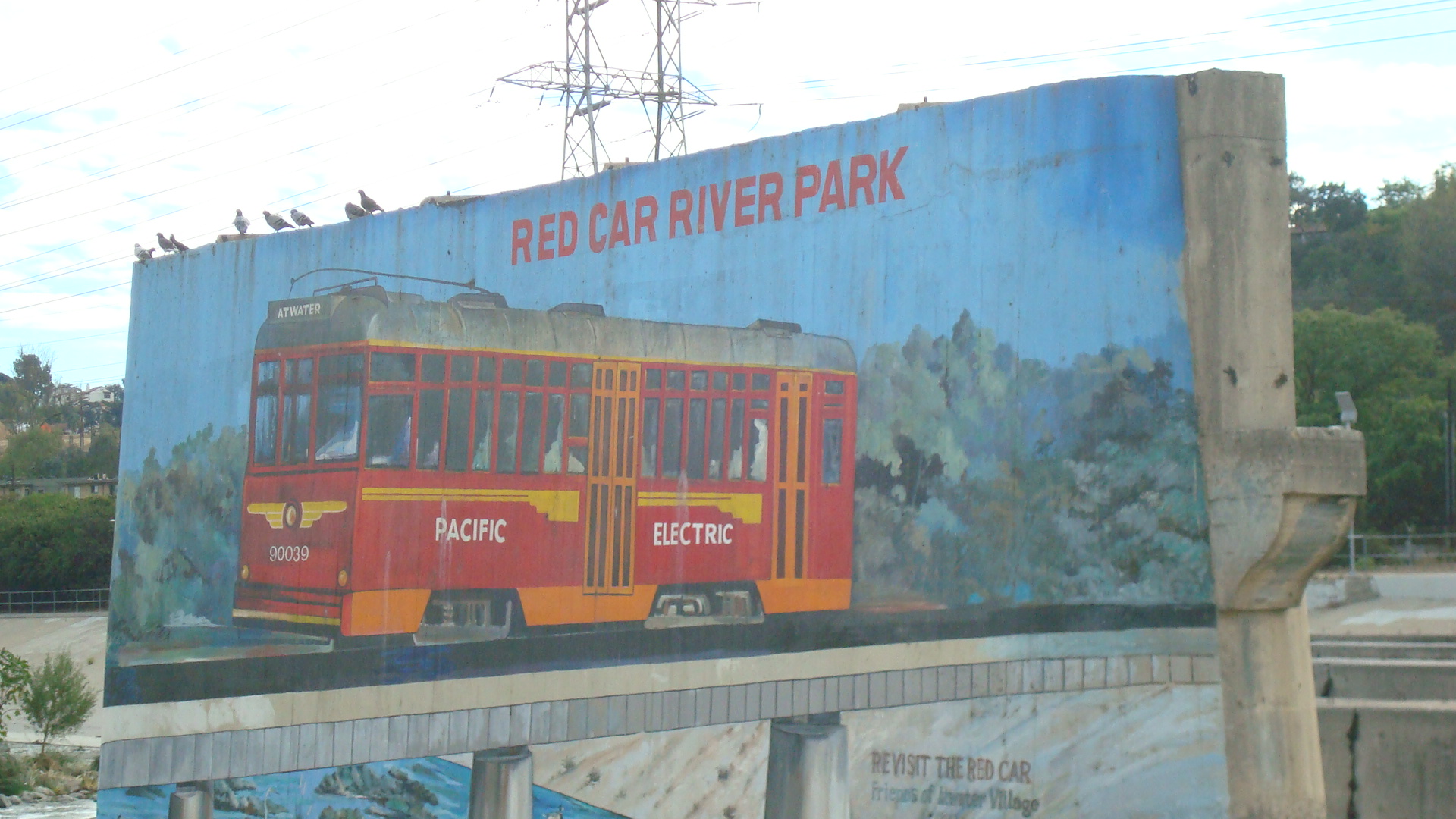
A mural marking a tiny, but cool, park in the Glendale Narrows

A mural marking a tiny, but cool, park in the Glendale Narrows

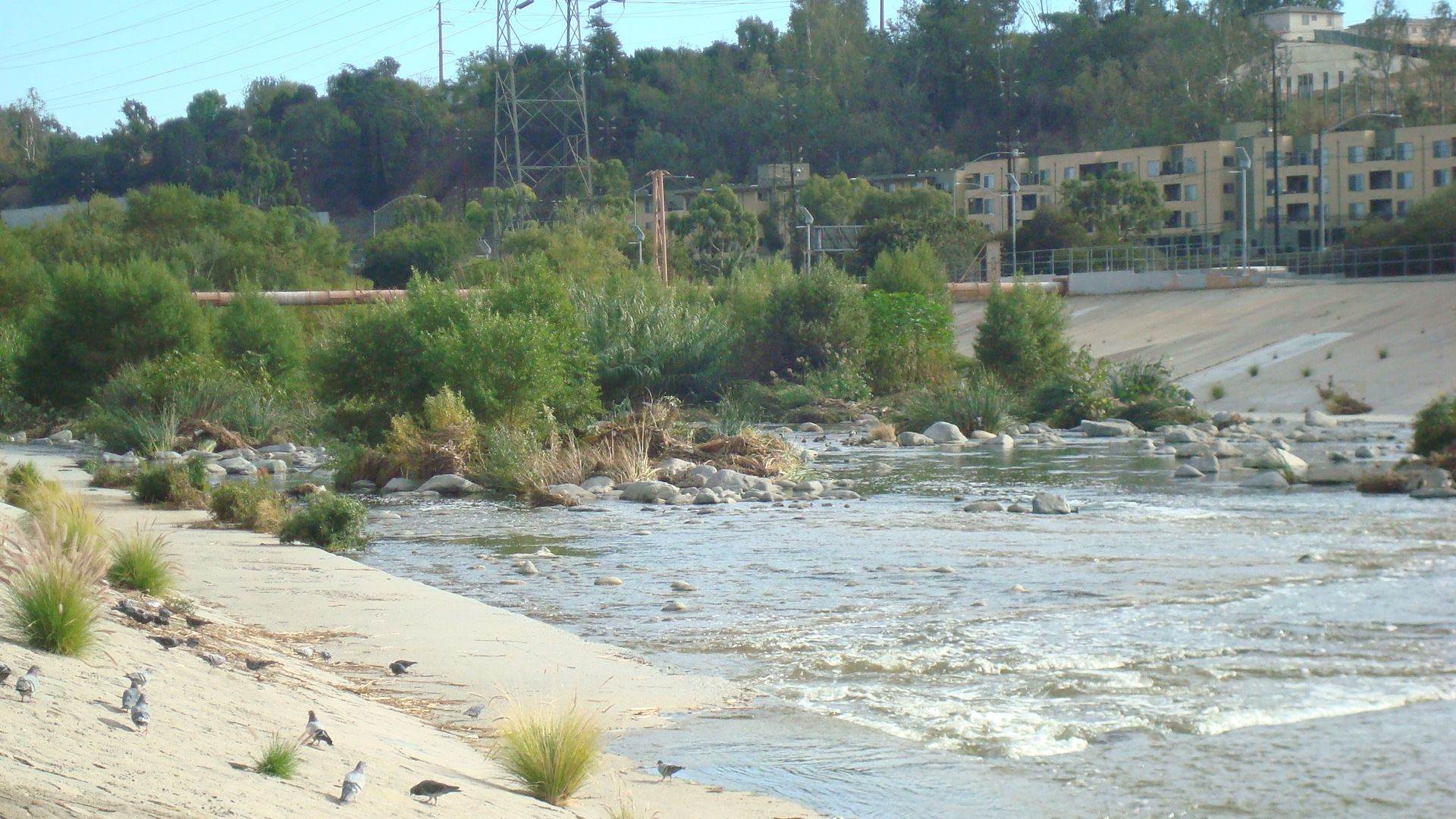
The Glendale Narrows, just below Atwater

The Glendale Narrows, just below Atwater

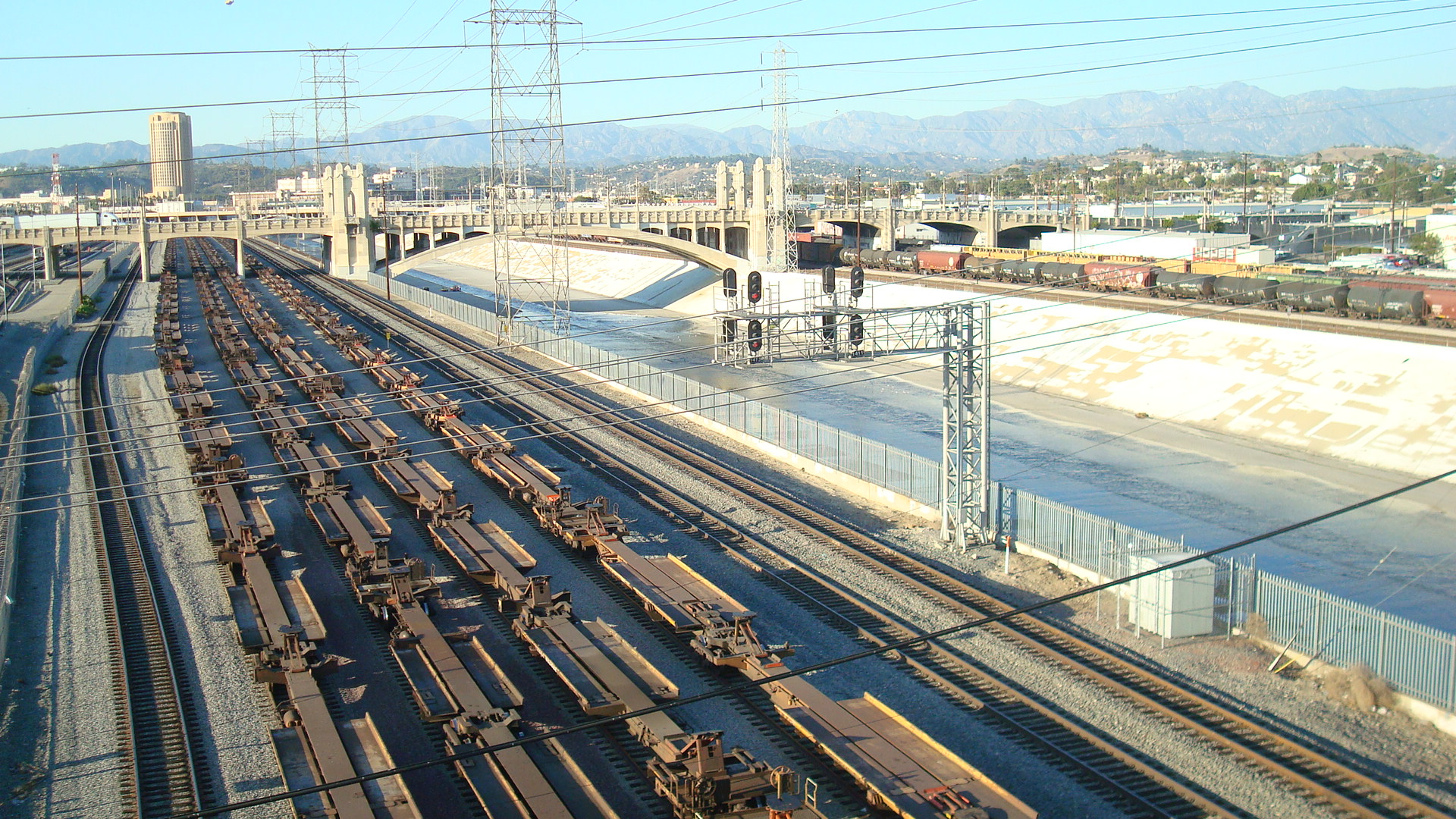
The river flowing past the railyards at the edge of Downtown LA

The river flowing past the railyards at the edge of Downtown LA

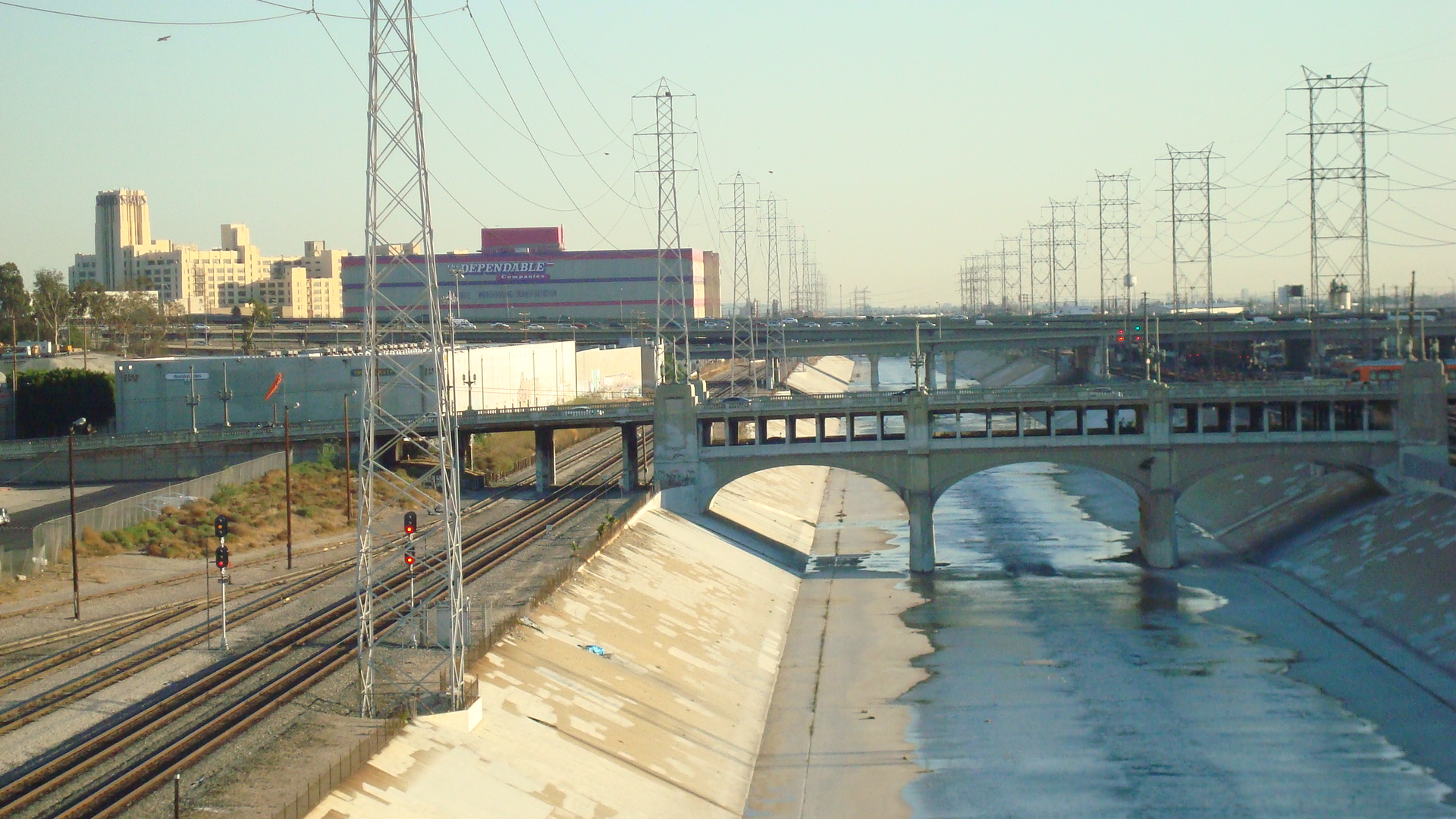
The river heading out of Downtown LA, on its way to Long Beach

The river heading out of Downtown LA, on its way to Long Beach

Trading Trees for Astroturf

The hillside opposite Harvard Westlake school that will be removed if their planned project goes forward.

The hillside opposite Harvard Westlake school that will be removed if their planned project goes forward.

Isn’t traffic on Coldwater Canyon bad enough already? Because of LA’s unusual geography, there are only a few corridors that drivers can use to go from the city to the valley and vice-versa. Coldwater is one of those roads. Originally a quiet ride through a scenic canyon, in the last few decades Coldwater has become a major route for commuters going to and from work. Under ordinary circumstances, congestion is a problem during the work week. But for several months now the back-ups have been worse than usual because the DWP has been replacing an aging pipeline. Residents of Sherman Oaks and Studio City are understandably frustrated.

Now the Harvard Westlake School, which is located on Coldwater just a few hundred yards from Ventura Blvd., has decided it wants to expand. They have let the community know that they plan to build a three level parking structure on the hillside directly opposite the school. On top of the parking structure will be a playing field, illuminated by powerful lights during night games, and a pedestrian bridge to connect that structure to the school’s main campus.

As you might imagine, local residents are freaking out. Traffic is one concern, but just as important is the damage this project will do to the environment. In order to build the parking structure, the school will have to remove a large chunk of the hillside, including scores of trees. If you want more detailed information, follow the link below.

Save Coldwater Canyon

At this point the Draft Environmental Impact Report is being circulated. The City of LA will be accepting comments on the DEIR until Nomember twenty fifth. Also, the Studio City Neighborhood Council will be meeting on November seventh, and they will hear comments from the public at that time. But I would imagine that there are a number of people who live outside of the immediate area that might be concerned about the traffic and environmental impacts. If you think this plan is unacceptable, please contact your city council rep and tell them so. Click on the link to access the city council directory.

LA City Council

Traffic on Coldwater Canyon heading towards Ventura Blvd., just after six pm on a Wednesday evening.

Traffic on Coldwater Canyon heading towards Ventura Blvd., just after six pm on a Wednesday evening.