The “No-Plan” Olympics

Forget about planning for the 2028 Olympics.

UPDATE: This post was originally written prior to the LA City Council meeting on Feburary 21. The item about expediting projects for the Olympics was continued, and will now be heard on Friday, February 28. PLEASE NOTE: This meeting will be held at Van Nuys City Hall, 14410 Sylvan St. Van Nuys. You can also call your councilmember to express your views.

***

When the politicians at LA City Hall first approved hosting the 2028 Olympics, they said LA wouldn’t need to build new sports venues or new infrastructure. A post on the LA28 web site says that “The LA28 Games are designed to fit the city as-is [….]”. The talk was that this would be a “no-build” Olympics. The post goes on to say….

As a global leader in sports, entertainment and technology, LA is built to host large-scale, sustainable, global events that benefit everyone and will be the first-ever Games to not build permanent infrastructure. [Emphasis added.]

Well, anybody who believed that obviously hadn’t spent much time around City Hall. Now the LA City Council apparently wants to build a whole lot of new stuff, and they want to be able to build temporary and permanent venues, training facilities, broadcast and media centers, transit infrastructure, and other projects that could be associated with the Olympics or the Paralympics without having to receive planning approvals, obey zoning regulations, observe height restrictions or setback requirements, or any other regulations that could delay construction. You can read the language from the motion yourself. (Council File 15-0989-S47)

This is just crazy. But tomorrow, Friday, February 21, the City Council will likely approve this motion directing City departments to prepare an ordinance to make this crazy idea a reality. If the ordinance is approved, you can bet we’ll see a barrage of new projects being justified because they’re supposedly associated with the Olympics or the Paralympics. These projects will be approved with no public engagement and no environmental review. In other words, once they’re proposed, they’re approved. And don’t be surprised if they use this to greenlight Frank McCourt’s Dodger Gondola project.

In other words, this has gone from being the “no-build” Olympics to being the “no-plan” Olympics. It was pretty clear even before this that our elected officials were in over their heads. Now it seems they’re trying to dig themselves out by eliminating planning, eliminating environmental review, and cutting the public out of the process.

If you have something you’d like to say to the City Council about this, the best thing to do would be to show up at City Hall before 10:00 am tomorrow, Friday, February 21. (You can’t call in anymore, because Council President Marqueece Harris-Dawson doesn’t want you to.) If you can’t make it down there, I suggest you call your council office when they open tomorrow morning and let them know how you feel.

City of LA Elected Officials

It’s been clear for a long time that the folks at LA City Hall don’t care about planning. Now they apparently aren’t even trying to pretend they care.

Have Developers Been Pushing Back against Laws that Would Restrict Building in Fire Prone Areas?

Image from Cal Fire Update, January 9, 2025

As LA struggles to deal with the massive devastation of the recent fires (which are still not completely contained), I wanted to repost this article from The Lever, which argues that developers and real estate interests pushed back against efforts to limit development in fire prone areas. You have to sign up to read it, but it’s free, and it’s an interesting read.

The Architects of L.A.’s Wildfire Devastation

It reminded me of the debate over SB 610, recently introduced in the California Legislature by State Senator Scott Wiener, which would have radically changed the approach to fire hazard rankings in California. Opponents saw it as an attempt to allow new development in areas where wildfire risk is high. The bill was not approved, but supporters have said they’ll try again.

As I said in my previous post, I believe we need careful review of new projects in areas where there’s a risk of fire. The fires that burned across LA this month resulted in lost lives, lost homes and lost businesses. We need to do everything we can to make sure a disaster like this doesn’t happen again.

Thoughts on LA, Fires and the Future

Map of current fires in LA area from Cal Fire, as of January 12, 2025

If you’re looking for updates on the fires in LA, this post won’t offer anything you haven’t heard already. The LA Times, Daily News, and local news stations have been doing an excellent job reporting on the situation. I’m writing this post because I want to talk about what comes next. While the fires are still burning, and may continue to burn through next week, we do need to start talking about the future of LA. And I think the best way to start talking about the future is to begin with the past….

The City of LA was built on real estate speculation. To some degree, this is true of most cities, but it’s especially true of Los Angeles. Writers have commented on the fact that this area lacks a number of the things that are generally the basis for large scale development, most fundamentally a reliable source of water. Nor did the City of LA initially have a port, and only gained one by annexing San Pedro in 1909. That area is only tenuously connected to the rest of the city by a narrow, 20-mile corridor that’s basically just a rail line.

LA did have oil. Drilling began in the 19th century, and in the early 20th century large sections of the city, including Downtown, were covered with oil wells. But real estate investors saw huge amounts of money to be made by residential and commercial development, and gradually most oil wells were either shut down or hidden. (The majority of wells that are still visible are located in the southern part of LA, and the low-income communities that are impacted don’t have the political clout to shut them down.) The real estate investors promoted Los Angeles aggressively, putting ads in newspapers nationwide, essentially selling the climate. LA had lots of sun and little rain. People came, but the investors knew that to sustain new development they’d need to bring more water to the area. The LA Aqueduct was completed in 1913, after business interests used dishonest means to buy up the rights to the Owens Valley’s water resources. As the city continued to grow, LA snagged more water from the Colorado River with the construction of Hoover Dam during the Depression. Then came the construction of the California State Water Project, which extended from the 50s through the 70s. The bottom line is, the City of LA is only able to support a population of almost four million people because it imports about 90% of its water from areas that are hundreds of miles away.

I’m talking about the way LA was built because I think it’s important to understand the city’s history in talking about the fires that have devastated LA’s communities. Real estate investors built LA because there were fortunes to be made. In the first past of the 20th century, the only efforts at planning were driven by investors looking for profit. In the second half of the 20th century, there was more of an effort to plan for growth, but efforts at responsible planning were often overridden by the same investors looking for more profits. In the 21st century, there’s a lot of talk about planning at City Hall, but really most of it boils down to upzoning large swaths of the city to promote more growth. Planning in the City of LA is still largely driven by investors and their lobbyists. If you don’t believe me, please read up on the recent convictions of former Councilmember Jose Huizar, former Deputy Mayor Ray Chan and others who were caught up in a massive scandal involving bribery, fraud and racketeering. And if you think those convicted were the only ones involved, it’s important to remember that projects backed by Huizar were almost without exception unanimously approved by the LA City Council.

Image from Cal Fire Update, January 11, 2025

The point here is that development in LA is not driven by responsible planning. Development in LA is driven by money. If you want to know why projects were approved and are still being approved in fire-prone areas, follow the money. While there have been individuals who chose to build their own homes in areas where fire risk is high, most of the residential development in these areas is the result of the creation of suburban subdivisions. Even when citizens expressed concern about fire risks in these areas, they were almost always ignored by the politicians, who had often received campaign contributions from the developers. The Porter Ranch area has been repeatedly threatened by fires, but that didn’t stop the City of LA from approving The Vineyards at Porter Ranch, a recent multi-phase mixed-use project that includes apartments, a hotel and a large retail component. The project location has been designated by the LA Fire Department as a Very High Fire Hazard Severity Zone (VHFHSZ). Another example is LA City Planning Director Vince Bertoni’s approval of the initiation of a General Plan Amendment (GPA) to make way for the Bulgari Hotel, a massive luxury hotel project that was to be located in another VHFHSZ in the Santa Monica Mountains. The request for the GPA was submitted by developer representative Stacey Brenner, whose husband served as a deputy to former Councilmember Paul Koretz. The project was in Koretz’ district. The Bulgari Hotel was only stopped because area residents put intense pressure on Koretz’ successor, Councilmember Katy Yaroslavsky, who promised to stop the project during her campaign for the office.

Many of the areas that have been burned in the current spate of fires have burned repeatedly before. In the last few decades there have been multiple fires in Brentwood, Bel Air and the Hollywood Hills. Other communities like Baldwin Hills, Sunland-Tujunga and Chatsworth have all been hit by devastating fires. But, with rare exceptions, the City of LA continues to approve new development in fire prone areas.

As fires continue to rage across Los Angeles County, talk of rebuilding has already begun. I wish our elected officials would take some time to think about this. We need to have a tough conversation about rebuilding. I understand that thousands of people have lost their homes, and their dearest wish would be to rebuild and return to their communities. If individuals have the resources to do this, and if they understand the risks, they should be able to make that choice. But with the death toll from the current fires at 16, and damages worth billions of dollars, our elected officials should think long and hard about pushing for large scale development in fire prone areas. In most of these areas, the question is not whether they’ll burn again but when they’ll burn again. The LA area has always been prone to fires. As climate change continues to make the region drier and warmer, the risks will only increase. And while our firefighters can work miracles when conditions are favorable, we’re now seeing a brutal demonstration of how hard it is to control wind-driven fires.

It remains to be seen how strong the push for rebuilding will be once the fires stop. No doubt the real estate investors are already weighing their options. Some may want to bet on rebuilding. Others may think the risk is too great and decide to put their money elsewhere. But California Governor Gavin Newsom has already announced the suspension of laws that would require environmental review for rebuilding in fire prone areas. This is just crazy. After this disaster we should be insisting on stronger environmental review. The California Environmental Quality Act (CEQA) requires an assessment of whether new development will result in wildfire risks. It also requires cities to ask whether fire departments can provide adequate protection and whether the site can be safely evacuated in an emergency. Instead of brushing these issues aside, we should be insisting on careful scrutiny.

CEQA also requires review of a project’s greenhouse gas emissions (GHGs), because of the growing threat of climate change. Most Environmental Impact Reports I’ve read make no meaningful effort to accurately assess a project’s GHG impacts. Instead, the preparers rely on the State’s CalEEMod platform, which allows them to input whatever numbers they want, thereby pretty much guaranteeing that no project will ever appear to cause significant GHG impacts. In reviewing the EIRs, LA City Planning generally accepts whatever the developers claim without question. While the City of LA and the State of California claim to be fighting climate change, in reality both of them usually support new development regardless of what the GHG impacts are.

Again, I totally understand that many of those who lost homes in the fire are anxious to rebuild. If I were in their situation, I’d probably feel the same way. But LA has been repeatedly hit by deadly and devastating fires. As much as we may want to hear inspiring words about rebuilding, we need to ask: Do we want to be reliving this tragedy over and over again?

Let’s think carefully before we start to build again. And let’s demand that our elected officials do the same.

Image from Cal Fire Update, January 11, 2025

Why Would You Build a 56,000 Sq. Ft. Distribution Center within 300 Feet of an Elementary School?

3505 Pasadena Ave.

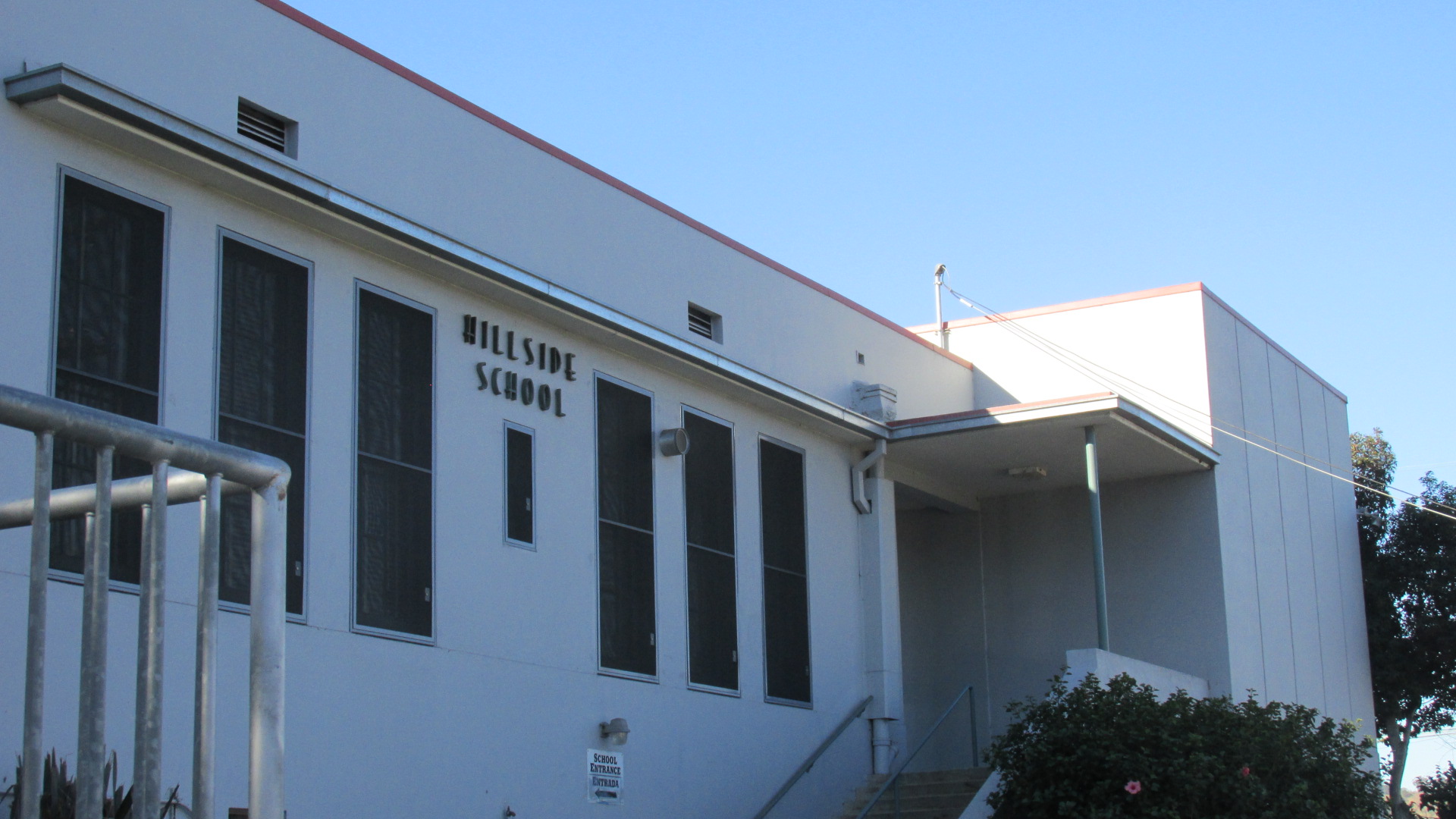
Residents of Lincoln Heights are up in arms over the plan to build a 56,700 square foot e-commerce distribution center at the intersection of Pasadena Ave. and Avenue 35.  Not only is the project in close proximity to houses and apartments, it’s less than 300 feet away from Hillside Elementary.  The community is understandably upset about the potential for a huge increase in truck traffic and diesel emissions.

Hillside Elementary School

At this point, though, the community is uncertain how to stop it.  Xebec, the real estate firm behind the distribution center, believes that the project complies with existing zoning and doesn’t need discretionary approvals from LA City Planning.  They’ve already applied for permits from LA Building & Safety.  Councilmember Eunisses Hernandez, who represents Lincoln Heights, has come out against the project, and she’s proposed changes to the plan that governs the area.  Unfortunately, those changes won’t be approved until December, and Xebec wants to have the permits finalized before then. 

I don’t blame the residents for being angry.  It’s not hard to understand why building an e-commerce distribution center near an elementary school is a problem.  There are decades of research showing that diesel exhaust can have long-term impacts on children’s health.  Children living in areas where they’re exposed to diesel exhaust are at higher risk of respiratory problems, including reduced lung capacity.  Seniors also face higher health risks, and actually, so does everyone living in an area where they’re regularly exposed to diesel emissions.

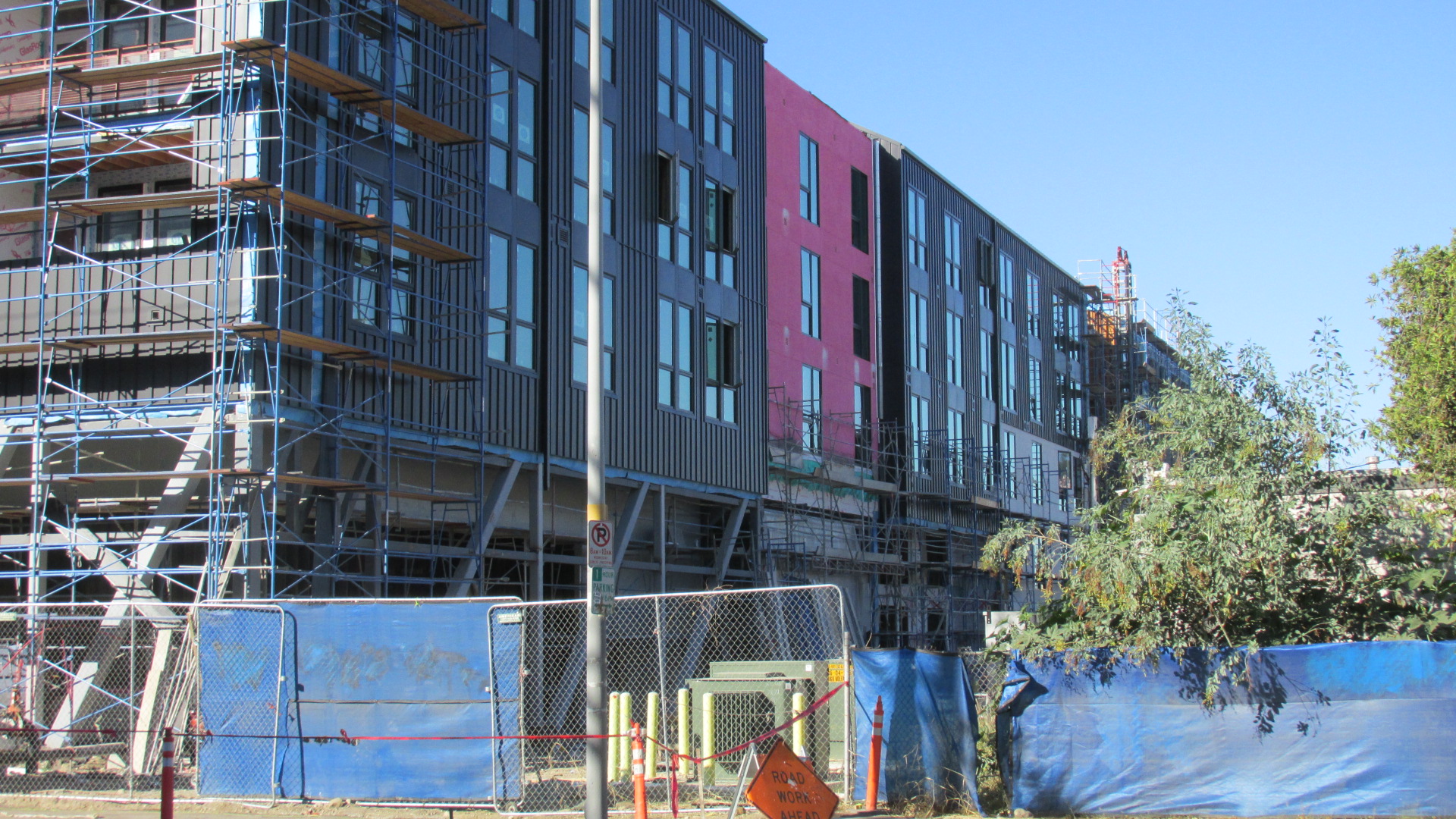
New residential building under construction right next door to 3505 Pasadena

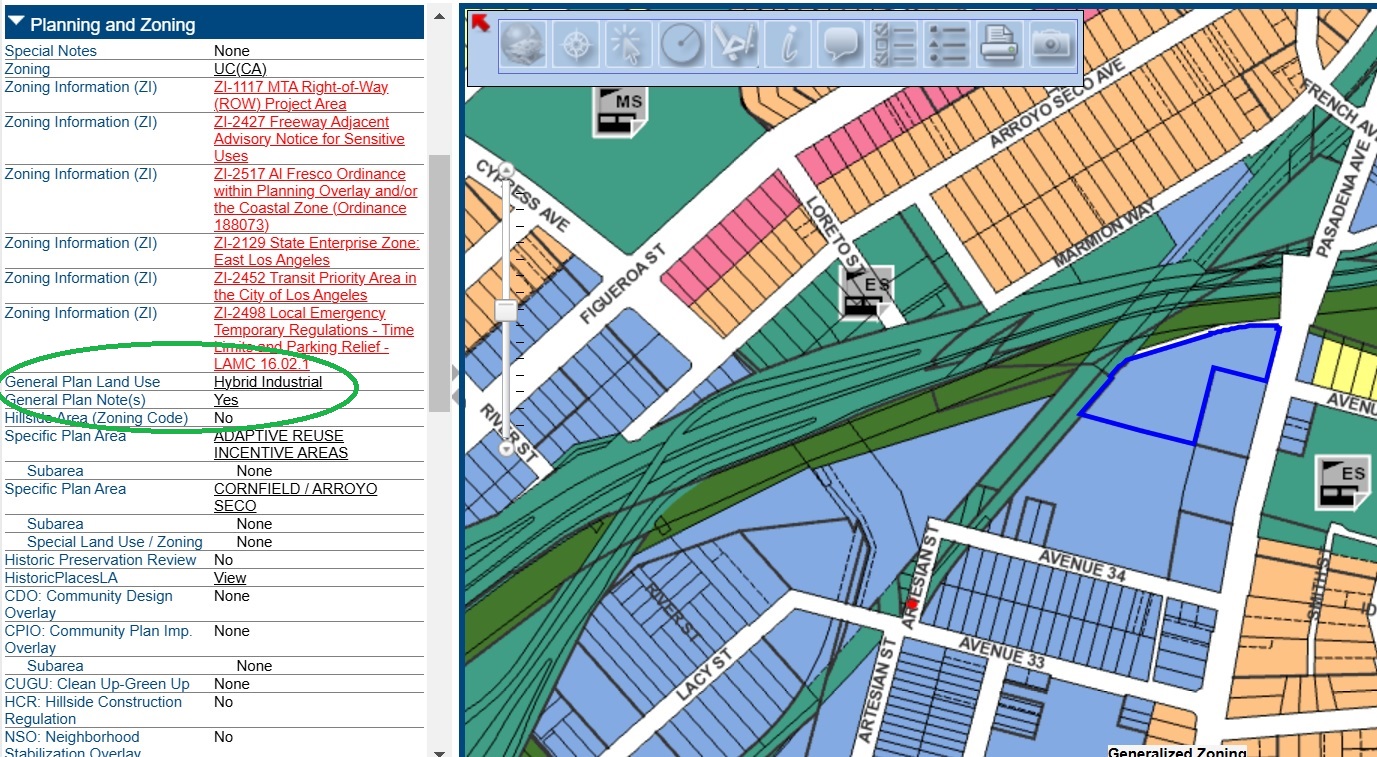
I have to admit, I have trouble understanding the zoning for 3505 Pasadena.  According to ZIMAS, the General Plan Land Use designation for this parcel is Hybrid Industrial.  The Hybrid Industrial designation was created by LA City Planning to allow residential uses in industrial zones.  As a matter of fact, right next door to 3505 Pasadena there’s a massive new residential complex under construction that contains over 460 units.  If the Hybrid Industrial designation was created to spur new housing developments in industrial areas where appropriate, the Xebec project seems to violate the whole intention of this initiative.  And when those new units go on the market, how many prospective tenants are going to sign a lease when they realize they’ll be living next door to an e-commerce distribution center?

General Plan Land Use designation for 3505 Pasadena is Hybrid Industrial

But whatever the zoning is, this project should be stopped.  Just ask yourself if you’d like to have diesel trucks going in and out of a distribution center right across from your home.  Or better yet, ask yourself if you think elementary school kids should be breathing the toxic diesel exhaust from these trucks.

The LA City Council rep for the area is already looking for a way to stop this, but it might help to send a note to some people at the State level.  If you feel like speaking up, here are the e-mail addresses for the two people who represent Lincoln Heights in Sacramento, State Senator Maria Elena Durazo and Assemblymember Miguel Santiago.  I’m also including a staff member at the California Environmental Protection Agency’s Environmental Justice Program.

senator.durazo@sen.ca.gov

assemblymember.santiago@assembly.ca.gov

leticia.syslo@calepa.ca.gov

Here’s a suggested subject line.

Kids Shouldn’t Be Breathing Diesel Exhaust: Stop the Distribution Center at 3505 Pasadena

If you see problems with this project, let the folks in Sacramento know.  The people of Lincoln Heights would appreciate it. 

Lakeside Car Wash to Be Replaced by Mixed-Use Project

The LA area grew rapidly in the first half of the 20th century, and after WWII the population continued to climb.  Spurred in part by the growth of the freeway system, subdivisions started springing up all over the place, and LA’s car culture kicked into high gear.  Families went to see movies in drive-in theatres.  Teen-agers spent Saturday night at drive-in restaurants. 

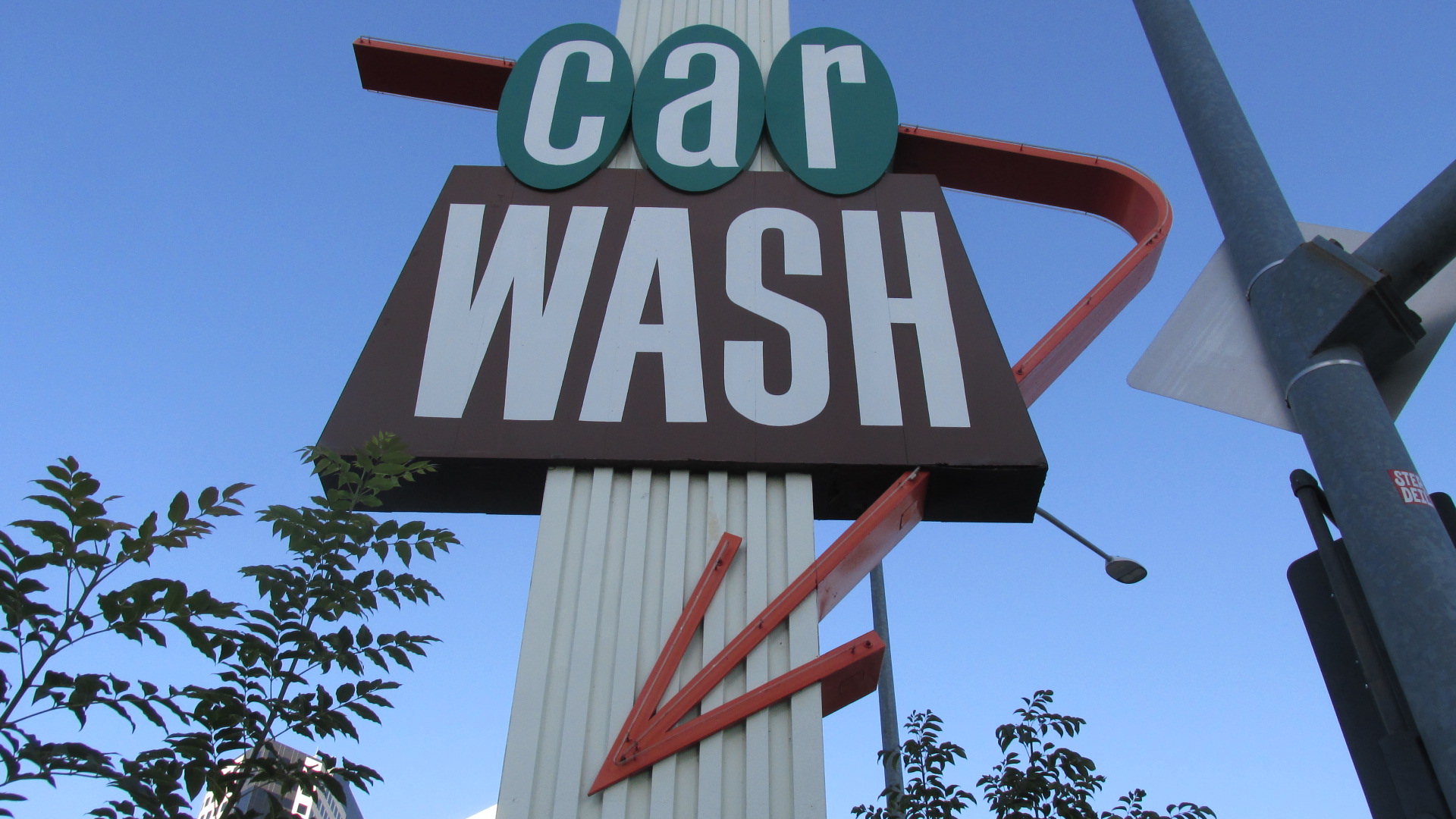
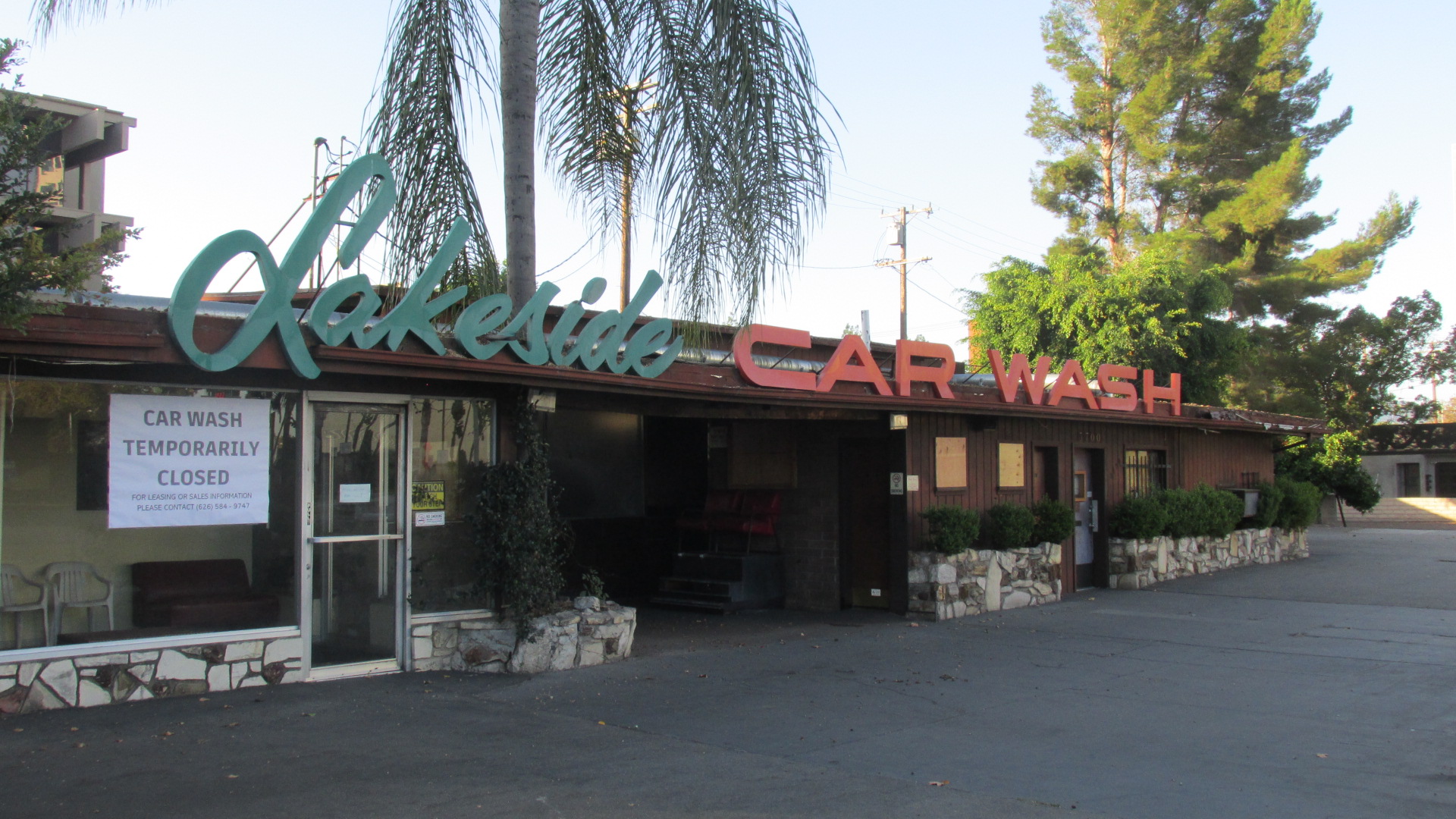
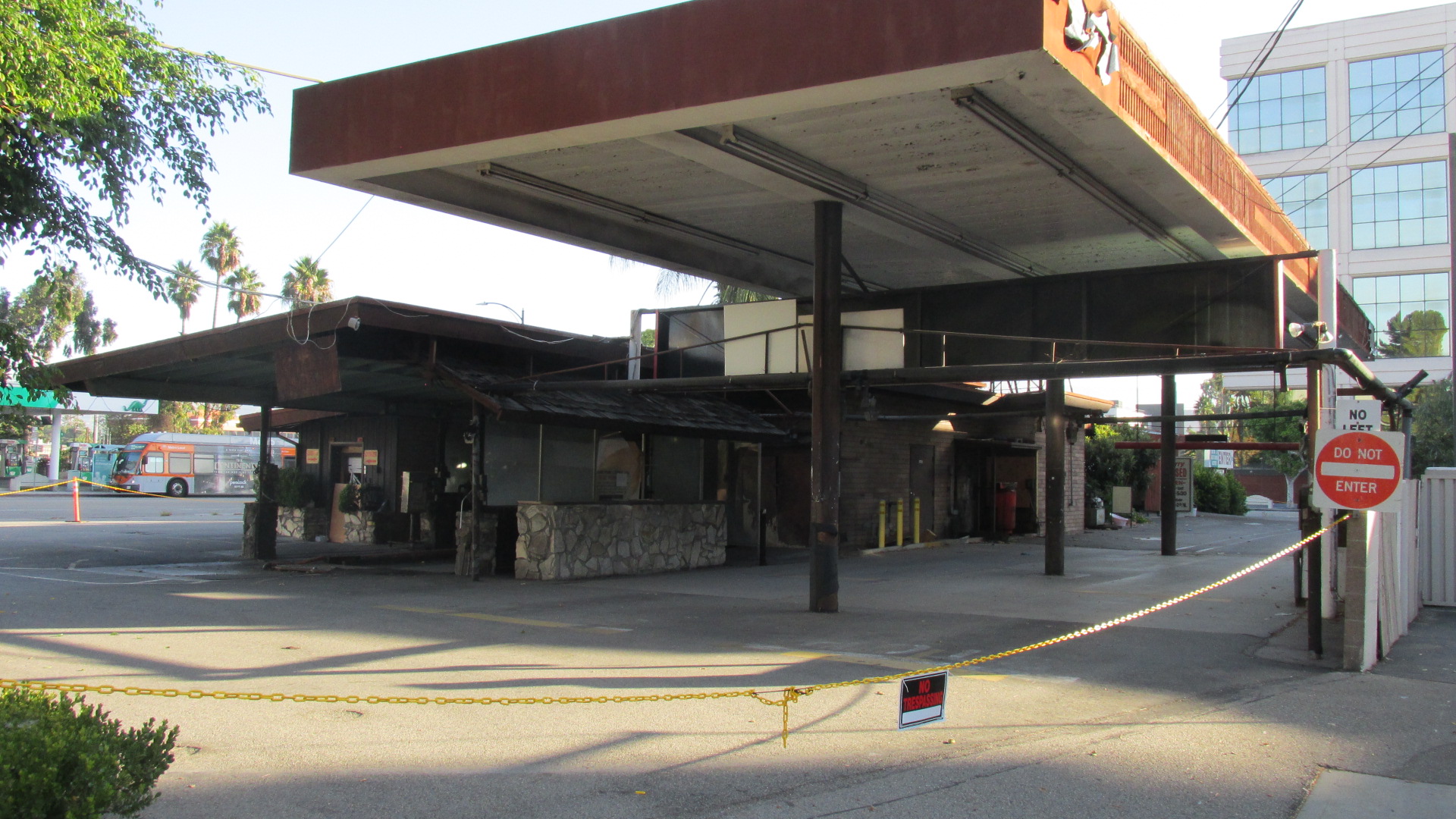
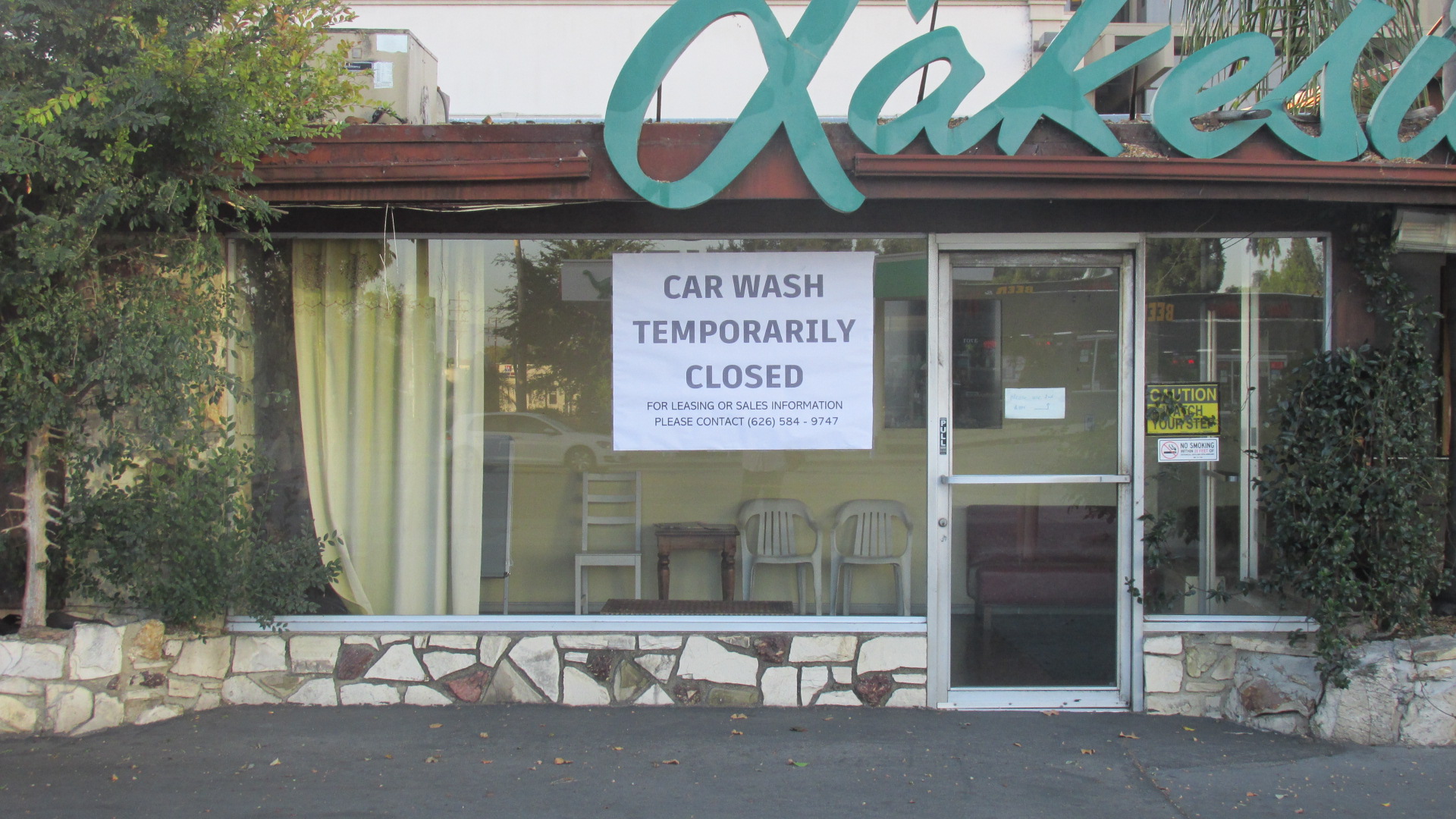
And the car wash became a familiar fixture in these new communities.  According to the LA Conservancy, the Lakeside Car Wash, located at Riverside and Hollywood Way, debuted in 1956.  The architect is unknown, but the structure stands out for its surprising combination of rustic ranch style and mid-century modern.  The Conservancy points out the connections to the Googie coffee shops that were popping up all over LA at the time.

View of Lakeside Car Wash from Riverside Drive.
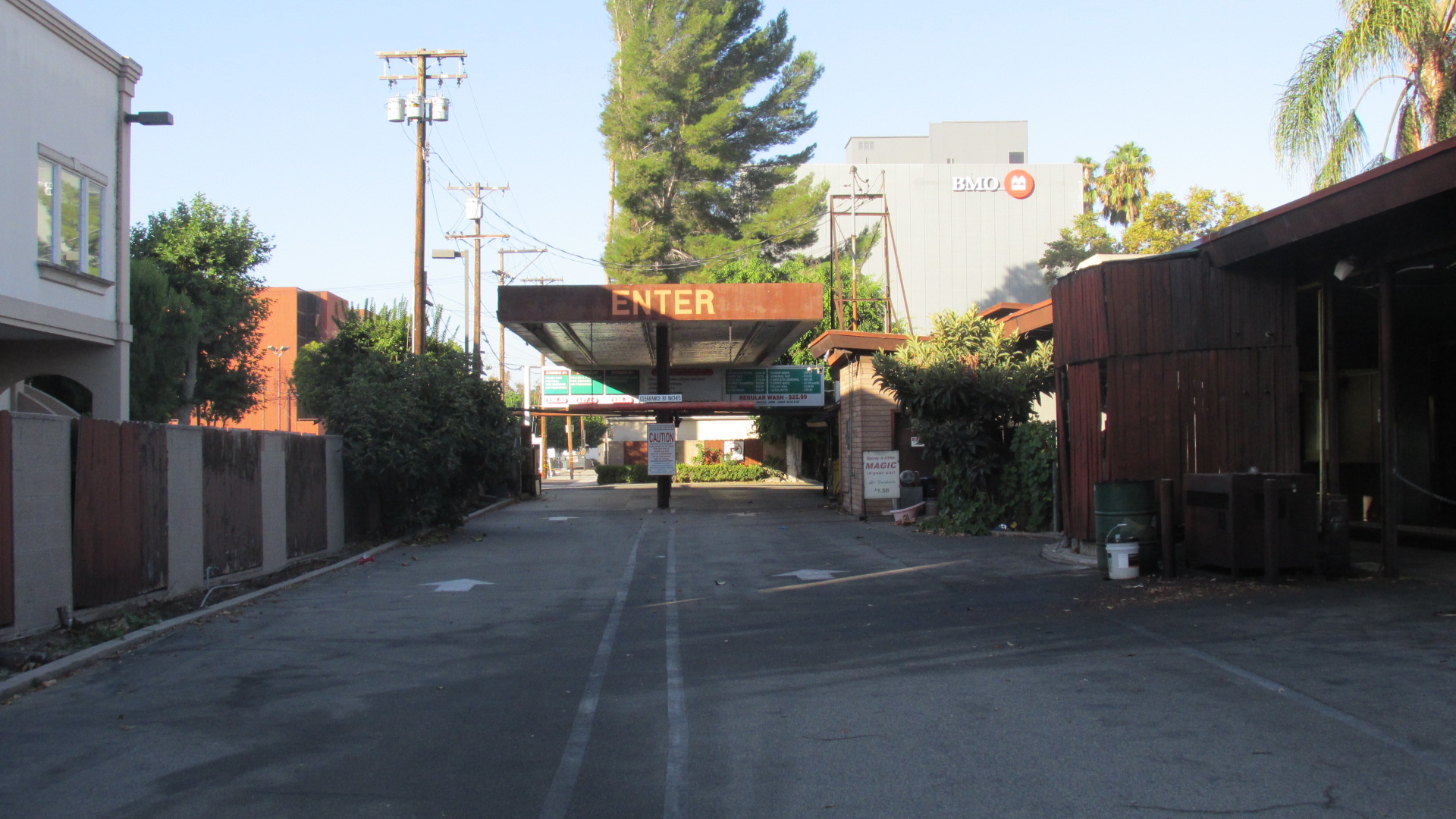
Entrance to car wash

But whatever its architectural merits, the Lakeside Car Wash is now closed and will almost certainly disappear in the not too distant future.  In April 2022, the City of Burbank approved the construction of a mixed-use project on the site, which includes 49 condos and 2,000 square feet of commercial space and open space located at street level. 

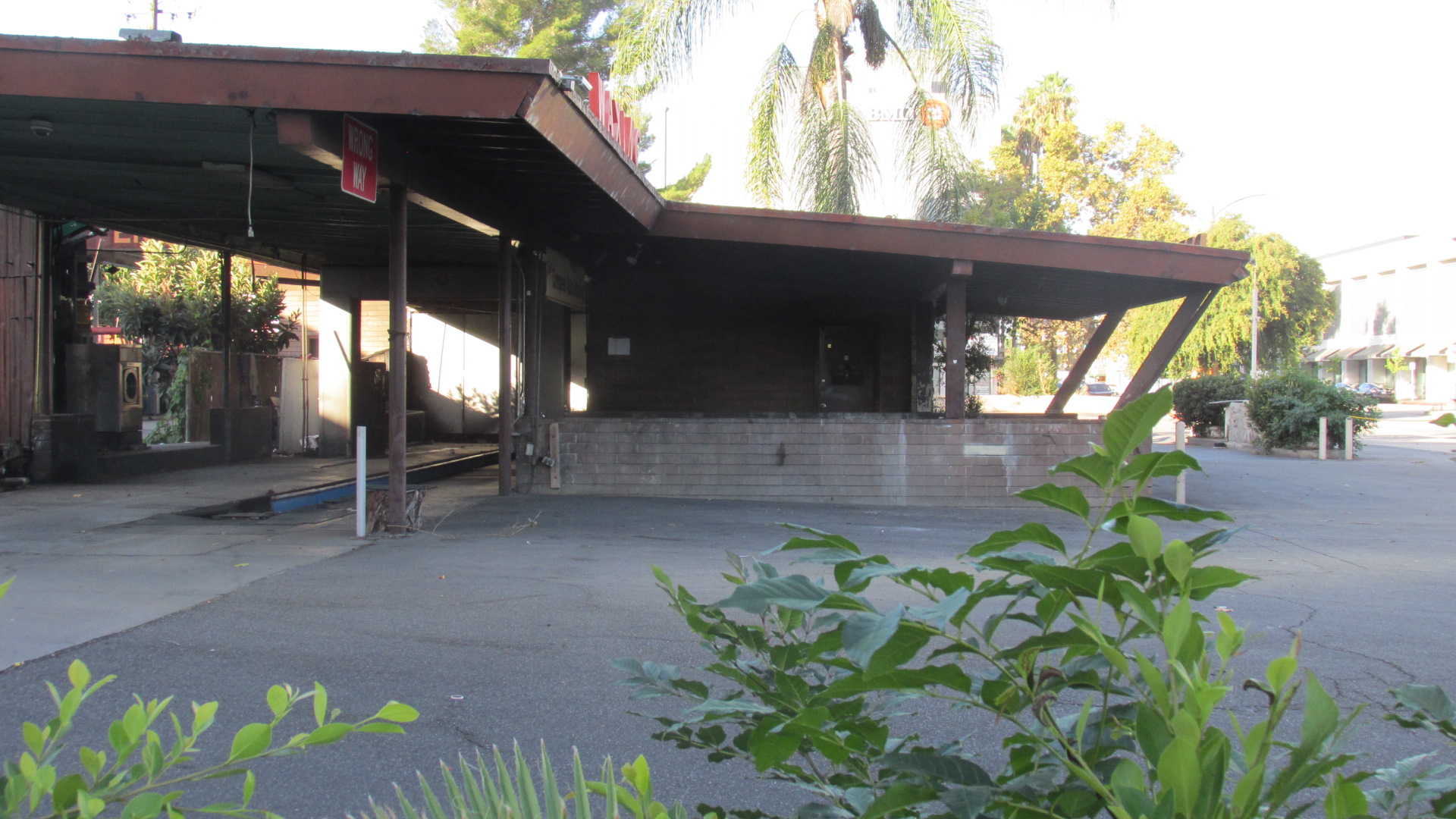
Side view from Hollywood Way
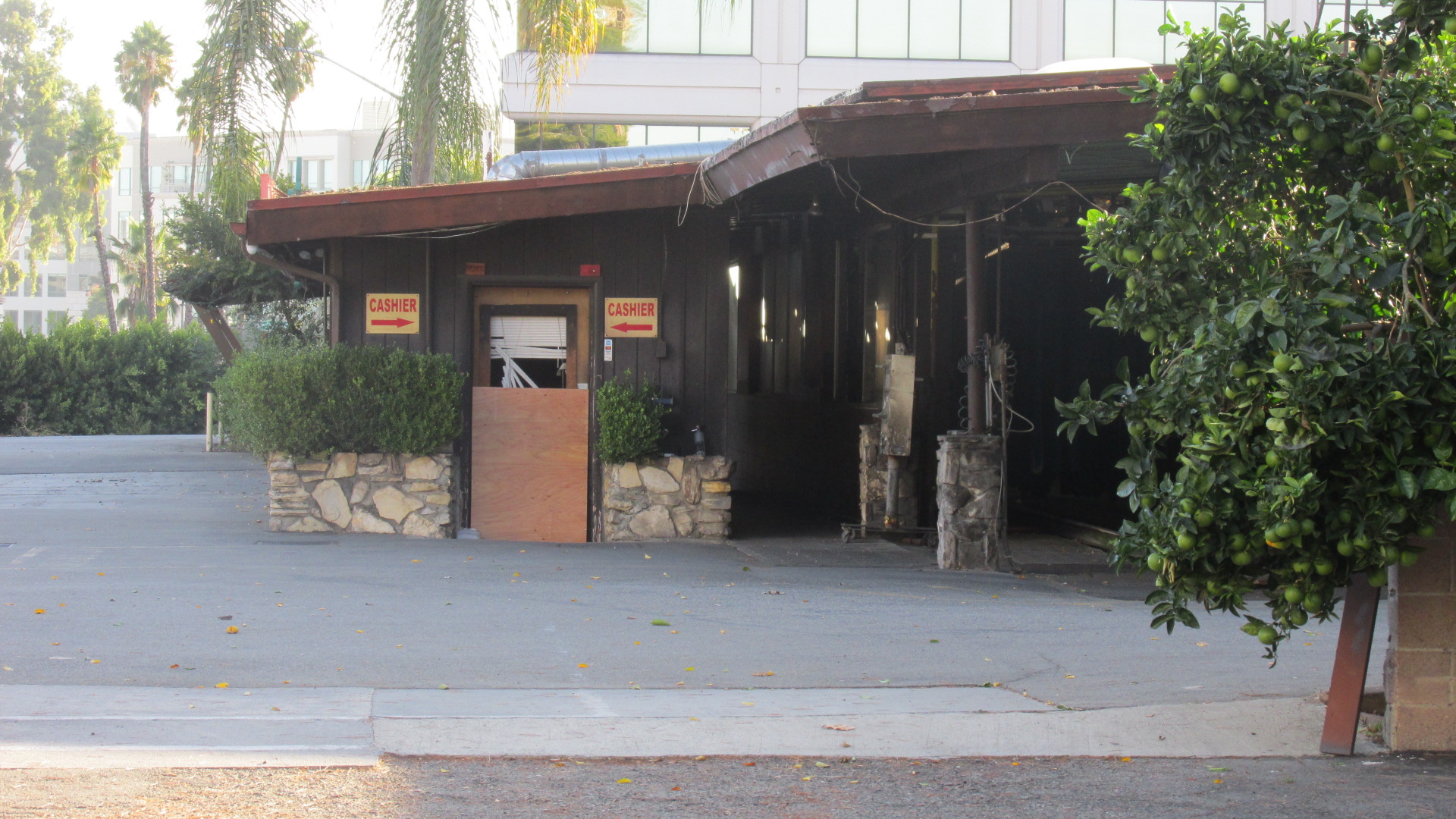
The back of the car wash
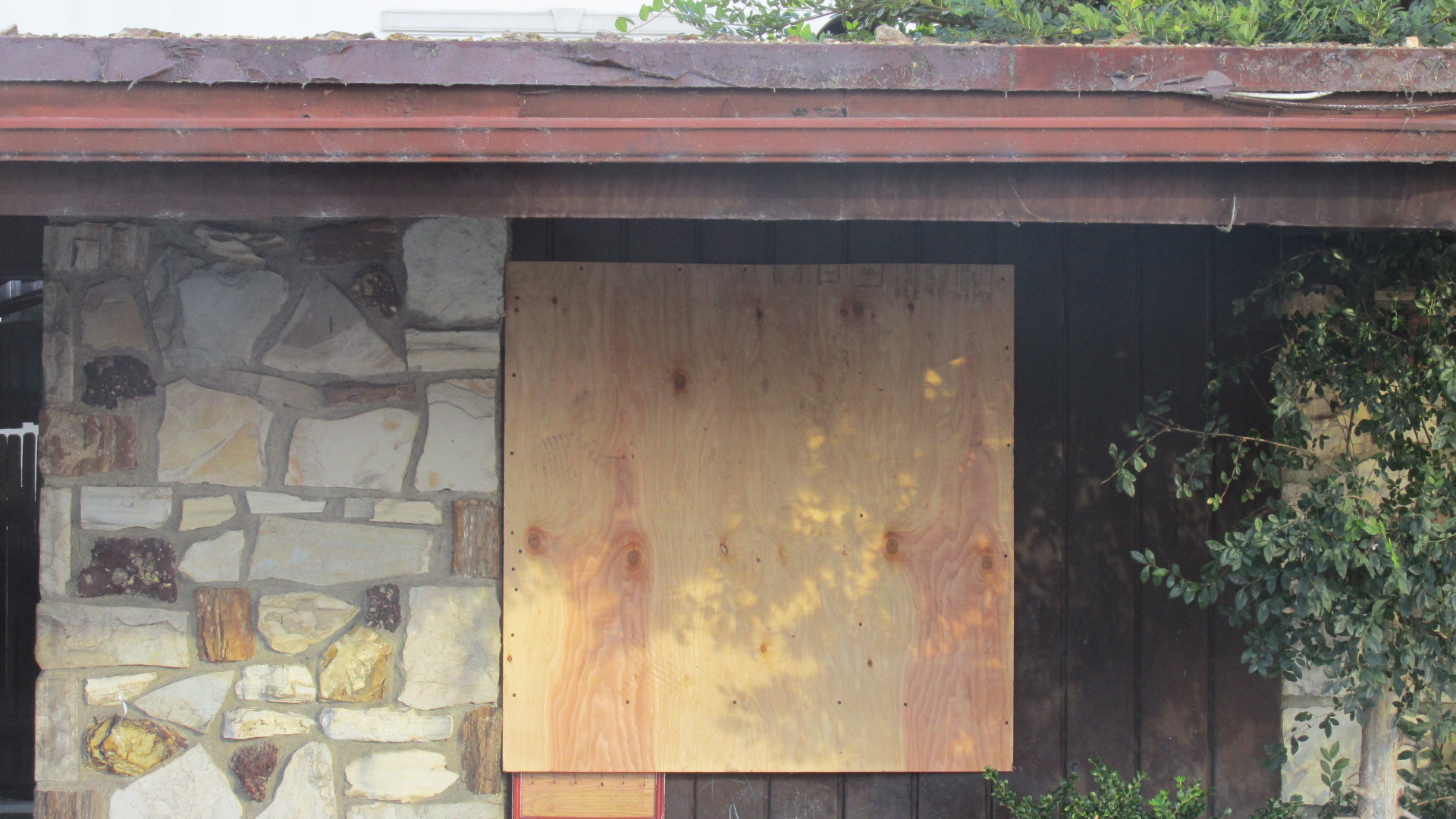
Actually, the closure is probably permanent.
The cashier’s office

Remnants of the early days of California’s car culture have been disappearing for years.  The Reseda Drive-In Theatre was shuttered back in the 70s.  The Tiny Naylor’s at Sunset and La Brea, a Googie classic, was demolished in the 80s.  Burbank’s Pickwick Drive-In Theatre went dark in 1989 and is now a shopping center. 

But car culture isn’t disappearing, it’s just changing.  These days more California households have access to cars than ever before.  Check out this quote from Falling Transit Ridership, a study published by UCLA in 2018….

Census summary file data show that from 2000 to 2015, the SCAG region added 2.3 million people and 2.1 million household vehicles (or 0.95 vehicles per new resident). To put that growth in perspective, from 1990 to 2000 the region added 1.8 million people but only 456,000 household vehicles (0.25 vehicles per new resident). The growth of household vehicles in the last 15 years has been astonishing.

The Lakeside Car Wash will soon be gone, but cars are here to stay.  They’ll just have to go somewhere else to get clean.

Seniors at Cathay Manor Forced to Live in Miserable Conditions

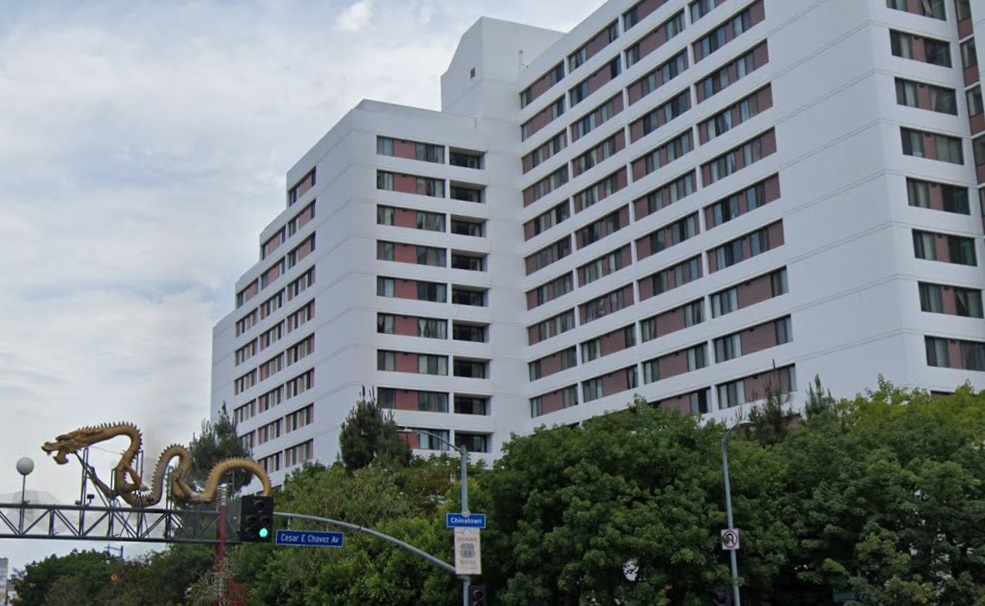
Cathay Manor Apartments in Chinatown

These days it’s difficult for seniors in LA to find affordable housing.  And it’s even more difficult to find affordable housing that’s properly maintained.  The seniors at Chinatown’s Cathy Apartments have been struggling to deal with elevators that don’t work, doors that won’t close, broken electrical outlets, leaky faucets and other significant habitability issues, without getting much help from the City of LA.

But last year the Chinatown Community for Equitable Development (CCED), an activist organization based in Chinatown, stepped up and started demanding that local officials pay attention.  They began a social media campaign to put pressure on Councilmember Gil Cedillo and Congressional Rep Jimmy Gomez to take action. 

It worked.  Community pressure has forced Cedillo and Gomez to get involved.  And the LA Times reports that local, state and federal agencies have launched investigations into the causes of the problems at Cathay Manor.  The LA City Attorney’s office has also filed a complaint.  The landlord and the organization that operates the building have plenty of excuses, but according to the Times they’re getting around $3.5 million annually from the federal government.

So why can’t they take care of basic habitability and safety issues?  According to the complaint filed by the City Attorney’s Office, elevators are not operational, fire protection systems are defective, fire extinguishers are inoperable and inaccessible, and the owners can’t even keep the building free of graffiti and trash. 

The tenants at Cathay Manor shouldn’t have to deal with these problems.  Senior citizens on fixed incomes need access to safe, clean, affordable housing.  But not only has the City of LA failed by a long shot to provide the housing that citizens need, the City Council is doubling down on policies that promote huge density bonusses to developers in exchange for a small number of affordable units.  According to the LA Department of City Planning’s Housing Progress Reports web page, the City has approved 172,613 new units since July 2013.  Of that total, 87% have been for Above Moderate Income households.  (Above Moderate Income households are defined as households that earn 120% or more of the Area Median Income.)  The remaining 13% are for Moderate Income, Low Income and Very Low Income households.  The recently adopted Housing Element and the proposed New Zoning Code will only exacerbate this intolerable imbalance. 

If you want to read more about the situation at Cathay Manor, the Times story is below, along with the press release from the City Attorney’s Office and the complaint they filed. 

Moldy Walls, Cold Stoves and Broken Elevators: This Is Life at Chinatown’s Cathay Manor

Press Release Re Cathy Manor Complaint from City Attorney’s Office

Complaint against Don Toy & CCOA Housing Corporation

Angels Knoll

I love cities.  And I love Downtown LA.  But the older I get, the more I think about the damage that cities do to the environment.  At the beginning of the 20th century, Downtown was largely undeveloped.  In a little over a hundred years, it’s become a dense urban landscape crowded with office buildings and residential towers, crisscrossed by roads and freeways.  As a result, LA is hotter and drier, the air is dirtier, and like every other urban center, we’re contributing to climate change in a big way.

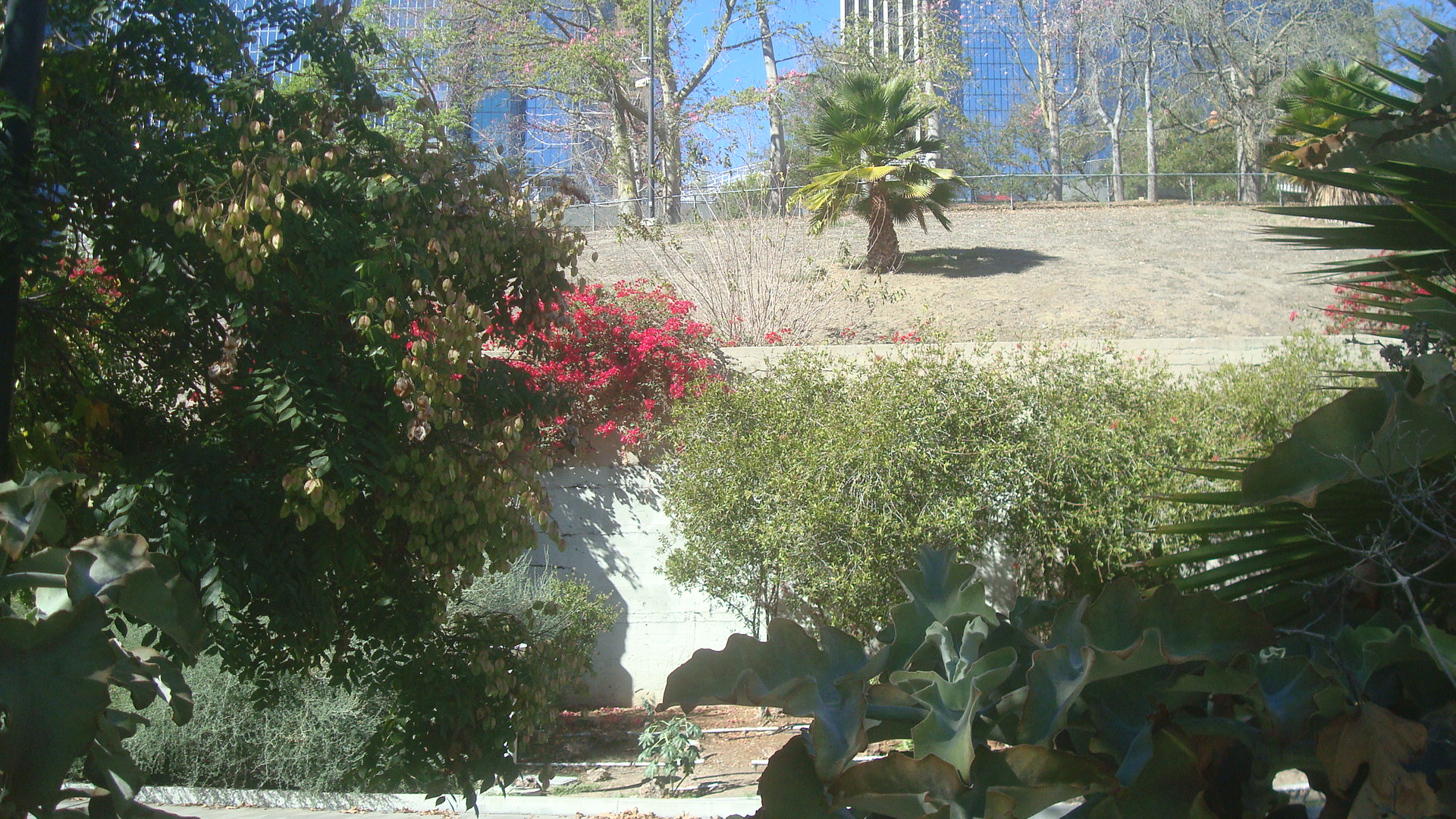
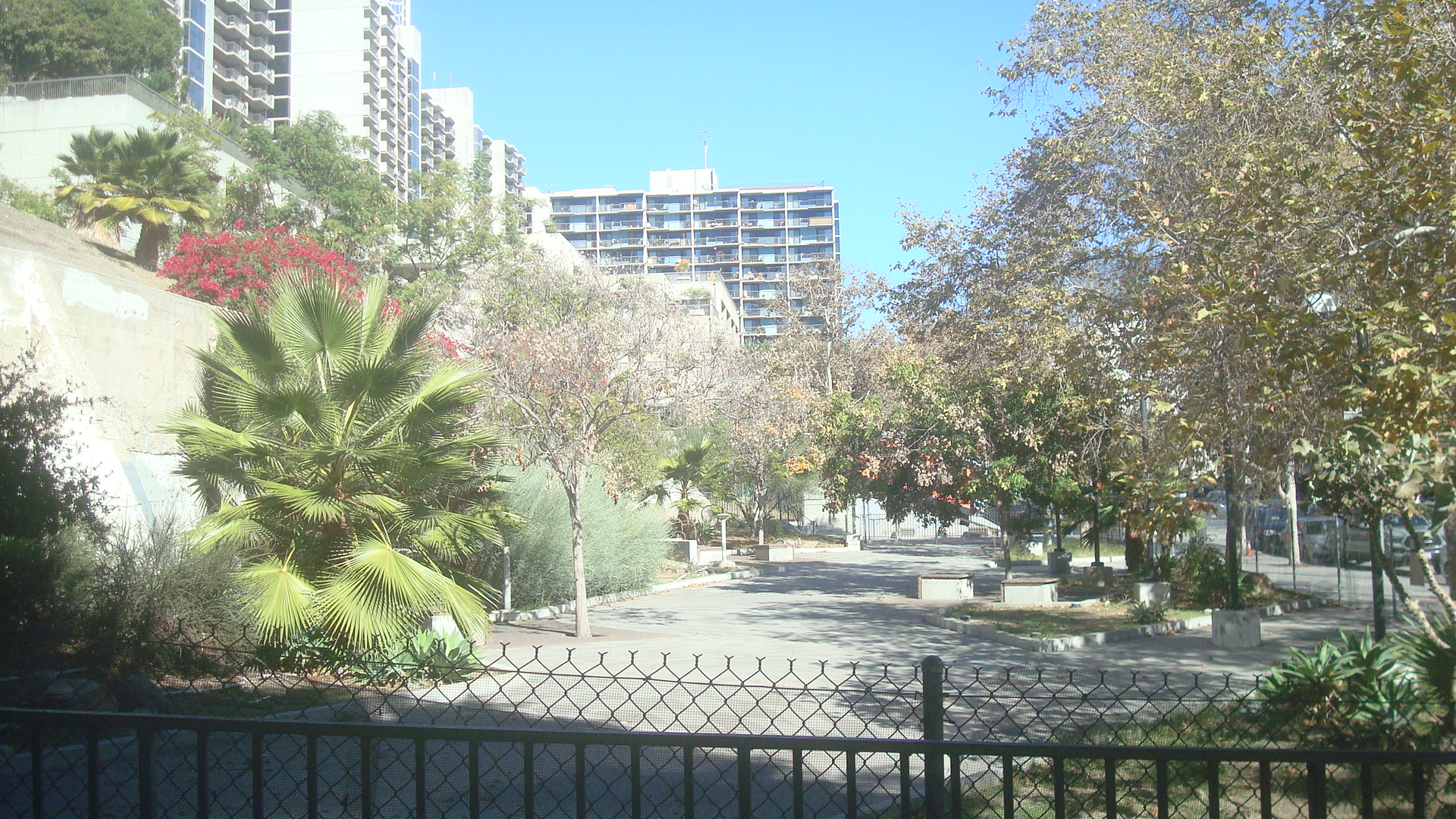
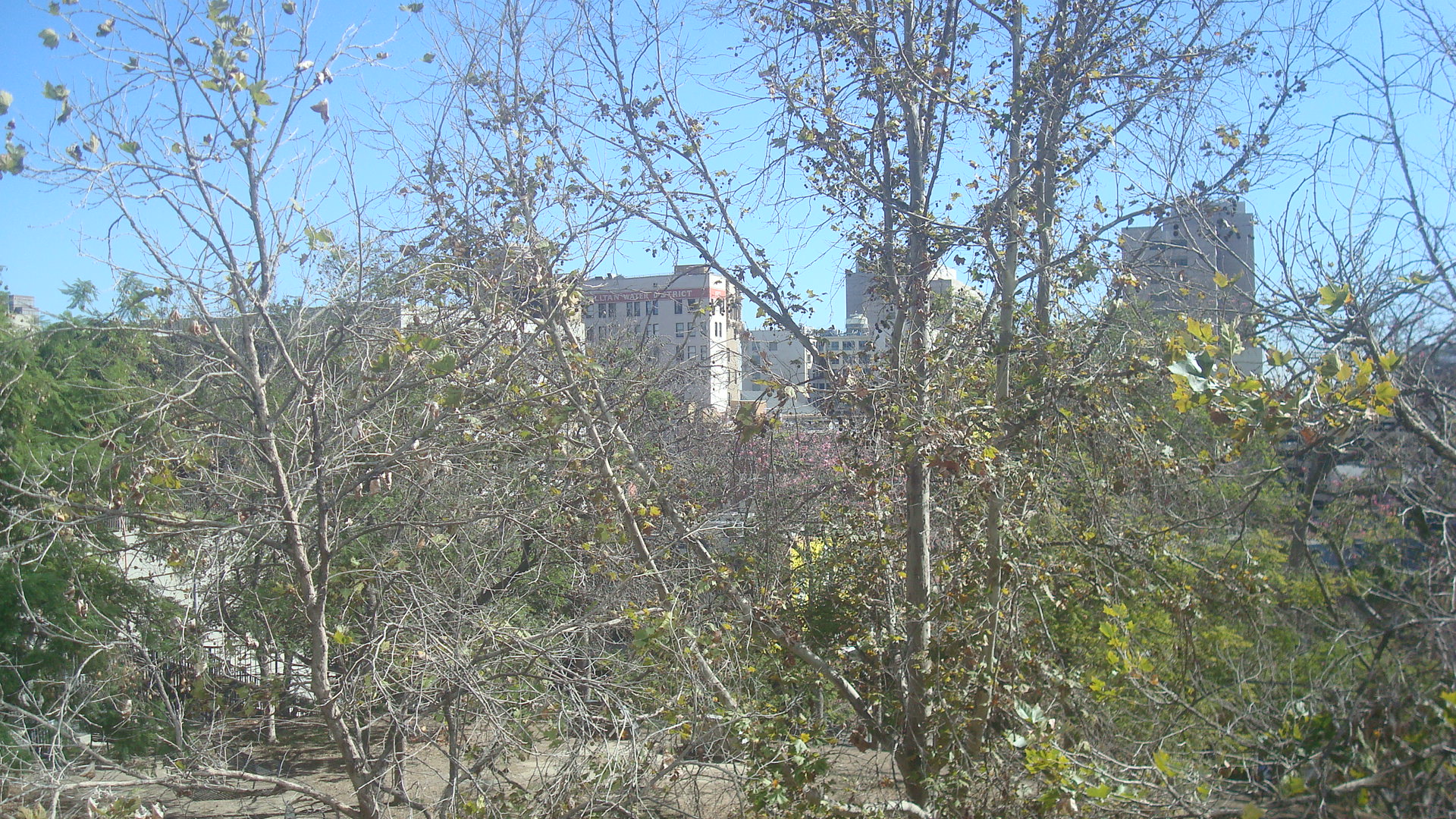
I was wandering around Cal Plaza a while ago, and ran across a piece of Downtown I’d forgotten about. As I looked out over the city in the direction of Hill Street, I saw that directly below me there was a small park.  It took me a minute to realize it was the same park I’d seen many times at the intersection of Fourth and Hill.  It’s been fenced off for years.  Much of the greenery is dry, and the trees could certainly use some attention, but it was so cool to run across a patch of green space in the middle of all the steel and concrete. 

Actually, it’s not technically a park.  It’s a small patch of land called Angels Knoll that had been owned by the Community Redevelopment Agency (CRA).  (I assume it got the name because it’s right night next to Angels Flight.)  When the CRA was dissolved in 2012, a petition was circulated asking the City to turn the land over to the Department of Parks & Recreation.  But that didn’t happen.  As one of the few remaining undeveloped parcels in the Downtown area, the property is worth a fortune.  The decision was made to put it up for sale.

A June, 2021 memo from CRA/LA, the successor agency to the CRA, sets the price of the parcel at $50 million. The buyer, Angels Landing Partners, is actually a joint venture by the Peebles Corporation, MacFarland Partners and Claridge Partners.  According to the LA Department of City Panning web site, the proposed Angels Landing project involves the construction of two skyscrapers, one rising 63 stories and the other rising 42 stories.  In addition to two hotels and 72,000 square feet of commercial space, the project also includes 180 condos and 252 apartments.  Apparently some affordable housing is supposed to be provided, but at this point it’s not clear how much. 

Of course, the project will generate lots of jobs and economic activity.  According to the Environmental Impact Report, it will also generate 10,179 metric tons of CO2 equivalent during the construction phase alone.  Beyond that, it will contribute to the steadily increasing temperatures in the LA area, along with a number of other massive projects planned for Downtown, Hollywood, Warner Center and elsewhere.

And we’ll also be losing one of the few remaining patches of green in Downtown.  City Hall has made its priorities clear.  They want the skyscrapers.  Of course, LA was built by developers and politicians who prioritized growth over everything else.  That’s how LA got to be what it is today.  But the older I get, the more I feel that this addiction to growth is incredibly destructive.  Our warming climate and shrinking water resources are a direct result of unchecked development. 

We really don’t need another skyscraper.  We absolutely need more parks.

Can the City of LA Keep Growing If Its Water Resources Keep Declining?

The City of Los Angeles couldn’t exist without the water it imports from sources far beyond its borders.  While the ratios vary widely from year to year, on average we get about 10% of our annual supply from groundwater within the city limits.  The remaining 90% has to be imported from places hundreds of miles away.

Which means we really should pay attention to the Water Supply Alert issued by the Metropolitan Water District (MWD) on August 17.  The entire State of California, and in fact much of the Western US, is experiencing extremely dry conditions.  At this point the MWD is asking for citizens, businesses and public agencies to make voluntary reductions, but there’s a good chance that stricter measures will be needed in the not too distant future.  Through careful planning and good stewardship, the MWD has managed to build up significant reserves which might provide a buffer for the next year or two.  But we can’t be complacent.  This year the California Department of Water Resources has cut allocations from the State Water Project to just 5% of requested supplies.  It’s possible that next year the allocation could be reduced to zero.  On top of that, for the first time ever, the Bureau of Reclamation has declared a shortage on the Colorado River.  Lake Mead supplies much of the water that Southern California relies on, and storage there has been declining faster than even the most pessimistic observers predicted.  Right now the water level is lower than it’s been at any time since Hoover Dam was constructed. 

Which leaves us with the LA Aqueduct.  At the beginning of the 20th century, Los Angeles business leaders were working hard to promote the city’s growth, but they knew that the area’s water resources were limited.  In looking for solutions to this problem, they set their sights on the Owens Valley, over 200 miles away.  Using secretive and dishonest means, the City of LA managed to purchase rights to much of the water in the Owens Valley, and then began construction of the LA Aqueduct under the supervision of William Mulholland.  In LA the completion of the Aqueduct was hailed as an engineering marvel, and for a time Mulholland was celebrated as a hero.  Needless to say, the people of the Owens Valley didn’t see things quite the same way.  For them, the diversion of water resources to the Aqueduct resulted in disastrous environmental impacts, and set the stage for decades of litigation.

Mulholland Memorial Fountain from DWP Photo Collection at LA Public Library

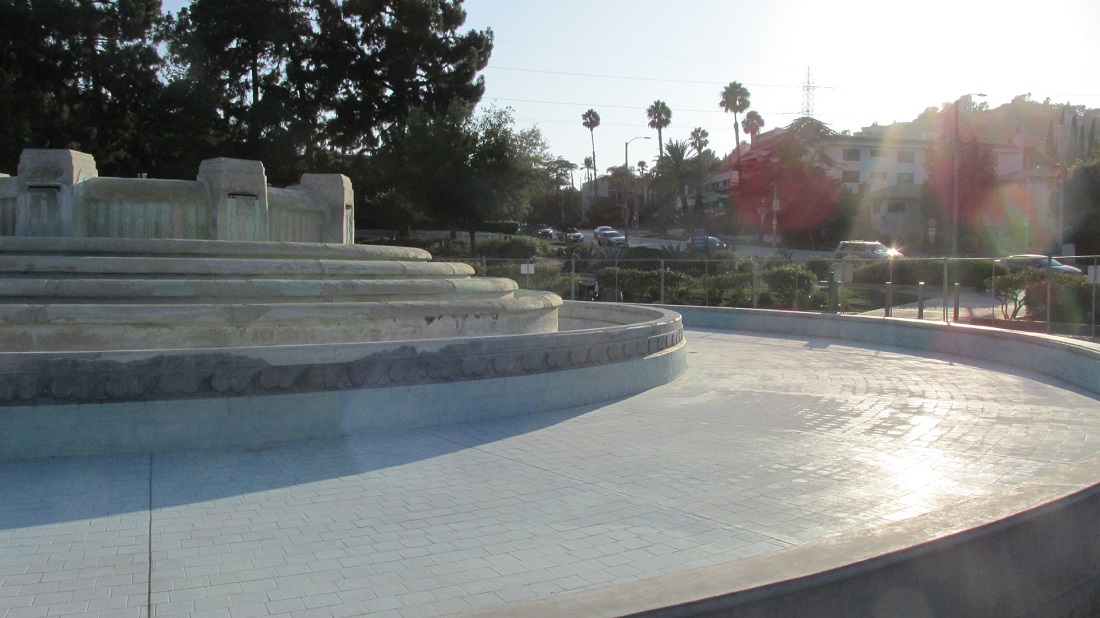
In 1940, five years after Mulholland’s death, a fountain was built at the intersection of Los Feliz Boulevard and Riverside Drive to honor the man primarily responsible for the construction of the LA Aqueduct.  The choice to create a fountain was considered a fitting way to commemorate the role Mulholland played in securing the water that was necessary for the city’s growth.  For decades cool, crystalline plumes arched into the air and cascaded into the rippling pool below.

Today the fountain is dry and it’s surround by a chain link fence.  While a search on the net didn’t reveal any explanation, it seems likely that LADWP shut it down in response to the looming water shortage.  This is certainly a sensible step to take, but it should also raise questions about LA’s future.  Mulholland was celebrated because of his efforts to provide water that would support the city’s growth.  If the fountain is now dry, maybe this should be a cue to start asking how much LA can realistically grow in the future?

While government officials and the media routinely describe the situation as a drought, I don’t think that’s accurate.  In fact, I think it’s seriously misleading.  “Drought” is generally defined as a prolonged period of dry weather.  This implies that at some point the drought will end and things will get back to normal.  But there’s growing evidence that this is the new normal.  Both the State Water Project and the LA Aqueduct are fed by snowmelt from the Sierra Nevadas.  The Sierra snowpacks have been declining for years, and climatologists predict that they’ll continue to decline for the foreseeable future.  As for the Colorado River, California, Nevada and Arizona draw more water from this resource than it can deliver on an annual basis.  The construction of Hoover Dam masked this fact for decades, but the rapid decline of Lake Mead should be a wake-up call for all of us.  Right now it seems inevitable that water allocations to all three states will have to be reduced, but this will be a long, contentious, brutal process. 

So if all of the city’s water resources are declining, our public officials need to let go of the myth that LA can keep growing forever.  LA’s 2020 Urban Water Management Plan (UWMP) assumes that all it will take is more stormwater capture and a concerted effort to conserve.  Unfortunately, stormwater capture doesn’t really work when you’re hardly getting any rain.  And while Angelenos have shown a willingness to save water in the past, current forecasts seem to indicate that we’d have to push conservation to a whole new level.  The more you cut, the harder it is to cut further.  The UWMP’s conservation projections are extremely optimistic.  It’s hard to say whether they’re realistic.

The Mulholland Memorial was intended as a monument to the man who oversaw the construction of a massive infrastructure project that allowed the city to grow rapidly.  In the state it’s in now, it seems more like a monument to the folly of those who believed you could build a city of 4,000,000 people in an area with minimal water resources.

Another Gathering Place Goes Down

Photo by Elina Shatkin/LAist

A couple days ago I came across a piece on LAist the really resonated with me. The author, John Kamp, talks about the impending demolition of a favorite hang-out, El Gran Burrito, near the Metro station at Santa Monica and Vermont. I’ve never eaten there, but Kamp’s description of this funky taco stand reminded me of so many other LA gathering places that have disappeared.

I understand the reasons why El Gran Burrito is getting bulldozed. The City has approved a Permanent Supportive Housing complex with 187 units, 105 for Extremely Low Income households, and 80 for Very Low Income households. (The two remaining units are for managers.) The City desperately needs Permanent Supportive Housing, and it makes perfect sense to build next to the Metro station so that residents will have easy access to transit. I really can’t object to the project. Still, we need to acknowledge what we’re losing.

Kamp identifies himself as a landscape and urban designer, and he’s not happy about the trend in LA toward “generic, modern, high-density apartment buildings with retail spaces on the ground floor”. He laments the loss of our “quirky, shacky spaces tucked into hillsides and between larger buildings”. I know where he’s coming from. And it’s not just the bland conformity that characterizes so many of the new buildings. The really painful thing is the loss of community. These low budget, lowbrow restaurants are where Angelenos gather and mingle. You stop in with a group of friends and run into some other folks you know, or maybe you start talking to a group of total strangers. You get to know the people behind the counter. You get to know the community.

I’m thinking of Carnitas Michoacan #3 in Boyle Heights, which got turned into a Panda Express. Longtime patrons were saddened to lose a place they’d been coming to for decades. Taix on Sunset has been purchased by a real estate investment group, and there are plans to construct a six-story mixed-use complex on the site. (The new project would include space for a scaled-down version of Taix.) One of the most depressing losses was El Chavo, also on Sunset, which was bought up by another real estate investment group. What used to be a cozy, old-school Mexican restaurant was turned into an oppressive modernist fortress. The plan was to make it into an upscale restaurant/nightclub with multiple bars. Last time I passed by the place looked like it was closed.

I also think of the way Union Station has changed. Up until a few years ago it had a great little bagel shop where you could pick up something to eat and drink while you were waiting for your train. There was also a small newsstand where you could get gum, snacks, sodas. Today both of them are gone. Instead of a mom-and-pop restaurant serving fresh bagels they now have a Starbucks serving cardboard pastries wrapped in plastic. Instead of the newsstand they now have a chain convenience store with all the personality of a concrete block.

But we also have to take the longer view. I love Union Station, but in order to build it the City razed a good part of LA’s original Chinatown. Many people were pushed out of their homes. As a compromise, the City agreed to build a new Chinatown, which is the one we know today. While many Angelenos have a real affection for the area’s funky charm, let’s face the facts: an authentic immigrant community was levelled with zero regard for how the residents would be impacted; the “replacement” was a faux-Chinese outdoor mall designed to lure tourists.

Nothing lasts forever. Especially restaurants. The City is constantly changing. If El Gran Burrito gets bulldozed to create housing for the people who need it most, I can see the justification. But in many other cases, including the ones listed above, it’s just a raw deal for the community. While fast food chains and investment groups boost their profits, neighborhoods lose gathering places that brought people together. Seems like this is happening more and more often in LA these days.

Kamp is one of the many Angelenos mourning these losses. If you’ve seen a beloved hang-out get bulldozed, you’ll want to take a look at his piece in LAist.

A Farewell To El Gran Burrito, East Hollywood’s Perfect Late-Night Pit-Stop

Plagues

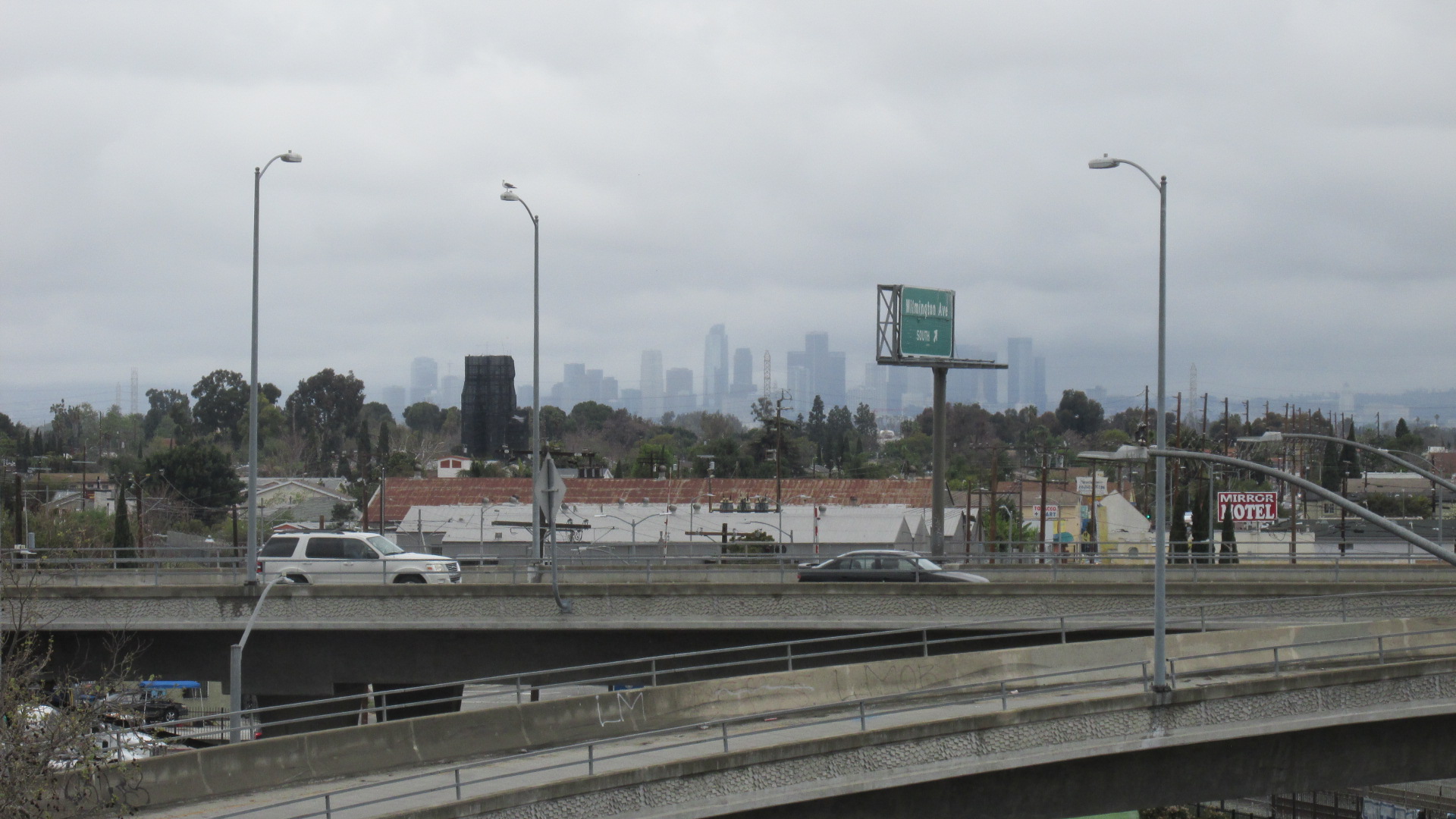
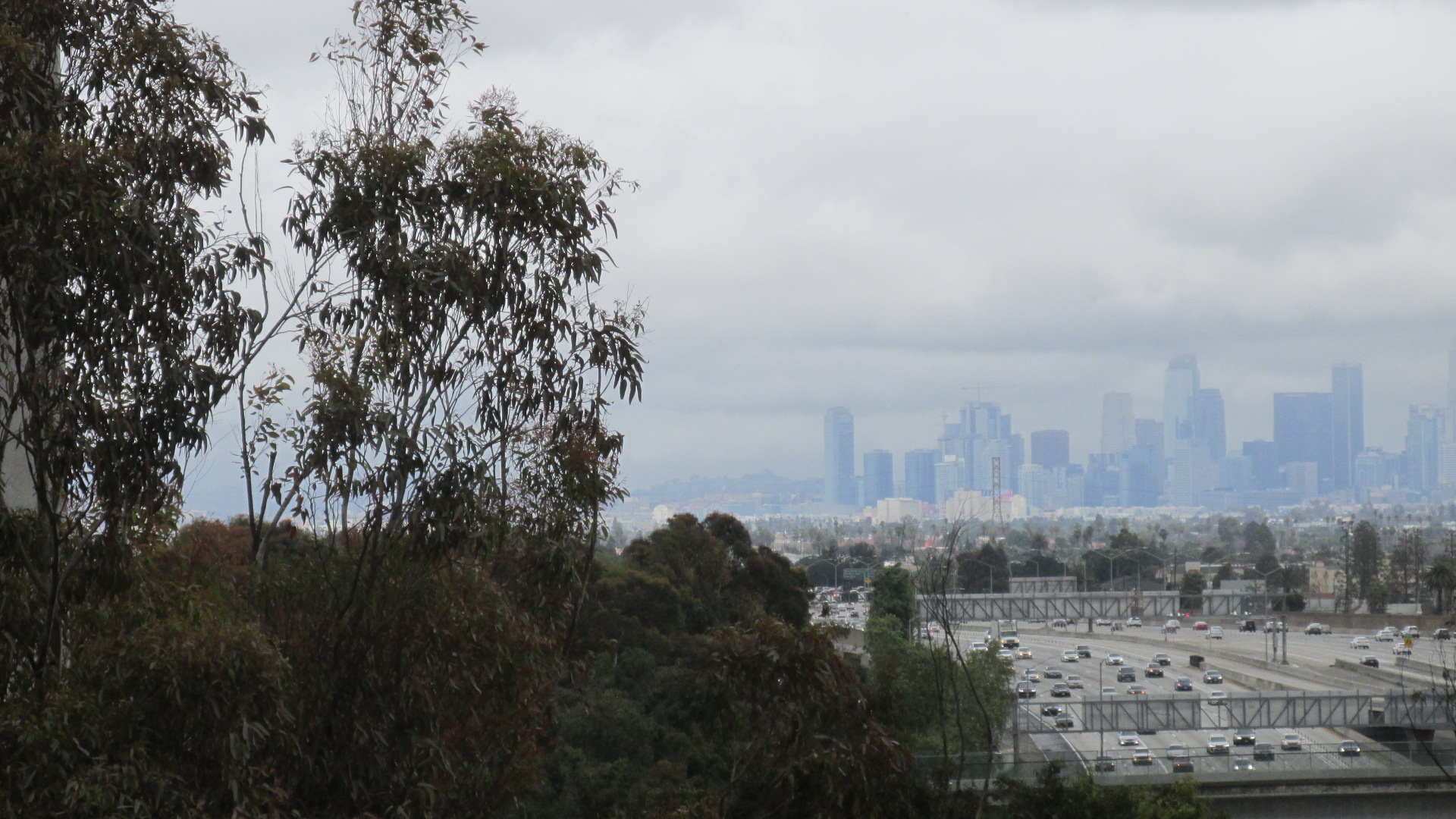
Dntn Skyline w Fwy 200314

The last couple of weeks have been pretty intense. The coronavirus is spreading in the US and a national emergency has now been declared. At the same time stock markets, in the US and around the world, have been plunging, with fears of another recession on the minds of many.

LA County declared a state of emergency earlier this month, and as concern has grown over the spread of the virus, local and State officials have been weighing their options, trying to figure out how to respond rationally without creating a panic. Last week the Los Angeles Unified School District decided to close all schools. LA City Hall and LA County Courts are either postponing hearings or trying to find alternatives that don’t involve bringing lots of people together in a single room.

And in addition to all that, on Monday it was announced that former LA City Councilmember Mitch Englander was being charged by the Justice Department with obstructing a corruption investigation. The Feds have accused Englander of witness tampering and making false statements. While Englander stepped down from the City Council a while ago, this case could well have implications for people currently serving at City Hall.

So it’s been a wild couple of weeks. I have to say I feel kind of overwhelmed and confused. Of course the immediate concern is the coronavirus. I’ve been checking the LA County Department of Health web site every day. On Sunday they had identified 53 cases within the County, and officials were telling us to avoid non-essential travel and to stay away from public gatherings. Today the number is 144, and theatres, bars and gyms have been ordered to close. Restaurants can stay open, but only for take-out orders. As the news gets worse, you can feel a general sense of anxiety in the air.

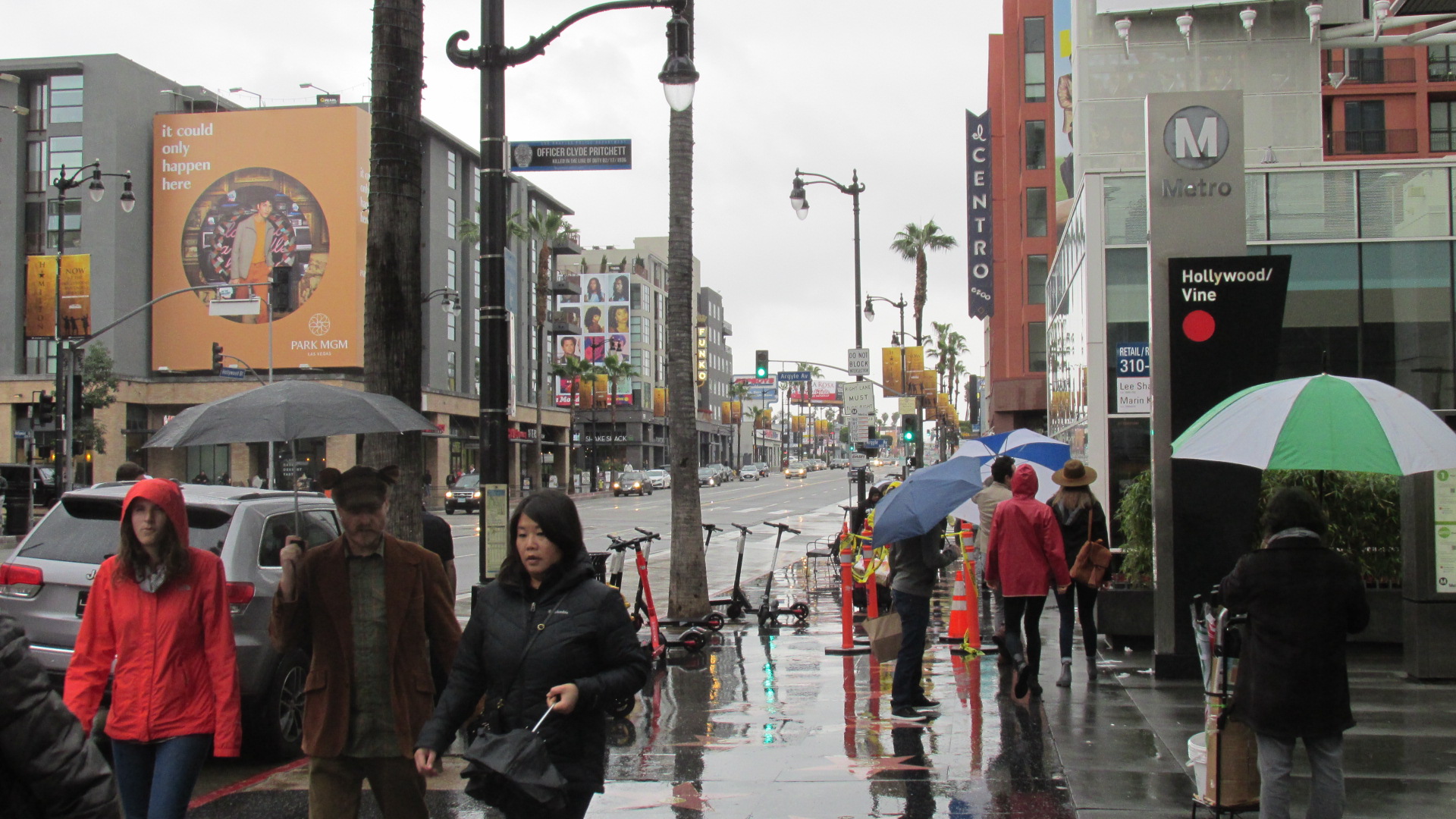
On Saturday I was out of the house for most of the afternoon, and I’m realizing now that’s the last time I’ll be roaming around the city for a while. At that point it sounded like going out was okay, as long as you didn’t hug anybody and kept washing your hands. And I have to say I was curious to see what was happening on the streets. Remembering the photos I’d seen in February of deserted boulevards and public squares in Wuhan and Beijing, I was wondering if we’d gotten to that point in LA.
Hlwd Blvd People

That wasn’t the case on Saturday. People were still out and about. I went to the market to pick up a couple of things. The place was packed, and a number of items seemed to be sold out, but most of the shelves still held plenty of goods.

Hlwd TJ Refrig

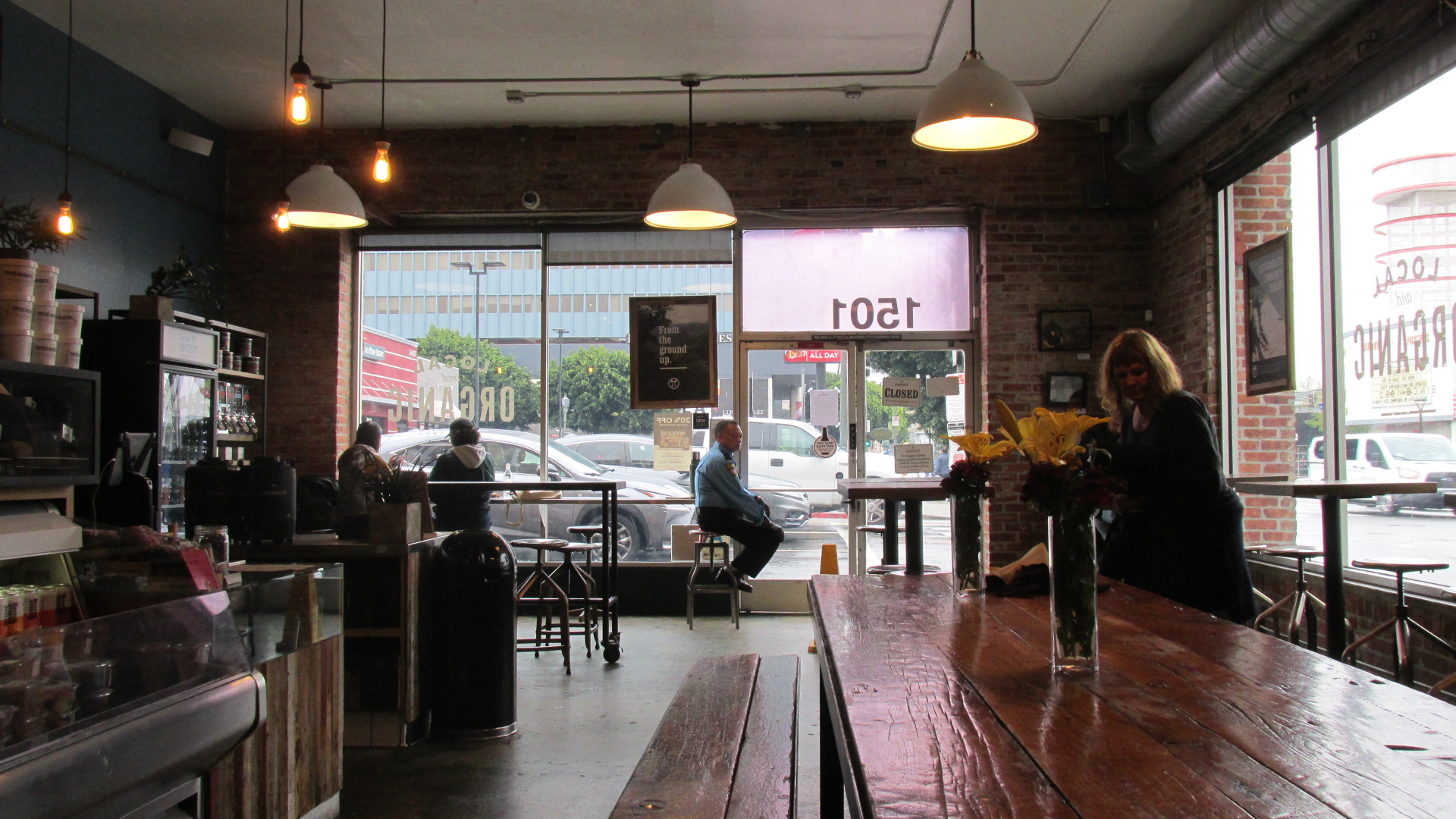
Next I went to a coffee house on Cahuenga. There were about half a dozen people inside, which seemed more or less normal, but when I asked the woman at the counter how business was, she said “Super dead.” Also, when I asked for a mug, she said they were only using disposable cups. I assume that was to avoid transmitting germs.
Hlwd Groundworks

Based on the latest updates, it does look like life in LA was be pretty different for at least the next couple of weeks, but I imagine we’ll pull through. Humanity has dealt with contagious diseases in the past, and I feel confident we’ll eventually put this one behind us. But there’s another kind of plague that’s been afflicting LA for a while, and unfortunately it looks like it will be with us for a long time to come.

I’m talking about corruption.

Corruption is a disease that’s been with us since the beginning of time. It’s always present in one form or another, but in some cases it turns both chronic and acute. For the last several years in LA we’ve been experiencing a major outbreak among our elected officials, and I doubt we’ll see a cure any time soon. Citizens have been saying for years that members of the City Council are infected, but for the most part the Council is in denial. Local media has published a number of stories that seem to confirm that the disease is running rampant at City Hall, but the few efforts that have been made to rein it in don’t appear to have taken hold.

The Englander story is just the latest episode in a long and tawdry saga. The former Councilmember is accused of having accepted tens of thousands of dollars in cash and gifts from a businessperson in exchange for facilitating connections with a developer. You might think that since Englander no longer serves on the Council that the problem has already been taken care of. No such luck. Englander’s seat on the Council has been filled by a former aide, John Lee. Lee apparently accompanied Englander on the trip to Vegas where much of the money changed hands. He claims he wasn’t aware of anything illegal taking place, but the Feds’ indictment refers to a “City Staffer B” who sounds very much like Lee. Apparently both Englander and City Staffer B sent checks to the businessperson to reimburse them for part of the cost of the trip. Unfortunately, both checks were backdated to August 4 in an apparent attempt to make it look like they were sent before the FBI started asking questions. If this is true, then Lee is also guilty of falsifying documents.

Then there’s Arman Gabay, co-founder of the Charles Company, which filed an application years ago to build a large project in South LA. Initially the project received strong support from Councilmember Herb Wesson, who helped the developer win millions of dollars in federal loans. Coincidentally, Gabay, his family members and associates, had contributed thousands of dollars to campaign and officeholder accounts associated with Wesson. But last year the developer was charged by the Department of Justice with having bribed a County official. The trial is still pending, but the project is dead. At some point after Gabay was hit with the bribery charge, Wesson decided he could no longer lend his support. Interestingly, a recent filing by the US Attorney in the Gabay case says that wiretaps captured conversations between the developer and public officials about permitting problems and government financing for a proposed project. According to the filing, Gabay was told he could resolve the problems if he made a $10,000 campaign contribution. Sadly, the filing does not disclose the name of the official who received the contribution. We can only guess.

And let’s not forget Councilmember Jose Huizar. In 2018 the FBI raided Huizar’s home and office, and apparently among the things they were searching for were records related to the Councilmember’s fundraising efforts. Would Huizar take money from developers in exchange for project approvals? The FBI won’t discuss specifics, but the LA Times reported that a campaign committee with ties to the Councilmember received $50,000 from Onni Group just two months before a key vote on a property where the developer planned to build.  No charges have yet been filed against Huizar, but the Feds aren’t the only thing on his mind. He’s also being sued by two former staffers. Among other things, the suits allege that the Councilmember was guilty of sexual misconduct, that he retaliated against those who voiced criticisms, and that he required staff members to engage in fundraising efforts during office hours.

There’s plenty more dirt to dish on the City Council, but you get the point. And actually, I could forgive a lot of things if our elected officials were just doing a decent job of running the City. But LA is falling apart. We’re in serious trouble. It’s not just that the development process has been completely poisoned by a pay-to-play culture. The way City Hall does business is inherently opaque and dishonest. A classic example is last year’s budget process. When the budget was passed in mid-2019, elected officials were patting themselves on the back and claiming that the City would see a surplus of $30 million to $70 million annually over the next four years. What a shock when six months later we were told that the City was now facing annual deficits of $200 million to $400 million over the next four years. What happened? Apparently when the City Council passed the budget they neglected to mention that they were negotiating contracts with city employees that would blow a huge hole in the City’s finances. They decided not to inform citizens about the cost of the contracts until it was done deal. Everything was done behind closed doors. Once again the public was shut out.

Our elected officials talk about addressing homelessness, but the number of people on the streets continues to rise. Renters are getting thrown out of their apartments because they can’t pay high housing costs. Streets and sidewalks are crumbling, and even with record revenues City Hall can’t find the money to maintain them properly. The urban forest, crucial to replenishing groundwater and keeping the air clean, continues to decline due to years of neglect. The Mayor blathers on about getting people out of cars and onto transit, but DASH ridership has fallen from 25 million trips in 2014 to 19 million trips in 2019. (I won’t mention Metro’s depressing ridership stats. They’re a County operation.)

And with another recession just around the corner, it looks like things will only get worse. If the Mayor and the City Council couldn’t put this house in order when times were good, what’s going to happen when the bottom falls out of the economy? The culture of corruption that pervades City Hall has fostered a secretive and opaque decision-making process where deals are cut behind closed doors and the public is kept in the dark.

This is the real plague that’s taking LA down. We’ll survive the coronavirus. It’s City Hall that’s going to kill us.
Dntn Distant 2