Paying Attention to the Port

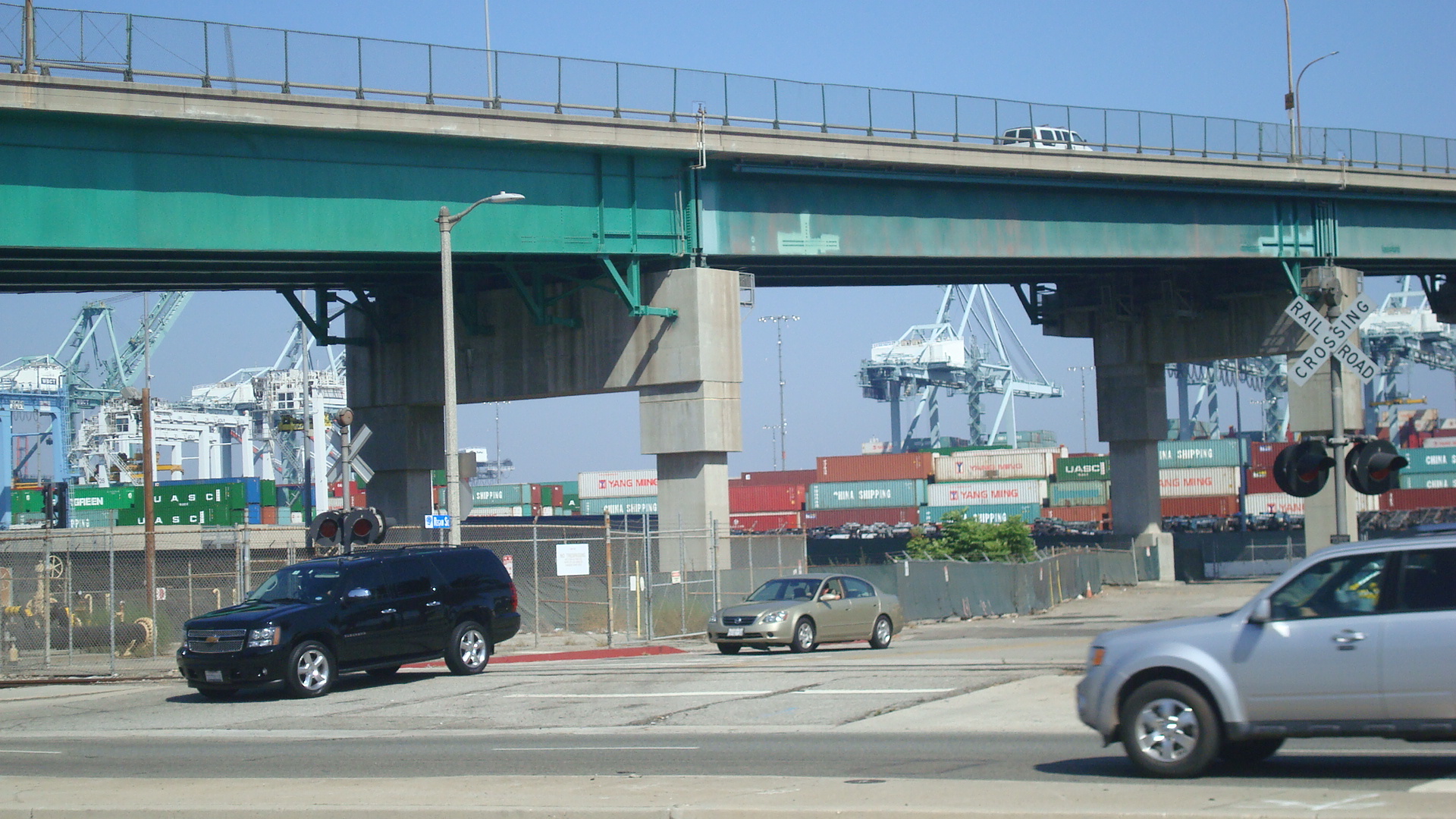
A view of the Vincent Thomas Bridge from Harbor Boulevard.

A view of the Vincent Thomas Bridge from Harbor Boulevard.

Geographically, Los Angeles is a little odd. A map of the city’s boundaries looks kind of like a jigsaw puzzle that somebody forgot to finish. We generally think of it as reaching from Downtown to the beach, the Valley to South LA. But actually there are a handful of smaller cities within that area, including San Fernando, Burbank, West Hollywood and Beverly Hills, that punch some sizable holes in the map. And one of the strangest aspects of the city’s outline is that the boundary stretches a long, thin arm to the south in order to embrace San Pedro and Wilmington, including the Port of Los Angeles.
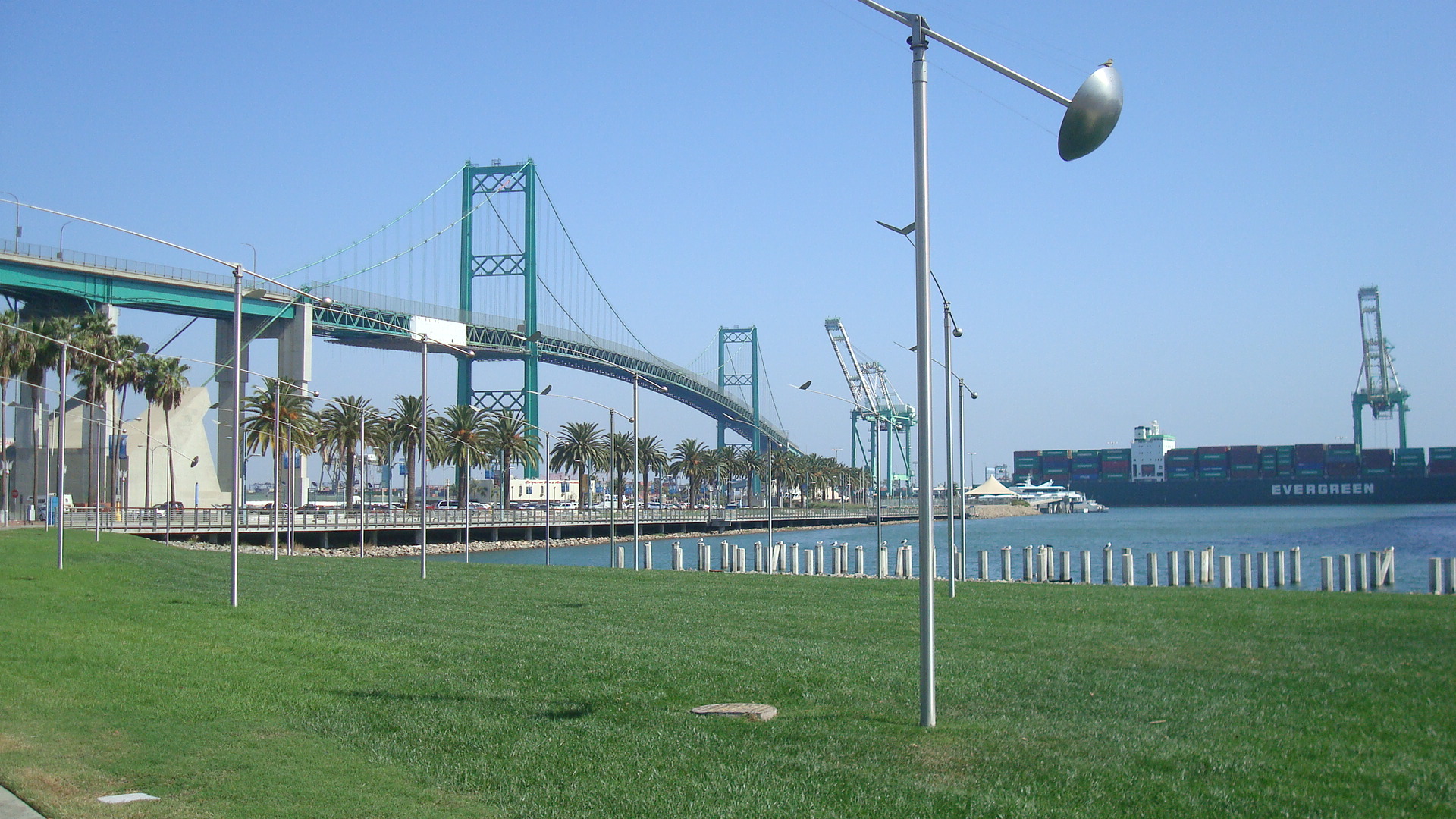
A park at the water's edge, with the Vincent Thomas Bridge in the background.

A park at the water’s edge, with the Vincent Thomas Bridge in the background.

I imagine that many Angelenos, like me, completely forget that the San Pedro and Wilmington are part of the City of LA. They were annexed by (or consolidated with, depending on which source you consult) Los Angeles in 1909. Around the turn of the century it was becoming increasingly apparent to LA’s business community that the port was an economic powerhouse which would bring tremendous wealth to the region. The City’s leaders courted San Pedro and Wilmington for years, but the two smaller communities were concerned about losing their autonomy. Finally the deal was sealed in 1909, with LA promising to spend $10 million to improve the Port of LA.

Houses on a hill overlooking Harbor Boulevard.
Houses on a hill overlooking Harbor Boulevard.

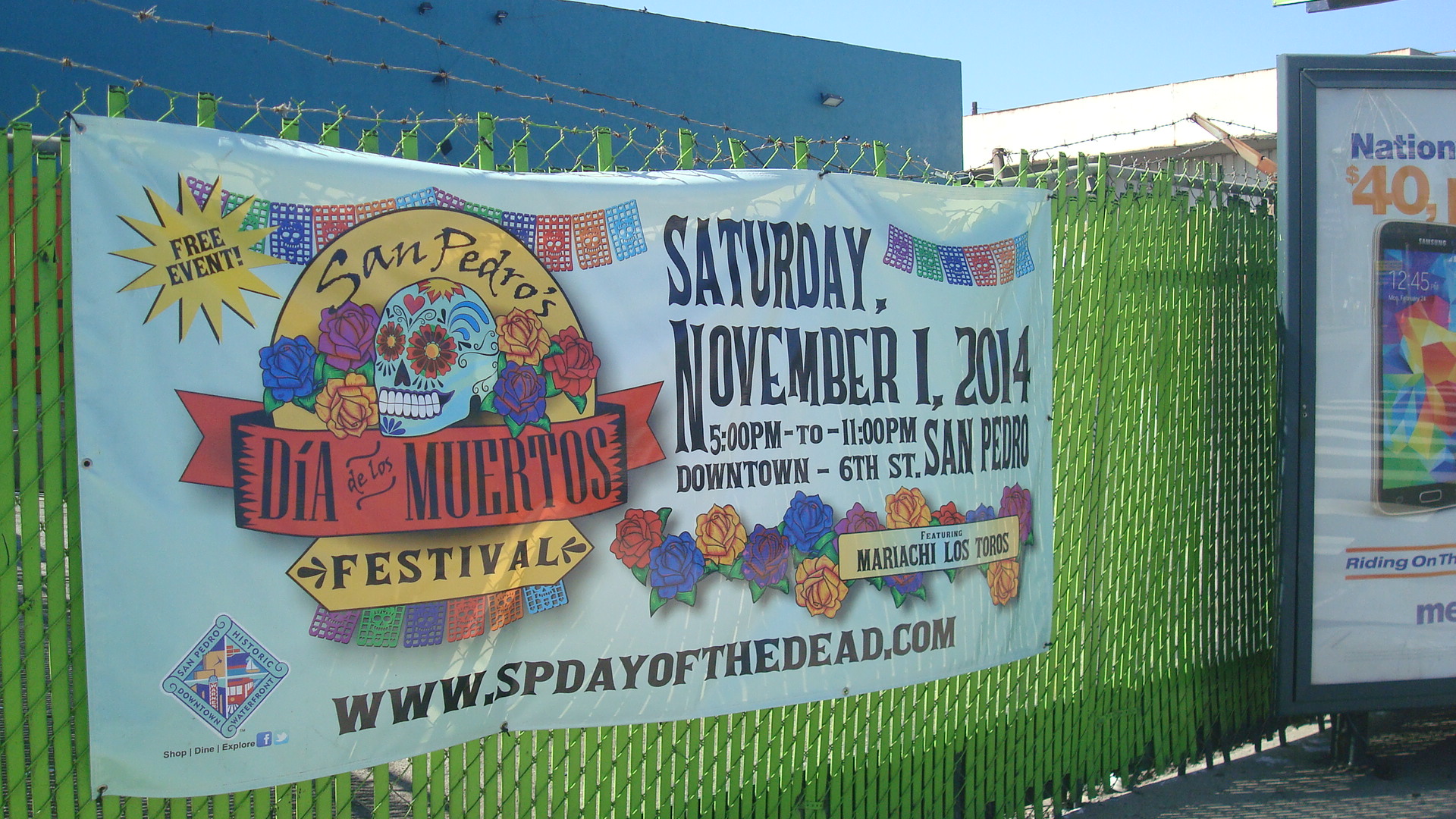
Banner advertising a Dia de los Muertos celebration on Harbor Boulevard.

Banner advertising a Dia de los Muertos celebration on Harbor Boulevard.

Today the Port of LA is one of the busiest harbors in the world, handling billions of dollars in goods and creating thousands of jobs. It is a major part of the regional economy, which is why we should all be concerned about the current strife between labor and management. The issues are extremely complex, and I don’t pretend to understand them all. To boil it down to the basics, shippers are struggling to cut costs because of increasing competition and workers are afraid of reduced compensation and the loss of jobs. This article from the Daily News offers more background.

Port Congestion Worsens, Labor Talks Escalate
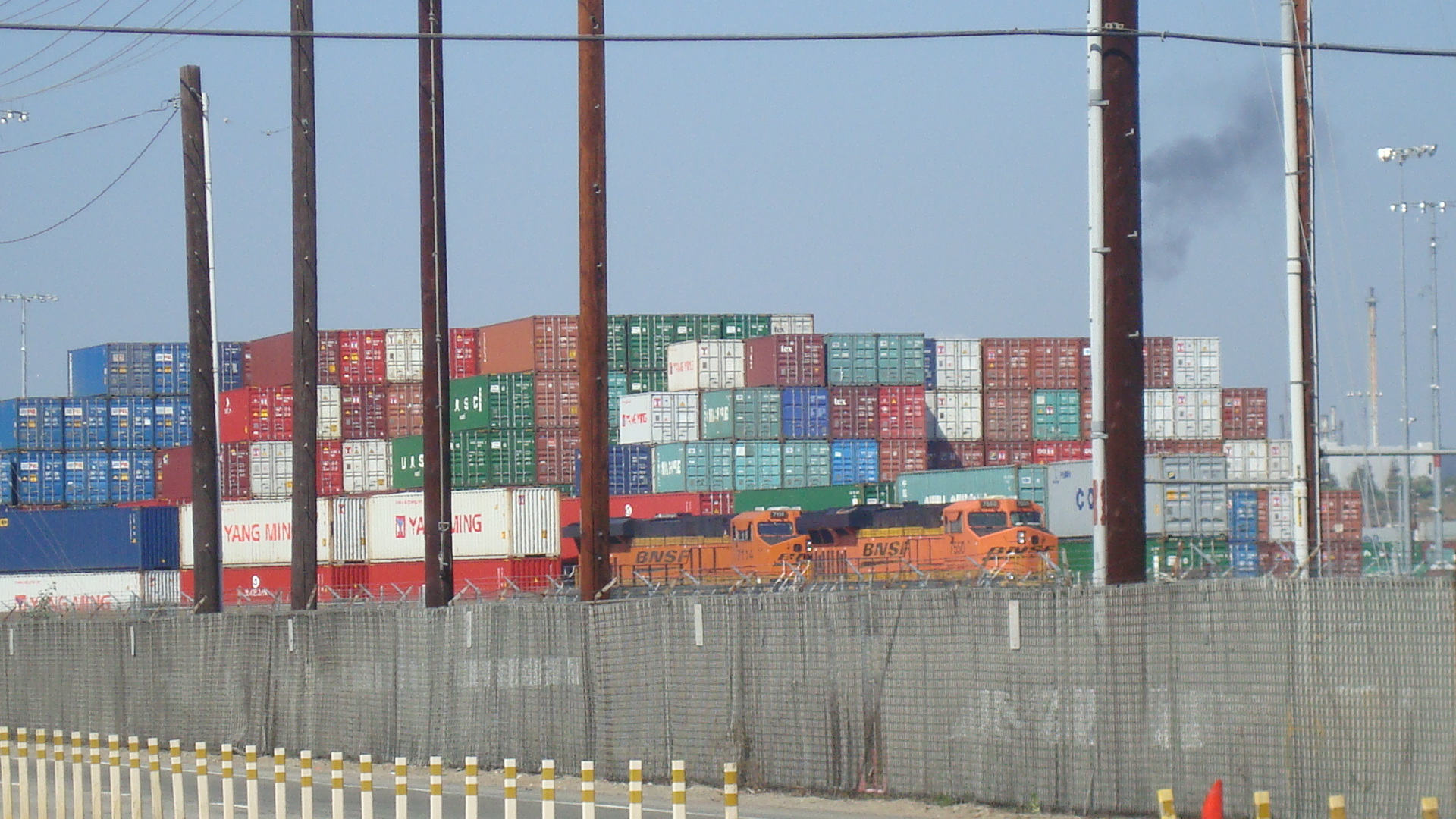
Stacks of containers seen from Harbor Boulevard.

Stacks of containers seen from Harbor Boulevard.

A crisis like this at the Port would be a problem any time of year, but it turns into an even bigger problem when it comes just before the holiday season. This is the period when retailers do most of their business, and there is massive anxiety about inventory not reaching the shelves in time. Tensions are running so high that Mayor Garcetti has stepped in to help, and business interests have sent a letter to President Obama asking him to intervene.
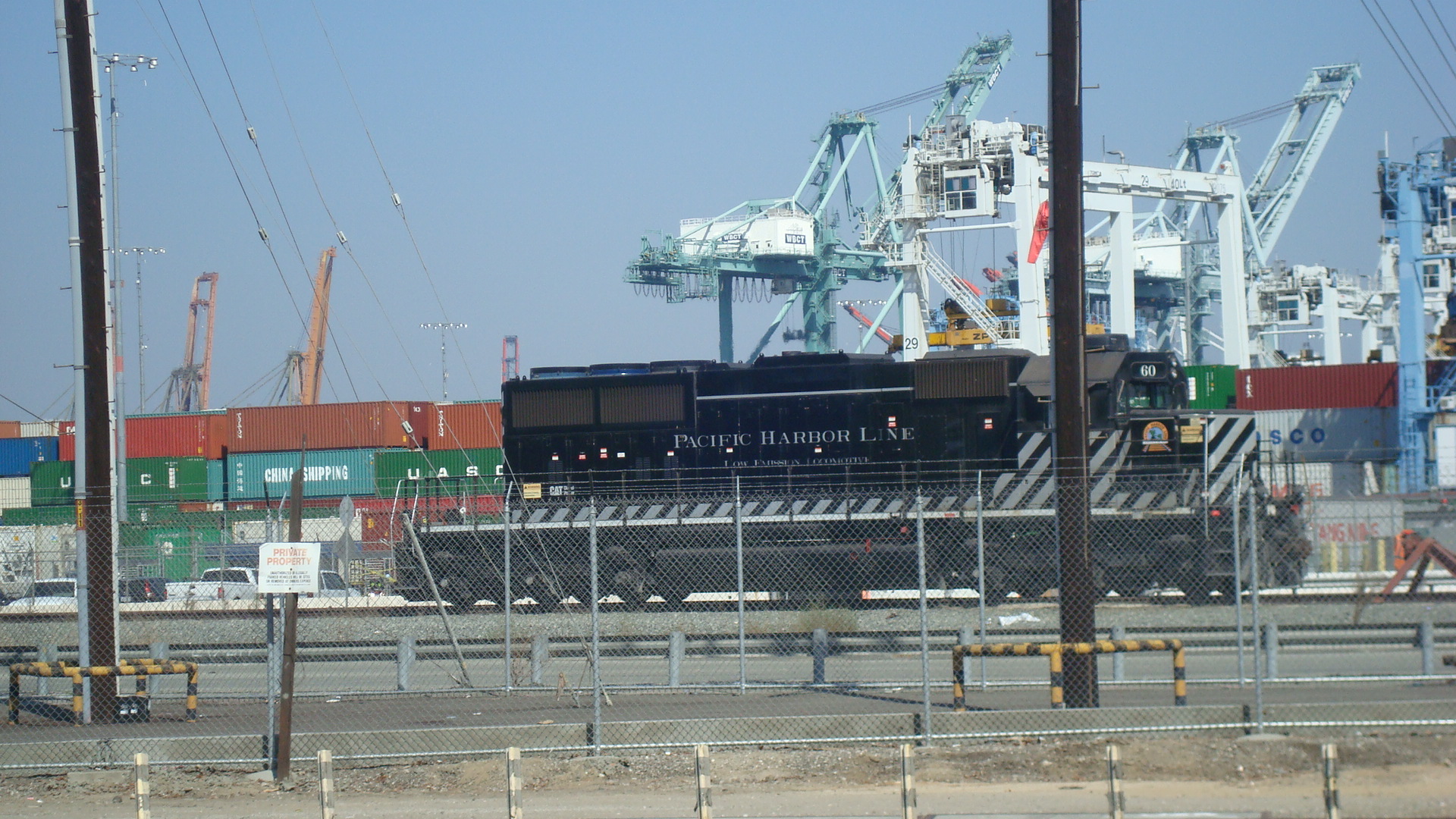
Rail lines carry containers from the Port to destinations throughout the nation.

Rail lines carry containers from the Port to destinations throughout the nation.

Resolving these problems won’t be easy. It’s not just a matter agreeing on a new contract. There are larger issues stemming from the way global markets are evolving, and even if this situation is resolved, there will be many challenges to come. These developments don’t just affect the local economy. The impacts will be felt throughout the state and the nation as well.

For those of us who tend to forget about San Pedro, Wilmington and the Port of LA, this should serve as a reminder that they’re vital part of our city.
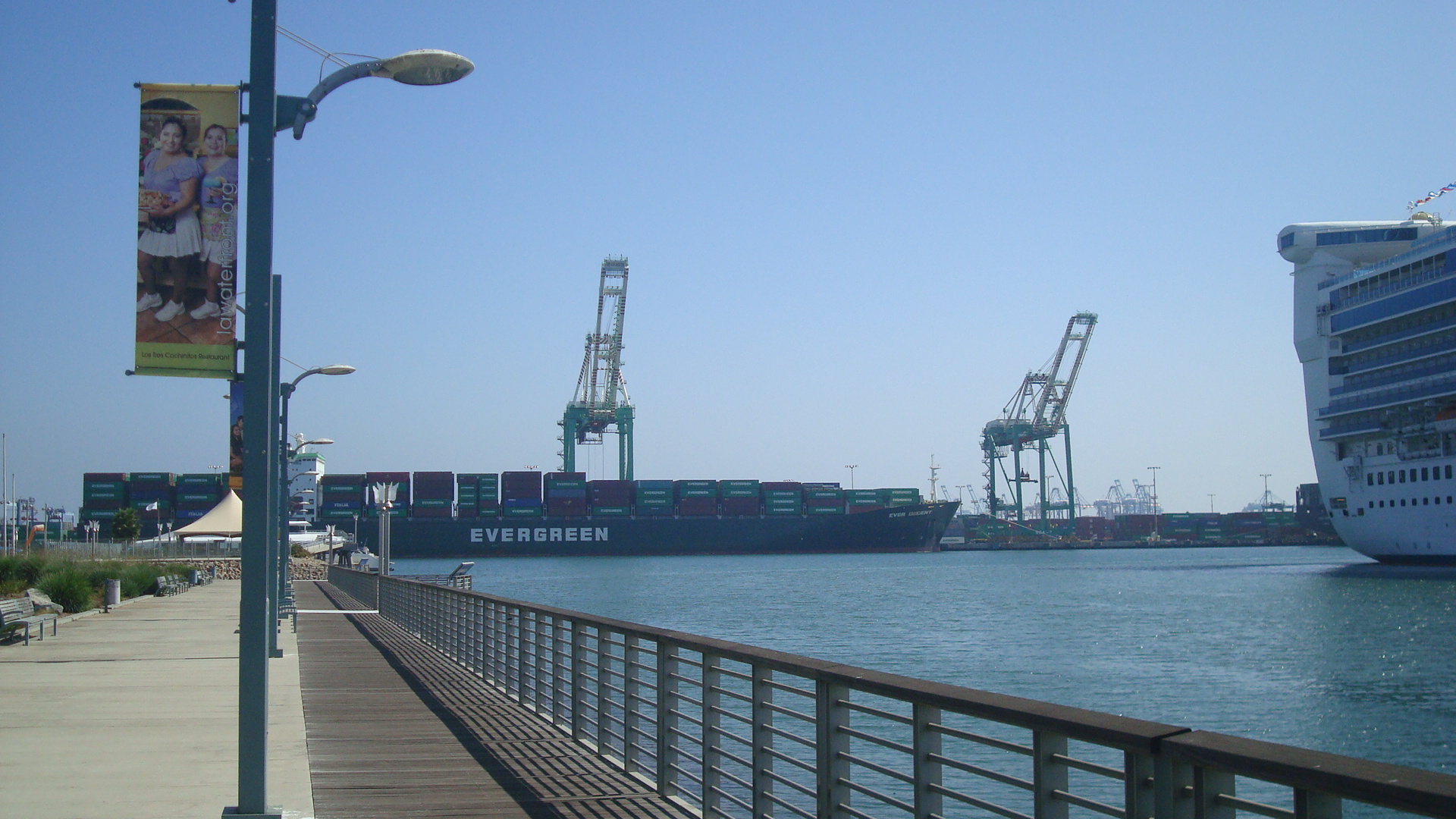
A view of the Port from the water's edge.

A view of the Port from the water’s edge.

MTA Offers a Helping Hand

Crnsw 3

Just a follow-up to a post I did recently on the construction of the Crenshaw/LAX Line. In that post, I mentioned how difficult it was for businesses along Crenshaw to keep their heads above water with street closures and reduced parking. Local merchants have been complaining about a steep drop in revenue, and the Metropolitan Transportation Authority has been listening.

In September the MTA established a fund to aid small businesses affected by the construction. And in October, the MTA approved the creation of the Business Solution Center, which will provide assistance with marketing, financial planning and legal counseling, as well as help in securing loans. Here’s a link to the article in the LA Sentinel.

MTA Awards BSC Contract to Del Richardson & Associates

This is a smart move by the MTA. Sure, the Crenshaw/LAX Line will help the neighborhood in the long run, but it’s important to ensure the survival of existing businesses. By approving these two programs, the MTA has shown a commitment to supporting small merchants as they deal with the challenges of the construction phase.

Transit Trauma

DSC07351

I don’t own a car. I take public transit everywhere. Generally it works out pretty well, but I wanted to share a few experiences I had recently….

Last week I spent an afternoon Downtown. I had an important meeting that night, and I figured I’d get on the subway at five, which would leave me an hour to make it back to Hollywood. Should’ve been plenty of time. The Red Line arrived just after five and I got on board. But apparently the brakes on that train had locked up, and after ten minutes the conductor still hadn’t been able to resolve the problem.

I had to make it back to Hollywood by six. Now I had forty five minutes, and it seemed unlikely that a bus travelling at rush hour would get me home in time. So I ended up taking a cab, which cost me twenty five bucks, plus tip.

Monday morning I was heading out to the Panorama City, a trip that takes three busses. Unfortunately, at one of my connecting points, I saw the bus I needed speeding past when I was still a block from the stop. It was five minutes early. I had to wait for the next one, which made me fifteen minutes late.

And then there was Wednesday morning. I got to the Red Line station at Hollywood and Highland. I was waiting on the platform when a voice came over the PA saying that there was no service to the North Hollywood station. Due to a power outage, the trains were only running to Universal City. Immediately I tried to think of other options, but there’s only one bus that goes to North Hollywood and it doesn’t run often. I glanced at the monitor above me to check the time. But the monitor wasn’t working.

I ended up getting on the train to Universal City. Once we arrived, it turned out the escalator to street level was out of order. Actually, it’s pretty common for escalators and elevators serving the subways to be out of commission. This morning it meant that the mass of people climbing the stairs had to contend with the people going down the stairs at the same time.

At Universal I had to get on the 224, which was packed to capacity, to get to North Hollywood. I felt like I was riding in a cattle car. At North Hollywood I got on the Orange Line, which was also packed to capacity, to make the trip out to Van Nuys. Amazingly, I was only fifteen minutes late.

Now I’m not bringing all this up because I want to slag public transit. I like public transit. I definitely prefer it to driving. It’s way cheaper and way less stressful. And most of the time it gets me where I want to go more or less reliably. But I have some serious questions about the direction the MTA is taking things.

In September the MTA raised fares. A day pass went from $5 to $7, and a monthly pass went from $75 to $100, a 40% increase and a 33% increase respectively. I realize that this is the first fare hike in four years, and that the MTA is running a substantial deficit. I also realize that tickets only cover about 28% of operating costs, and that anything less than 33% can jeopardize federal funding. But these are still huge hikes. And the while the MTA has postponed further fare increases for the moment, you can be sure they’re coming. On top of that, the Daily News reports that the MTA is considering further service cuts, even though they’ve already cut hundreds of thousands of service hours in the last few years. Here’s the article.

Fare Hikes Won’t Fix Agency’s Deficit

So here’s what worries me. The MTA seems determined to continue raising fares and cutting service as it struggles to resolve its financial difficulties. I have to ask if this is really going to encourage Angelenos to ride busses and trains. I hear a lot of talk about how people have to abandon cars and embrace public transit, but this course of action seems guaranteed to drive people away. That’s already happened with Metrolink. For the last few years Metrolink ridership has been declining, and customers have cited rising costs and declining service as the reason they’ve gone back to using their cars.

The Mayor and the MTA Board have put Los Angeles on the fast track when it comes to building new transit projects, which sounds good in theory. But these hugely expensive projects are years away from completion, and the MTA seems unable to even maintain current levels of service.

There’s something really wrong here. If the MTA wants us to believe that they’re going to be able to manage a vastly expanded transit system, they need to do a better job of managing the system we’ve got now. Otherwise, instead of attracting new riders, they’re going to lose the ones they’ve got.

When the Well Runs Dry

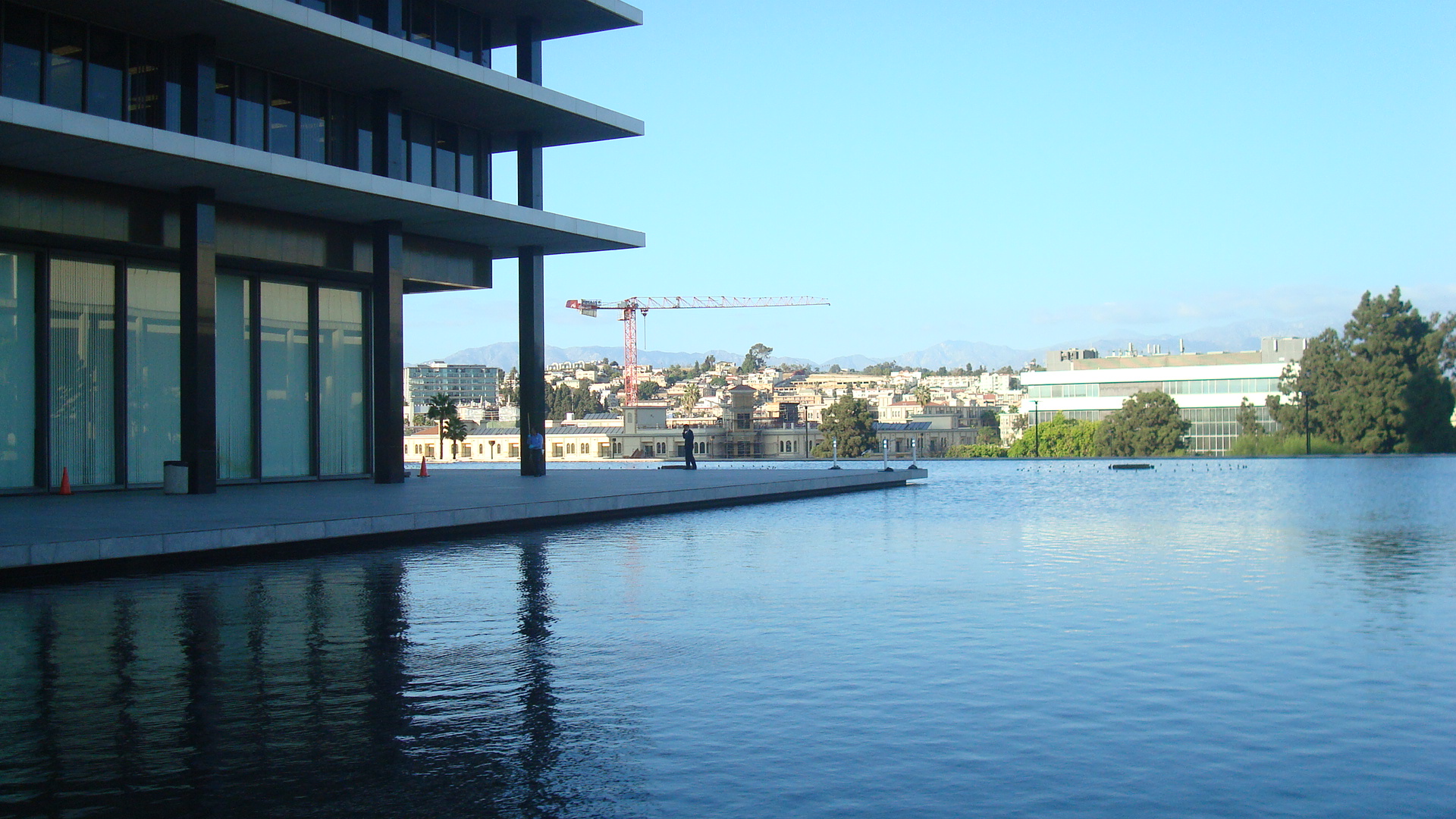
John Ferraro Building (LA Department of Water and Power)

John Ferraro Building (LA Department of Water and Power)

Last week Mayor Garcetti asked Los Angeles residents to cut their water usage by twenty percent. Even though he was basically echoing the governor’s message to all Californians, this was an important step. Angelenos have slowly been climbing on board the conservation bandwagon, but we need to do more.

Over eighty percent of the water we use in Los Angeles comes from outside the city’s boundaries. The only way LA has been able to grow as large as it has is by siphoning water from the Owens Valley and the Colorado River. But due to the current drought, these sources are drying up. In addition, many of the wells in the San Fernando Valley are contaminated, and cleaning them up will be a long, costly endeavor. Here’s a sobering article from the American Society of Civil Engineers web site.

LA to Treat Contaminated Groundwater for City Use

Not only do we need to conserve water in the present, we need to plan for water usage in the future. The City should take a hard look at current requirements for new projects, and ask if there are ways to build structures that are more efficient. In general, we need to look at how future development will impact our water resources. The City needs to consider the cumulative impact of proposed projects on our dwindling supply.

Restaurants in particular should come under special scrutiny, since they consume a great deal of water in their day to day operations. There are a number of ways they can reduce their consumption. Replacing water cooled refrigeration units with air cooled units is a good start. They should also be required to use low volume spray nozzles for washing food. Composting waste instead of using a garbage disposal will also reduce water consumption. I know running a restaurant is difficult, and all these things cost money. Possibly the City could require new restaurants to take these steps, but allow existing restaurants to make the changes over time. And in the long term, adopting these practices will actually save restaurant owners money.

The Department of Water and Power building is a classic modern structure from the sixties, designed by Albert C. Martin & Associates. One of the key elements of the design is the reflecting pool that borders the site. It’s not just beautiful, it’s functional, having been integrated into the system that cools the offices. But it also plays an important symbolic role. Surrounding the Department of Water and Power with an expansive reflecting pool makes a statement about how an area with limited water resources was transformed into a major city, known for its lush green lawns and sparkling swimming pools.

Unfortunately, that isn’t the Los Angeles we’re living in today.

DSC07338

Boom Town

Dntn Fed 3 Skln

Downtown is exploding. There’s so much construction going on I can’t even keep track of it. Massive new office and residential buildings are springing up all over the place. There are also efforts underway to revitalize a number of older buildings. Some of this stuff is cool, some of it is dumb, but I’m less concerned about the quality of the individual projects than I am with the cumulative impact of all this construction. More on that later.

Let’s start by sampling a few of the projects currently under construction….

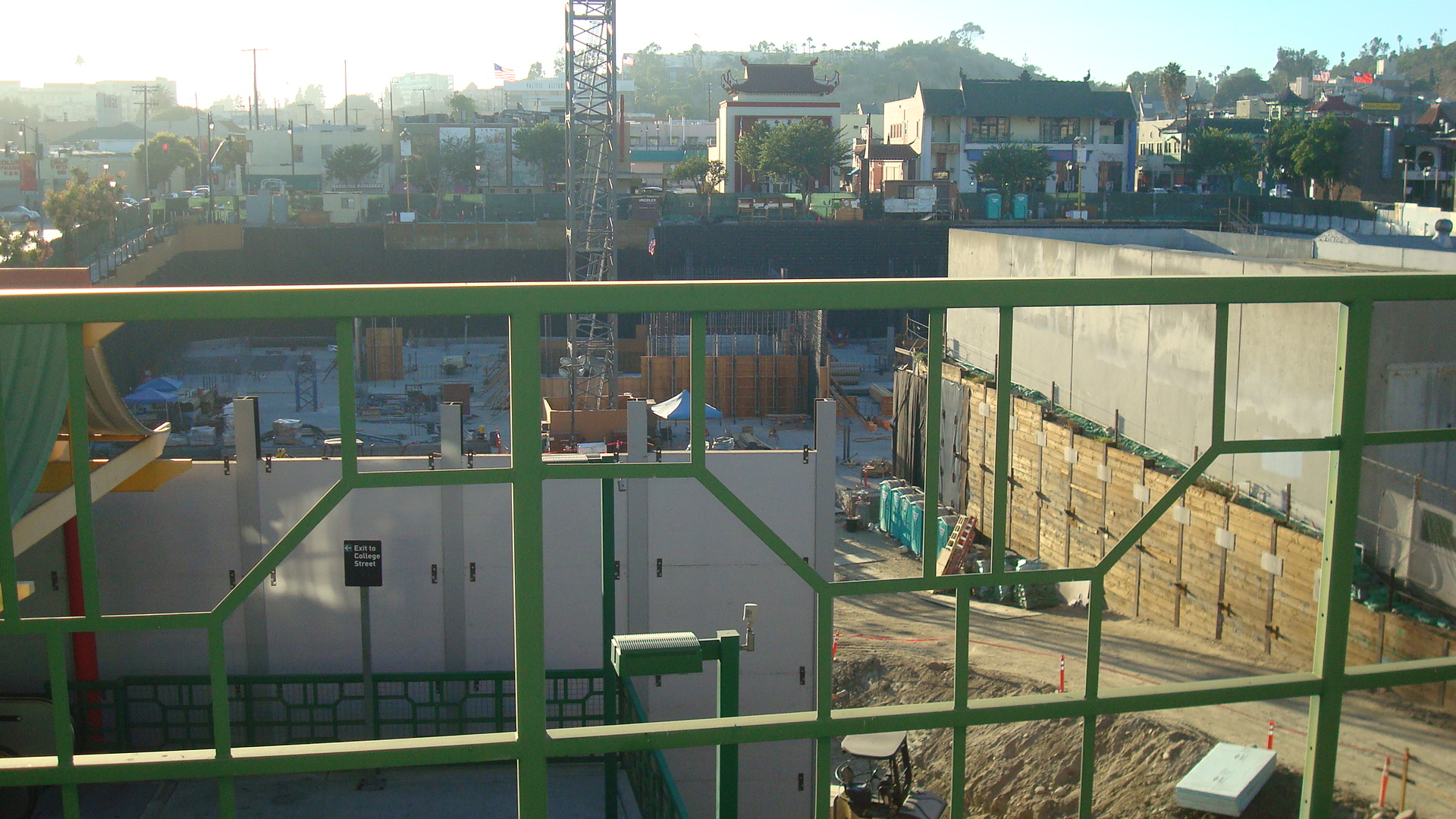
Dntn 00 ChTown

This is the Blossom Plaza, which combines retail and residential, including a fair number of affordable units. It took years for this to get off the ground, and there was a recent hitch when workers uncovered remnants of the original Zanja Madre, but things are moving forward. Curbed LA has been following the story for a while, and you can read more about it by clicking here.

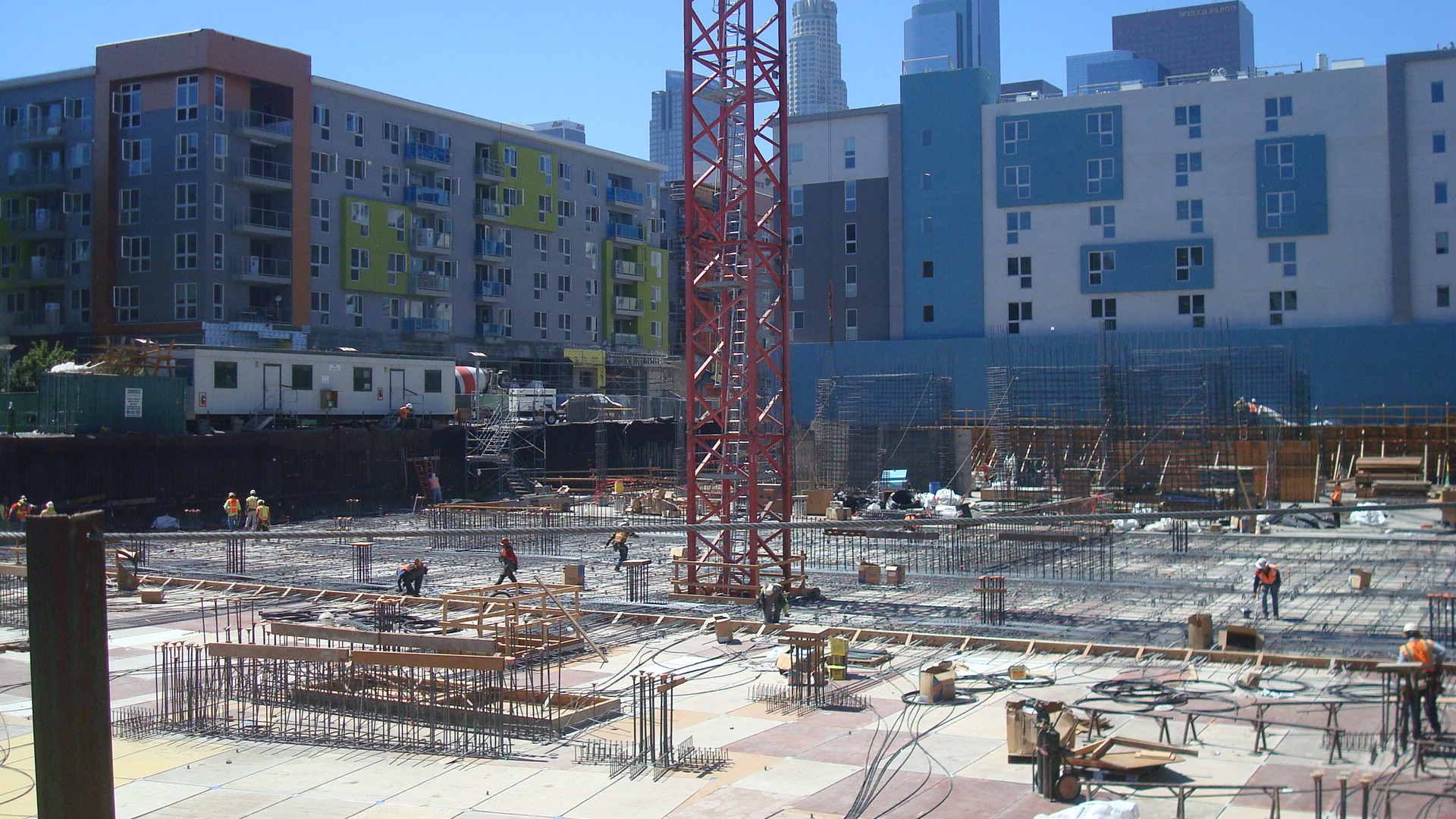
Dntn 05 LT Site 2

I had a harder time finding current info about this project. The most recent report I read said this was a 240 unit complex being developed by the Irvine-based Sares-Regis Group. Whatever it is, it looks like it’s going to be huge. The site is located at Second and San Pedro, right next to….

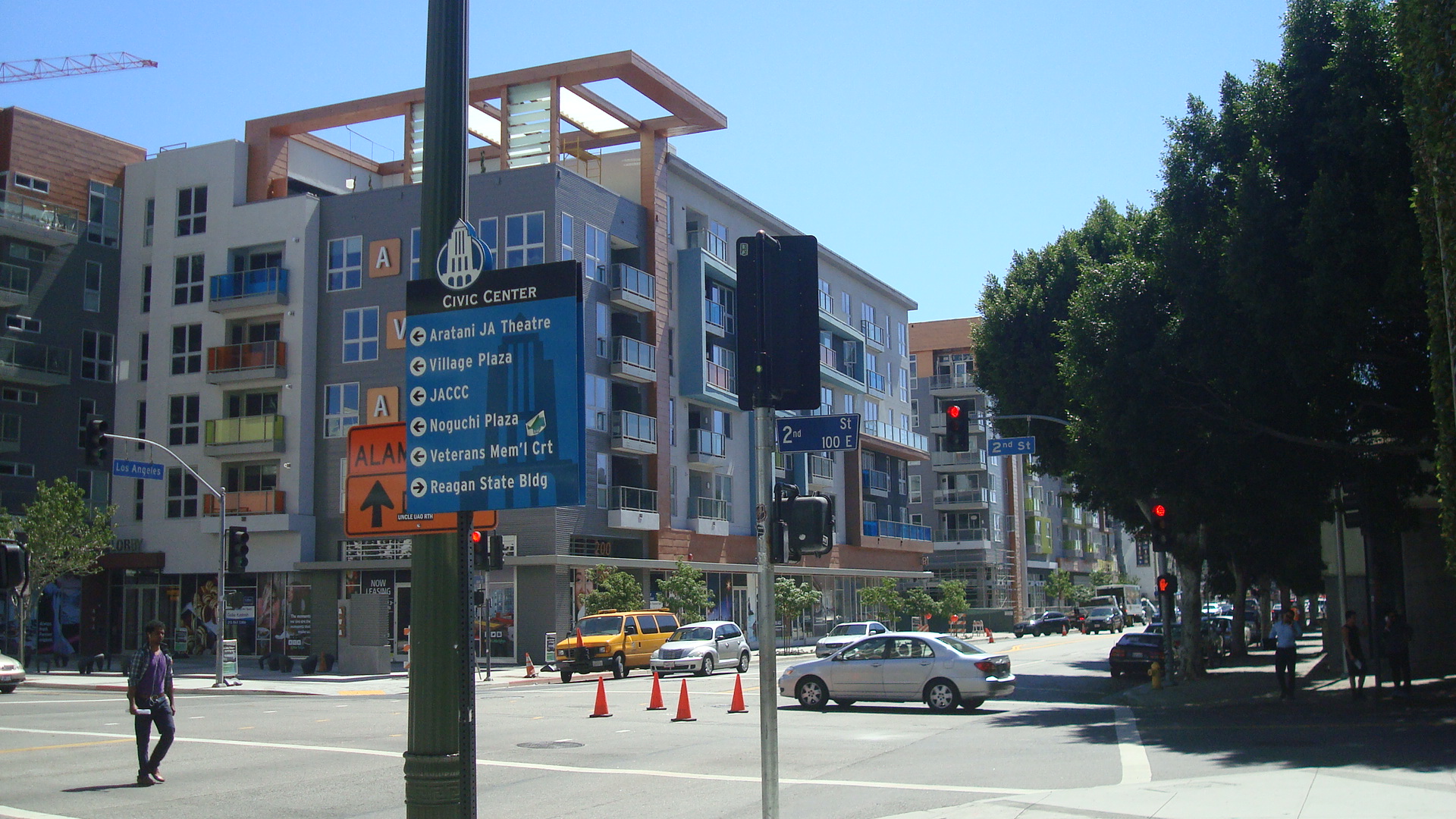
Dntn 10 Ava Trees

….the recently completed AVA Little Tokyo, another massive mixed-use structure. Apparently young people are flocking to Downtown LA these days, and developers are doing everything they can to capture that crowd. Check out this ad, seen in one of the windows on the ground floor.
Dntn 15 Ava Ad

The way I read this is, “If your highest priority is mindless self-indulgence, this is the place for you.”

And since we don’t have enough luxury rental units in Downtown LA already, Carmel Partners has generously agreed to build 700 more. As you can see in the photo below, it’ll be a while before the project is complete.

Dntn 20 Bldg Frame

You may want to put a deposit down soon. Given the list of amenities, I don’t doubt that the Eighth & Grand complex will be popular. I was sold when I heard about the rooftop pool surrounded by cabanas. For more details, click here.

Dntn 30 Fed 4 Skln

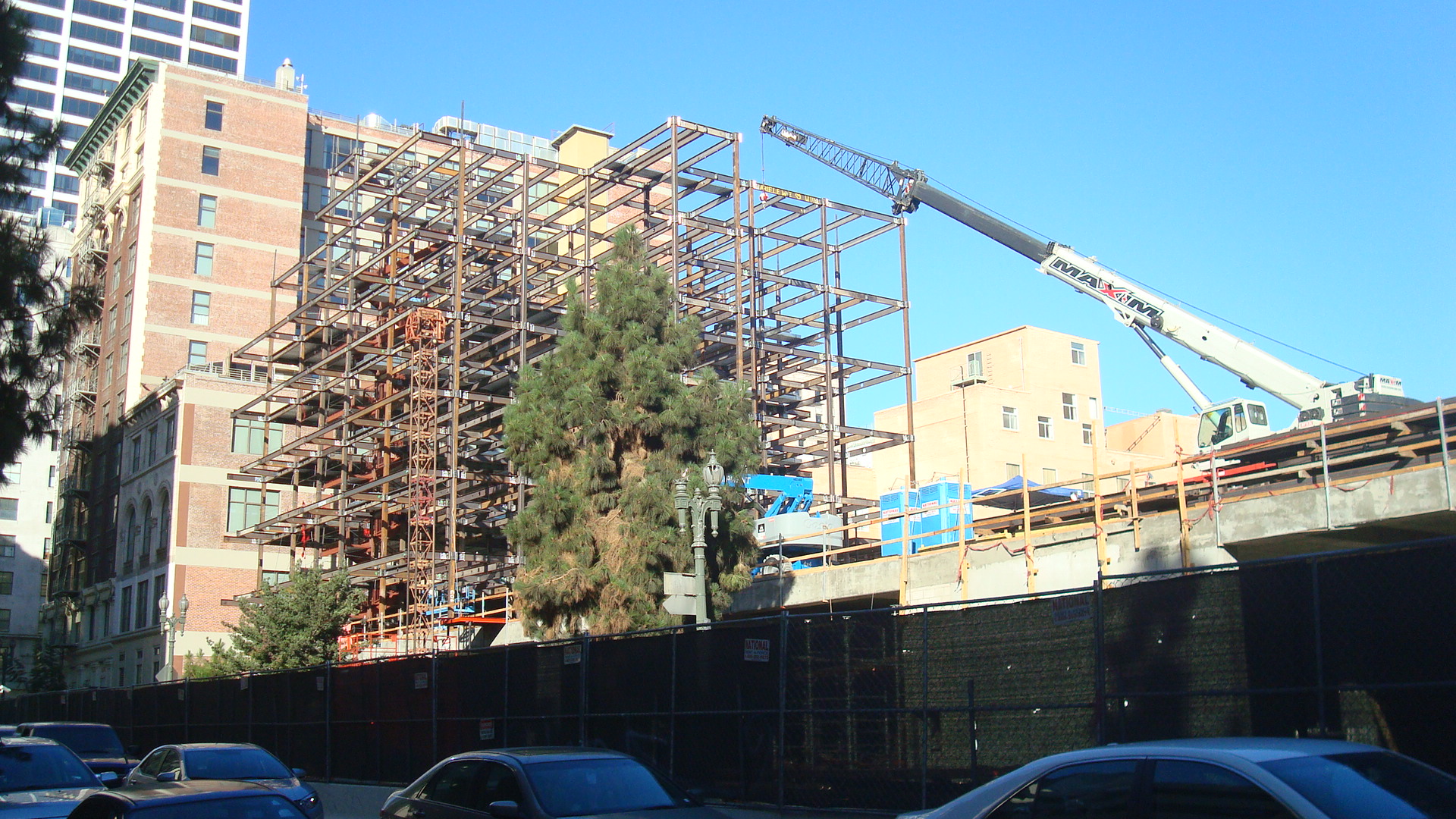
But let’s talk about a project that might actually benefit the people of Los Angeles. Here’s the new federal courthouse, which is finally going up after being delayed for years. The courthouse is just one component in a larger scheme to revitalize this part of the civic center. Building Los Angeles offers a rundown on some of the related efforts.

Dntn 35 Broad 3

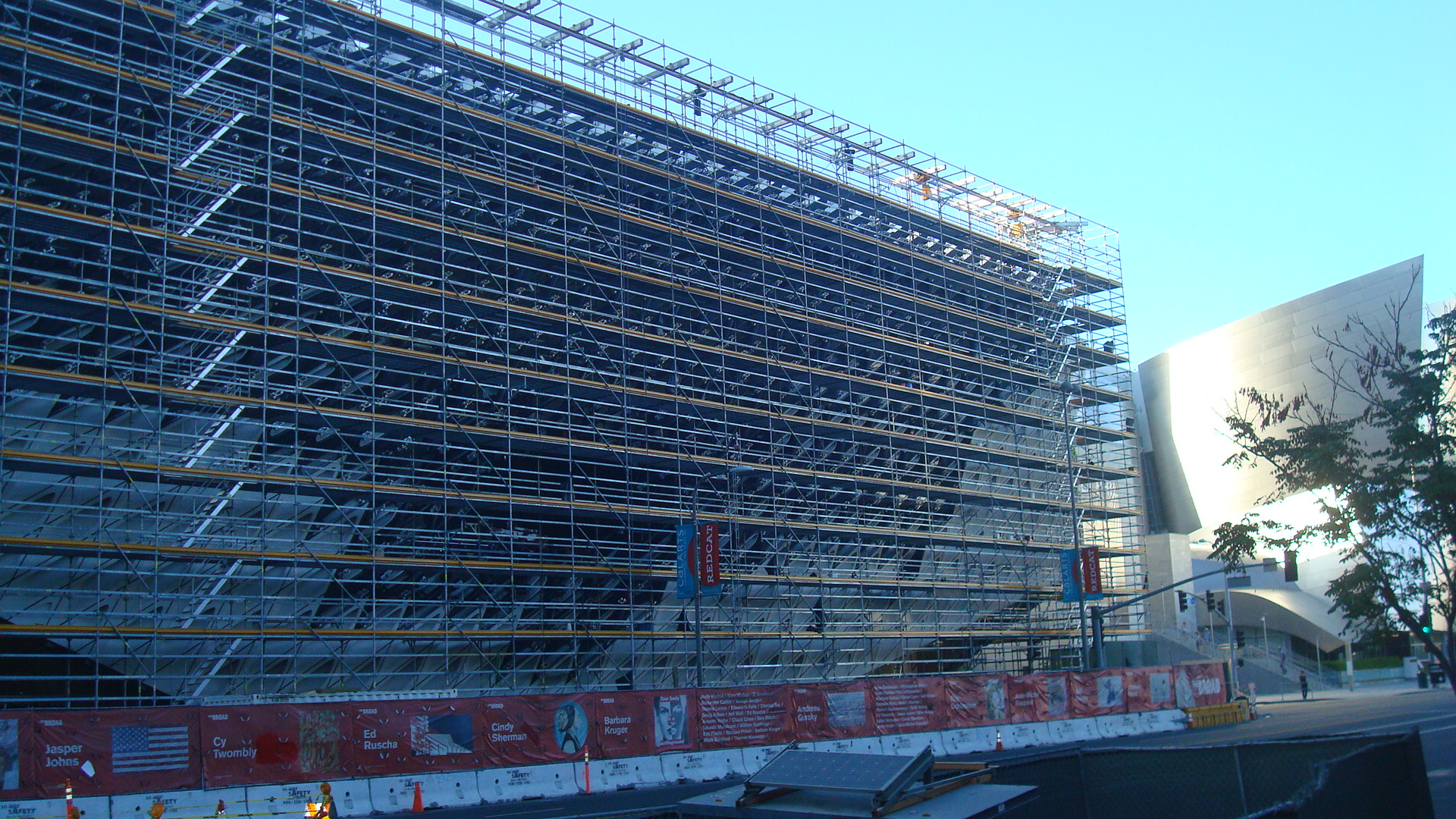
Honestly, of all the projects under construction in Downtown LA, the only one I can really get excited about is The Broad. It’s still a long way from completion, and the web site just says that it will open in 2015. But it’s something to look forward to. And they’re already doing some cool programming. Click here to find out what’s going on.

Dntn 40 TB Backhoe

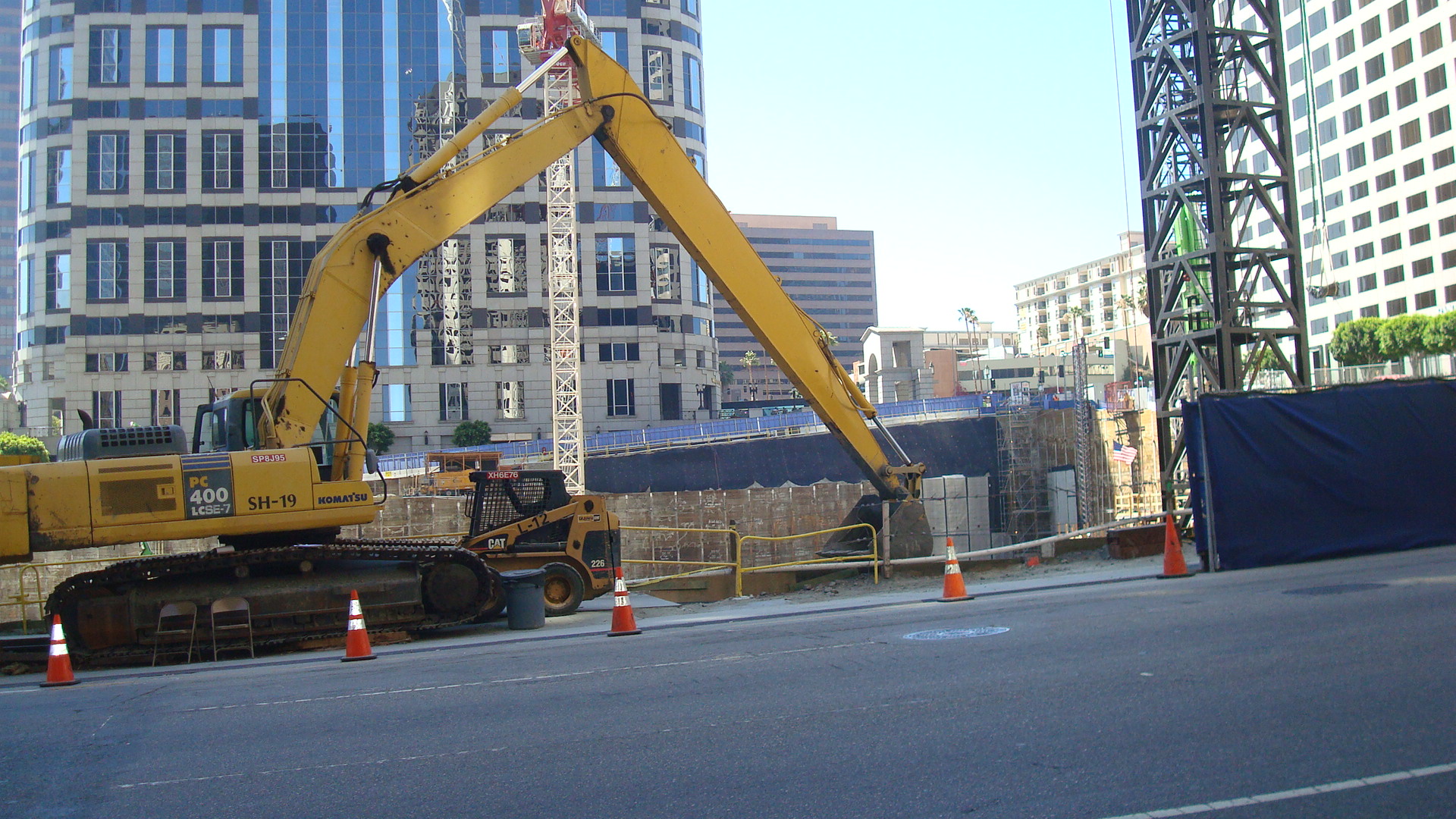
And let’s wrap it up with the New Wilshire Grand. It’s said that when the project is completed, this will be the tallest building west of the Mississippi. Who cares? I’m so tired of this kind of development. Does this really have anything to do with making the city a better place to live? Or is it just another monument to greed and vanity?

There’s a lot of talk right now about how LA has to embrace higher density development. Fine. There are good reasons to create a more compact city, and certainly sprawl has been a major problem throughout our history. But can anybody demonstrate a need for skyscrapers of this size? And looking at the bigger picture, do we really have the infrastructure to support development on this scale? I’m thinking especially of water, since we are in the middle of a drought. The projects I’ve highlighted here are just a few of the dozens that are either currently under construction or in the permitting process.

When I look at the avalanche of development that’s hitting Downtown LA, I have to ask if anybody at City Hall is thinking about the future, because I don’t see any evidence of rational planning. Instead, I see an onslaught of construction driven by developers who are falling all over themselves to get in on the gold rush. I really question whether the Mayor or the City Council have given any serious thought to how this massive growth spree is going to affect LA down the road. I wish I could believe they were really concerned about the well-being of the people of Los Angeles. It seems more likely that their chief concern is keeping their developer buddies happy.

So What Are We Really Getting Here?

The new Regional Intermodal Transportation Center at Burbank Airport.

The new Regional Intermodal Transportation Center at Burbank Airport.

I’d heard that the Burbank Airport’s new Regional Intermodal Transportation Center opened some weeks ago, and I’d been meaning to check it out. This morning I went over and took a few photos. It looks nice, but at this point I’m not sure if it’s bringing any huge benefits.

I understand that it’s a work in progress, and I hope the completed project lives up to the PR, but right now it seems like what they’ve got is a massive new parking structure that houses a bunch of rental car companies. The MTA web site says….

“[The RITC] establishes the first direct rail-to-terminal connection at any Southern California airport.”

Actually, the airport was built adjacent to the rail line, which has been there since before WWII, and access to the Metrolink/Amtrak stop is no easier than it was before. Even the proposed bridge to the tracks isn’t going to make a huge difference. At some point the RITC is supposed to house a bus terminal, and that could be useful. Bicycle storage facilities are included in the project, but I’m not sure how many people are going to ride a bike to or from the airport.

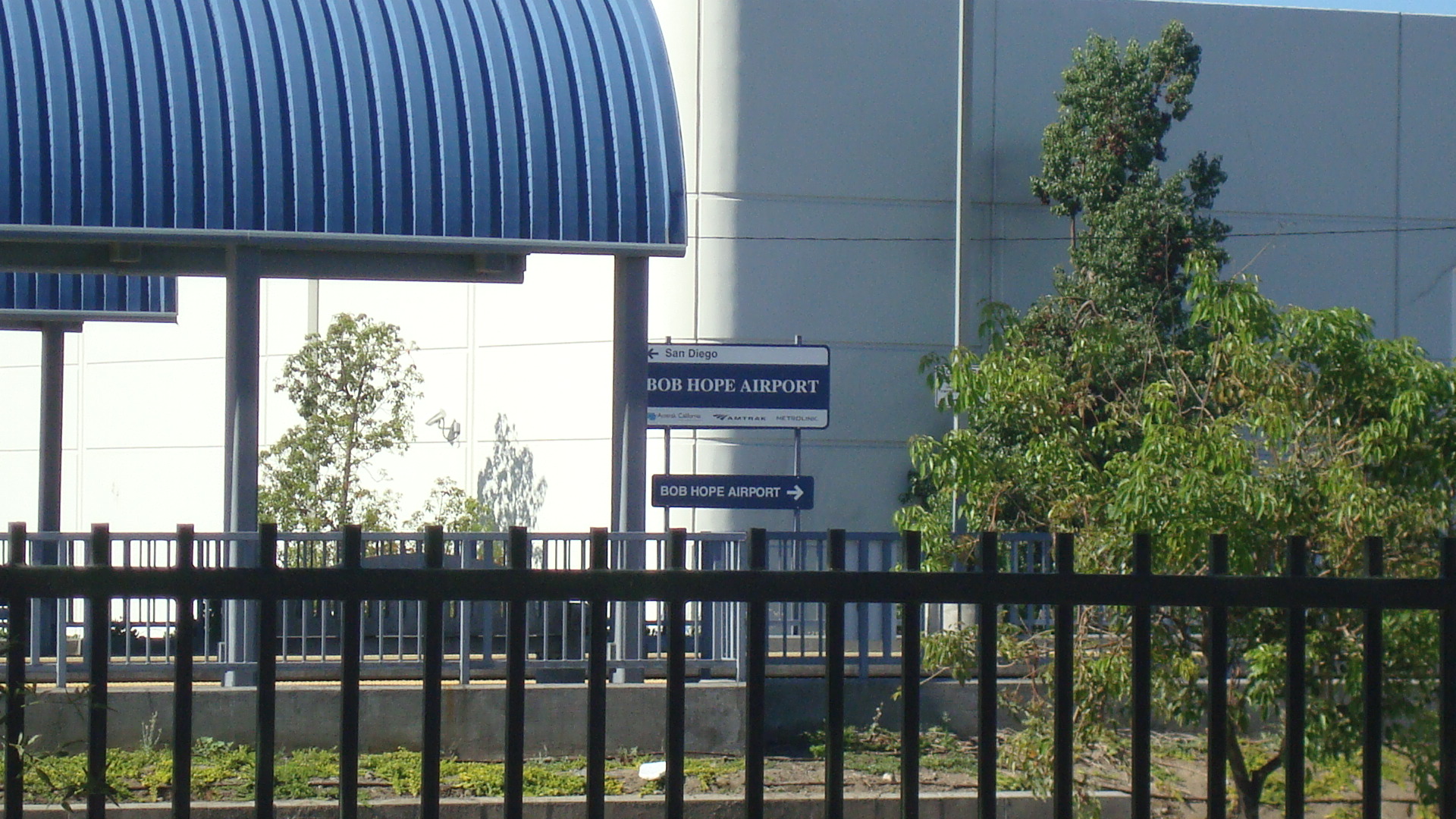
Metrolink/Amtrak stop near Burbank Airport.

Metrolink/Amtrak stop near Burbank Airport.

Below is a link to an article on Curbed. It’s a brief piece that just gives the basic facts about the RITC, but the comments are interesting.

New Transit Center at Bob Hope Airport

Some commenters point out that there would be real benefits in extending the Orange Line to Burbank Airport, and I agree completely. There is a shuttle from the transit center in North Hollywood to the airport, but light rail would be so much easier. I think, though, that plan was proposed years ago, and the MTA couldn’t sell it to the community. If I remember correctly, the Orange Line was originally supposed to be a light rail line that ran from Burbank Airport to Warner Center. As I recall, people in Burbank didn’t like the idea, and residents along the Chandler corridor were up in arms about trains running through their neighborhood. Cost was also a factor. So the MTA settled for what they could get, which was an express bus line from North Hollywood to the West Valley.

At Hertz, you're not just renting a car, you're renting a fantasy.

At Hertz, you’re not just renting a car, you’re renting a fantasy.

I don’t mean to dismiss the RITC, because in time it could become a useful transit nexus. But at this point it seems to be more about hype than about real benefit to the community.

From the RITC, a view of the mountains to the north.

From the RITC, a view of the mountains to the north.

Reconstructing Crenshaw

Crsw 01 Future

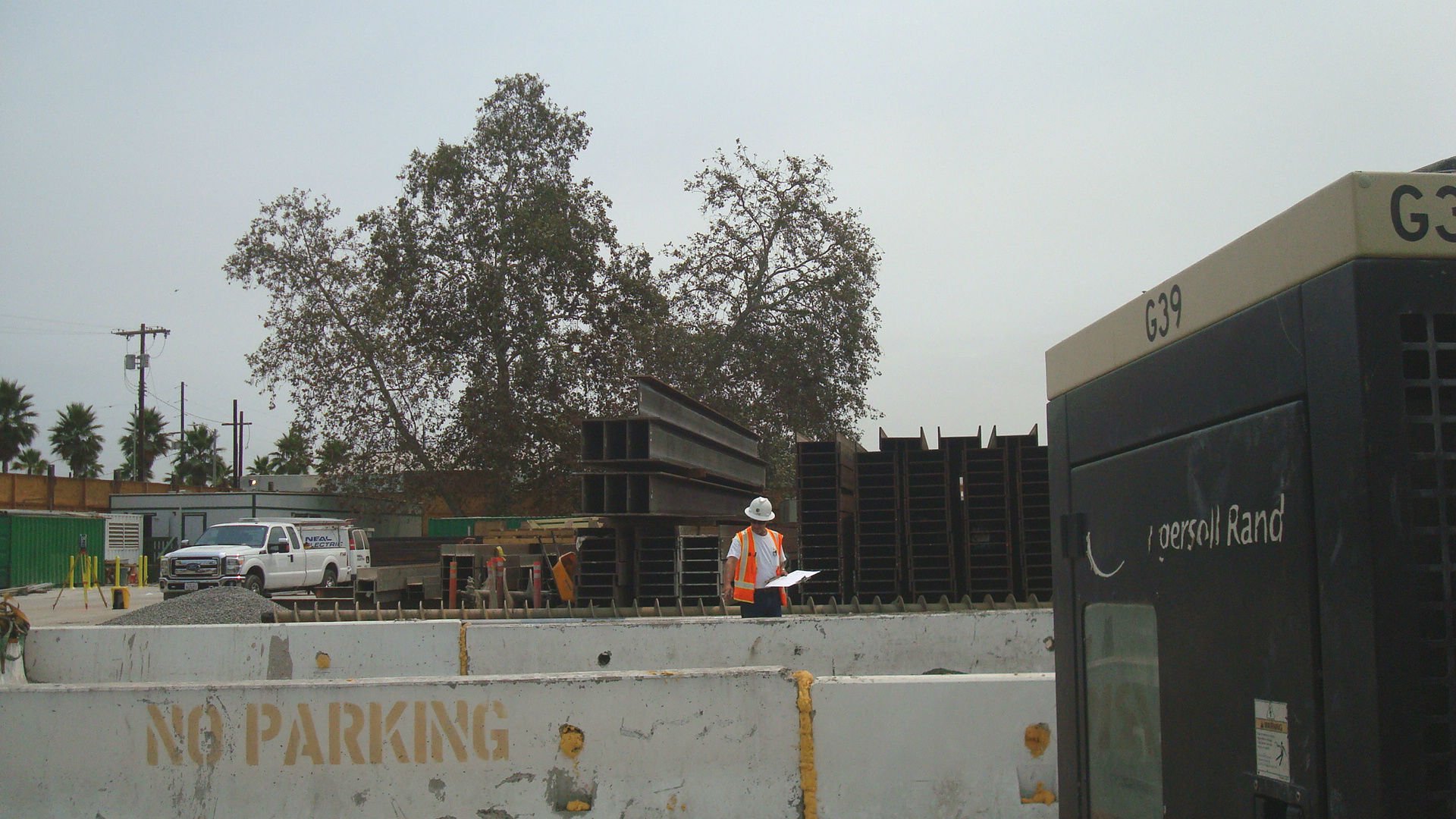
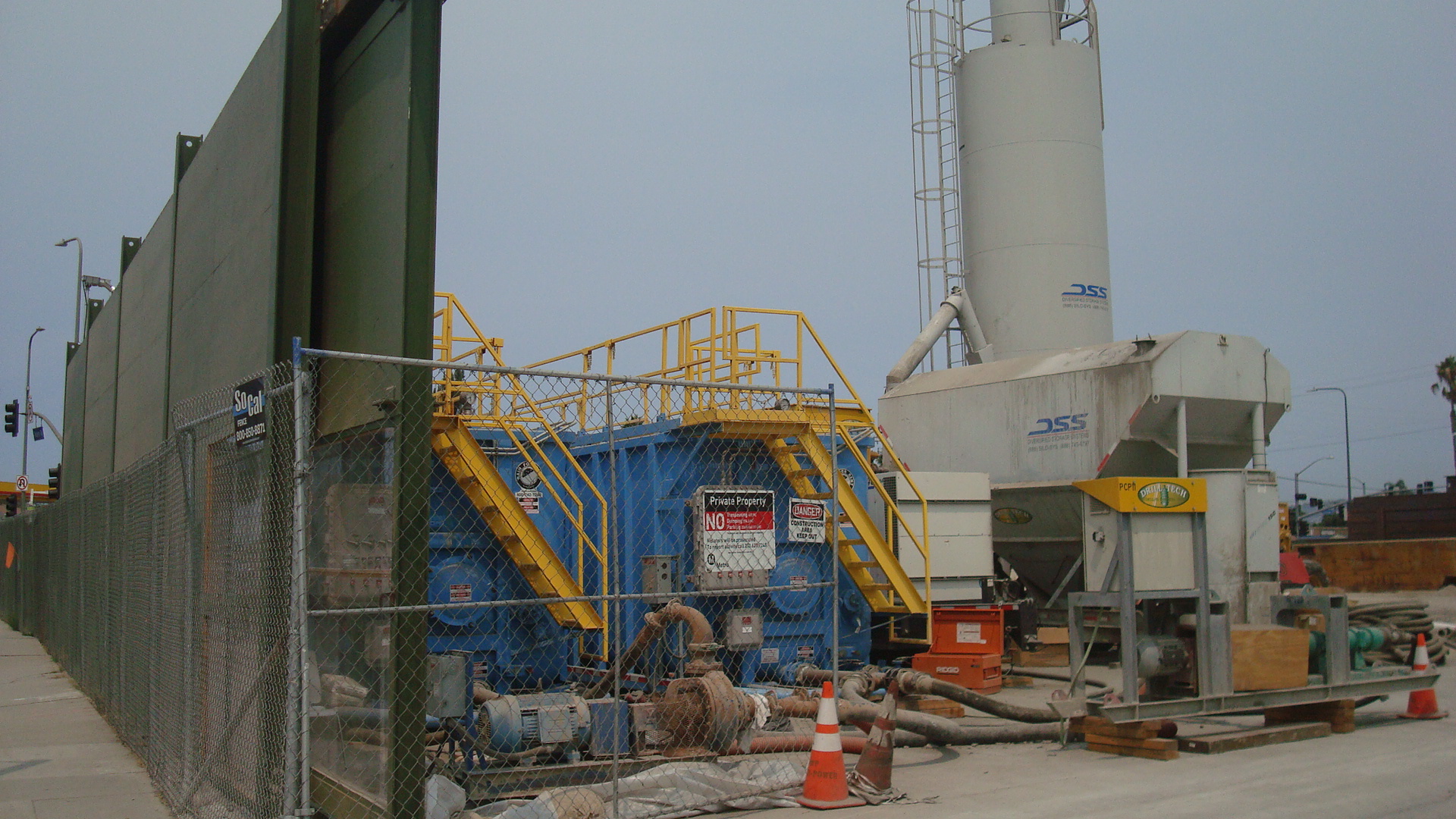
Last week I went down to Crenshaw and Exposition to see what was happening with the construction of the Crenshaw/LAX Line. Work is underway, though it will be years before the project is finished.

A view from the Crenshaw side of the construction site.

A view from the Crenshaw side of the construction site.

Another view from the Crenshaw side.

Another view from the Crenshaw side.

And here's a shot taken from the entrance to the site.

And here’s a shot taken from the entrance to the site.

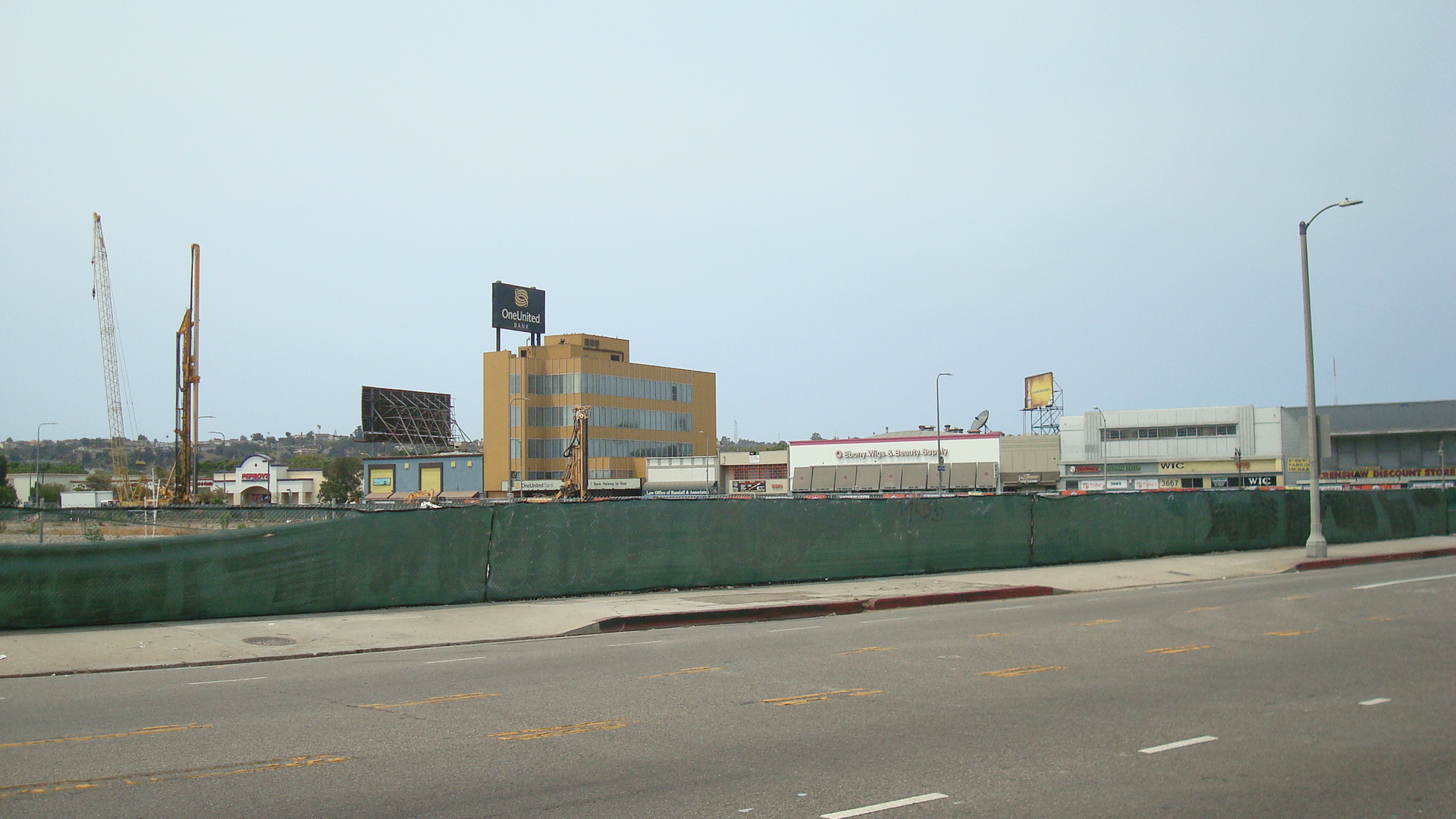
While I was there I also took a look at the huge vacant lot that runs along Crenshaw just below the MTA’s construction site.

The fence surrounds a large empty parcel just across the street from the MTA site.

The fence surrounds a large empty parcel just across the street from the MTA site.

I was wondering if there were any plans to develop the parcel, so I got on the net and started looking around. Apparently this will be the home of the proposed District Square retail complex. For more info, follow this link to a post from earlier this year on Building Los Angeles.

District Square

Right now it’s just a lot of dirt, but the temporary fence running around this area does offer the candidates in the school board special election a place to post their ads.

School board candidates vying for your vote.

School board candidates vying for your vote.

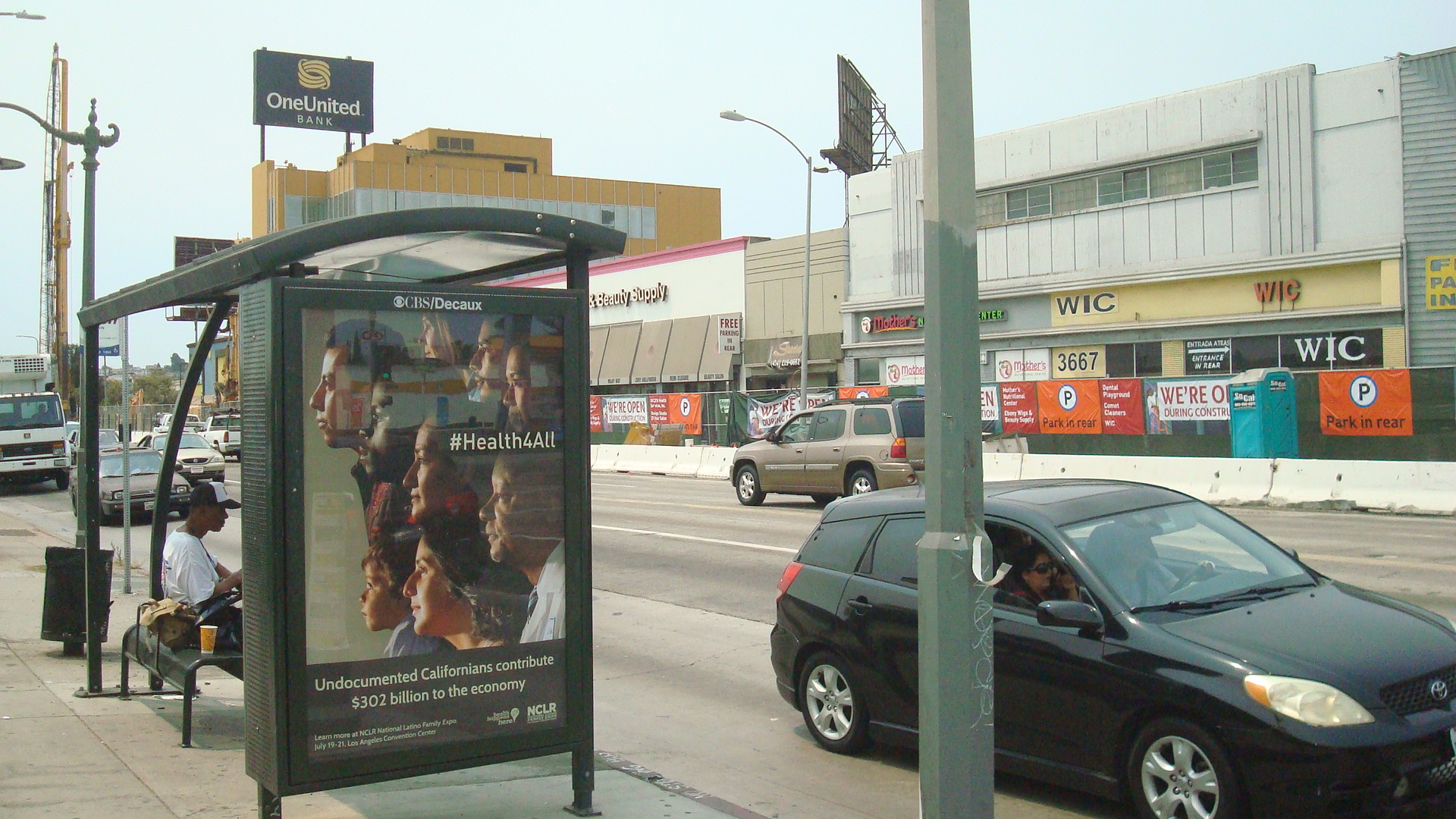
You can see the barricades blocking off a good stretch of Crenshaw. Also the large signs letting people know that the businesses along Crenshaw are open during construction.

Looking at the barricades set up on the west side of Crenshaw during construction.

Looking at the barricades set up on the west side of Crenshaw during construction.

Projects like this can be really hard on business owners, since the work impacts both traffic and parking. And we’re not just talking about a few months, but years. In the long run, the transit line will probably bring more people to the area and be a boon to local merchants, but in the short term, the construction can cause real hardship.

Heavy machinery parked on Crenshaw.

Heavy machinery parked on Crenshaw.

If you haven’t already read about the Crenshaw/LAX Line, here’s a link to the overview at the MTA’s web site.

Crenshaw/LAX Transit Project

Transformations

TW 00 GW Campus

Around the middle of the twentieth century, over a period of decades, the LA County Flood Control District did their damnedest to encase most of the city’s waterways in concrete. Apparently it seemed like a good idea at the time. From our contemporary perspective, it looks like a colossal mistake. But what can we do? We don’t have the means to break up the hundreds of miles of concrete that were poured back in the last century. So we’re doing what we can, getting behind small projects that we hope will eventually have a cumulative impact.

I’ve lived in LA all my life, and it still amazes me how little I know about this city. The Tujunga Wash runs from the San Gabriel Mountains, across the San Fernando Valley and feeds into the LA River around Studio City. Recently I started paying attention to the stretch that runs along Coldwater Canyon between Burbank and Oxnard. What I found was pretty interesting.

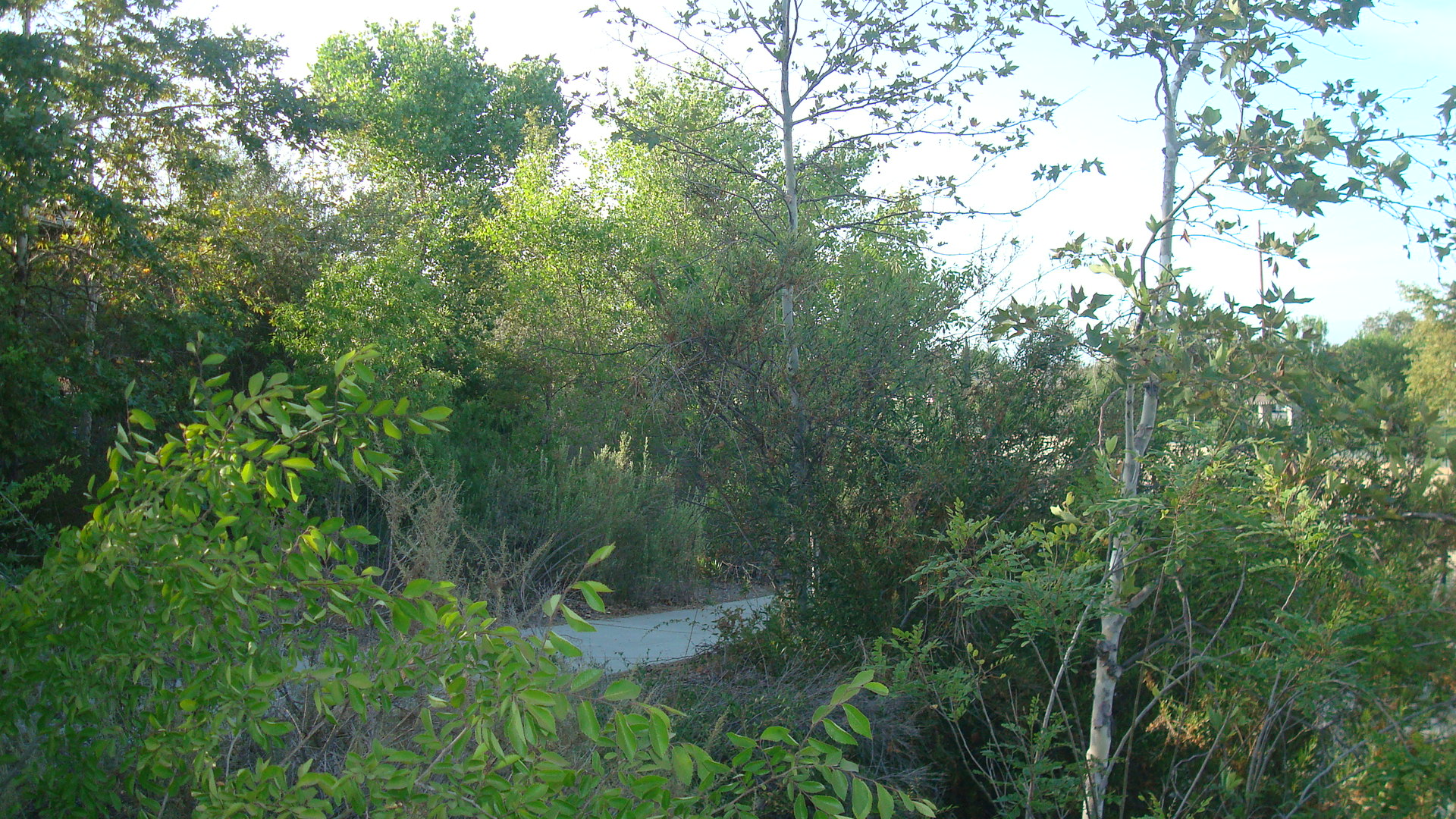
Above Oxnard, I found the Tujunga Wash Greenway and Stream Restoration Project. What used to be a drab stretch of land running alongside a drab stretch of concrete has been transformed into a lush green walkway which helps to replenish our groundwater.

TW 02 Green

For a better explanation than I could give, click on this link to a page at the Landscape Architecture Foundation. They also provide before and after pictures to give you a sense of how dramatic the change has been.

Tujunga Wash Greenway

TW 04 Green Bed

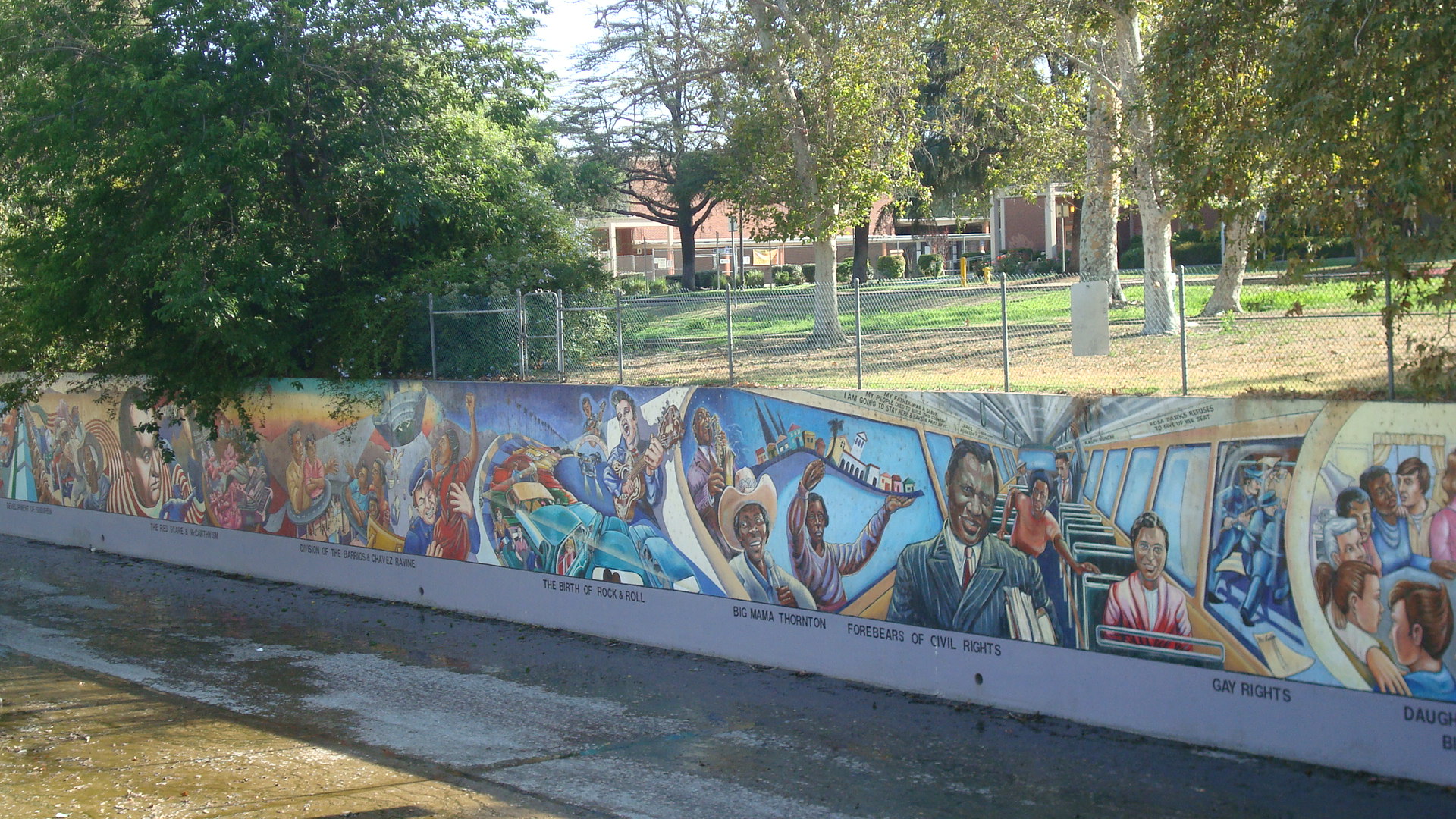
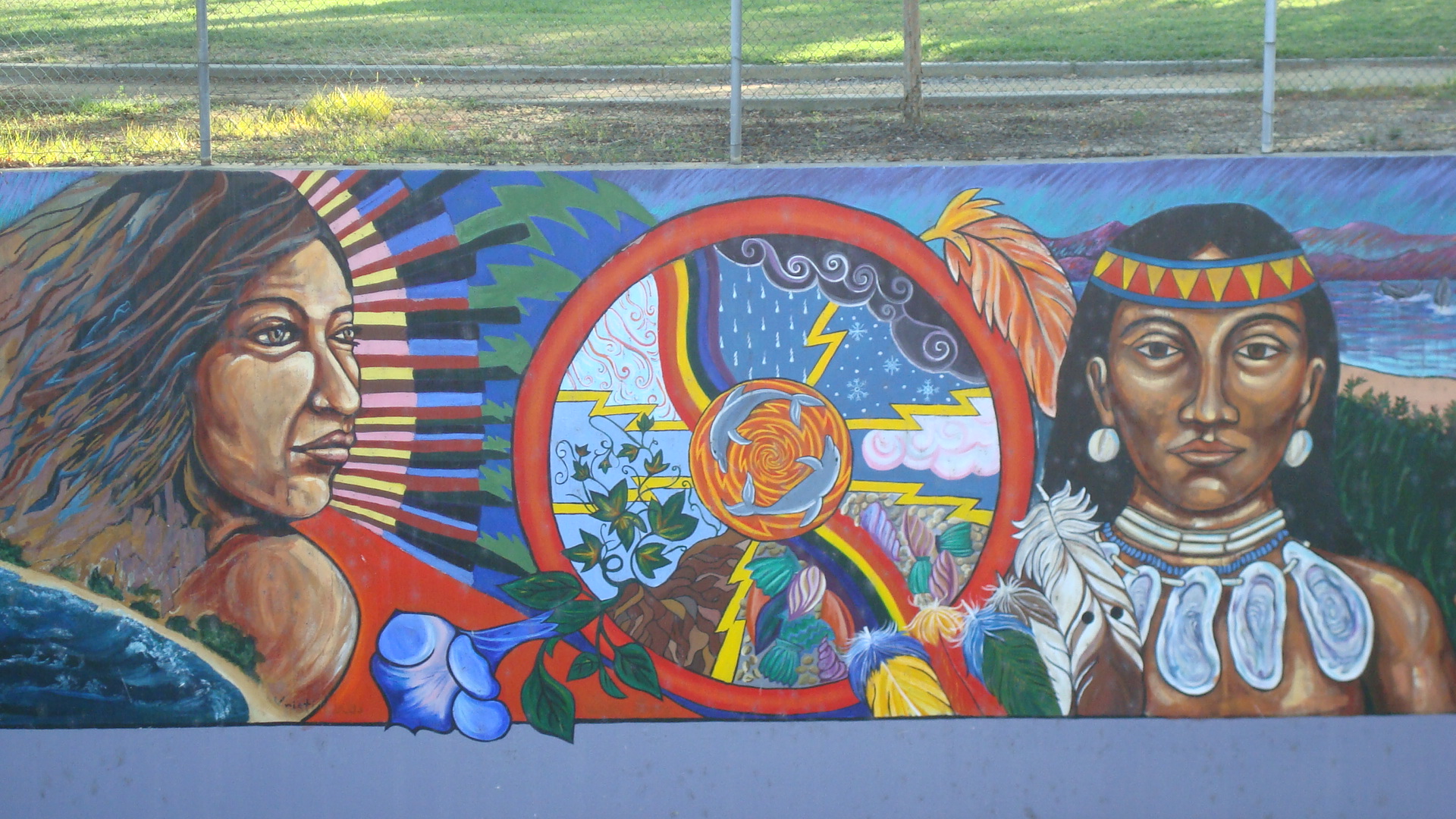
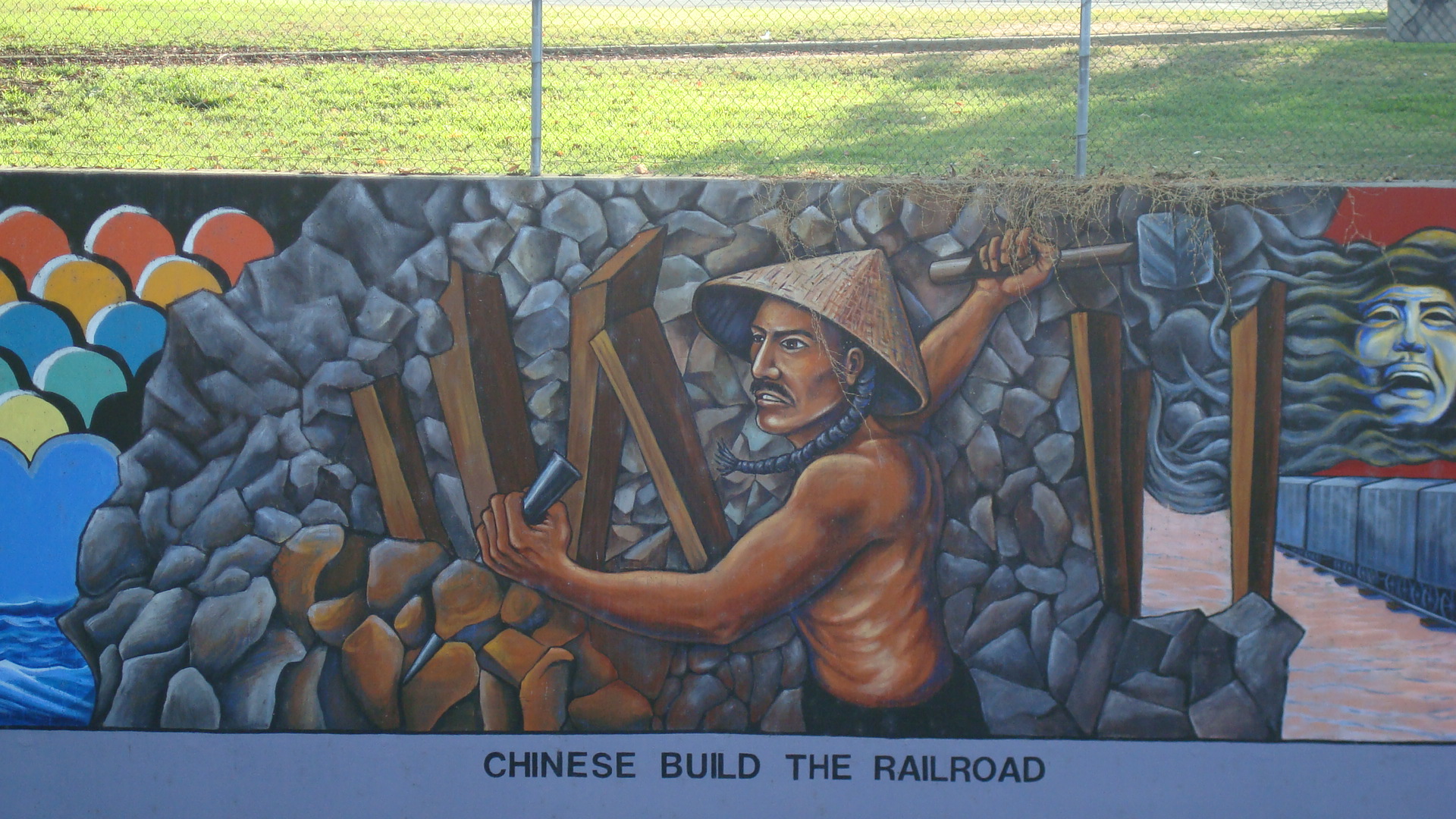
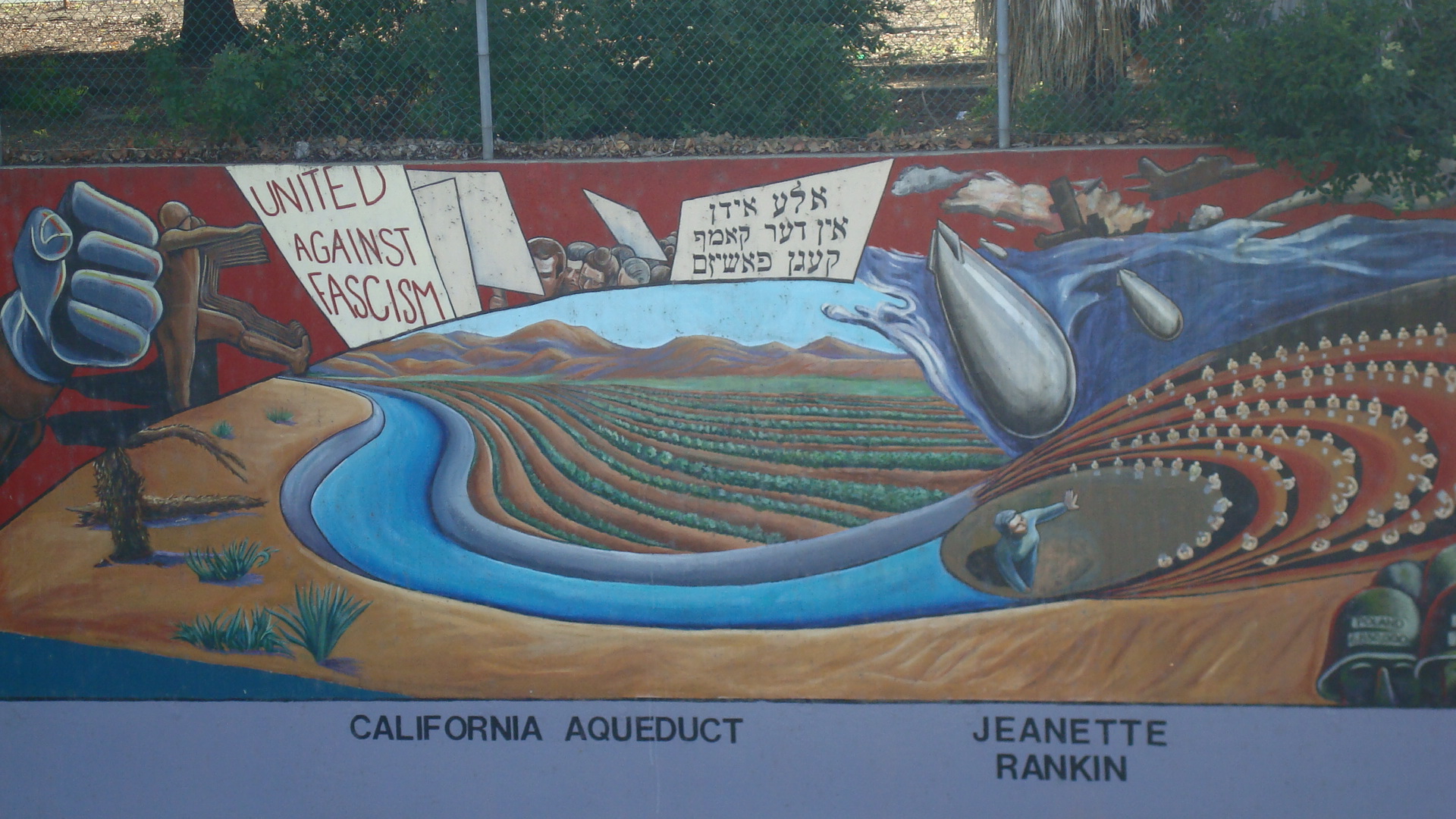
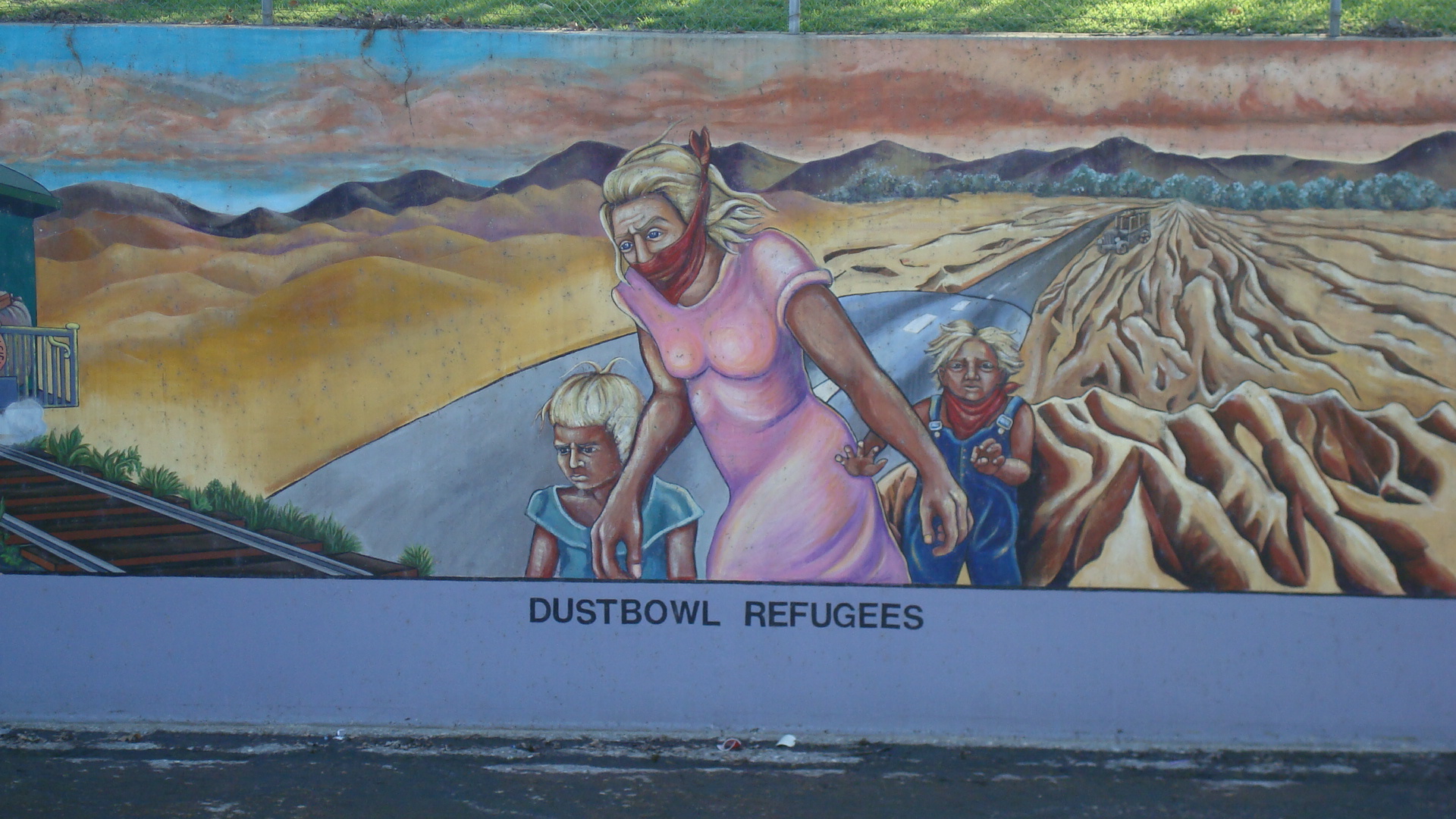
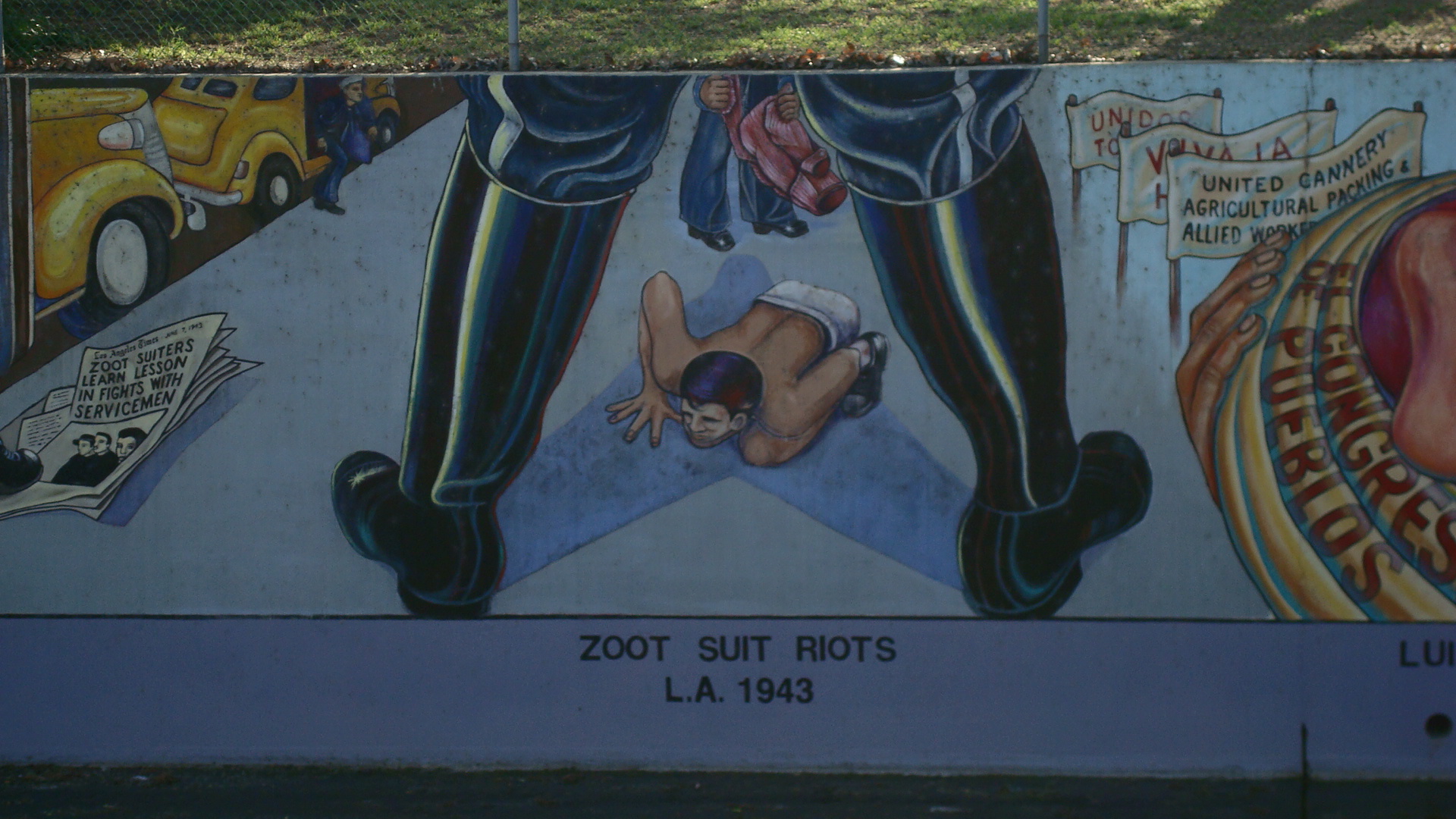
Below Oxnard, I found the Great Wall of Los Angeles. This is a massive, amazing public art project which presents a history of Los Angeles starting with the first people who lived in the area and ending in the fifties. The project is the brainchild of Judy Baca, founder of the Social and Public Art Resource Center (SPARC). It was begun in the seventies, with over 400 young people and their families working over five summers to create the mural that currently covers a half mile of concrete inside the Tujunga Wash.

The mural starts with images of the Chumash Indians.

TW 06 GW Chum

It covers the construction of the the massive projects that helped build the city, like the railroads….

TW 07 GW Chin

….and the aqueduct.

TW 09 GW Aque

It illustrates the multiple waves of migration the populated the area.

TW 09a GW Dust Big

There are images of the traumatic upheavals that shaped LA.

TW GW Zoot

It takes us through the baby boom….

TW 11 GW BB

….and the beginnings of rock n’ roll.

TW 12 GW  R&R

There are plans to paint another four decades, which would bring the project up to the end of the twentieth century. For more information, and to find out how to donate, visit SPARC’s web site.

The Great Wall of Los Angeles

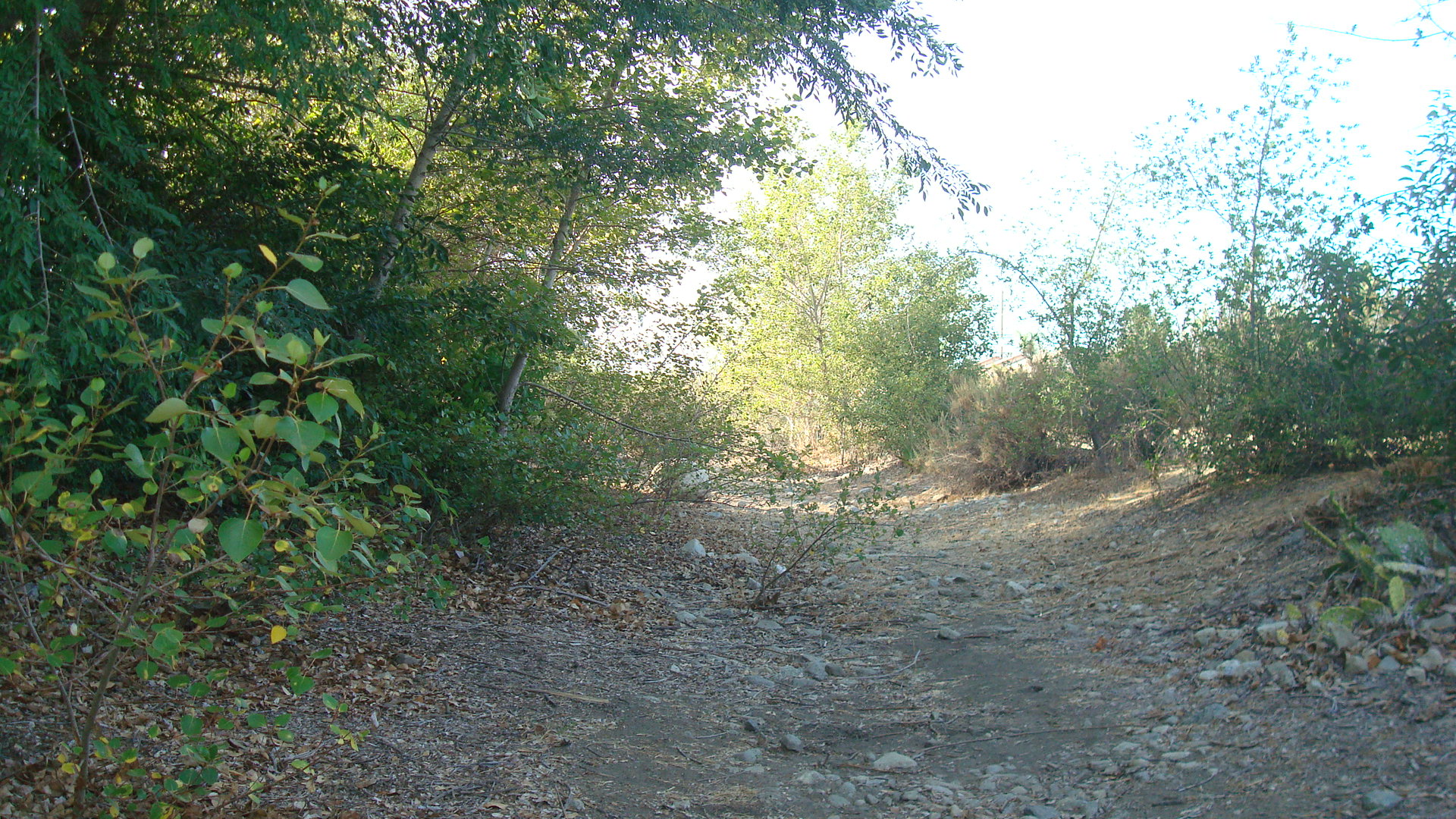
You won’t find much water in the Tujunga Wash these days. But you will find some other things that are worth checking out.

What Price Water?

LAR Headworks

A few months ago a friend and I were going down Forest Lawn Drive near Griffith Park. While she drove I was gazing out the window, and I was surprised to see a huge construction site spread out across the bed of the LA River. I hadn’t heard anything about a project planned for that area, and at first I was alarmed. What the hell were they doing to the river?

LAR Site Hills

After investigating a little, I found out that this was the Headworks Reservoir, and it involves the construction of two huge underground containers which will hold 110 million gallons of water. The idea is that when the project is completed it will provide drinking water to area residents who are now served by the Silverlake reservoir complex. In large part this effort was spurred by new rules handed down by the Environmental Protection Agency. Open reservoirs, like those in the Silverlake complex, are subject to contamination from many different sources. The Headworks project will comply with the new EPA rules and provide safe drinking water for thousands of Angelenos. Aside from improved water quality, the deal includes a 4-megawatt hydroelectric plant to provide more power for the city. And if that’s not enough, once the tanks are completed there are plans to turn the surface area into a park which would include riparian wetlands, bike paths and equestrian trails.

Sound cool? Well, the finished project probably will be pretty nice. The DWP had to find some way to comply with the new EPA standards. And the park/wetlands component will surely be a big improvement over the sterile concrete channel that exists now. But…

There are some questions about the cost of the project and the process that was followed to make it happen. The City of LA initially said the price tag would be $230 million. That figure has now risen to $319 million. Those who follow local news already know that the DWP has been accused more than once of scamming its customers. The fact that the tab for Headworks has gone up almost 40 percent is definitely troubling. There are also questions about why the City chose this option when there were other, cheaper proposals on the table. If you’re a DWP ratepayer, you’ll want to read Jack Humphreville’s breakdown of the project on CityWatch.

Is Headworks Project Another Example of Corruption?

For a general overview of the project, here’s a summary from the DWP.

Headworks Reservoir Fact Sheet

Bottom line, the project is happening. And I do believe it’s a good thing over all. But it bothers me to think that we’re getting ripped off by the DWP once again. I’m glad Garcetti is pushing for an audit of the agency’s shady non-profits, but I’d really like to see a full audit of the DWP. We deserve to know where our money is going.

LAR Concrete Horizon

Let Them Eat Cake

Last week the Board of the Metropolitan Transportation Authority voted to raise fares. The cost of a monthly pass will go up from $75 to one $100, a thirty percent increase. The cost of a day pass will from $5 to $7, a forty percent increase. This is an outrageous example of a clueless elite making decisions with no regard for the needs of the population they’re serving. Citing the MTA’s own data, the LA Times reports that over 90 percent of riders are low income, and 80 percent make an average of less than $20,000 a year.

Supervisor Gloria Molina

Supervisor Gloria Molina

The Board projects a $36,000,000 deficit next year. They say that if they don’t raise fares they’ll be forced to lay off 1,000 workers or cut 1,000,000 hours of service. I don’t buy it. These are scare tactics. Gloria Molina, the one member to vote against the fare hike, offered a motion to investigate ways to cut the budget in order to stave off the increase. She couldn’t even get someone to second the motion. For more info on the meeting and the rate hike, you can access the MTA’s newsletter by clicking here.

It’s true that other cities have higher fares, because other cities have a more economically diverse ridership. In New York and San Francisco, a large number of well-paid professionals use mass transit for their daily commute. Not so in LA. The people who use public transit here are mostly on the bottom rung of the economic ladder. Charging them $300 more a year to ride the busses and trains in many cases literally means taking food out of their mouths.

For me personally, shelling out $25 more a month is not a huge sacrifice. I prefer to take public transit, and I don’t mind paying a little more. And up until now, I was pleased to see the MTA aggressively expanding the transit network. But now that I see the price tag, my feeling is that they’ve been grossly irresponsible. They embarked on these ambitious plans knowing full well that it would put the MTA in the red, and knowing full well they were going to use that as leverage to raise rates. They’ve obviously forgotten who they’re serving.

Eight of the Board’s thirteen members are either serving on the LA City Council or the LA County Board of Supervisors. All of these people make around $180,000 a year. In addition, most of them use cars and drivers that are paid for by taxpayers. Why is it that decisions about MTA fares are made by people who only take the subway when they’re touting some new program or taking part in a ceremony? None of them rides the bus to work. Obviously Molina is the only one who has any concept of who it is she was elected to serve. She’s the only one who seems to care that for a family living below the poverty line, carving $25 a month out of your budget is a real sacrifice. This is going to hurt a lot of families, and the pampered elitists sitting on the MTA Board don’t care.

Mayor Eric Garcetti

Mayor Eric Garcetti

And speaking of pampered elitists, let’s talk about Eric Garcetti. It should be obvious by now that Garcetti doesn’t give a damn about anyone who hasn’t made a campaign contribution. He has a bold vision for an exciting new LA, full of skyscrapers and wine bars, boutique hotels and high-end clubs. And he’ll bend over backwards to keep his wealthy developer buddies happy, handing out tax breaks and giving them great deals on city-owned land. But he can’t even support affordable fares for the vast majority of MTA riders who really need them.

How did this guy get elected?