There’s been a lot of talk about housing in LA over the past decade, mostly about how expensive it is. Politicians and people in the media have been wringing their hands about how there’s a terrible lack of supply in LA (and California) and how the only way to boost new construction is aggressive deregulation, i.e. mandated upzoning and cutting environmental review.
No question, housing is too expensive in LA. But the hysteria that has characterized most of the talk about housing has led to a lot of bad policy and toxic legislation because the people who are most vocal don’t seem to pay much attention to the facts.
The LA Times is one of the chief culprits. Take, for example, the story that accompanied this recent headline.
“Why L.A. developers aren’t building more apartments, despite epic housing shortage”
The first thing that jumped out at me was the use of the phrase “epic housing shortage”. Really? It’s interesting that the author links to a Kidder Matthews report on the multifamily housing market from 2022. Generally, in the multifamily market a vacancy rate between 5% and 10% is considered healthy. It’s true that in 2022 the vacancy rate for apartments was around 4%, but I have to wonder why the author didn’t link to the current report, which shows that the vacancy rate has risen to 5.4%. This is at the low end of the range that’s considered healthy, but it’s still within that range, and it calls into question the Times’ use of alarmist language like “epic housing shortage”.
The article starts off by recounting the story of a developer who constructed a 14-unit apartment building in Hollywood. He sold the building in 2021 for $6.5 million, but recently was able to buy it back for $4.75 million, a price drop of about 30%. The article explains that the per-unit price for multi-family buildings in LA County has gone from $397,289 in 2022 to $280,591 in 2026. Using this data as a starting point, the author goes into a discussion of the steep decline in new construction in the LA area, and paints a grim picture of our housing future.
It’s true that there’s been a decline in new housing construction, but the bleak picture that the author paints shows a failure to look at the broader landscape and a lack of understanding of the 21st century housing market. Let’s take a deeper look.
First, looking at numbers across an entire regional market gives an imprecise view of what’s actually happening and ignores the fact that the housing market is segmented. It’s true that vacancy rates are low at the lower end of the multifamily housing market, because people who live in housing they can afford don’t want to move out. But there are thousands of units available at the middle and high end of the market. And not only are there a lot of empty units, it appears that landlords are struggling to fill them.
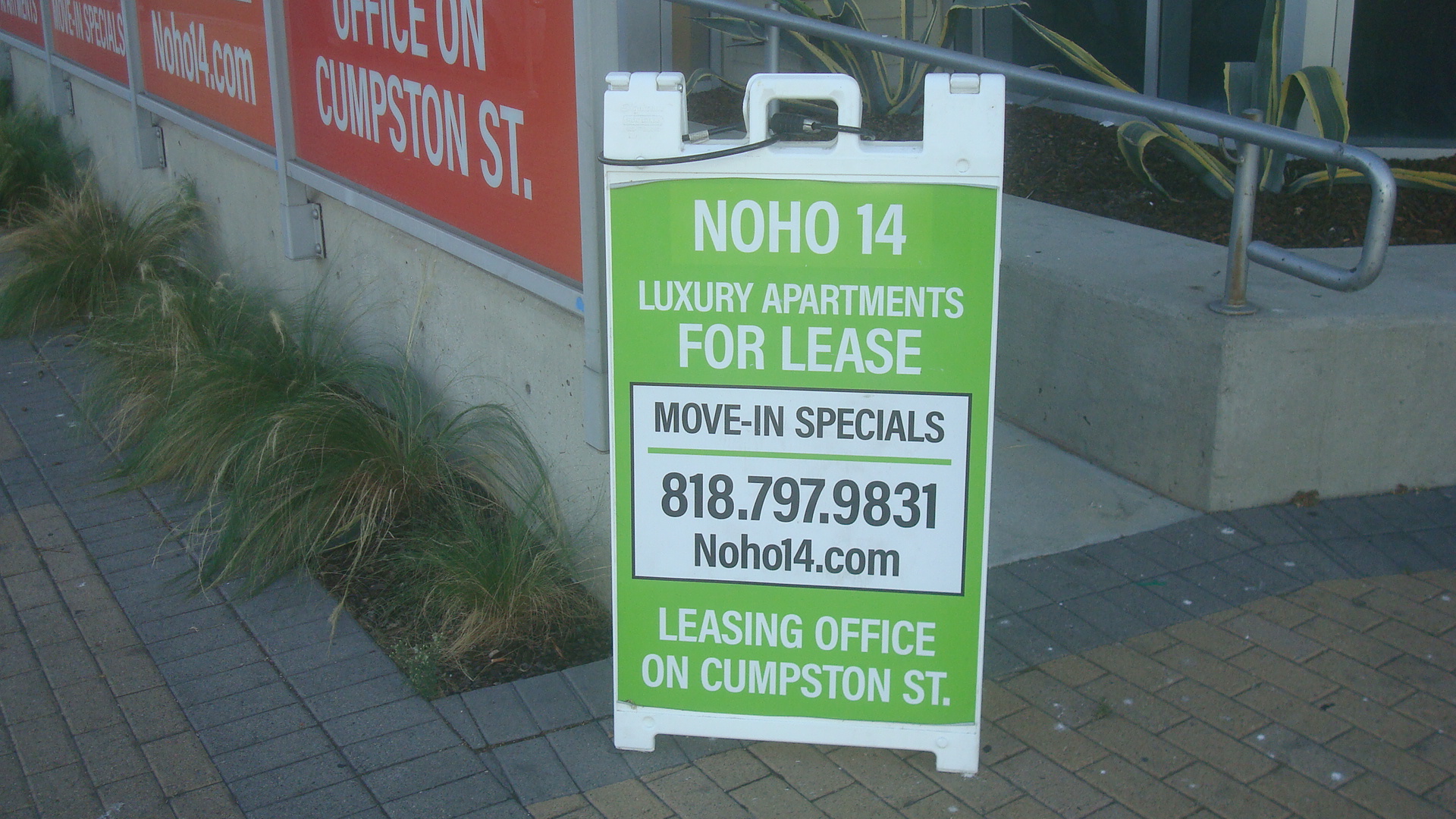
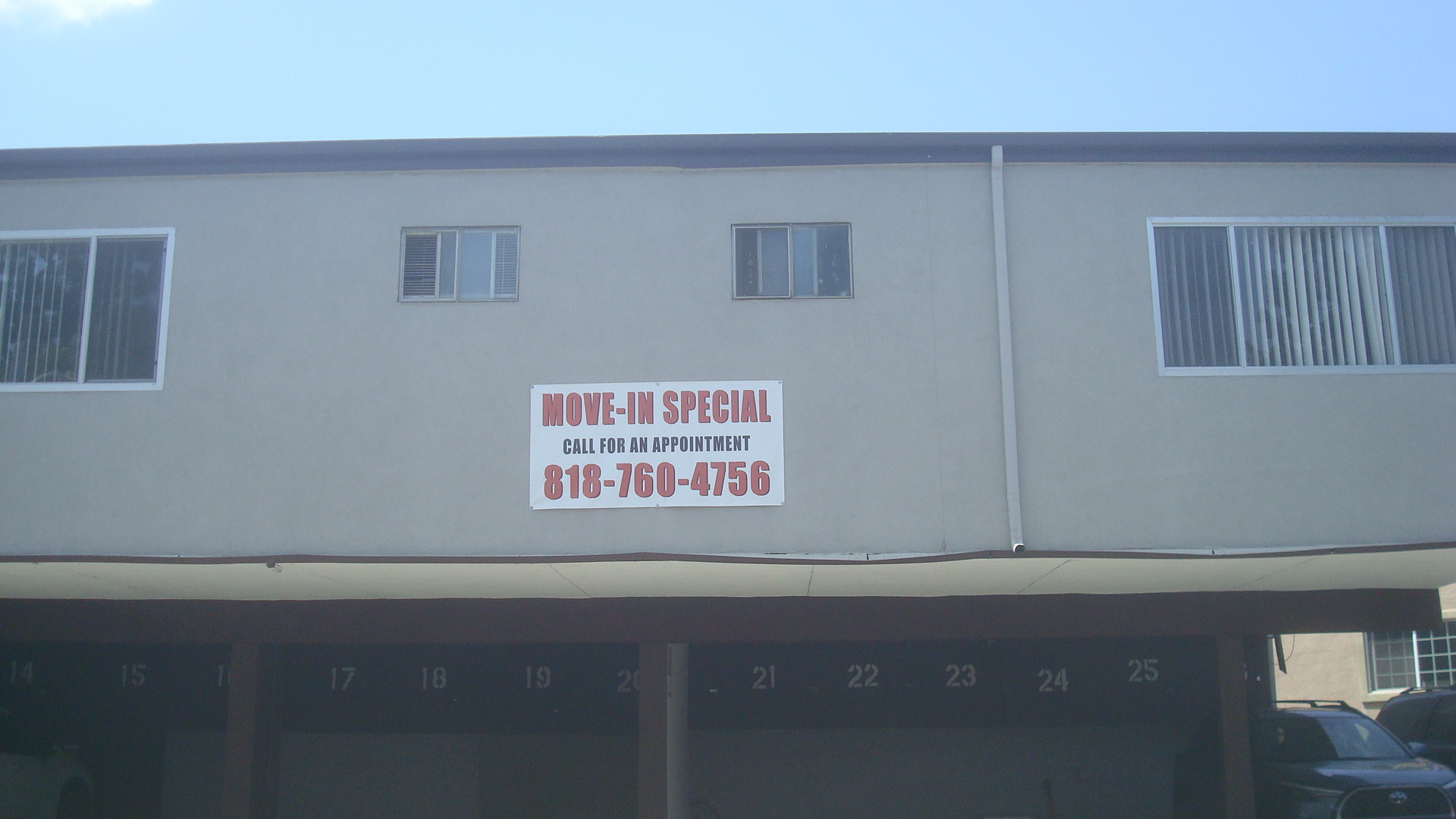
Over the past year I’ve noticed that a number of apartment buildings in LA have put up signs or banners offering move-in specials. I was wondering how widespread this trend really was, so I got on Rent.com to do a quick survey. In October and November of this year, I searched eight zip codes in the LA area and looked at the first eight units displayed to see how many of them were offering special deals. This is what I came up with….
90028 – HOLLYWOOD
Of the first 8 apartment buildings listed in Hollywood, five offered move-in specials.
90012 – DOWNTOWN
Of the first 8 apartment buildings listed in Downtown, 7 offered either move-in specials or reduced prices.
90232 – CULVER CITY
Of the first 8 apartment buildings listed in Culver City, 4 offered free rent for 2 to 6 weeks or reduction in move-in costs.
91506 – BURBANK
Of the first 8 apartment buildings listed in Burbank, none listed price reductions or special offers.
91601 – NORTH HOLLYWOOD
Of the first 8 apartment buildings listed in North Hollywood, 3 offered reduction in rent or price drop
90025 – WEST L.A.
Of first 8 apartment buildings listed in West LA, 4 offered move-in specials or reduced price
90008 – LEIMERT PARK
Of first 8 apartment buildings listed in Leimert Park, 2 offered move-in special or price drop
91402 – PANORAMA CITY
Of first 8 apartment buildings listed in Panorama City, 5 offered move-in specials, reduced rent or lowered fees
So of the 64 apartment buildings I looked at, 30 of them (about 47%) offered some sort of move-in special, either free rent (ranging between two to eight weeks), a reduction in the regular price or reduced/waived move-in fees. Landlords don’t offer deals like this when demand is strong.
Now let’s go back to the decline in per-unit cost for multifamily buildings. The author notes that in 2022 the per-unit cost for multifamily buildings in LA County was $397,289, but now it’s down to $280,591. Is this a good thing or a bad thing? Well, for an owner it’s bad, because the value of their asset has fallen quite a lot. But for tenants, this should be a good thing, because if a landlord purchases a property at a lower unit price they don’t need to charge as much rent.
And here’s where we get to the real problem with the Times article, and a lot of the talk about supply and demand. The author spends a good deal of time wringing his hands over the fact that there’s been a steep fall in new multifamily construction. He argues that the only way rents will go down is if developers build more housing, especially “the taller, denser developments that experts say the city desperately needs to help solve the housing crisis.” But he doesn’t connect the decline of the per-unit cost of housing with the decline in new construction, at least not in the way he should. In the 21st century, when the housing market is increasingly dominated by corporate developers, why does he think they’re going to keep building when asset prices are falling?
In the 20th century the market was different. Multifamily owners were largely individuals who weren’t thinking of getting rich. They just wanted reliable income, and in many cases were just looking for retirement income. In the 21st century, the corporate developers who dominate the market are pushing to get the highest rate of return as quickly as possible. To them, the value of the asset is everything. If the value of multifamily housing stock is declining, they see no reason to build new housing stock. Why would they? It would only drive prices down further. The people who keep arguing that we just need to boost supply to reduce rents don’t understand this. They’re still living in the 20th century when that formula worked in the housing market. They need to realize that in the 21st century, if rents start to drop, developers are going to stop building. While there are a number of factors contributing to the slowdown in housing construction (like interests rates and high costs for labor and materials), the drop in asset values is key.
I subscribe to the Times, and I think they do some great reporting on a number of important issues. But their articles on housing are often absurdly biased. Their “reporting” on this topic often seems more like propaganda designed to promote the “build, baby build” agenda. The Times has relentlessly pushed for more upzoning and reducing or eliminating environmental review for housing projects. This is exactly the same approach that the California Legislature has embraced. Since 2017, Sacramento has approved over 80 housing bills that either mandate upzoning, reduce/eliminate environmental review, or streamline project approvals. They’ve been pushing these “solutions” for almost a decade, and what do they have to show for it? Nothing. The production of housing in California has been essentially flat since 2016. Don’t take my word for it. Check out this report from the St. Louis Federal Reserve.
The people who keep insisting that it’s just a matter supply and demand aren’t looking at the reality of the 21st century housing market. If they’re waiting for developers to build enough housing so that we get some serious relief on rents, they’re going to be waiting a long time. These days, when prices start falling, developers stop building.