North Hollywood Church Wants Permits for Full Line of Alcohol and Live Entertainment

Architectural drawing for church expansion.

It seems like the City of LA is ready to hand a liquor permit to anybody who asks for one. It used to be City Planning would just approve liquor permits for bars, restaurants and clubs. Recently they took the unusual step of granting a permit to serve alcohol in an apartment building. But now they’re going even farther. It looks like they’re ready to allow a church to serve a full line of alcohol in their new banquet facility. On top of that, the church will offer live entertainment, and they can keep the party going until 2:00 am.

Holy Trinity Armenian Church, located at 11960 Victory Blvd. in North Hollywood, has filed an application to expand their campus, adding a few new buildings. One of the new structures will be a 14,000 sq. ft. accessory use building with a sports gym/banquet hall on the second floor. The banquet hall will provide for the sale of a full-line of alcohol for on-site consumption, with live entertainment and dancing during events associated with the church.

The report prepared for the City Planning Commission recommends approval of the project. They’re claiming it will have no significant impacts on the surrounding neighborhood. This is interesting, because the church is immediately adjacent to a residential neighborhood. It’s hard to believe that a banquet hall serving a full line of alcohol and offering live entertainment, with events lasting until 2:00 am, will have no significant impacts on the folks who live a few hundred feet away. Noise is the first thing that comes to mind, but it also seems likely that people who have been consuming alcohol will be driving down residential streets in the small hours.

If you’d like to submit comments on this project, you can send them to Stephanie Escobar at LA City Planning.

stephanie.escobar@lacity.org

You should include the project address and case numbers in the subject line.

11960 Victory Boulevard, CPC-2023-891-GPA-ZC-BLCUB-CUX, ENV-2023-892-ND

You can also make comments to the City Planning Commission when they meet on December 19. Here’s the agenda.

City Planning Commission Agenda, Thursday, December 19, 8:30 AM

Alcohol Vending Machines May Be Coming to an Apartment Building Near You

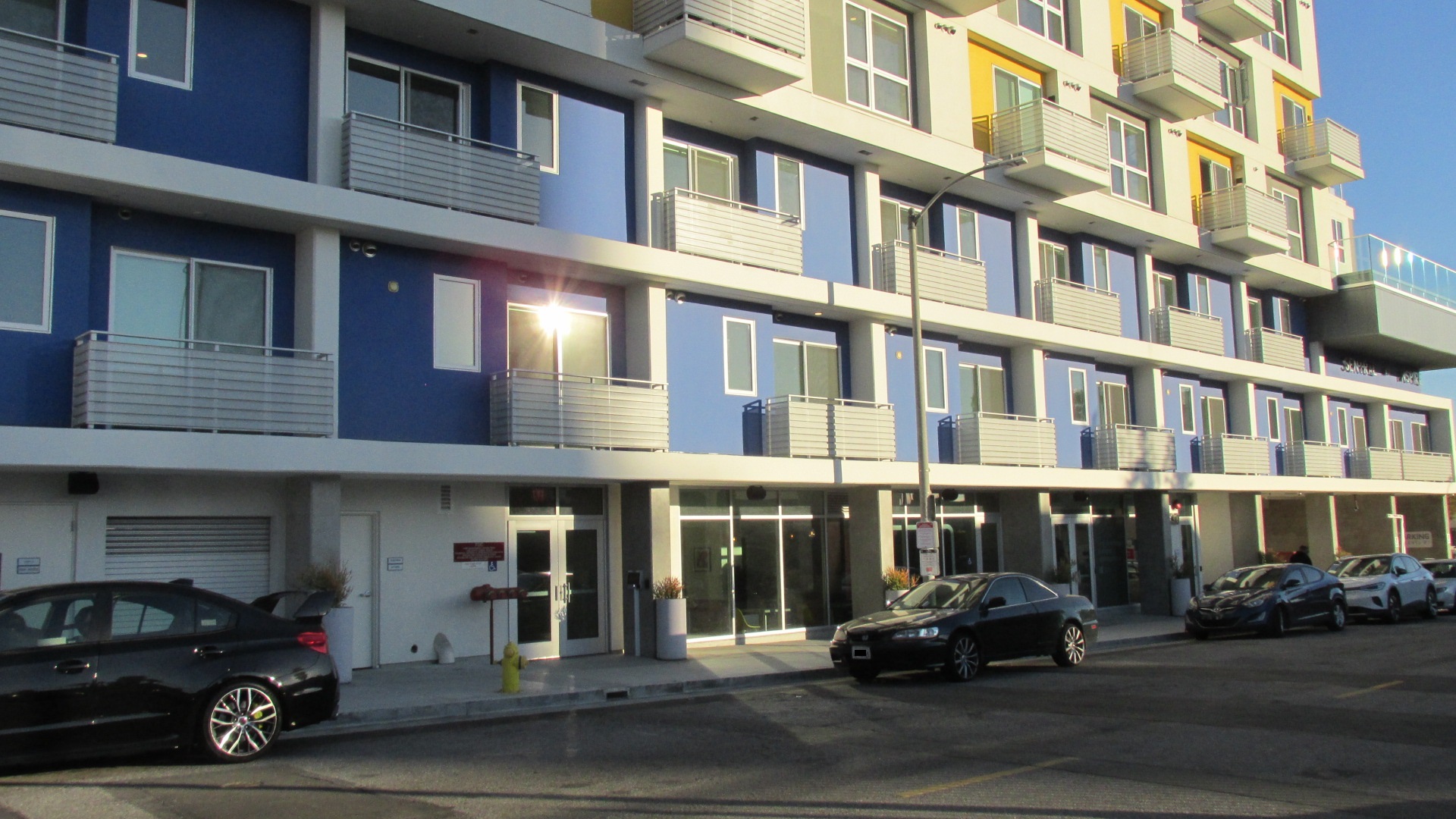
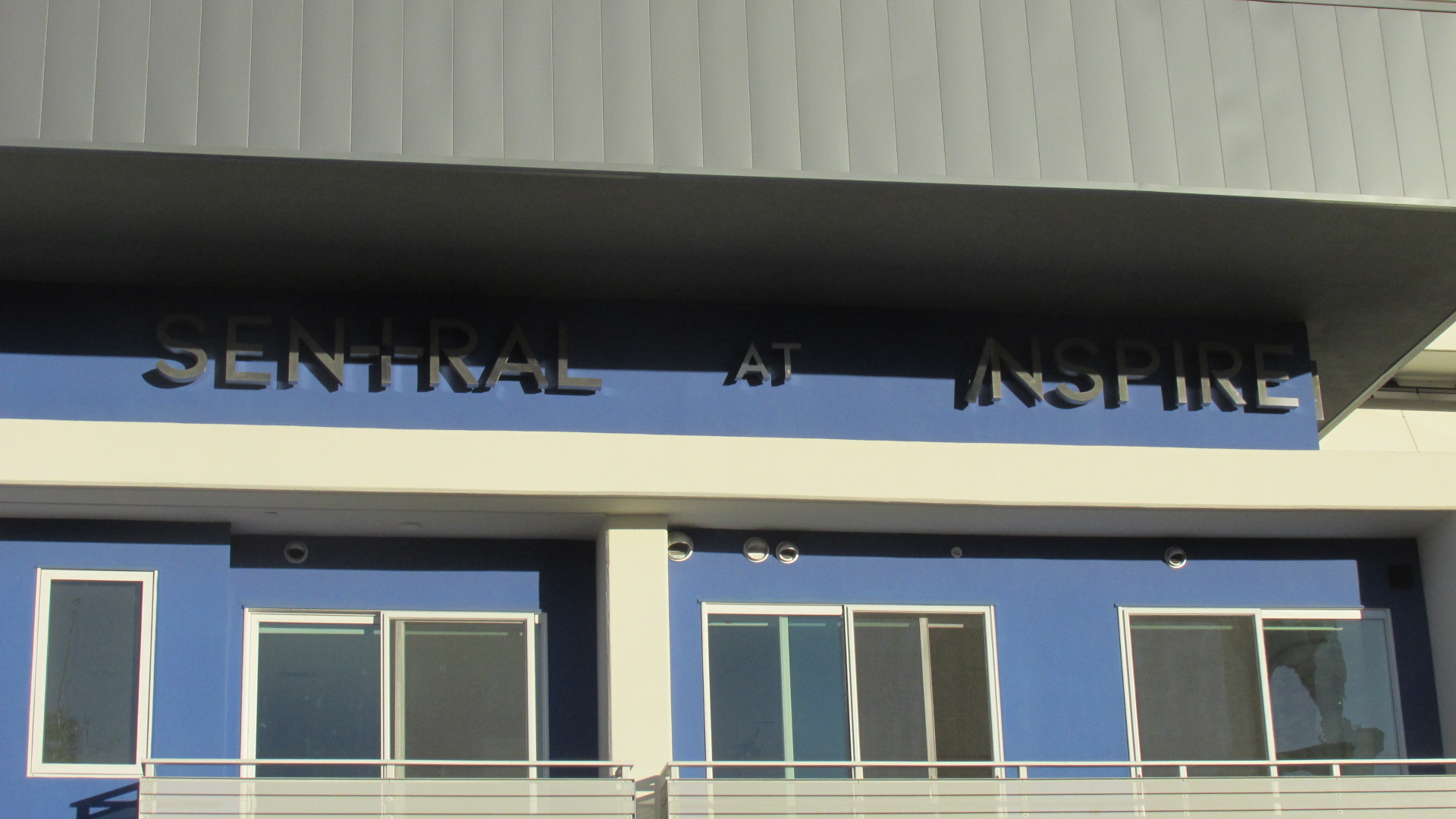
Sentral at Inspire Hollywood, 1530 Cassil Pl.

If you’ve spent any time at all in Hollywood, you know it’s not hard to get a drink there.  Bars and nightclubs abound, and there are plenty of mini-marts and liquor stores with a wide assortment of booze.  But what if you don’t feel like going out to a bar, and you’re too tired to even walk to the liquor store?  How can you get high without leaving the comfortable confines of the building you live in?

Lucky for you, the owner of a brand-new apartment complex in Hollywood has come up with the answer: A vending machine that offers a full-line of alcoholic beverages!  Yes, the owner of Sentral at Inspire Hollywood, 1522-1538 Cassil Place, has applied to the Department of City Planning for a permit to install two such vending machines in “club rooms” located on the fourth floor and the eighth floor, in both cases with adjacent outdoor decks.  And LA City Planning seems open to the idea.  A hearing was held on Tuesday, January 9, and while the Zoning Administrator agreed to keep the record open for two weeks for further comments, it seems likely that City Planning will approve it. 

Why would you want to install alcohol vending machines in an apartment building?  Well, reportedly the owner of Sentral at Inspire Hollywood feels that it’s a necessary step if he wants to compete with other buildings in the area.  And of course, if City Planning approves this, you can bet that owners of other buildings will decide that they need these machines, too.  (You may be thinking, “Wait a minute.  What if kids try to use the machine to get booze?”  While full details have yet to be revealed, it’s likely that these machines have the capability to do biometric IDs.  Yes, this is legal in California.) 

In other words, even though Hollywood is drowning in alcohol already, LA City Planning wants to jack up alcohol density even further.  Never mind the numerous health harms associated with the consumption of alcohol.  Never mind that research shows increases in violent crime are associated with increased alcohol density.  It’s been clear for years that City Hall feels you can never have too many establishments selling alcohol.  To cite just a few instances: 1) In December 2023 the City approved permits for FIVE restaurants to serve a full-line of alcohol from 6 AM to 2 AM daily at 5780 North Canoga; 2) In 2019 the City approved a Master Permit for TWENTY TWO alcohol-serving establishments as part of the Crossroads Hollywood project (Fortunately not built.  Yet.); 3) In 2022 the City of LA approved the Restaurant Beverage Program (RBP) which allows restaurants to serve alcohol without first obtaining a Conditional Use permit. 

Again, there are decades of research showing the harmful effects of increased alcohol density.  One study titled “Alcohol Availability and Intimate Partner Violence among US Couples” (Alcohol: Clinical and Experimental Research, January 2009) has this to say:

“We found that as alcohol outlet density increases so does the risk of MFPV [Male/Female Partner Violence] and that this relationship may differ for couples who do and do not report alcohol-related problems. Given that MFPV accounts for the majority of injuries related to intimate partner violence, policy makers may wish to carefully consider the potential benefit of limiting alcohol outlet density to reduce MFPV and its adverse consequences.”

The LA County Department of Public Health has also weighed in on this issue repeatedly, and you can read their findings in the report “Alcohol Outlet Density and Alcohol-Related Consequences by City and Community in Los Angeles County” (LA County Department of Public Health, December 2022).  A quick look at Table 1A shows that Council District 13, which includes Hollywood, already has a high alcohol density.  And Table 2A shows that CD 13 has a far higher rate of violent crime than LA County as a whole.  But to give you a general idea of how many harms are associated with drinking too much, let’s just look at this one paragraph on page 24:

Excessive alcohol consumption continues to be a serious public health concern with substantial implications for disease, violent crimes, traffic collisions, work loss, and social relationships. During 2020 in Los Angeles County, alcohol was involved in an estimated 4,060 motor vehicle crashes, 5,745 motor vehicle injuries, 123 motor vehicle fatalities, 50,600 ED visits, 45,726 hospitalizations, and 2,498 alcohol-attributable deaths.

So excessive consumption of alcohol doesn’t just harm the individual who’s doing the drinking.  It has the potential to cause substantial harm to the community. 

The problem here is not just that a couple of alcohol vending machines are going to be approved for one apartment building.  The problem is that this sets a precedent which will allow anyone else who owns a multifamily residential building to do the same thing.  That could mean a substantial increase in alcohol density across Los Angeles, including in areas that are already suffering harms from over-concentration of locations serving alcohol.  It’s likely that there are a number of landlords out there who would see these machines as a great way to increase revenue, and if City Planning says yes to Sentral at Inspire Hollywood, it will probably say yes to other applications that comes along.

If you have thoughts on installing alcohol vending machines in apartment buildings, you can contact the City Planning staff member assigned to this case.

Stephanie Escobar, City Planning Associate

Stephanie.Escobar@lacity.org

Be sure to include the case number in the subject line.

ZA-2023-4977-CUB

Should We Really Remove Limits on Events with Alcohol at Our Parks?

How much alcohol at LA City parks is too much alcohol?  It appears that the City of LA doesn’t believe there’s any such thing as too much alcohol at city parks.  At the April 20 meeting of the Board of Recreation and Park Commissioners, one of the agenda items was a proposal to revise the Recreation & Parks Alcoholic Beverage Policy

The current policy says only beer and wine can be served at public events in LA City parks, and it limits the number of events where alcohol is served to no more than one event per park per year.  The proposed revisions would allow the sale of a full line of alcoholic beverages and remove any limits on the number of events where alcohol is served.

Does that really seem like a good idea?  Opening up our parks to an unlimited number of events that offer booze to attendees?  There are so many problems with this it’s hard to know where to begin.

First, while the revised policy requires that event organizers hire security, the security is only going to be dealing with issues at the site of the event.  What happens when people who’ve had too much to drink leave the area and start wandering around the park?  Or get into their cars and start driving home?  Just last year a cyclist riding through Griffith Park was hit and killed by a motorist.  Police said the driver appeared to have been drinking.

Second, allowing more events that serve alcohol will likely bring a lot more people to LA’s parks, but the Department of Recreation & Parks hasn’t been able to properly maintain these important resources for years.  Sadly, Rec & Parks has been the victim of severe budget cuts, and has been struggling without proper staffing.  Increasing the number of visitors without increasing the budget for Rec & Parks just means the Department will be more burdened than ever.

And then there are the environmental issues.  If increasing the number of events that offer alcohol would increase the number of visitors to LA’s parks, it seems likely that there would be significant impacts to the environment.  This is especially true if the policy change means more live music festivals, which is almost certainly the case.  There’s no sign that Rec & Parks has done any kind of environmental review, and there’s no way they could claim that this policy change wouldn’t have any impacts.

One impact would be traffic.  I know our leaders like to pretend that nobody drives any more and everybody takes transit, but if you believe that’s true, you should check out the full parking lot and the cars lining the street on the periphery of the LA State Historic Park.  You can see the same at many of LA’s other parks.  Unfortunately, the vast majority of Angelenos still drive cars to get where they want to go.

Another impact is solid waste, and again, more music festivals would be a particular problem.  The City will tell you that all the empty aluminum and plastic containers discarded at these events can be recycled, so there’s no impact to the environment.  Sure, they can be recycled, but they’re often not, and the City has been struggling for years to comply with a State mandate that it divert 50% of its solid waste to recycling.  More music festivals would also likely have significant impacts on habitat and wildlife, and these impacts should also be assessed.  

One of the motivations for this policy change may be to generate more revenue for Rec & Parks, and the Department certainly needs more funding.  But the change will probably result in higher costs, too, and there’s no sign that this has been analyzed.  Before even considering increasing the number of events that offer alcohol, the Department should do a study to analyze whether increased revenue would offset the increased costs. 

There may be good arguments for increasing the number of events that offer alcohol at LA’s parks, but lifting the current caps to allow an unlimited number, especially if serving a full line of alcohol is allowed, does not make sense.  It might make sense to allow a small increase in the number of events with alcohol.  Or it might make sense to designate certain parks that could host these events.  Rec & Parks should study a few different options, and weigh the benefits against the costs.  They also need to do environmental review. 

If you’d like to offer input on the proposed revisions to Rec & Parks’ Alcoholic Beverage Policy, you can send an e-mail to the Board of Commissioners:

RAP.COMMISSIONERS@LACITY.ORG

You might also copy General Manager Jimmy Kim and his Administrative Assistant, Desiree Ramirez:

Jimmy.Kim@lacity.org

Desiree.Ramirez@lacity.org

It also couldn’t hurt to contact your LA City Councilmember to let them know how you feel.

There may be ways to update the current policy that would provide benefits, but just opening the door to an unlimited number of events with alcohol is not a good idea.

Predatory Development: Crossroads Hollywood

CH Sunset Project Site EDIT

New development is necessary. In order for a city to grow, in order for its economy to stay healthy, it’s important to have new construction to bring investment to communities and adapt to the city’s changing needs. But new development isn’t always a good thing. New projects bring new impacts, and the larger the project the more important it is to consider carefully how it will affect the surrounding community. Most large projects are a mixed bag. Pro-business groups will inevitably argue that they bring tax revenue and jobs, and both of these are important. But large projects can also have serious negative impacts, and we need to weigh those, too. Often it’s a matter of trying to figure out if the good will outweigh the bad, and in many cases it’s hard to say for sure.

On the other hand, in some cases it’s pretty easy to make the call. Crossroads Hollywood is a clear example of predatory development. While the backers of the project tout its benefits in terms of tax revenue, jobs and economic activity, they completely ignore the downside. And the downside is considerable.

First, let’s take a look at what this whole thing entails.

Crossroads Hollywood includes about 1,381,000 square feet of floor area, consisting of 950 residential units (of which 105 are for Very Low Income Households), 308 hotel rooms, and approximately 190,000 square feet of commercial space. The project does include the preservation and rehabilitation of the historic Crossroads of the World mall and the Hollywood Reporter building. All other buildings on the project site would be demolished, including 84 Rent Stabilized apartments. The developers are also asking for a Master Conditional Use Permit to allow the sale of a full line of alcoholic beverages at a total of 22 establishments, and another Master CUP to allow eight uses with public dancing and live entertainment.

I’ve gotta say, it’s pretty ambitious. The investors behind Crossroads, Harridge Development Group, are thinking big. They’re also thinking only of themselves and the massive profits they’ll reap from this project. They don’t really give a damn about the community. If approved, Crossroads Hollywood will be devastating for the environment, devastating for housing, and devastating to the health and well-being of the Hollywood community.

Let’s take a look at the project’s environmental impacts….

These days any developer is going to tell you their project is good for the planet. They learned long ago they need to play that angle to sell it to the public. But Harridge’s claims about Crossroads being environmentally friendly are mostly just hype.

The State of California has designated Crossroads Hollywood an Environmental Leadership Development Project. (ELDP). In order to qualify, the developer has to show that it won’t result in any net additional emissions of greenhouse gases (GHGs). But a project on the scale of Crossroads represents a huge increase in square footage, so it’s to be expected that there will be a huge increase in energy use. The report by the California Air Resources Board (ARB) estimates the Crossroads project will produce 9,440 MTCO2e (Metric Tons of Carbon Dioxide Equivalent) during demolition and construction, and then 14,294 MTCO2e during the first year of operation, though they say that number will decline each year over the life of the project. This is a huge increase in emissions. So how can the State say it achieves a net reduction?

Simple. The developer buys carbon credits. Like many other states, California has an exchange where businesses that aren’t producing their maximum allowed CO2 emissions can sell what they don’t produce as “credits”. Other businesses that want to offset their own emissions can buy the credits to satisfy regulators. So while Crossroads Hollywood will be putting tens of thousands of tons of additional GHGs into the atmosphere, the State says that buying credits actually makes the project carbon neutral. There are people who have reservations about the carbon credit system, but it’s become widely accepted as a tool for reducing global warming, so let’s go along with the idea that this does represent a net reduction in CO2 emissions.

The problem is that this project isn’t just producing massive amounts of CO2. It’s also spewing out tons of ozone, nitrogen dioxide, and particulate matter. This is bad news for the people who live in the area. The South Coast Air Quality Management District (SCAQMD) has evaluated cancer risk from air pollution in its Multiple Air Toxics Exposure Study IV (MATES IV). You can see by the map below that Hollywood is near the top of the scale.

Crossroads Air Quality MATES IV from EIR

But it gets worse. After going through pages of boiler plate language about localized significance thresholds and standard methodologies, the Crossroads Environmental Impact Report (EIR) gets around to analyzing impacts during the construction phase of the project. After listing nearby sensitive uses, including Selma Elementary School/Larchmont Charter School (same campus), Hollywood High, and Blessed Sacrament School, and acknowledging that young people are at higher risk of chronic lung disease from air pollution, the EIR claims, “…, localized construction emissions resulting from the Project would result in a less-than-significant air quality impact.”

Give me a break. Four years of construction, including demolition and excavation, thousands of diesel truck trips and extensive use of heavy machinery will have “less-than-significant” impacts on the kids at these schools? And it’s also important to point out there have been projects under construction on Selma for years now, many of them within three blocks of Selma Elementary. These kids have been inhaling construction dust and diesel fumes since 2015, and the folks behind Crossroads want to keep that going til 2021. But don’t worry. It won’t harm the students a bit.

So let’s talk about transportation. I will give the authors of the EIR credit. Usually traffic assessments for projects like these are ridiculously dishonest. In this case, the EIR acknowledges that traffic is already bad in the area, and that the project will make it worse. Here are a few shots of what it looks like at rush hour.

CH High Red

Northbound traffic on Highland, the western boundary of the project.

CH Selma

Traffic heading west on Selma toward Highland.

CH Traffic LP EDITED

Traffic heading north on Las Palmas toward Selma.

The EIR does analyze existing weekday rush hour conditions as required by the California Environmental Quality Act (CEQA). The problem here is, Hollywood is a special case. In addition to really awful congestion at rush hour, you can also have heavy traffic at night and on weekends because of the constant parade of concerts, movie premieres, food fairs and other miscellaneous events. There are multiple happenings in Hollywood every month, many of them involving street closures. And don’t even ask what it’s like during the Hollywood Bowl season.

I wouldn’t expect the authors of the EIR to include all this, because they’re not required to. But they should at least talk about additional traffic generated by the eight live entertainment venues that are included in the project. Crossroads Hollywood isn’t just meant to be a place where people live and work. It’s intended to be a destination. While I’m sure some of the spaces offering entertainment will be fairly small, it seems likely that at least one of them will be a dance club offering live DJs. And I wouldn’t be surprised if popular singers and bands start showing up on a regular basis. Which means that a community already overwhelmed with events that draw tons of cars and disrupt transit will have to bear an even heavier load once Crossroads is up and running.
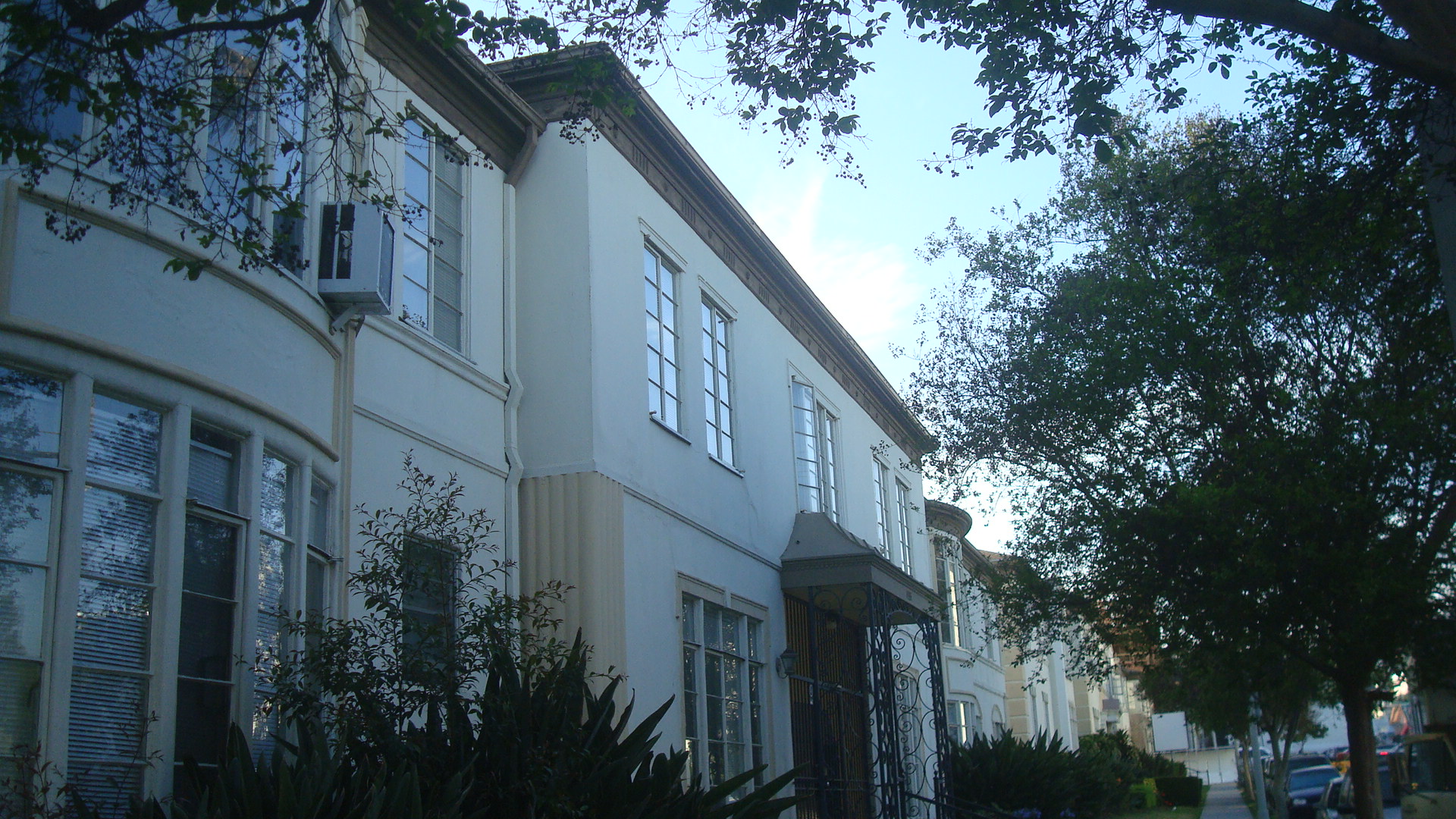
CH Apt 1

Apartment building to be demolished if the project is approved.

And what about the impacts that eight places featuring live entertainment will have on the LAPD’s workload? Not to mention the 22 establishments selling alcohol. Incredibly, the EIR doesn’t even discuss these things in the section dealing with police protection. They conclude again that project impacts will be “less-than-significant”. Obviously the authors of the EIR haven’t seen the research indicating that high alcohol outlet density has been linked to higher rates of violent crime.  Back in 2014, LAPD Chief Charlie Beck wrote to the Department of City Planning (DCP) pointing out that the “oversaturation” of alcohol outlets in Hollywood was contributing to increased crime, including robbery, shootings, rape, and assault. The DCP obviously paid no attention, because they’ve gone on granting liquor permits, and violent crime in Hollywood has risen every year since then. LAPD stats for Hollywood as of April 21 show violent crime has gone up 28.9% over the same period last year. The LAPD is understaffed, and doing their best to cope with a difficult situation. Too bad the DCP has no interest in helping them out. Apparently the folks at City Planning have no concern for the safety of Hollywood residents, or for the people who visit the area. And it looks like Harridge shares their total indifference.

This same indifference extends to the project’s noise impacts. Remember, the developer is asking permits for live entertainment in 8 venues. It seems like at least some of these will be outdoors. Check out this table from the EIR that lists the spaces where they plan to have amplified sound.

CH Outdoor Uses

It’s hard to say how much overlap there will be, since they don’t distinguish between those spaces intended for live performances and and those that will just have recorded sounds. But it’s pretty clear that there’s going to be a lot of music, and a lot of it will be outdoors. The EIR acknowledges that there could be significant impacts from noise, but don’t worry, they have a plan to take care of that. What’s their plan? They’re going to build a 12-foot wall on the project’s eastern boundary, between Crossroads of the World and Blessed Sacrament Church. And according to the EIR, that fixes everything.

This is so ludicrous it’s hard to believe they expect people to buy it. A single 12-foot wall is going to addres any concerns about noise. Live outdoor performances have been a problem for years in Hollywood. Area residents can tolerate a lot, and nobody gets bent out of shape if someone puts on a show during the day. But in recent years more and more club owners have been pushing the limits at night. There have been a lot of complaints about DJs ripping it up on rooftop bars in the small hours. The EIR’s claim that amplified music will only be heard in the immediate vicinity is bull. People who live in the hills have told me they can hear late night noise from down on the boulevard, and they’re not happy about it.

But Crossroads Hollywood wasn’t meant to benefit the community. It was meant to benefit the investors who are hoping to reap huge profits. This project will put more cars on the road and more poison in the air. It will create more crime than the LAPD can handle and more headaches for residents trying to get a good night’s sleep. And what do we get in return? Yeah, there’s the tax revenue, but the City is already seeing record revenues and still can’t balance its budget. More housing? Yeah, the vast majority of it priced way beyond the reach of most people who live in Hollywood. When we put the 105 Very Low Income units gained against the 84 Rent Stabilized units lost, we see a net increase of 21 units that will be accessible to the low income families that really need housing. The gain of 21 units will quickly be erased by the project’s gentrifying impact. If Crossroads is built, you can expect to see a lot of other investors buying up apartments and kicking people out. And will the project create jobs? Sure, mostly low-paying jobs in bars, restaurants, and hotels. Most of the people who will work there could never afford to live there.

This is predatory development. A project designed by investors for investors. The reason the EIR doesn’t see any serious problems for the community is because the needs of the community were never considered in any meaningful way.

It’s just about money.

Next week the City will be holding a hearing on Crossroads Hollywood. If you want to show up and speak your mind, here’s the info.

Tuesday, May 15, 2018, 9:00 am

Los Angeles City Hall
200 North Spring St., Room 350

ENTER ON MAIN STREET.

CH Crossroads of the World

Crossroads of the World
 

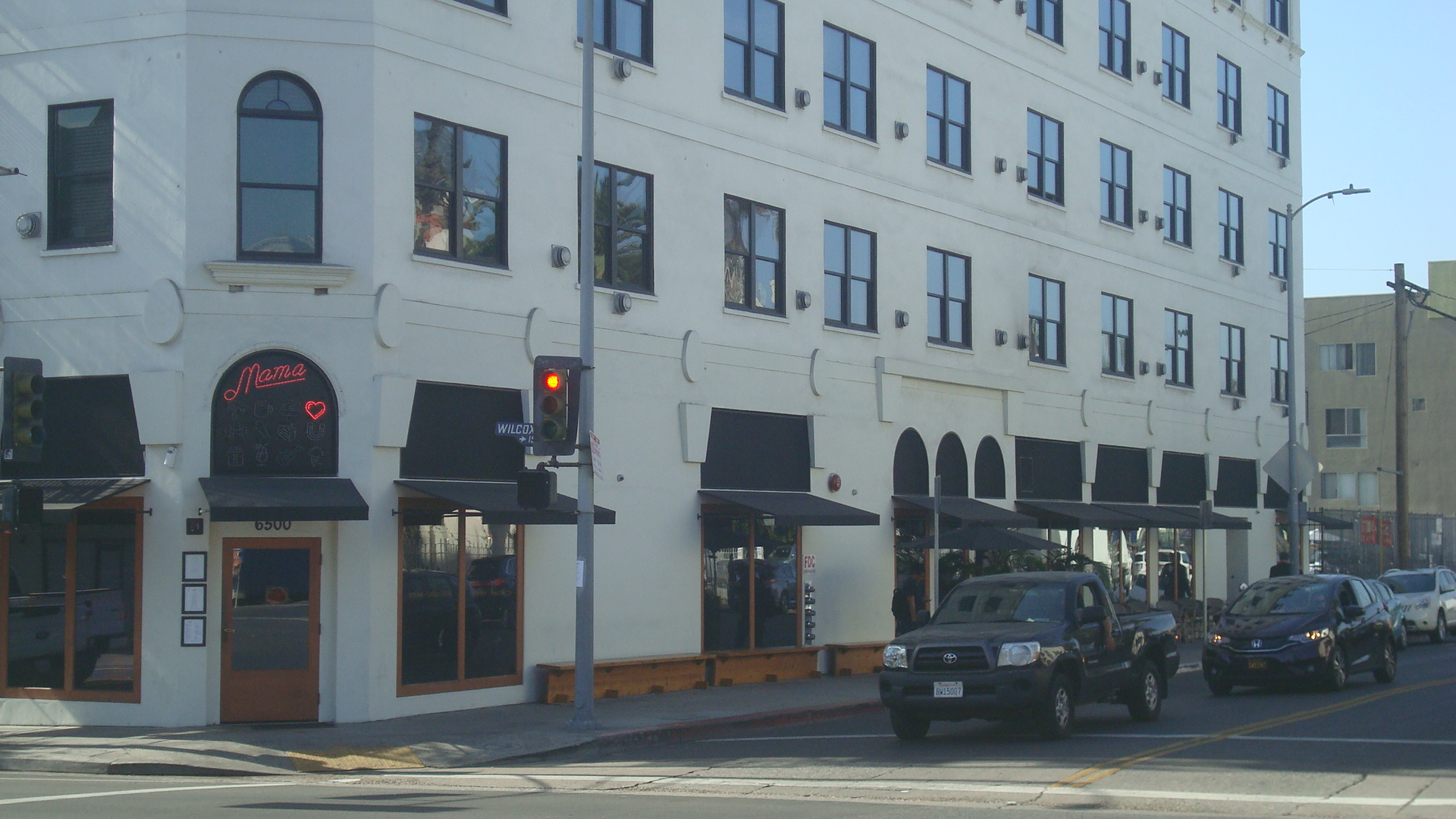
Mama Shelter, DJs and the DCP


MS Side

Side view of Mama Shelter

[This post has been updated.  The first version implied that the DCP had deliberately failed to send me a notice for the Mama Shelter hearing.  But I was cleaning out my inbox recently, and found the e-mail, unopened.  I must have let it slip past.  So my fault, not theirs.]

Last week I went to a hearing down at City Hall. The agenda item I was concerned about was a request by a Hollywood hotel, Mama Shelter, to allow live entertainment, including DJs, on their rooftop until 2:00 am.

Let me explain why I was worried. I like to have a drink and listen to live music as much as anyone, but the Hollywood party scene has grown to the point where it’s really causing problems for the community. I don’t live close enough to the boulevard to be bothered by the noise, but over the years I’ve heard many people complain that sometimes it gets so bad they can’t sleep. There are a number of apartment buildings close to Mama Shelter, and senior housing just a couple blocks away. The other problem is that as the party scene grows, the crowds are getting increasingly rowdy. Violent crime in Hollywood has been rising for years, and the LAPD doesn’t have enough staff to keep up. Check out this recent report and you’ll see that, except for homicide, violent crime has risen in every category over the past two years.

LAPD Hollywood Area Profile, November 2017

So I had some definite concerns about Mama Shelter’s request, and on the day of the hearing I was going to let everybody in the room know I was not happy. But instead I got a nice surprise. The first person to speak was the rep for the hotel. He said they knew the community was concerned about the noise, and for the time being they were withdrawing their request for live music on the roof. He didn’t say it was completely off the table, but the hotel will try to work with the LAPD to find a compromise. I was impressed. Who knows what the eventual outcome will be, but at least these people are listening. I do hope a compromise can be reached. I should also mention that LAPD vice officers spoke at the hearing, and they gave the hotel high marks for adhering to the law. Hollywood has had numerous problems with bad operators, so it was encouraging to hear their praise for Mama Shelter.

MS Grnd Floor

The problem for Mama Shelter is that they’re dealing with increased competition from new hotels that are springing up all around it. City Hall has decided they want to turn Central Hollywood into party central, and the Department of City Planning (DCP) is approving pretty much every crazy request they get from developers. Almost every hotel project that’s been pitched for the area in recent years includes a rooftop bar/lounge. Hollywood has been a mix of residential and commercial for over a hundred years, and it’s always been a balancing act. But in recent years the City has shown increasing contempt for the people who live in the area. There are already well over 60 places you can get a drink in Central Hollywood, and the DCP keeps approving more liquor permits, showing little concern for alcohol-related harms. And they don’t seem to care about people getting a good night’s sleep either, as they continue to approve requests to offer live entertainment. Do they have any idea how much extra work they’re creating for the LAPD? I have no problem with people coming to Hollywood to have a few drinks and hear some music, but more and more it seems to be drawing party animals who just want to get wasted and cut loose. Not good for the community.

Actually, I have a few problems with the DCP. Not only have they shown a growing disregard for rational planning practices, but the agency is becoming increasingly opaque and dishonest.  The experience with the hearing for Mama Shelter is a classic example.  When a friend forwarded the hearing notice, I saw that to review the impacts of allowing music on the rooftop they’d done an addendum to Mama Shelter’s original environmental assessment. (Put simply, they’re using the hotel’s original environmental assessment and adding a new section to talk about what impact live music might have on the community.) I was thinking I’d like to take a look at the addendum, but I couldn’t find it on the net. So on Monday, November 6, I send an e-mail to the zoning administrator (ZA) asking if he can forward it. A couple days go by. No response. On Wednesday I send another e-mail. This time he writes back to say….

“In reviewing the case file, as the size and overall mode of operation will not change, a categorical exemption in lieu of the reconsideration will be prepared for the project.”

There are a couple of big problems here. In the first place, the ZA is saying that even though Mama Shelter is asking to allow live music on the rooftop until 2:00 am, the “overall mode of operation will not change”. What?! The DCP’s original determination for Mama Shelter specifically prohibited live music. Now the ZA is saying that having DJs on the roof doesn’t represent a change in the way they operate? This is ridiculous, and to my mind it shows how the DCP is willing to completely ignore reality in order to serve the interests of property owners.

But the second problem is even more serious. The hearing notice said this change of use was being assessed by an addendum to the environmental assessment. Now, less than a week before the hearing, the ZA tells me that it’s being handled with a Categorical Exemption (CE), which means that the DCP sees no significant impacts at all. Forget about that fact that they’re pretending live music on the rooftop won’t impact the neighborhood. Now the ZA is changing the content to be considered less than a week before the hearing. And what’s even more bizarre, no revised agenda was ever posted. I checked the DCP web site the day before the hearing. It still said the addendum would be discussed.

I brought all this up at the hearing, and the gentleman who presided said he would discuss it with the ZA. Since Mama Shelter had withdrawn their request for live music it didn’t seem important to take it further. But this isn’t an isolated incident. This may seem like a relatively minor case, but I’ve been following development issues for years now, and more and more the DCP has been resorting to shady maneuvers like this to slide things through.

You want some examples?

Let’s talk about the North Westlake Design District (NWDD). The DCP wants to create a zoning overlay for the area roughly bounded by Temple/Beverly, Glendale, Third, and Hoover. The 2014 draft proposal says it will “guide new development that will complement the existing character of the neighborhood, create a pedestrian friendly environment, and provide neighborhood-serving amenities.” Translation: This community is next on City Hall’s gentrification hit list. Why do I think this? The first thing on the list of permitted uses: art galleries. The list also includes bakeries, bars, restaurants and cafés. And what are the prohibited uses? This list includes pretty much any business related to cars, including sales, storage, upholstery and repair. This list also prohibits bowling alleys, public storage facilities, and recycling sites. The latest version of the NWDD has dropped this list of approved and prohibited uses, but the intent is still clear. Many of this low-income community’s existing businesses would gradually be phased out to create another upscale enclave populated mostly by white people. And who proposed this new zoning overlay? Did it come from the community? Or course not. The draft proposal says up front, “The zoning ordinance is initiated by the City of Los Angeles.” Why isn’t the DCP instead initiating an update of the Community Plan, starting with public meetings to get input from residents? Because that would thwart City Hall’s plans to turn the area over to developers for yet another round of gentrification and displacement.

Or how about this item. Earlier this year the City Planning Commission (CPC) approved the tommie, a hotel slated for a vacant parcel on Selma near Wilcox in Hollywood. This 8-story building will have bar/lounges on the ground floor and rooftop deck and will offer live entertainment. This will be a party hotel, and the developer reps at the CPC hearing said they hoped to draw the crowd from the Cahuenga club scene. I mentioned earlier that I was concerned about the DCP’s willingness to dump projects like this on an area that’s already dealing with rising violent crime over the past few years. But to really understand how little the DCP cares about the community, you should take a look at the environmental assessment. In the section entitled Surrounding Uses, it fails to mention that Selma Elementary School is less than 500 feet away. (ENV-2016-4313-MND, See page II-5) What’s worse, even though the members of the CPC were informed during public testimony that the school was there, they never mentioned it once during their deliberations. They didn’t question the assessment’s conclusion that construction of the hotel would not make a significant difference in the quality of the air these kids were breathing. Apparently diesel exhaust and particulate emissions from trucks and heavy equipment during the 23 months of construction would not impact their health. It also seems that noise from the construction site would have no impact on classroom instruction. Unbelievable.

This last example is hot off the presses. Just this month the LA Weekly reported that a high-rise apartment building in Downtown has been transformed into a hotel. During the DCP’s approval process, Onni Group’s Level Furnished Living (LFL) was described as a residential project. The City argued that the building would provide new dwelling units at a time when housing supply is tight. But when the Weekly asked Onni about the change of use, a representative responded that the DCP was in the process of finalizing a permit that would allow transient occupancy at LFL. In other words, it seems that the city agency that approved the construction of the project claiming that it would supply badly needed housing, has now decided that housing isn’t so important after all, and is willing to turn these units into hotel rooms.

Sure, the DCP’s bizarre switch in advance of the Mama Shelter hearing is a minor problem. But it’s just one more example of this agency’s dishonest and deceptive practices. When the ZA wrote to say they were going with a CE, I wrote back saying I still wanted to see a copy of the addendum. That makes three times I requested a copy. I never got it. Based on the ZA’s sudden shift to a CE, I have a feeling the addendum was never prepared. My guess is that it was just language inserted into a notice to make it look like the DCP was following the rules.

It’s clear they’re not.

MS Roof


The Hollywood Rip-Off

DH SM 01 Tao Dream 2

The other day I picked up a copy of the LA Weekly and came across Besha Rodell’s review for Tao in Hollywood. Clueless loser that I am, I’d never heard of this popular mini-chain before, and had no idea it had been a huge success in New York and Las Vegas. Tao’s latest location is tucked into the just-opened Dream Hotel in Hollywood, and it seems to be doing big business. But Rodell wasn’t impressed. At all. You can read his review here.

Worse Than We Imagined from LA Weekly

Reading Rodell’s description of the decor’s garish excess and ridiculously inflated prices, I felt like his review could apply to a lot of what’s happening in Hollywood these days. The Dream Hotel and Tao just seem like the latest in City Hall’s efforts to wreck the community.

DH SM 10 Tao

Tao on Selma in Hollywood

Does that sound extreme? And does it sound strange to be railing against garish excess in Hollywood? Hasn’t that been Hollywood’s game all along? Certainly if you look at the movie industry’s output, from the lurid spectacles of the 20s to this summer’s CGI-fueled action flicks, you’ll find plenty of outrageous, vacuous entertainment. You could also point to the sumptuous nightclubs and decadent nightlife that flourished during the studio era, when gossip columns were filled with the shameless antics of movie stars.

But the studio era ended decades ago, and over the years the place called Hollywood has grown into something very different. For a long time now it’s been a low to middle-income community with a fairly dense mix of residential and commercial. The movie stars are long gone, but there are lots of hardworking people here, people who run small shops and family-owned restaurants. Would-be actors and actresses who knock themselves out waiting tables while trying to get auditions. Kids who walk to school on streets where they have to learn early to look out for themselves.

And these people are struggling harder than ever because the City seems to be doing everything it can to push them out of Hollywood. What these people need more than anything is housing they can afford, and instead the City keeps approving high-end mutli-family projects that most Hollywood residents could never hope to move into. Yes, some affordable units have been created in recent years, but the wave of evictions continues, and we’re still losing scores of rent-stabilized apartments.

And with all this going on, the City decides we need over a dozen new high-end hotels? With multiple bars? Rooftop decks? Live entertainment? In some cases right up against apartment buildings? Really?

The City has long said that one of the key components to its plan to revitalize Hollywood is to boost the night life, but how’s that working out? I like a drink as well as the next guy, but last time I counted there were 67 places that serve alcohol in Central Hollywood. It’s not hard to get a drink here. And still the City continues to approve new liquor permits, even though violent crime and property crimes have been rising steadily in the area since 2014. Are you wondering if there’s a connection? Actually there are years of research that show a strong connection between alcohol and crime. Check out this report from the Department of Justice if you’re skeptical.

Alcohol and Violent Crime

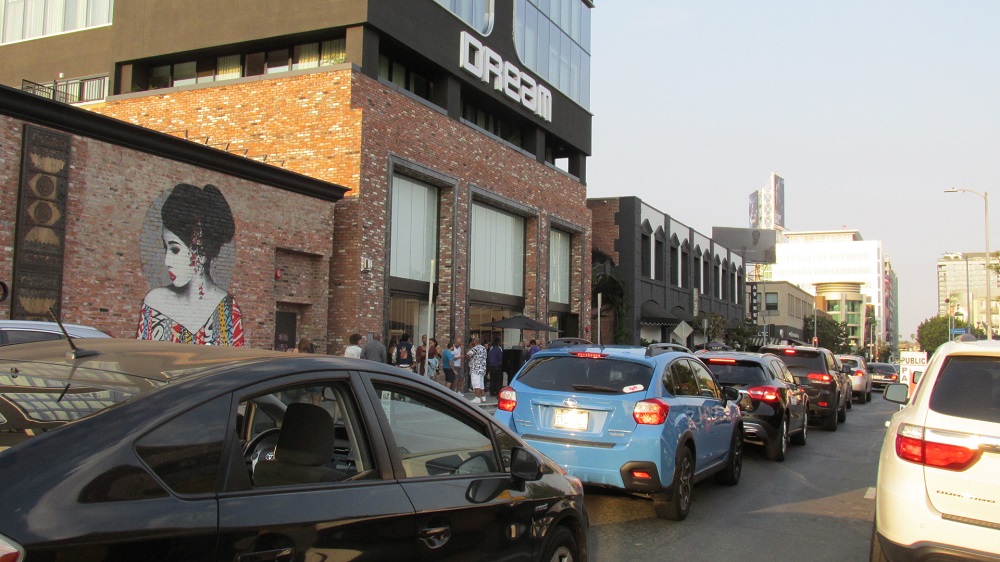
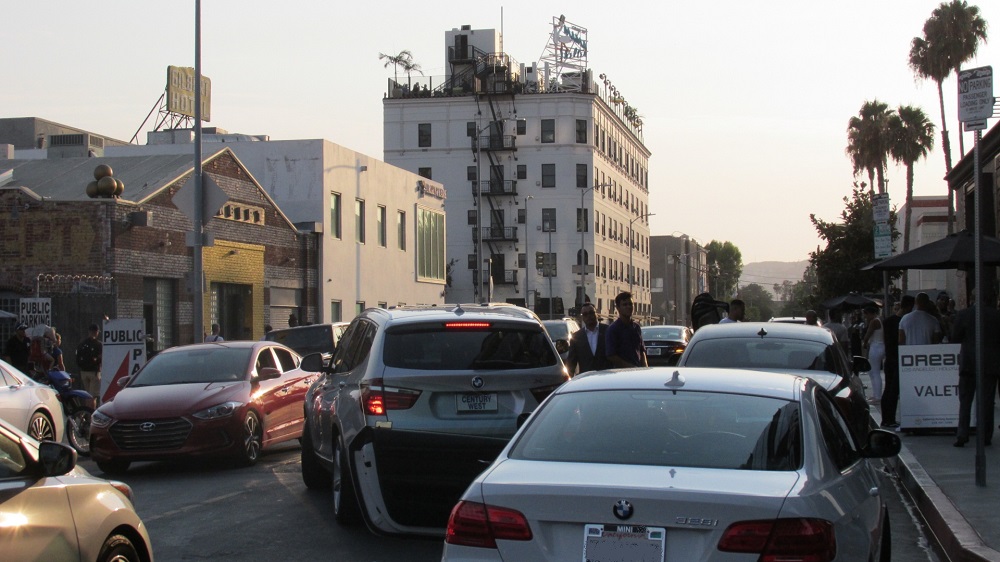
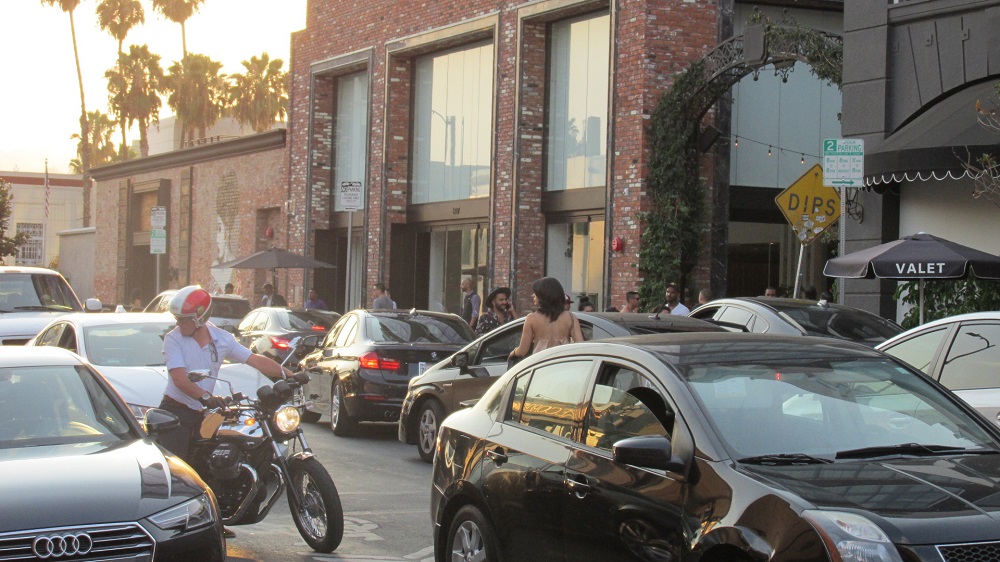
And then there’s the traffic. Every time the City approves one of these projects, planners insist it won’t have any significant impact on congestion because Hollywood is a transit hub. The hotel guests and the partiers won’t need to drive because they can ride the bus instead. Well, take a look at these photos I snapped in front of the Dream Hotel around seven o’clock on Saturday night.

DH SM 20 Cars Crowd

Cars lining up in front of the hotel.

DH SM 22 Guy Smoke

The line of cars continues west on Selma.

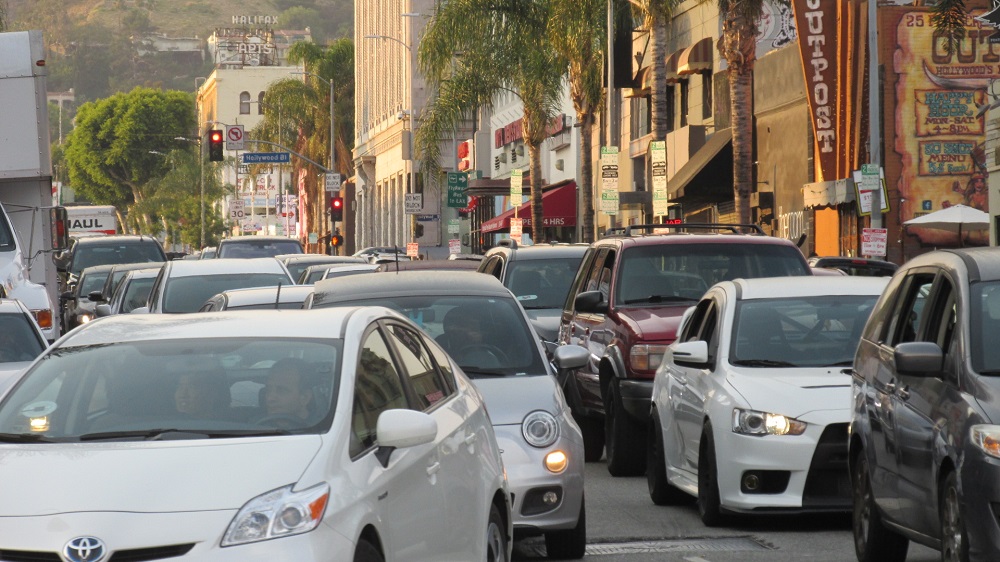
And now let’s take a look at traffic a half a block away on Cahuenga.

DH SM 50 Cah N

A shot of traffic on Cahuenga, facing Hollywood.

DH SM 52 Cah S

A shot of traffic on Cahuenga, facing Sunset.

Remember, this is not a weekday at rush hour. This is early evening on a Saturday. Somehow I don’t find the City’s claims about people taking transit to be completely credible.

It used to be the club scene in Hollywood was mostly concentrated on Cahuenga. But the City wants to change that. Selma used to be a fairly quiet street running through a largely residential neighborhood between Vine and Highland. There’s a senior center about a block and a half away from the Dream Hotel. And there’s an elementary school about two blocks away in the other direction. But the City doesn’t seem too concerned about the elderly or the children living in the neighborhood. Our elected officials are going to turn Selma into a party corridor. A few years back Mama Shelter opened up, now the Dream, and the City Planning Commission (CPC) recently approved the tommie, an eight-story hotel featuring 2 bars, a rooftop deck, and live entertainment. It didn’t bother the CPC at all that Selma Elementary is less than 500 feet away from this latest project.

And you haven’t even heard the best part. Just blocks away, a developer is planning to build the massive Crossroads Hollywood project, and they’re asking for a master alcohol permit to allow 22 establishments to serve alcohol. You read that right. Twenty two. And not only is Crossroads Hollywood in close proximity to Selma Elementary, it’s right across the street from Hollywood High School.

DH SM 70 Front

The front of the Dream Hotel.

This is the City’s idea of revitalizing Hollywood. We need low-cost housing. They give us high-end hotels. We need relief from violent crime. They keep pouring on the alcohol. Meanwhile traffic is worse than ever, transit ridership continues to decline, and the number of homeless keeps growing.

City Hall keeps saying they’re trying to bring Hollywood back to life. Why does it feel like they’re trying to kill it?

DH SM 90 Motorcycle