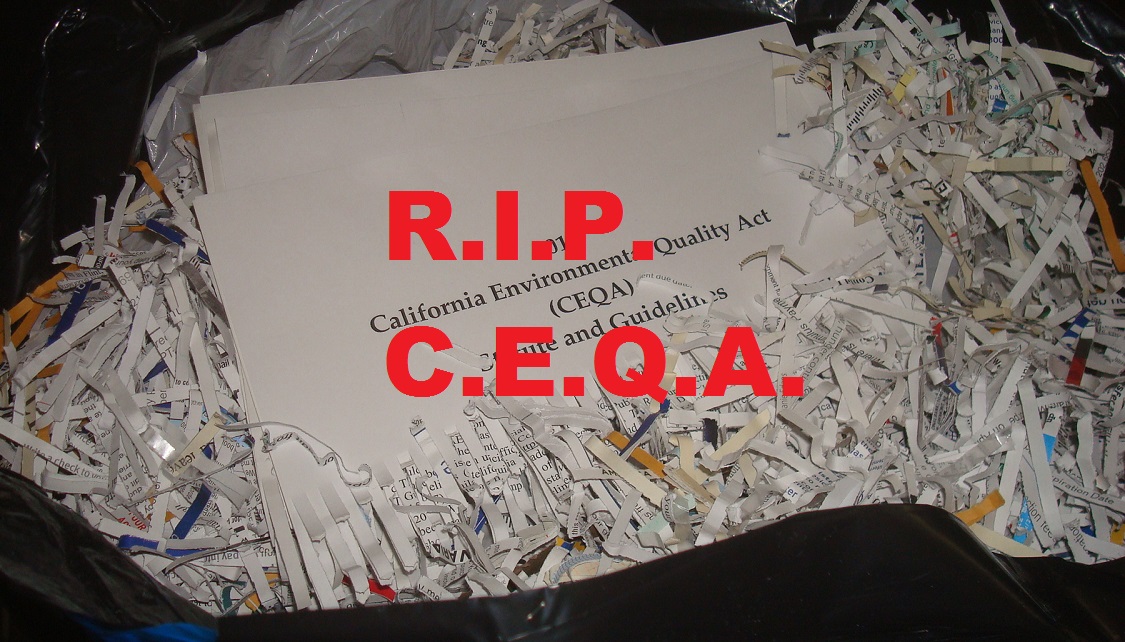
Over the past decade, it’s become popular to bash the California Environmental Quality Act (CEQA). First it was claimed that CEQA was a major reason for the lack of affordable housing in California, but a study by the Rose Foundation found that only 2% of approved projects faced CEQA lawsuits. Then lawmakers in Sacramento began claiming that CEQA was holding back all kinds of projects, not just housing. The result was State Senator Scott Wiener’s SB 131, which made a vaguely defined category of “advanced manufacturing projects” exempt from environmental review. As I wrote earlier, this category could include a number of projects that produce toxic waste, including the production of organic fertilizer, semiconductors and lithium ion batteries. There was heavy opposition to this bill from environmental groups, but Gov. Gavin Newsom strongarmed the legislature into approving it.
Now the California Chamber of Commerce has proposed a ballot measure that would substantially rewrite CEQA, making major changes to accelerate the approval of “essential” projects. The measure is called the Building an Affordable California Act (BACA), and they’ve already gathered enough signatures to put it on the November 2026 ballot. As you may have guessed by the title, the Chamber is arguing that CEQA makes the approval of projects too time-consuming and costly, and that Californians are paying more for housing, water and electricity as a result. While the Chamber’s web site features commentary by CEO Jennifer Barrera citing six projects that have been delayed by CEQA, I couldn’t find any actual research or data on their site to support their assertion that CEQA has played a significant role in raising the cost of living for Californians. The Chamber makes a point of saying that BACA would still leave Federal environmental laws in place, but they don’t mention that the Trump administration has been aggressively pushing to roll back enforcement of those laws and to rewrite environmental regulations. And while the Chamber makes unsubstantiated claims about higher costs for housing and utilities, they don’t talk about the huge cost of cleaning up toxic sites. Some readers may remember the Stringfellow Acid Pits, a toxic waste dump that leaked contaminants into the surrounding communities. Tens of millions of your tax dollars have already gone into cleaning up this site, and the job isn’t over.
An analysis on Legal Planet says that BACA would create a new CEQA process for “essential” projects, laying out shorter timeframes for environmental review. It could also limit the kind of environmental impacts that the project applicant would be required to analyze. Legal Planet’s post gives a list of projects that would likely qualify for streamlined review under BACA, including freeways, dams, and possibly data centers. And since the Chamber talks about speeding up energy projects, my guess is that nuclear reactors would also probably qualify for the shorter review process.
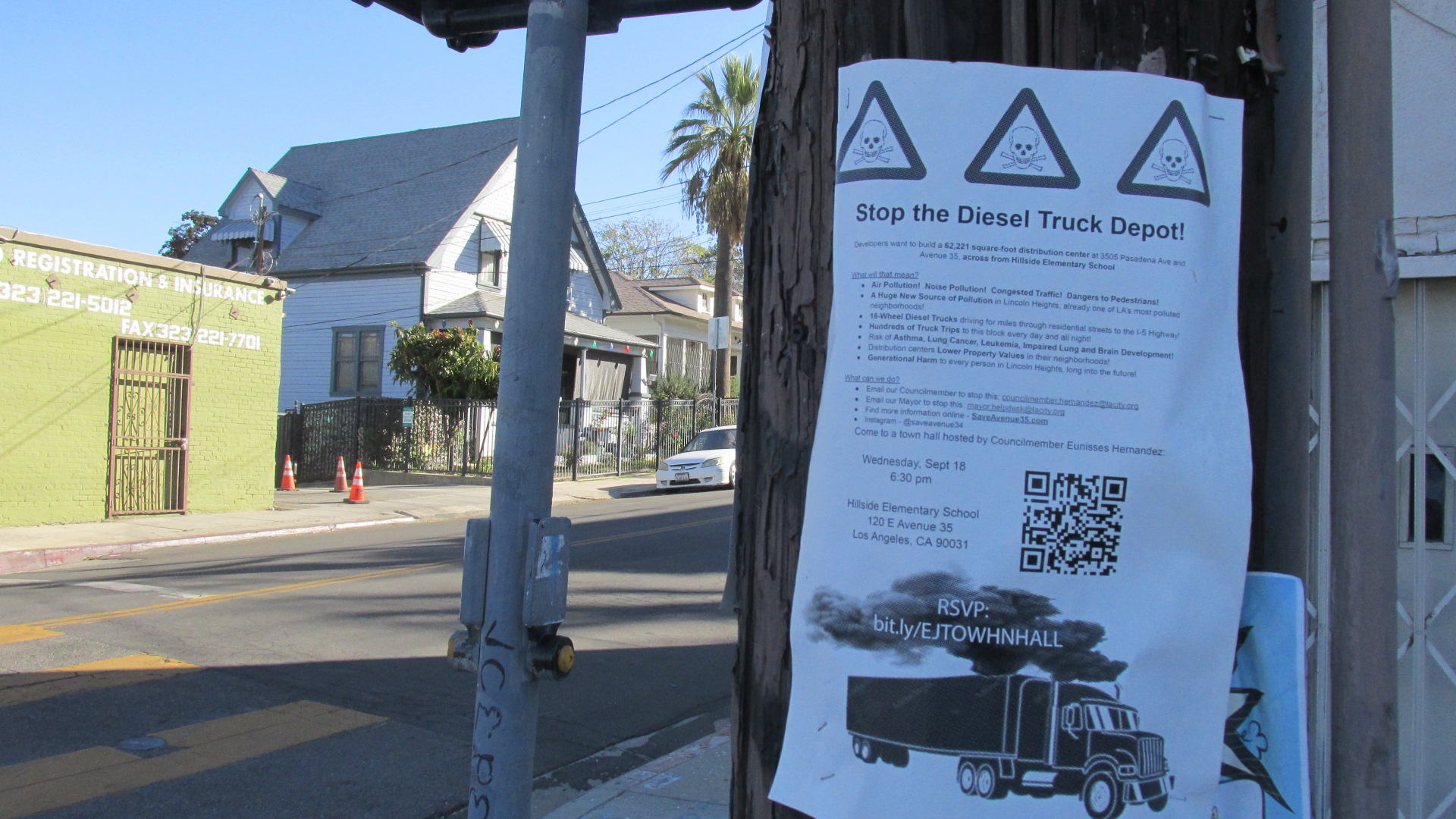
But all these people who keep telling us how bad CEQA is don’t often talk about the good things CEQA does. A community in Fontana filed a CEQA lawsuit over the approval of a logistics center that would have brought a huge increase in diesel truck traffic and made the area’s poor air quality even worse. They achieved a settlement requiring the project proponent to take concrete steps to reduce air pollution. In 2018 the City of Arvin approved a permit allowing an oil company to drill four wells in a residential community. Residents filed a CEQA lawsuit and stopped the drilling. Think for a moment about how you’d react if a company wanted to build a large logistics center or start drilling oil wells in your neighborhood. Would you consider filing a lawsuit to protect the environment you live in?
Now the crisis at the GKN Aerospace facility in Garden Grove has brought new attention to how environmental hazards can impact nearby communities. When the temperature of a chemical storage tank began to rise unexpectedly, fears that the tank might explode led to the evacuation of an estimated 50,000 people in the area. While a catastrophe was averted, it was a stark reminder of the dangers that can arise from planning decisions that put residential buildings near industrial uses. In a story related to the GKN Aerospace situation, the Daily News reported that nearly two million Californians live within a three-mile radius of a facility that uses the same chemical that caused the crisis in Garden Grove. The LA Times also followed up with a story examining the risks involved in rolling back environmental regulations. In that story, the authors reminded readers of other recent events: the damage done to surrounding communities by lead contaminants from the Exide battery plant in Vernon; the risks to students at Jordan High School due to toxic waste from S&W Atlas Iron & Metal in Watts; the rupture of an oil line in East LA that sent over 2,000 gallons of crude into the LA River; the recent fire at tire recycling center in South Gate. The Times story also points out that the push to build more housing quickly has led to the approval of projects in areas at high risk of fire.
The point here is that while Gavin Newsom and Scott Wiener and the folks at the California Chamber go around bashing CEQA, they don’t talk about the risks we face when we cut corners on environmental review. And, as the situation in Garden Grove showed, there are very real risks to public health and safety when we don’t properly examine a project’s impacts on communities. Aside from a frightening crisis like a chemical tank overheating to the point where it could explode, there are less dramatic but still very real threats to the air we breathe and the water we drink. If we don’t examine potential problems when we build chemical plants, or data centers, or logistics hubs, we will end up creating more risks to our health and safety.
Fortunately, people are pushing back against the California Chamber’s efforts to undermine CEQA. Led by the Planning & Conservation League, scores of public health and environmental groups have come together to fight BACA. They’ve created a web site where you can learn about their efforts and find out how to join if you want to get involved.
Bottom line, CEQA is about giving people a voice about what gets built in their community. It gives you a chance to inform yourself about a project’s impacts, and to speak about your concerns. Elected officials like Scott Wiener and Gavin Newsom have been working hard to take power away from communities and to give it to corporations. The California Chamber’s measure is another aggressive attempt to silence Californians who care about their communities.
We can’t let them get away with it.