Journalist Rubén Salazar Was Killed 55 Years Ago Today

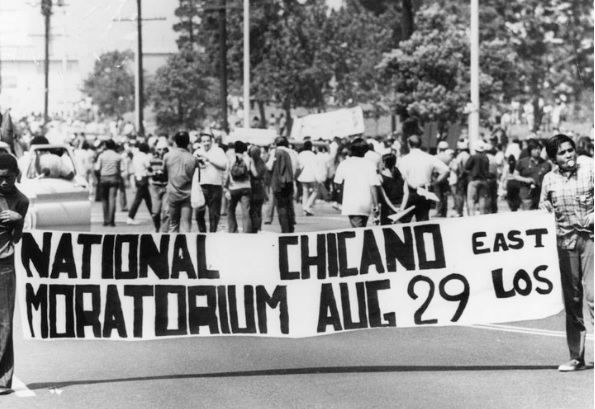
Photo by Sal Castro, Security Pacific Bank Collection, LA Public Library

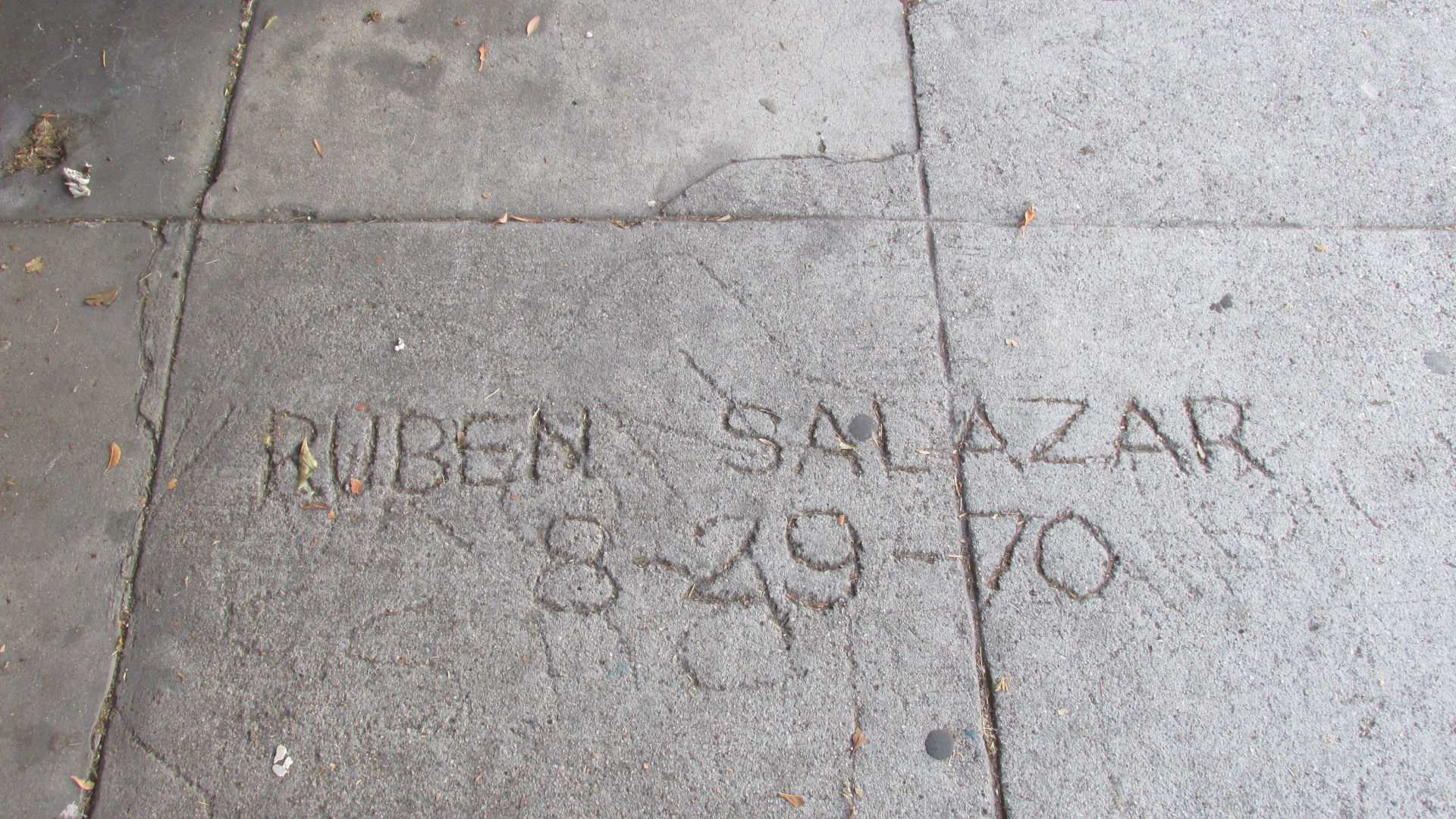
Journalist Rubén Salazar was killed 55 years ago today. He’d been covering a large protest in East LA that was part of the Chicano Moratorium. Salazar was taking a break at the Silver Dollar Cafe when a sheriff’s deputy standing outside fired a tear gas canister into the bar. The canister hit Salazar in the head and killed him instantly.

Salazar worked at the LA Times in several capacities for more than a decade. At the time of his death, he was news director at Spanish-language KMEX-TV, though he still wrote a weekly column for the Times. Salazar reported on tensions between the Latino community and the cops, and it was no secret that law enforcement officials weren’t happy about his reporting.

It’s important to remember Salazar’s work, but also to think about his death in the context of what journalists are facing today. Both in the US and abroad, journalists are increasingly being targeted for doing their job. Beyond that, fair and objective journalism is increasingly threatened by the changing economic landscape and a social media sphere that values likes more than facts.

LA Times columnist Gustavo Arellano wrote an excellent piece on Salazar today. See below. I’m also including a link to Salazar’s own reporting. It’s worth taking some time to think about Rubén Salazar today. Fifty five years later, his life and his death still hold meaning for us.

Slain LA Times Columnist Ruben Salazar Matters More than Ever
Reading Rubén Salazar

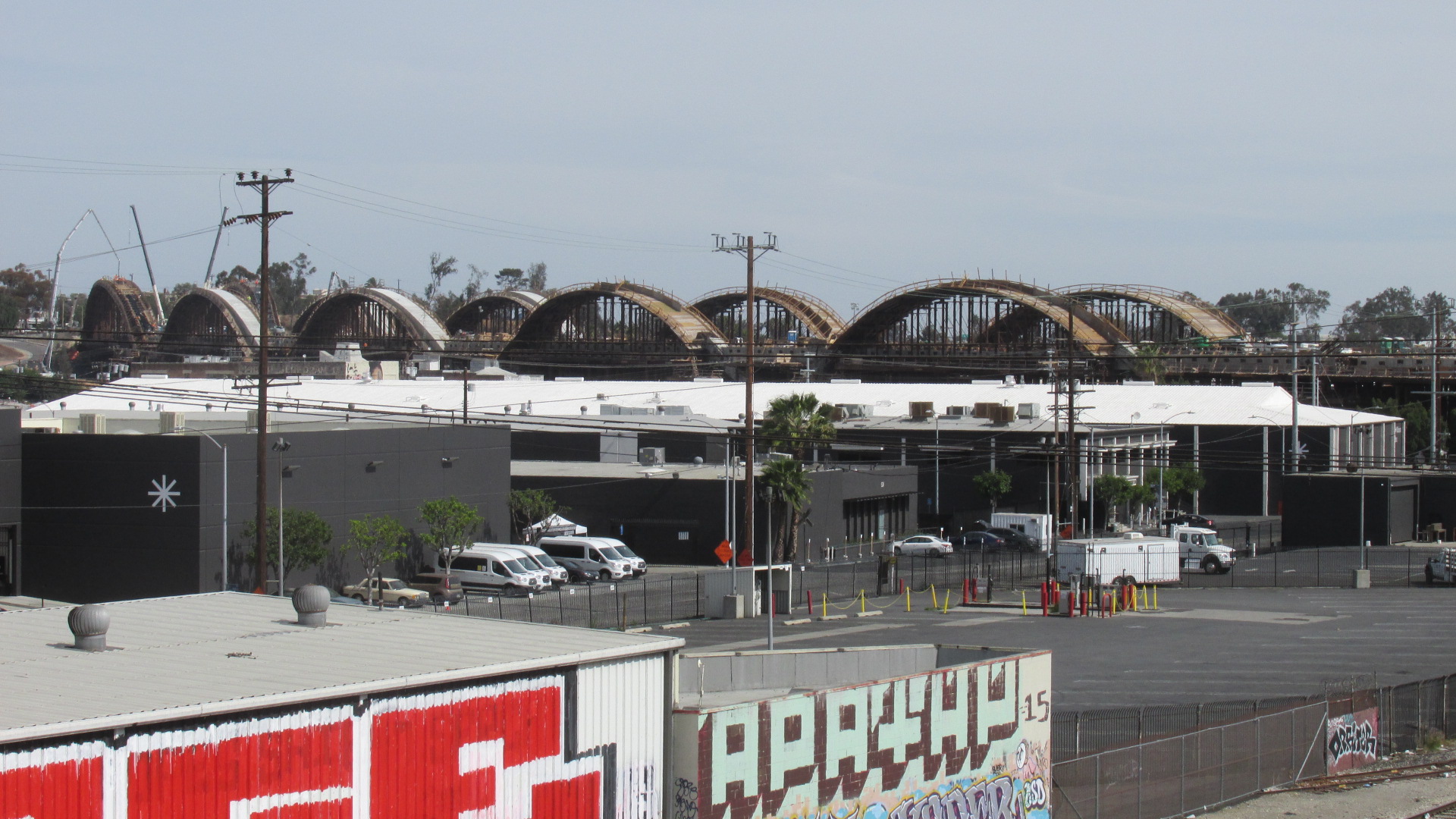
Work Continues on Sixth Street Bridge

The Sixth Street Bridge’s arches rising above the surrounding landscape.

Work on the new Sixth Street Bridge is still moving along.  Originally scheduled for completion in 2019, it’s now supposed to be finished by summer of 2022.  This shouldn’t surprise anyone who follows the progress of large infrastructure projects.  It’s also no surprise that the cost of the project has risen from $420 million to $588 million.  But even though repeated delays and cost overruns are fairly common with projects of this kind, it seems like LA is especially prone to these problems.  (I guess it could be worse.  Just take a look at the California High Speed Rail.)

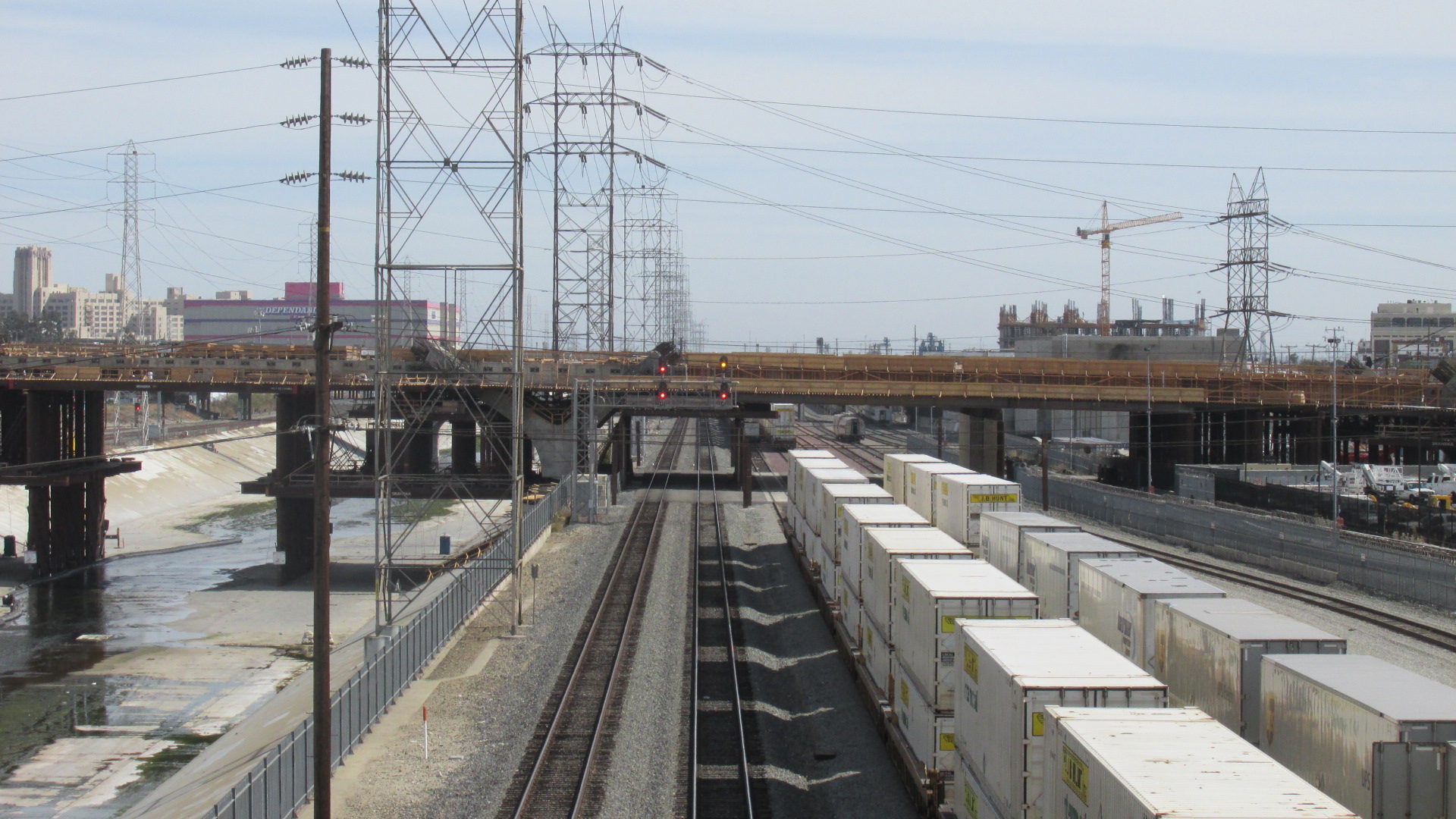
LA River running beneath the Sixth Street Bridge.

When the bridge is done, there are plans to create a 12-acre park within the bed of the LA River, with public art and recreational programs.  I hate to be cynical, but it will be interesting to see what actually materializes.  While the FTA and CalTrans are helping with funds for the construction of the bridge, I don’t know if they’re also kicking in for the park.  I mention this because the LA Recreation & Parks Department is chronically underfunded, and can’t even maintain existing parks.  I’m also concerned because it seems some of the features that were supposed to be included in the new bridge have been cut.  The original design had protected bike lanes.  Apparently those are gone.  And I’ve seen some chatter on-line about the removal of the stairs that would have connected the bridge to the park, but I haven’t been able to find any confirmation.

Downtown side of the bridge.

But the biggest cause for concern is that the completion of the bridge will bring further gentrification and displacement on the east side of the LA River.  Many residents of Boyle Heights and surrounding communities are worried that the Sixth Street Bridge will bring another wave of real estate investors looking to cash in.  The eviction of the seniors at Sakura Gardens is not a good sign.

Many people are excited about the new Sixth Street Bridge and its promised benefits.  I hope their optimism is justified.  When I first heard about the project years ago, I was excited, too.  I have to say that now my hopes are outweighed by a deep cynicism.  The City of LA’s leaders have been promising a more livable, equitable city for years.  Instead it seems that the population is increasingly divided and increasingly desperate.  Bridges are supposed to bring people together, but I’m worried that this one will end up driving people apart.