A Bond Measure to Fund Parks?

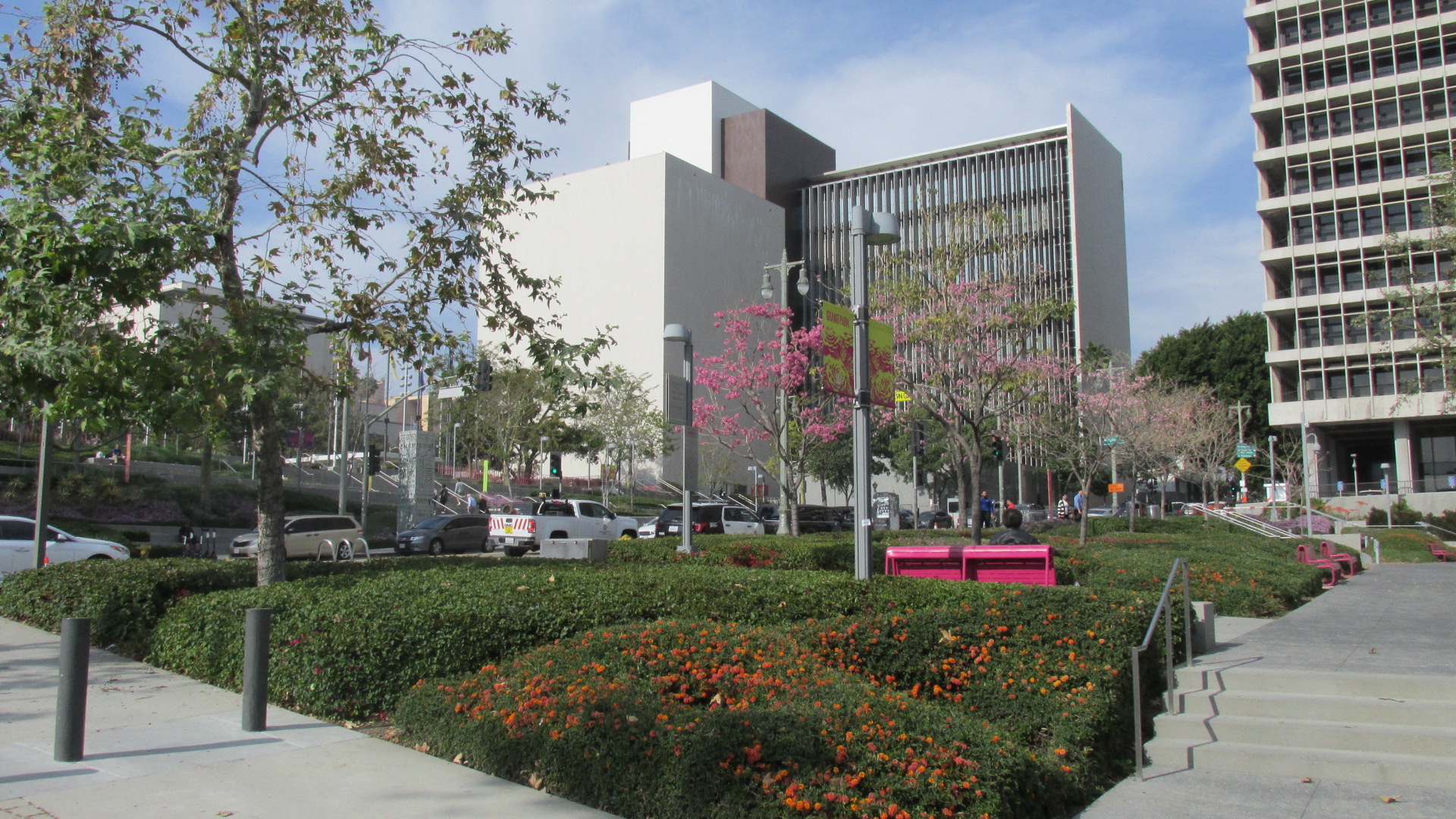
Grand Park in Downtown

Following up on my recent posts about funding for parks in the City of LA, I wanted to offer an update on a recent action by the LA City Council. Because of the budget crisis that the City is currently facing, the Council is looking for ways to generate more revenue. Last week they approved a report from the Budget & Finance Committee which asks City departments to report back on a number of possible options, including a bond measure to raise funds for both the LA Fire Department and the Department of Recreation & Parks (RAP). They’re also looking at increasing the base funding formula for RAP in the City Charter. (It’s actually worth reading the whole report. Some of the options are interesting. Some are bound to be controversial.)

Park advocate Ron Bitzer, who serves as a volunteer on the City Park Advisory Board in North Hollywood, also sees a possible opportunity emerging as the City tries to rebuild after the recent fires. Bitzer has written an open letter to Steve Soboroff, who was selected to lead the recovery effort, where he argues that planning for more parks, and creating funding streams, should be part of the process.

Open Letter to Steve Soboroff

In general, I think we should be making sure that open space, green space, and the urban forest are integrated into all of LA’s planning efforts. In recent years both our local and State government have worked to fast-track project approvals, in large part arguing that we just need to build housing as fast as possible. Unfortunately, this has led to the removal of more trees and the loss of more permeable surface area, which will make LA even hotter and drier. Instead of just rushing to build as much as possible, we should be planning to build healthy, sustainable communities.

The “No-Plan” Olympics

Forget about planning for the 2028 Olympics.

UPDATE: This post was originally written prior to the LA City Council meeting on Feburary 21. The item about expediting projects for the Olympics was continued, and will now be heard on Friday, February 28. PLEASE NOTE: This meeting will be held at Van Nuys City Hall, 14410 Sylvan St. Van Nuys. You can also call your councilmember to express your views.

***

When the politicians at LA City Hall first approved hosting the 2028 Olympics, they said LA wouldn’t need to build new sports venues or new infrastructure. A post on the LA28 web site says that “The LA28 Games are designed to fit the city as-is [….]”. The talk was that this would be a “no-build” Olympics. The post goes on to say….

As a global leader in sports, entertainment and technology, LA is built to host large-scale, sustainable, global events that benefit everyone and will be the first-ever Games to not build permanent infrastructure. [Emphasis added.]

Well, anybody who believed that obviously hadn’t spent much time around City Hall. Now the LA City Council apparently wants to build a whole lot of new stuff, and they want to be able to build temporary and permanent venues, training facilities, broadcast and media centers, transit infrastructure, and other projects that could be associated with the Olympics or the Paralympics without having to receive planning approvals, obey zoning regulations, observe height restrictions or setback requirements, or any other regulations that could delay construction. You can read the language from the motion yourself. (Council File 15-0989-S47)

This is just crazy. But tomorrow, Friday, February 21, the City Council will likely approve this motion directing City departments to prepare an ordinance to make this crazy idea a reality. If the ordinance is approved, you can bet we’ll see a barrage of new projects being justified because they’re supposedly associated with the Olympics or the Paralympics. These projects will be approved with no public engagement and no environmental review. In other words, once they’re proposed, they’re approved. And don’t be surprised if they use this to greenlight Frank McCourt’s Dodger Gondola project.

In other words, this has gone from being the “no-build” Olympics to being the “no-plan” Olympics. It was pretty clear even before this that our elected officials were in over their heads. Now it seems they’re trying to dig themselves out by eliminating planning, eliminating environmental review, and cutting the public out of the process.

If you have something you’d like to say to the City Council about this, the best thing to do would be to show up at City Hall before 10:00 am tomorrow, Friday, February 21. (You can’t call in anymore, because Council President Marqueece Harris-Dawson doesn’t want you to.) If you can’t make it down there, I suggest you call your council office when they open tomorrow morning and let them know how you feel.

City of LA Elected Officials

It’s been clear for a long time that the folks at LA City Hall don’t care about planning. Now they apparently aren’t even trying to pretend they care.

How Can We Make Sure the City of LA’s Parks Have the Funding They Need?

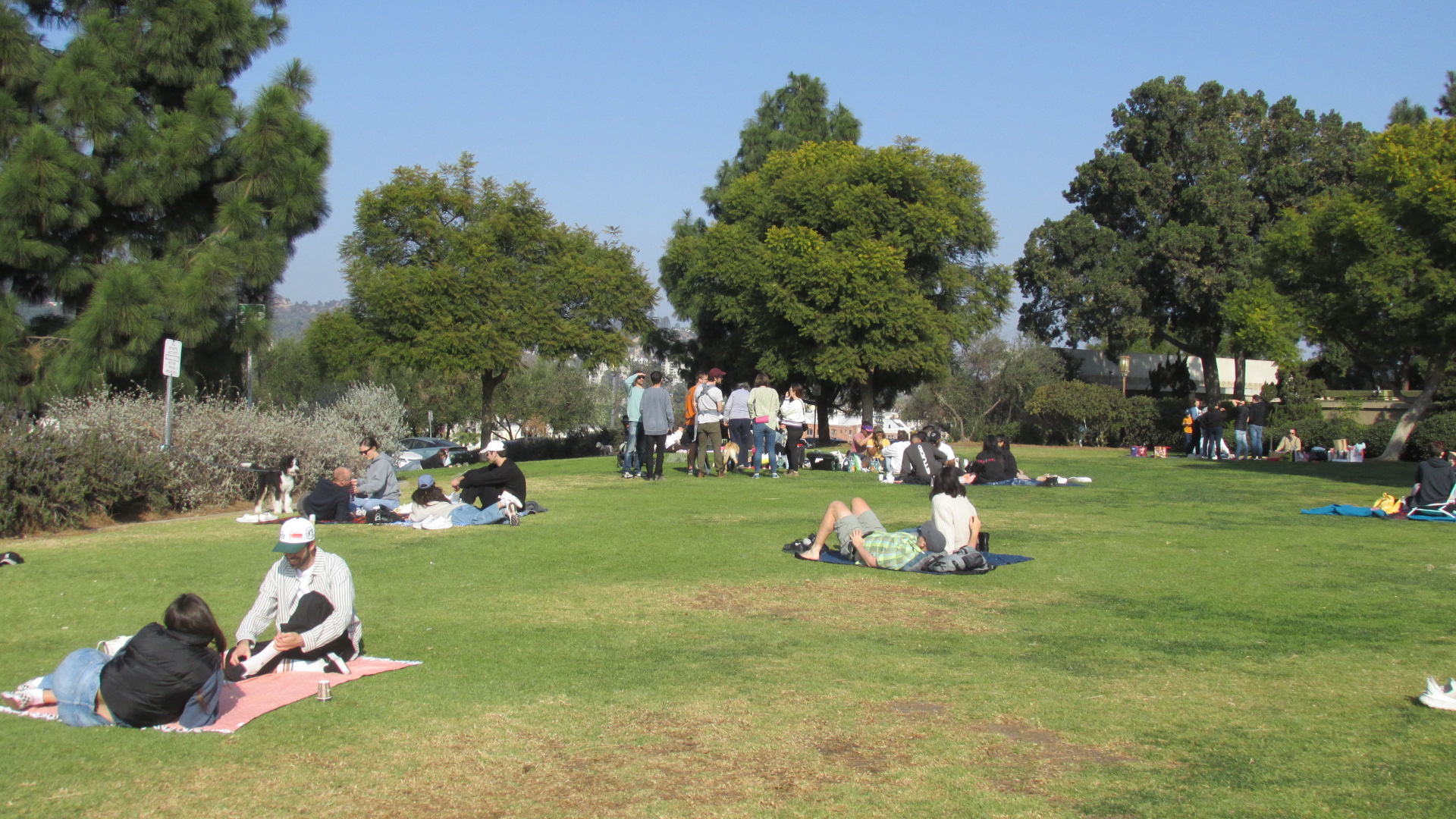
People enjoying the afternoon in one of LA’s parks.

In a recent post I talked about why the LA City Department of Recreation & Parks (RAP) is having such a hard time maintaining the parks in our communities. Mostly, it comes down to money. RAP doesn’t have the funds to hire enough staff or pay for upgrades, in large part because of what LA City Hall calls the “full cost recovery program”, and the City Council’s ongoing inability to create a balanced budget.

One solution to RAP’s problems would be a ballot measure, which has been done before. In 1996, voters approved Proposition K, the LA for Kids Program, which was designed to provide $25 million per year for 30 years. This money has been spent on capital improvements to parks, recreation, and community facilities. However, Prop K will expire in a few years, and this will leave RAP even more impoverished than it is now. But if we’re going to do another ballot measure, we need to do it right.

I’d like to introduce you to Ron Bitzer, who serves as a volunteer on the City Park Advisory Board in North Hollywood. Ron has been fighting for LA’s parks for years, and would like to see all Angelenos have access to clean, well-maintained areas for recreation and relaxation. In this article he offers a detailed breakdown of the challenges RAP is facing. He also talks about how we could create a funding stream to address these challenges.

Proposition K Dollars: A Model for Public Financing of Construction in LA?

UPDATE:
RAP is in the process of preparing a Park Needs Assessment, and this will be discussed at a meeting of the Facility Repair & Maintenance Commission Task Force on Thursday, February 6, at 10:00 am. The meeting will be held at the Chevy Chase Recreation Center, 4165 E. Chevy Chase Drive. The Task Force will only take public comment from those who show up in person. Click on the link below for the agenda.

RAP Facility Repair & Maintenance Commission Task Force

If you can’t make the meeting on February 6, see page 5 of the agenda for a tentative list of future meetings under the heading Public Engagement (Phase 1).

We can provide funding for LA’s parks, but the process must include real public engagement and meaningful oversight. Our parks belong to the people. Let’s make sure the people have a voice in planning for their future.

Forget the Finger-Pointing: A Fact-Based Explanation of Why LA’s Fires Were So Destructive

Image from Cal Fire Update, January 18, 2025

No surprise that after a major disaster like LA’s fires there are a lot of people playing the blame game. Politicians are pointing fingers, TV personalities are airing their theories and social media is abuzz with angry people who have suddenly become experts on firefighting.

If you’d like to hear a real scientist give fact-based information about the circumstances that led to these fires, I urge you to listen to this interview where Adam Conover talks to climate scientist Daniel Swain. Swain works at the UCLA Institute of the Environment and Sustainability, and aside from his climate expertise, he has a deep understanding of the tactics firefighters use when faced with conflagrations like what we saw in Altadena and Palisades.

Debunking L.A. Wildfire Myths with Climate Scientist Dr. Daniel Swain

The interview last about 90 minutes, but it’s well worth the time. Swain talks about the limited options firefighters actually have when fighting wind-driven fires on this scale. More importantly, he explains the role climate change played in creating the conditions that led to these holocausts.

As we should know by now, there are numerous areas in LA that are prone to fires. Many of these areas have burned repeatedly, because fire is a natural part of the ecology. As climate change continues to alter weather patterns, and LA continues to grow hotter and drier, we should expect more frequent and more intense fires.